
Discover 5 tangible ways marketing automation impacts SEO, from faster content production and smarter keyword intelligence to stronger engagement signals.
5 tangible ways marketing automation impacts seo
Marketing automation and SEO are usually treated as separate disciplines. One team builds email workflows and lead scoring models, while another optimizes title tags and builds backlinks. In reality, the two are deeply connected, and businesses that connect them deliberately tend to outperform those that keep them in silos.
Marketing automation is no longer just about sending drip emails. Modern platforms collect behavioral data, segment audiences, trigger personalized content, and surface insights that directly shape what you publish, how you structure your site, and how visitors engage with your pages. Every one of those activities touches search performance in a measurable way.
This article breaks down five tangible ways marketing automation impacts SEO. These are not vague claims about "synergy" — each one is a concrete mechanism you can implement, measure, and improve. Whether you run a small business or manage marketing for a growing company, you will leave with practical steps you can act on this quarter.
What marketing automation actually means for search
Before diving into the five impacts, it helps to define the scope. Marketing automation refers to software and workflows that handle repetitive marketing tasks: email sequences, audience segmentation, lead scoring, social scheduling, behavioral tracking, and reporting. SEO refers to the practice of improving organic visibility in search engines.
The overlap happens in three places. First, automation platforms generate first-party data about what your audience cares about, which informs content strategy. Second, automation distributes and amplifies content, which affects how quickly pages earn engagement and links. Third, automation reduces the manual workload on your team, freeing time and budget for the deep work SEO requires.
With that frame in place, here are the five tangible impacts.
1. Faster, more consistent content production
Search engines reward sites that publish helpful content consistently. The problem is that most teams cannot sustain a publishing cadence because content production is full of manual bottlenecks: briefing, drafting, reviewing, formatting, publishing, and promoting.
Marketing automation attacks those bottlenecks directly:
- Editorial workflow automation moves drafts through approval stages automatically, so posts do not sit in someone's inbox for two weeks.
- Template-driven publishing ensures every article ships with correct heading structure, meta tags, and schema markup without manual checks.
- Automated distribution pushes new posts to email lists, social channels, and RSS feeds the moment they go live, generating early traffic and engagement signals.
That last point matters more than most teams realize. When a new page receives visits, shares, and time-on-page within its first days, search engines gather real user data about the page much faster. Pages that launch into silence often take far longer to find their footing in rankings.
Consistency also compounds. A site publishing four well-promoted articles per month builds topical authority, internal linking opportunities, and indexable depth far faster than a site publishing sporadically. Automation is what makes that cadence sustainable without burning out your team. If content production is your bottleneck, a structured content writing service paired with automated workflows can keep the pipeline full.

2. Smarter keyword and audience intelligence
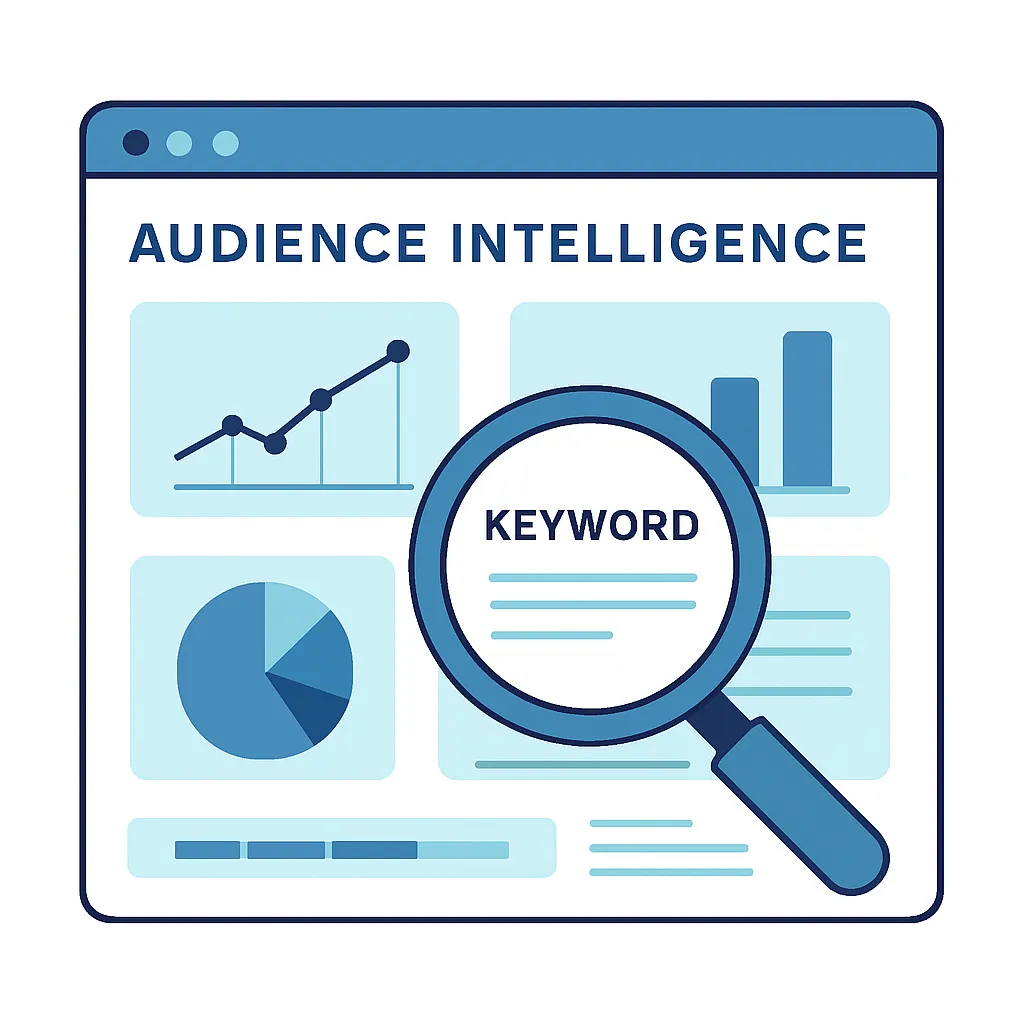
Traditional keyword research relies on third-party tools that estimate search volume and difficulty. Useful, but generic — every competitor sees the same data. Marketing automation gives you something competitors cannot copy: first-party behavioral data from your actual audience.
Consider what a mature automation setup captures:
- Email engagement data shows which subject lines and topics your subscribers open and click. High-engagement topics are strong candidates for pillar content.
- Lead form responses reveal the exact language prospects use to describe their problems, which often differs from the keywords marketers assume.
- Behavioral tracking shows which pages a lead visits before converting, exposing the real search intent behind your highest-value traffic.
- Lead scoring patterns identify which content topics correlate with sales-qualified leads, not just raw traffic.
This data transforms keyword strategy from guesswork into evidence. Instead of chasing high-volume keywords that attract the wrong visitors, you target the queries that your automation data proves lead to revenue.
A practical example: a B2B software company noticed through automation reports that leads who read articles about "data migration checklist" converted at three times the rate of leads from broader topics. They built a content cluster around migration-related queries, and within six months that cluster drove a disproportionate share of qualified pipeline. No third-party keyword tool would have surfaced that insight.
The takeaway is simple: mine your automation platform for topic and language data before you open a keyword tool. Your subscribers are telling you what to rank for.
3. Stronger internal linking and site architecture
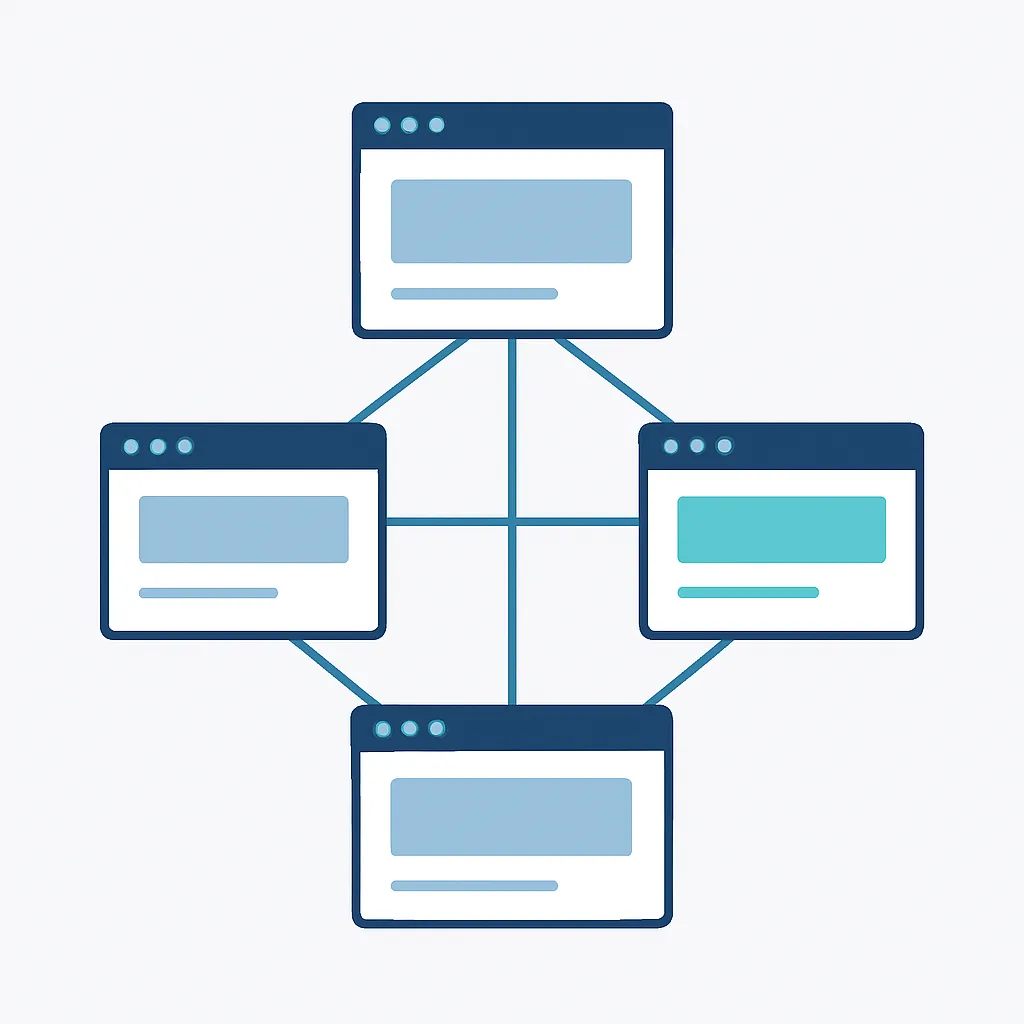
Internal linking is one of the most underused levers in SEO. It distributes authority across your site, helps search engines understand topical relationships, and guides visitors deeper into your content. It is also tedious to maintain manually, which is why most sites do it poorly.
Automation changes the economics of internal linking in several ways:
- Content audits on autopilot. Automated crawls flag orphan pages — pages with no internal links pointing to them — so nothing valuable sits invisible to search engines.
- Dynamic related-content modules surface contextually relevant articles on every page, creating fresh internal links automatically as your library grows.
- Personalized content recommendations powered by behavioral data keep visitors moving through your site, increasing pages per session and reducing bounce-backs to search results.
Site architecture benefits, too. Automation platforms reveal the actual paths users take through your site. When the data shows visitors consistently jumping from a blog post to a pricing page, you can formalize that path with deliberate linking and clear calls to action. When the data shows a dead end, you fix it.
The SEO payoff is twofold. Search engines crawl and index your content more efficiently because every page is reachable through logical link paths. And users engage more deeply, sending positive behavioral signals back to search engines. For teams that want expert help structuring this, a dedicated SEO service can audit your architecture and build an internal linking system that scales with your content.
4. Always-on technical SEO monitoring
Technical SEO problems rarely announce themselves. A deployment breaks canonical tags, a plugin update slows page speed, a redirect chain quietly forms — and rankings erode for weeks before anyone notices. Manual monthly audits catch these issues too late.
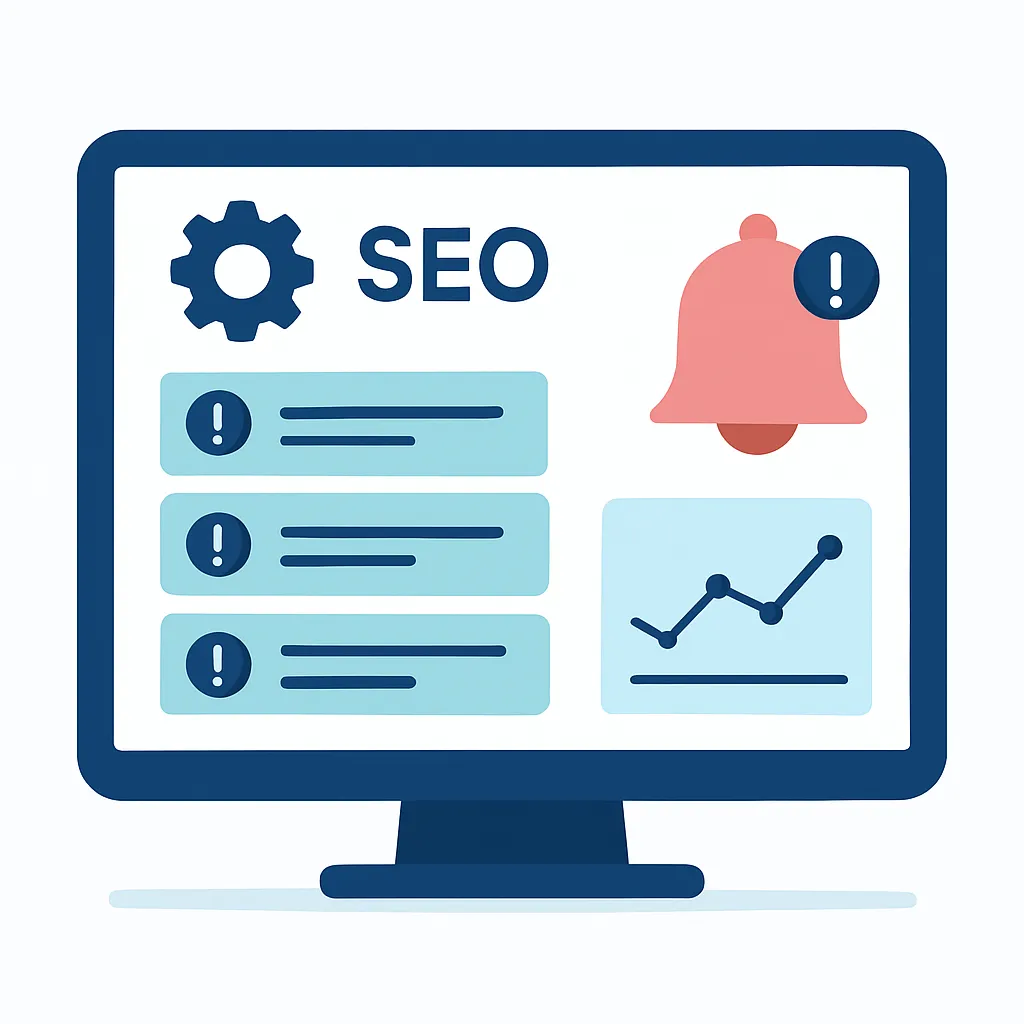
Automation closes that gap with continuous monitoring:
- Scheduled crawls detect broken links, missing meta tags, duplicate content, and indexation errors within hours instead of weeks.
- Performance alerts notify your team when Core Web Vitals degrade, so speed regressions get fixed before they affect rankings.
- Rank tracking automation flags significant position changes on priority keywords, separating normal fluctuation from genuine problems.
- Uptime and error monitoring catches server issues and spikes in 404s or 5xx errors that damage crawl efficiency.
The tangible impact here is risk reduction. SEO gains take months to build and days to lose. A site that catches a noindex tag accidentally deployed to production within an hour suffers almost no damage. A site that finds it during next quarter's audit may lose months of organic revenue.
There is also a resourcing benefit. When monitoring runs automatically, your team's limited hours go toward improvements — better content, faster pages, stronger links — rather than firefighting and manual checks. Over a year, that reallocation of effort is often the difference between a stagnant organic channel and a growing one.
Set up monitoring once, define sensible alert thresholds, and route notifications to a channel your team actually watches. It is one of the highest-leverage automation projects in all of SEO.
5. Better engagement signals through lead nurturing
Search engines pay attention to how users interact with your site. While the exact weighting is debated, the pattern is clear: pages that satisfy visitors — long dwell time, return visits, low pogo-sticking — tend to hold and improve rankings, while pages that disappoint tend to slide.
Lead nurturing automation directly improves these signals:
- Returning visitors. Email sequences that bring subscribers back to new and updated content generate repeat visits, a strong indicator of a trusted brand and site.
- Branded search growth. Consistent nurturing keeps your brand top of mind, which increases branded searches over time. Growing branded search volume is one of the clearest signals of brand authority.
- Deeper sessions. Personalized recommendations based on a contact's history guide them to genuinely relevant pages, increasing session depth naturally rather than through clickbait.
- Reduced reliance on cold traffic. A nurtured audience shares, links to, and references your content more often than strangers do, seeding the organic mentions and backlinks that fuel rankings.
This is the most indirect of the five impacts, but arguably the most durable. Algorithms change, but a loyal audience that searches for you by name, returns to your site weekly, and cites your content is an asset no update can take away.
The practical move: stop treating your email list as a sales channel only. Use automation to consistently deliver your best content to subscribers, and you will strengthen the engagement and brand signals that underpin long-term organic visibility.
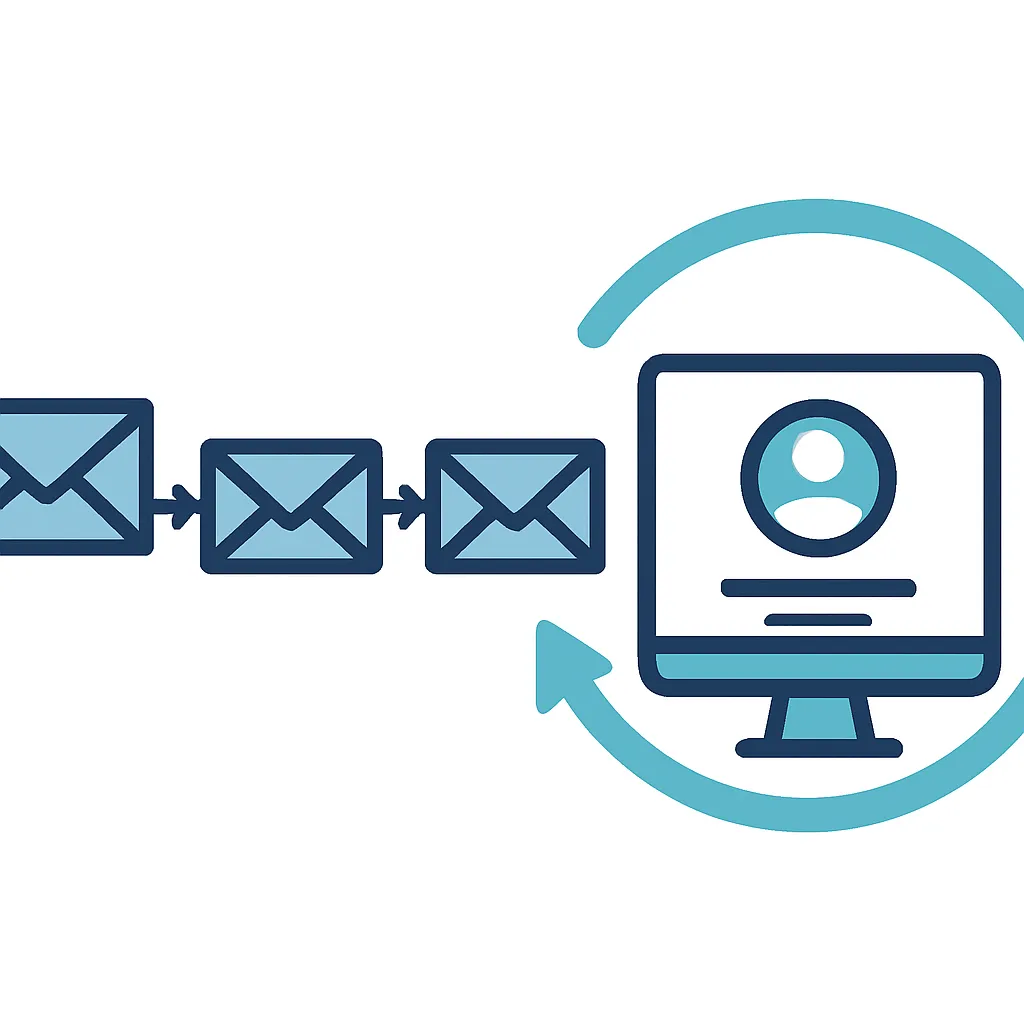
How to connect automation and SEO in your business
If you want to put these five impacts to work, follow this sequence:
- Audit your data first. Pull six months of email engagement and lead behavior reports. Identify your three highest-converting topics.
- Build one content cluster around the strongest topic, with a pillar page and supporting articles linked deliberately.
- Automate distribution so every new piece reaches your list and social channels on publish day.
- Set up continuous technical monitoring with alerts for crawl errors, speed regressions, and ranking drops.
- Launch one nurture sequence that re-engages past visitors with your best content, then measure return visits and branded search growth quarterly.
Each step is small enough to ship within weeks, and together they create a system where automation feeds SEO and SEO feeds automation. If you would rather have specialists design and run that system, the team at ZoneTechify builds integrated SEO and automation programs for businesses of every size.
Final thoughts
Marketing automation impacts SEO through five tangible mechanisms: faster content production, first-party keyword intelligence, stronger internal linking, always-on technical monitoring, and better engagement signals from nurtured audiences. None of these require massive budgets — they require connecting two functions that most companies keep apart.
Start with the impact that addresses your biggest current weakness. If you publish inconsistently, automate your content workflow. If your traffic converts poorly, mine your automation data for better keywords. Compounding begins the moment the two systems start talking to each other — and the businesses that connect them first are the ones competitors spend years trying to catch.