
A clear, people-first breakdown of today's AI compute policy news, covering regulation, data centers, global impact, and what it means for your business.
AI Compute Policy News Today
The conversation around artificial intelligence has shifted. It is no longer only about models, prompts, or which chatbot writes the best email. Today, the most important AI story is about compute the raw processing power that trains and runs every major model and the policies that govern who can access it. Governments, regulators, and industry leaders are racing to define rules for AI compute, and those rules will shape the next decade of innovation. This guide breaks down the latest AI compute policy news in plain language, explains why it matters, and shows how businesses can prepare. For more practical technology insights, you can also explore ZoneTechify and WebPeak.

What Is AI Compute Policy?
AI compute policy refers to the collection of laws, regulations, export controls, and voluntary commitments that determine how computing resources used for artificial intelligence are produced, distributed, and monitored. Compute includes the specialized chips (GPUs and AI accelerators), the data centers that house them, and the energy required to keep them running.
Why does this matter so much right now? Because training a frontier AI model can require tens of thousands of high-end chips running for weeks. That concentration of power has caught the attention of policymakers who want to ensure AI is developed safely, fairly, and without harming national security or the environment. Compute has effectively become a strategic resource, similar to oil or rare earth minerals.
The Three Pillars Regulators Focus On
Most current policy discussions center on three pillars:
- Access who is allowed to buy and use advanced AI chips.
- Transparency whether companies must report large training runs.
- Sustainability how the massive energy demand of compute is managed.
These pillars repeat across nearly every new proposal, even when the specific wording differs from one country to another.
The Current Regulatory Landscape
The global regulatory picture is fragmented but moving quickly. Different regions are taking noticeably different approaches, and businesses operating internationally must track all of them.
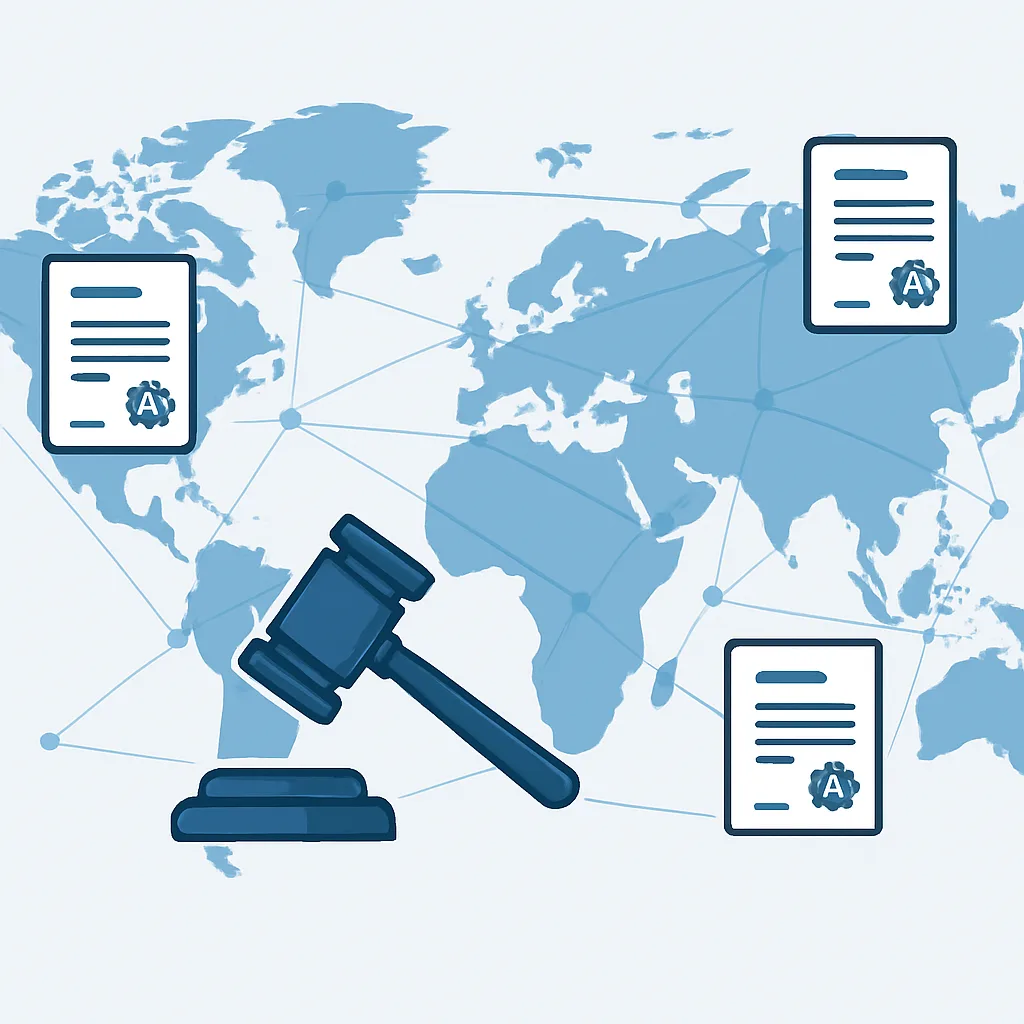
In many jurisdictions, lawmakers have introduced compute thresholds. The idea is simple: if a model is trained using more than a certain amount of computing power, it triggers extra reporting requirements, safety testing, or government notification. Below that threshold, smaller developers and startups face fewer obligations, which is meant to protect innovation while keeping the largest, most capable systems under closer review.
Export controls are another major theme. Several governments now restrict the sale of the most advanced AI chips to specific countries, treating cutting-edge semiconductors as items of national security importance. These controls ripple through the entire supply chain, affecting chip manufacturers, cloud providers, and the companies that rent compute capacity.
Why Thresholds Are Controversial
Not everyone agrees that compute thresholds are the right tool. Critics argue that raw compute is an imperfect proxy for risk a smaller, highly optimized model can sometimes outperform a larger one. Supporters counter that thresholds are easy to measure and enforce compared to vaguer standards. This debate is far from settled and will likely define policy revisions for years.
Data Centers Take Center Stage
Much of today's AI compute policy news focuses on the physical infrastructure behind AI: data centers. These facilities consume enormous amounts of electricity and water, and their rapid expansion has triggered both economic excitement and environmental concern.

Local governments are now weighing the benefits of new data center investment jobs, tax revenue, and infrastructure against the strain these facilities place on power grids and water supplies. Some regions have introduced requirements that new AI data centers use renewable energy or contribute to grid upgrades. Others offer incentives to attract these projects, viewing them as anchors of a modern digital economy.
This tension between growth and sustainability is producing creative policy solutions, including:
- Mandatory efficiency reporting for large facilities.
- Incentives tied to clean energy adoption.
- Heat-reuse programs that channel waste heat into nearby buildings.
- Water-recycling requirements in drought-prone areas.
For companies planning AI workloads, these rules can directly affect where compute is cheapest and most reliable to access.
Global Impact and the Compute Divide
One of the most significant themes in recent policy news is the emerging compute divide. Just as the world once worried about a digital divide in internet access, experts now warn about unequal access to AI compute.

Nations and companies with abundant compute can train better models, attract talent, and dominate key industries. Those without it risk falling behind. In response, several governments have launched national compute initiatives public investments in supercomputing clusters designed to give researchers, universities, and startups access to resources they could not otherwise afford.
These public compute programs aim to democratize access and reduce dependence on a handful of private providers. They also reflect a broader recognition that AI capability is becoming a measure of economic and geopolitical strength. The policies emerging today will influence which regions lead and which follow for decades to come.
What This Means for Smaller Players
The good news for small and mid-sized businesses is that not everyone needs frontier-scale compute. Most practical AI applications customer support automation, content generation, data analysis run comfortably on widely available cloud resources. The policies targeting massive training runs rarely affect everyday business use. Understanding where your needs fall on this spectrum is key to staying compliant without overcomplicating your strategy.
How Businesses Should Respond
Policy news can feel abstract, but it has real, practical consequences for any organization using or planning to use AI. The good news is that thoughtful preparation goes a long way.

Start by mapping your AI dependencies. Know which providers supply your compute, where their data centers are located, and whether any export controls or regional rules could affect your access. Diversifying providers can reduce risk if one region tightens its policies.
Next, build compliance awareness into your workflow. If your organization trains or fine-tunes large models, track the compute you use so you can respond quickly if reporting requirements apply to you. For most businesses that simply consume AI through APIs, the burden is far lighter but documentation and transparency are still smart habits.
Finally, treat sustainability as a strategic advantage rather than a checkbox. As energy-related policies tighten, choosing efficient, clean-powered compute can lower costs and strengthen your brand reputation. Partnering with experienced teams can simplify this process; specialized artificial intelligence services can help you adopt AI responsibly while staying aligned with evolving rules.
A Simple Readiness Checklist
| Action | Priority | Difficulty |
|---|---|---|
| Map your compute and provider dependencies | High | Low |
| Track large training runs and usage | Medium | Medium |
| Diversify cloud and chip providers | High | Medium |
| Prioritize clean-energy compute | Medium | Medium |
| Stay updated on regional regulations | High | Low |
This kind of lightweight planning helps you stay agile no matter how the policy landscape shifts.
What to Watch Next
The pace of AI compute policy is accelerating, and several trends are worth monitoring closely in the months ahead.

Expect more international coordination. Because compute supply chains cross borders, governments are increasingly trying to align their rules to avoid loopholes and reduce friction. At the same time, watch for sharper debates over how to measure AI capability some experts want to move beyond simple compute thresholds toward more nuanced risk assessments.
Energy policy will remain front and center. As AI demand grows, the link between compute and electricity grids will only tighten, pushing more rules around efficiency, renewable sourcing, and grid stability. Finally, anticipate continued public investment in shared compute infrastructure as nations work to keep AI access broad and competitive.
For businesses, the practical takeaway is steady: stay informed, stay flexible, and build responsible AI practices now rather than scrambling later. Trusted partners like ZoneTechify and WebPeak can help you navigate these changes with confidence.
Key Takeaways
AI compute policy has moved from a niche technical concern to a central issue shaping the future of technology, business, and global competition. Here is what to remember:
- Compute is strategic. The chips, data centers, and energy behind AI are now treated as critical resources.
- Regulation is fragmented but tightening. Compute thresholds, export controls, and reporting rules vary by region and change often.
- Infrastructure matters. Data center energy and water use are driving new sustainability requirements.
- Access is unequal. A growing compute divide is prompting public investment to level the field.
- Preparation pays off. Mapping dependencies, tracking usage, and choosing clean compute keep businesses resilient.
The organizations that thrive will be those that treat policy awareness as part of their AI strategy not an afterthought. By staying informed and building responsible practices today, you position your business to adapt smoothly as the rules continue to evolve. Keep following the latest AI compute policy news, and you will always be one step ahead.