
Learn how AI-powered content generators with built-in compliance checks help teams produce accurate, on-brand, and legally safe content at scale.
AI-Powered Content Generators with Built-in Compliance Checks
Content teams are under more pressure than ever. They are expected to publish faster, stay perfectly on-brand, and avoid legal or regulatory missteps that could damage a company overnight. Traditional writing tools were never built for this reality. That is exactly why AI-powered content generators with built-in compliance checks are becoming essential infrastructure for modern marketing, legal, and product teams.
These platforms do far more than spin out paragraphs. They combine generative AI with automated guardrails that scan every draft against your brand rules, industry regulations, and tone guidelines before a single word goes live. The result is content that is fast to create and safe to publish. In this guide, we break down how this technology works, why compliance matters, and how to choose the right solution for your organization.

What Are AI-Powered Content Generators?
An AI content generator uses large language models to produce written material from a prompt. You describe what you need, such as a blog post, product description, email, or social caption, and the model drafts it in seconds. The best tools learn your voice, adapt to different formats, and scale output across dozens of channels at once.
For most businesses, the appeal is obvious: speed and consistency. A single writer can now produce in an afternoon what once took a week. Agencies like ZoneTechify and platforms such as WebPeak have shown how AI-assisted workflows can dramatically increase output without sacrificing quality, as long as the right controls are in place.
But raw speed creates a new problem. When you publish content at scale, every mistake also scales. A misleading health claim, an off-limits financial promise, or an unapproved brand statement can multiply across hundreds of pages before anyone notices. This is where compliance checks change everything.
Why Built-in Compliance Checks Matter
Compliance is no longer a back-office concern. Regulators in finance, healthcare, insurance, and advertising now actively monitor digital content. A single non-compliant phrase can trigger fines, takedown notices, or reputational harm. Manual review simply cannot keep pace with AI-speed publishing.
Built-in compliance checks solve this by embedding the review step directly into the generation process. Instead of writing first and reviewing later, the system validates content as it is created. If a draft violates a rule, the tool flags it, explains why, and often suggests a compliant alternative.

This shift from reactive to proactive review is the single biggest advantage of these platforms. It moves compliance from a bottleneck at the end of the pipeline to an automatic safeguard at every stage.
Common Compliance Rules These Tools Enforce
- Regulatory language for finance, healthcare, and legal sectors
- Brand voice and terminology approved by your marketing team
- Accessibility standards such as plain-language and reading-level targets
- Data privacy rules including GDPR and CCPA references
- Claim substantiation, flagging unverified statistics or promises
How the Technology Works
Understanding the workflow helps you trust the output. Most AI-powered content generators with built-in compliance checks follow a clear, repeatable pipeline that blends creativity with control.
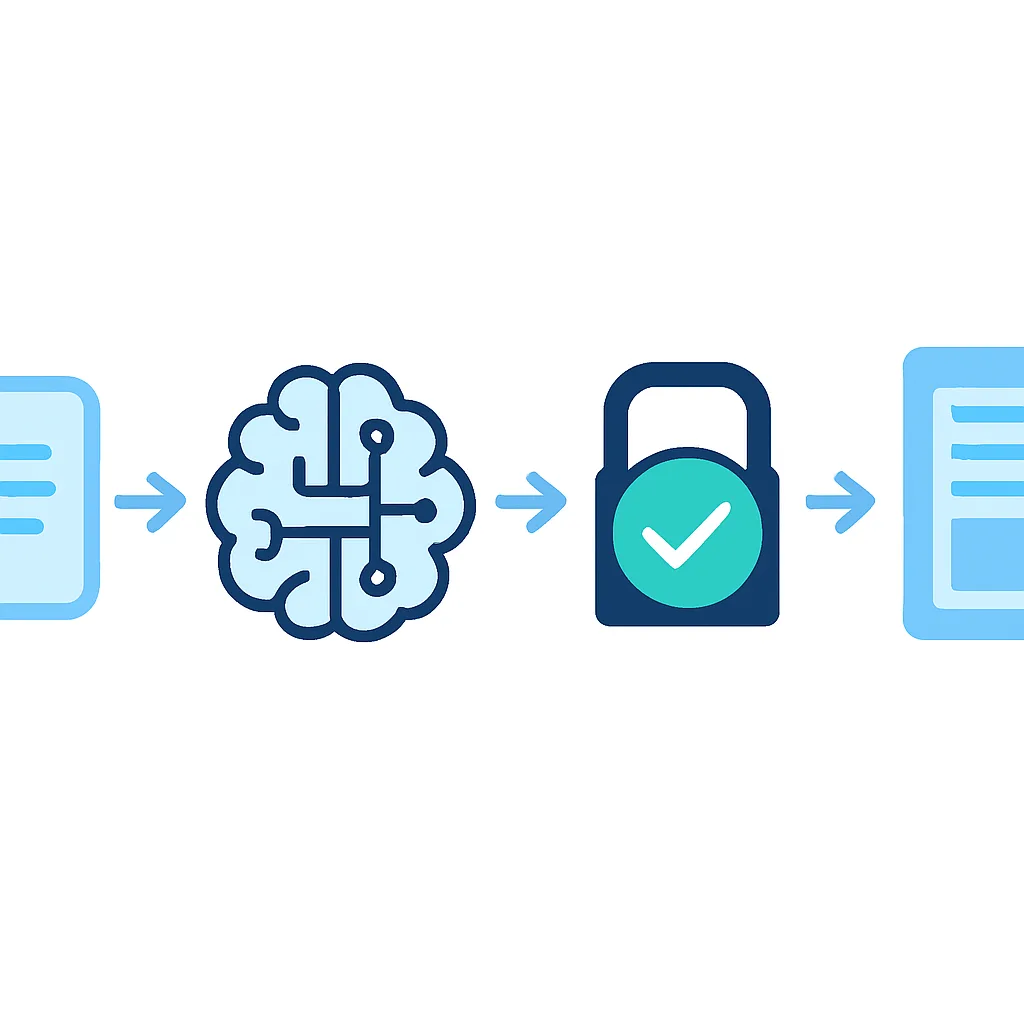
First, the user submits a prompt with context such as audience, format, and goal. The model then drafts the content. Next, a separate compliance layer scans the draft against a configurable rule set. Finally, the system either approves the content, flags issues for human review, or auto-corrects minor problems. Each step is logged, creating an audit trail that legal and compliance teams genuinely appreciate.
The compliance layer typically uses a combination of pattern matching, classification models, and custom rule engines. You can usually load your own policy documents, banned-word lists, and style guides so the checks reflect your specific obligations rather than generic defaults.
Key Features to Look For
Not all platforms are created equal. When evaluating tools, focus on the features that protect your brand while keeping writers productive.

| Feature | Why It Matters | Priority |
|---|---|---|
| Custom rule engine | Reflects your real policies, not generic defaults | High |
| Real-time flagging | Catches issues before publishing | High |
| Audit trail | Proves due diligence to regulators | High |
| Brand voice training | Keeps every output on-brand | Medium |
| Multi-language support | Scales compliance globally | Medium |
| Human-in-the-loop review | Adds oversight for sensitive content | High |
A strong content generator should also integrate with your existing stack, from your CMS to your project management tools. If you are building a broader content engine, professional content writing services can help you define the editorial standards these tools enforce, ensuring the AI has clear rules to follow.
Data Privacy and Security Considerations
When you feed prompts and documents into an AI system, you are sharing data. For regulated industries, where that data goes matters enormously. Reputable platforms encrypt content in transit and at rest, offer regional data residency, and let you control whether your inputs are used to train future models.

Before adopting any tool, confirm its certifications and policies. Look for SOC 2 compliance, clear data-handling terms, and the ability to delete data on request. The whole point of compliance-focused content tools is to reduce risk, so the platform itself must hold the same standards it enforces on your writing.
For organizations exploring deeper automation, specialized AI services from WebPeak can help integrate these compliance-aware models securely into custom workflows, dashboards, and internal tools.
Real Business Benefits
The combination of generative speed and automated compliance delivers measurable value across the organization. Teams report faster turnaround, fewer revisions, and far lower legal exposure.

- Faster production: Drafts are ready in seconds, not hours.
- Lower risk: Automated checks catch violations humans miss.
- Consistent branding: Every output follows the same approved voice.
- Reduced costs: Less manual review and fewer compliance fixes.
- Scalable output: Publish across markets without adding headcount.
For regulated industries, the risk reduction alone often justifies the investment. A single avoided penalty can outweigh years of subscription costs. For fast-growing brands, the productivity gains let small teams compete with much larger competitors.
Best Practices for Implementation
Technology only delivers results when it is rolled out thoughtfully. To get the most from AI-powered content generators with built-in compliance checks, follow a few proven practices.
Start by documenting your rules clearly. The AI can only enforce what you define, so invest time in building accurate brand and regulatory guidelines. Next, keep humans in the loop for high-stakes content. Automation handles the bulk of the work, but sensitive material still benefits from expert eyes.
Then, train your team. Writers need to understand why content gets flagged and how to respond, so compliance becomes a shared habit rather than a frustrating obstacle. Finally, review your rule sets regularly. Regulations evolve, brands reposition, and your guardrails should keep pace.
A Simple Rollout Checklist
- Audit your current content and compliance gaps.
- Define and upload your rules, banned terms, and style guide.
- Run a pilot with one team or content type.
- Measure speed, error rates, and revision counts.
- Expand gradually and refine rules based on real results.
Who Benefits Most From These Tools
While almost any content team gains value, certain organizations see outsized returns. Financial services firms, healthcare providers, insurance companies, and pharmaceutical brands all operate under strict rules where a single error carries heavy consequences. For them, compliance automation is not a luxury but a necessity.
Marketing agencies also benefit enormously. Managing content for many clients means juggling many rule sets, and automated checks prevent cross-client mistakes. Meanwhile, e-commerce brands use these tools to ensure product claims stay accurate and legally defensible across thousands of listings.
The Future of Compliant AI Content
The technology is advancing quickly. Future systems will offer even tighter integration between generation and verification, with real-time regulatory updates pulled directly from official sources. We will likely see models that explain their compliance reasoning in plain language and adapt automatically to new laws as they pass.

We can also expect deeper personalization, where the same compliant message is tailored to different audiences without ever breaking the rules. As trust in these systems grows, more of the review burden will shift safely to automation, freeing human experts to focus on strategy and creativity rather than line-by-line checking.
Final Thoughts
AI-powered content generators with built-in compliance checks represent a genuine turning point for content operations. They resolve the long-standing tension between speed and safety, letting teams publish quickly without exposing themselves to legal or brand risk. Instead of choosing between fast and compliant, you finally get both.
The key is to treat these tools as partners, not replacements. Clear rules, thoughtful human oversight, and regular reviews turn powerful technology into a reliable, repeatable system. As regulations tighten and content demands rise, organizations that adopt compliance-aware AI early will hold a durable advantage.
Whether you are a regulated enterprise or a scaling startup, now is the time to evaluate how this technology fits your workflow. With the right platform and the right guardrails, you can create more content, more confidently, than ever before.