Is digital marketing legit? Yes — this guide covers real ROI data, scam red flags, and a practical checklist for choosing a trustworthy marketing agency.
Is Digital Marketing Legit
Type the phrase into any search bar and you will find thousands of people asking the same thing. The doubt is understandable. For every genuine agency delivering measurable growth, there is a self-proclaimed guru selling a course that promises overnight riches. After more than a decade helping businesses build online visibility at ZoneTechify, we have seen both sides: campaigns that tripled revenue and victims of schemes dressed up as marketing. This guide separates the legitimate industry from the noise, using real data, industry benchmarks, and practical checklists so you can make a confident decision about where to invest your money or your career.
Quick Answer: Yes, digital marketing is a legitimate, data-driven industry worth over 700 billion dollars in annual ad spend. Real digital marketing uses measurable channels like SEO, paid ads, and email to generate trackable revenue. The scams people encounter are pyramid schemes and fake gurus misusing the term, not the industry itself.

What Is Digital Marketing, Exactly?
Digital marketing is the practice of promoting products or services through online channels such as search engines, social media, email, and websites, with results measured through data like traffic, leads, and sales. That definition matters, because the measurability is what separates it from vague promotion. Every dollar spent on a legitimate campaign can be traced to an outcome: a click, a form submission, a purchase.
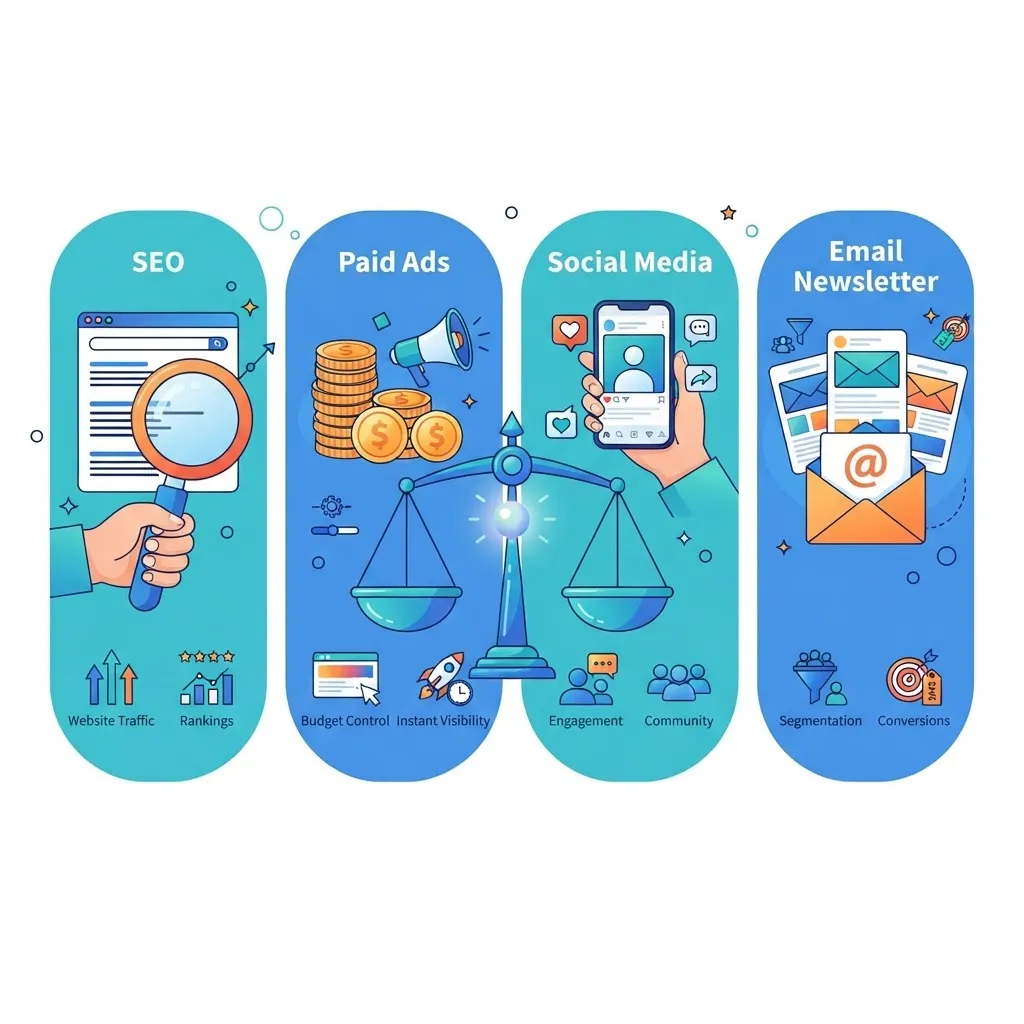
The core disciplines include search engine optimization (SEO), pay-per-click advertising (PPC), content marketing, email marketing, and social media marketing. Each one has established best practices, professional certifications, and decades of documented case studies. Google, Meta, and HubSpot all run formal certification programs — something no fraudulent industry maintains.
Why Do People Question Whether Digital Marketing Is Legit?
The skepticism usually comes from three specific sources, and naming them helps you avoid each one.
- Multi-level marketing schemes frequently rebrand themselves as digital marketing opportunities. Recruiting friends to sell products is MLM, not marketing.
- Fake gurus sell expensive courses promising passive income with screenshots of rented Lamborghinis as proof. Selling the dream of marketing is not the same as practicing it.
- Bad agency experiences where a business paid monthly retainers and received no reports, no strategy, and no results.
None of these represent the actual profession — but they dominate the negative stories people share online, which fuels the doubt behind this search query.
How Legitimate Digital Marketing Actually Works
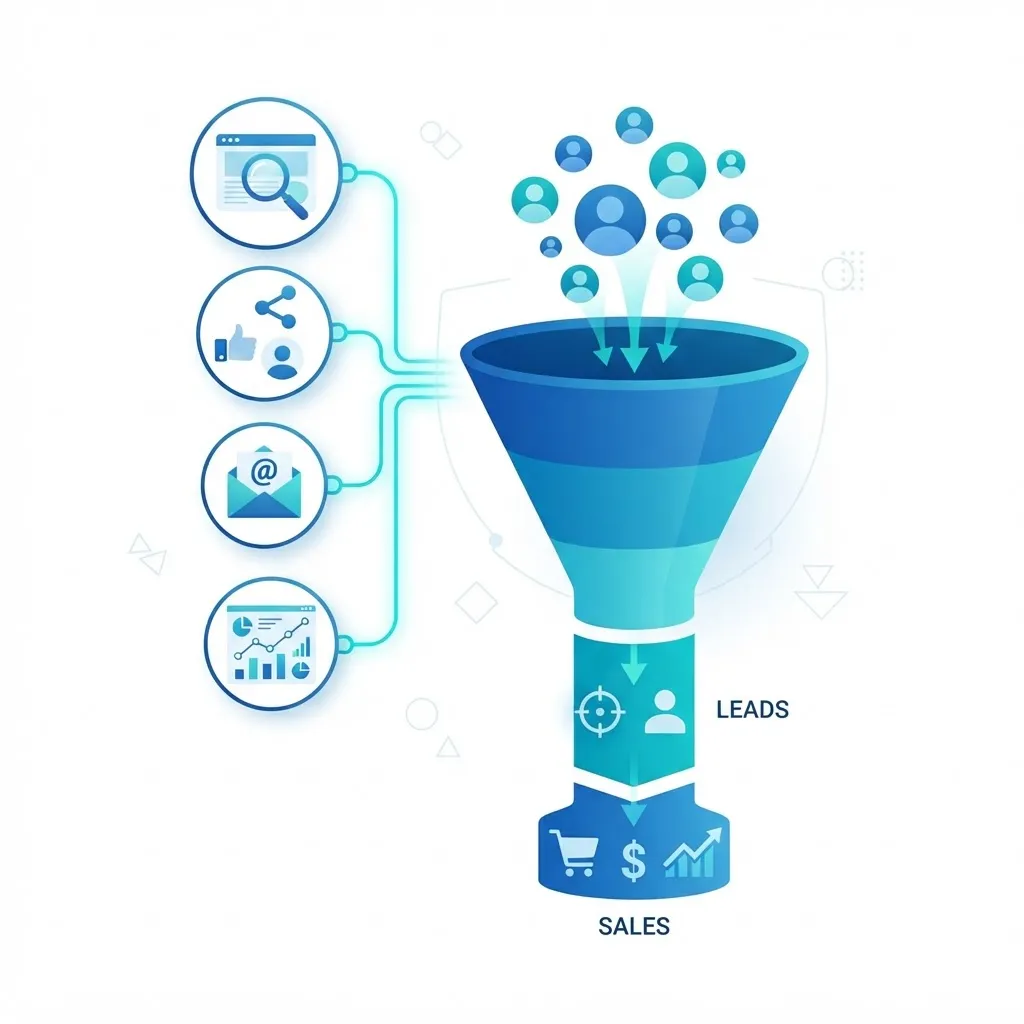
A real campaign follows a documented, repeatable process. If a provider cannot explain each of these stages, that is your first warning sign.
- Research: Analyzing your audience, competitors, and keywords before spending anything.
- Strategy: Selecting channels based on where your customers actually are, not where trends point.
- Execution: Building landing pages, publishing content, launching ad campaigns, and sending email sequences.
- Measurement: Tracking every action through tools like Google Analytics 4 and ad platform dashboards.
- Optimization: Cutting what underperforms and scaling what converts, month after month.
The key insight from running hundreds of these campaigns: legitimate marketing compounds. SEO traffic built in month three keeps producing leads in month twelve. Scams, by contrast, always demand more money to sustain any result at all.
The Data: Does Digital Marketing Really Deliver Results?
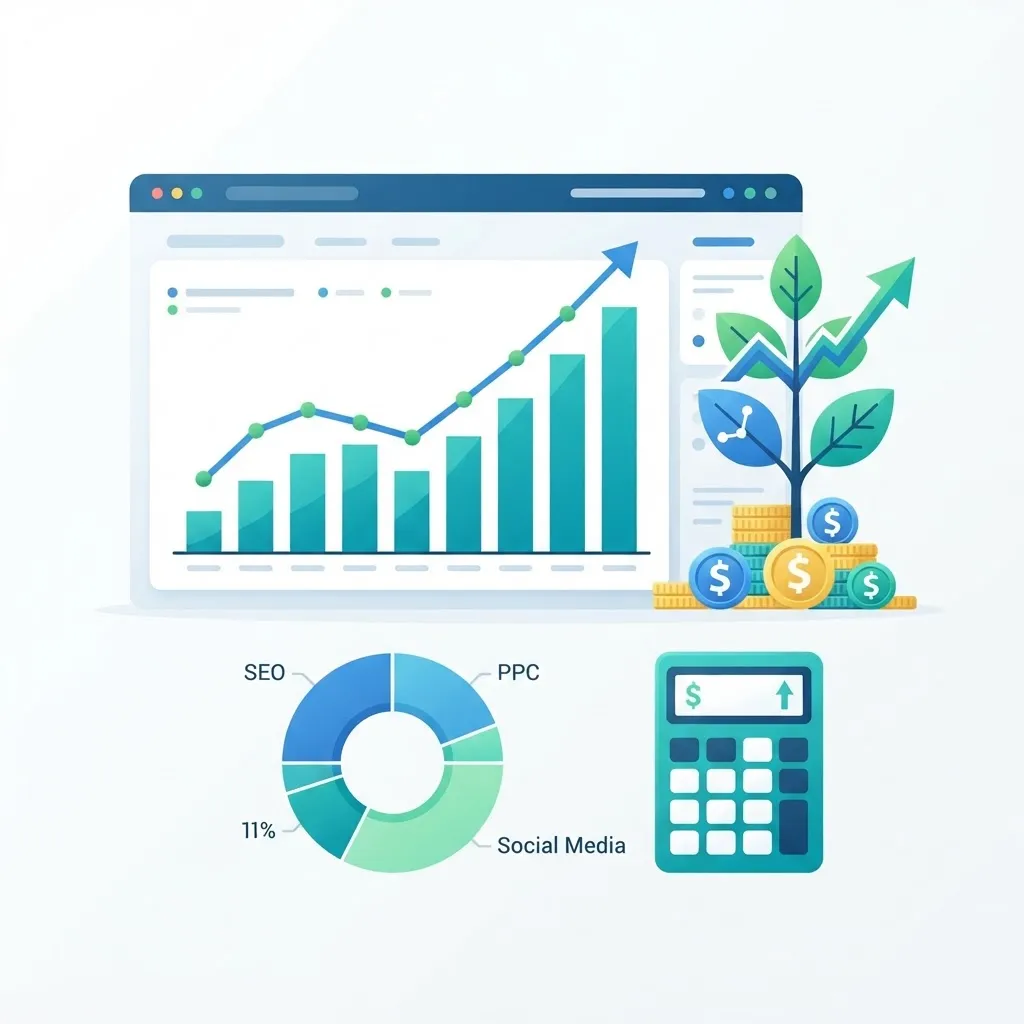
The numbers behind the industry are public and independently verified. According to Statista, global digital advertising spend surpassed 740 billion dollars in 2024 — businesses do not collectively invest at that scale in something that fails to work. According to Litmus research, email marketing returns an average of 36 dollars for every 1 dollar spent, making it one of the highest-ROI channels ever measured.
Performance also depends on fundamentals many businesses ignore. According to Google, 53% of mobile visitors abandon a site that takes longer than three seconds to load, which is why serious agencies audit site speed before running a single ad. These are citable, testable facts — and that testability is the strongest evidence of legitimacy. You can run a 500-dollar pilot campaign, measure the cost per lead, and verify the results yourself within thirty days.
Legitimate Marketing vs. Scam: A Side-by-Side Comparison
Use this table as a quick reference whenever you evaluate an offer, agency, or course.
| Factor | Legitimate Digital Marketing | Scam or Scheme |
|---|---|---|
| Income promise | Realistic, tied to measurable KPIs | Guaranteed riches, fast and effortless |
| Reporting | Transparent monthly analytics | Vague claims, no dashboards |
| Revenue source | Client results and sales | Recruiting others or selling courses |
| Contracts | Clear scope, exit terms | Pressure tactics, pay-upfront-forever |
| Proof | Case studies with real data | Lifestyle photos and testimonials only |
| Certifications | Google, Meta, HubSpot credentials | Self-issued or none |
If an opportunity lands in the right-hand column on two or more rows, walk away.
7 Red Flags That Signal a Digital Marketing Scam
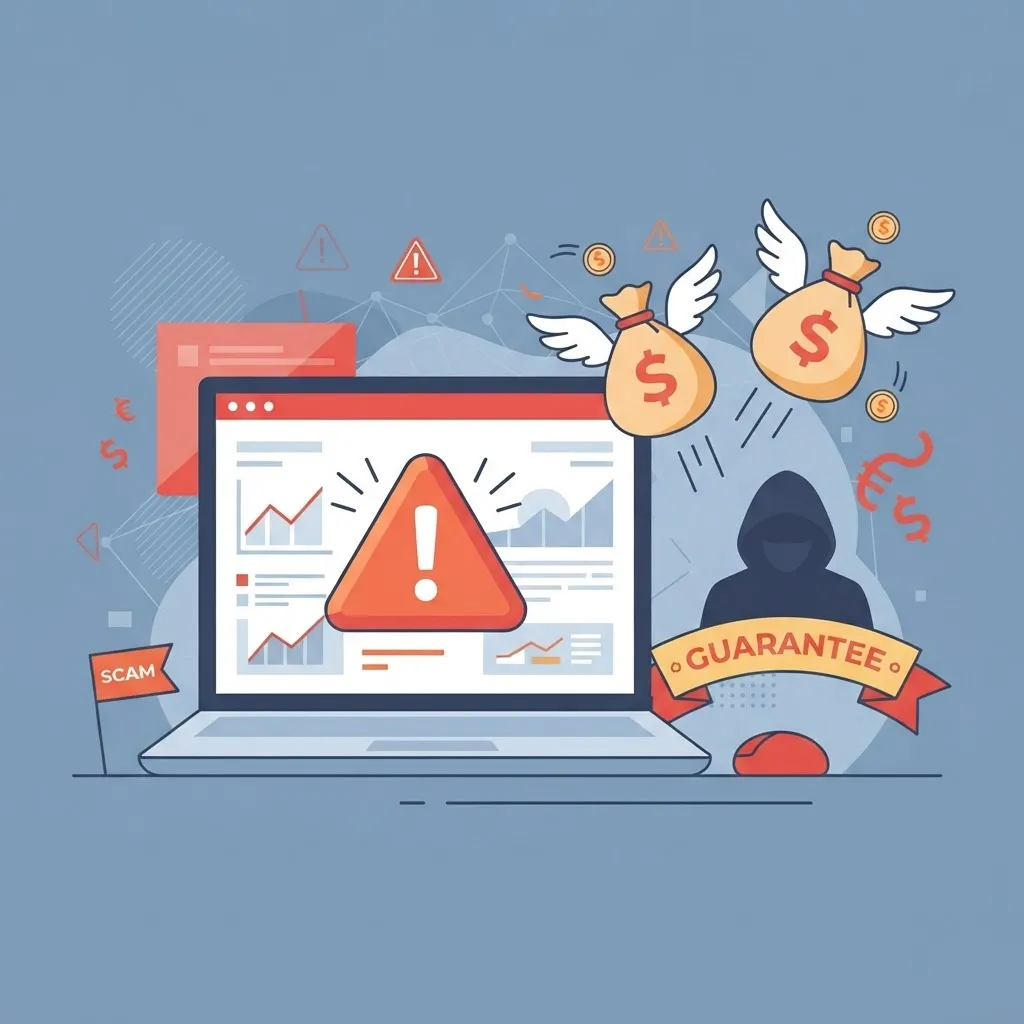
After reviewing dozens of failed engagements businesses brought to us for rescue, these are the warning signs that appeared most often:
- Guaranteed #1 Google rankings. No honest provider can guarantee rankings, because Google's algorithm is outside anyone's control.
- No written strategy or scope. Legitimate work begins with a documented plan you can read before paying.
- Refusal to share account access. You should own your ad accounts, analytics, and website — always.
- Income depends on recruiting. If earnings come from bringing in new members, it is a pyramid structure, not marketing.
- Pressure to decide today. Real agencies let proposals breathe; scammers manufacture urgency.
- No measurable KPIs. Every legitimate campaign defines success in numbers before launch.
- Results shown only as lifestyle imagery. Screenshots of cars and beaches are not analytics reports.
Memorize the first four. In our experience, they catch more than 90% of fraudulent offers before any money changes hands.
How to Choose a Legitimate Digital Marketing Partner

Vetting an agency takes about an hour and can save you thousands. Work through this checklist:
- Ask for two client references in an industry similar to yours, and actually call them.
- Request a sample report so you know exactly what transparency looks like before signing.
- Verify certifications through the Google Partners directory and Meta Business Partner listings.
- Confirm account ownership in writing: your domain, your ad accounts, your data.
- Start with a defined pilot — one channel, one goal, ninety days — before committing to a long retainer.
A trustworthy partner will welcome every one of these requests. At ZoneTechify, our digital marketing services are built around exactly this kind of transparency, because informed clients make the best long-term partners. Teams like WebPeak follow the same principle: strategy first, reporting always, and no lock-in contracts designed to trap you.
Is Digital Marketing a Legit Career?

Yes — and the career path is more structured than most people assume. The U.S. Bureau of Labor Statistics projects continued growth for marketing roles through the decade, driven by businesses shifting budgets from traditional to digital channels. Entry points include SEO specialist, PPC analyst, content strategist, and email marketing manager, with salaries that scale meaningfully as you develop measurable skills.
What makes the career legitimate is the same thing that makes the industry legitimate: accountability. A PPC analyst can point to the exact revenue their campaigns generated. That measurability protects skilled practitioners — your results speak in numbers, not promises. The trap to avoid is paying thousands for guru courses; free certifications from Google Skillshop and HubSpot Academy teach the same fundamentals employers actually check for.
Key Takeaways
- Digital marketing is a legitimate industry with over 740 billion dollars in annual global ad spend (Statista, 2024).
- Email marketing averages a 36:1 return on investment, per Litmus research.
- According to Google, 53% of mobile users abandon sites loading slower than three seconds — fundamentals drive results.
- Scams reveal themselves through guaranteed rankings, recruitment-based income, and missing reports.
- A 90-day pilot campaign with defined KPIs is the safest way to verify any provider.
- Free certifications from Google and HubSpot are the legitimate entry point into a marketing career.
Frequently Asked Questions
Is digital marketing legit or a scam?
Digital marketing itself is completely legitimate — it is a measurable industry backed by hundreds of billions in annual spend. The scams people encounter are pyramid schemes and fake guru courses that borrow the label. Judge any offer by its transparency: real marketing always comes with data, reports, and realistic expectations.
Can you really make money with digital marketing?
Yes, both as a business and as a professional. Businesses earn through measurable returns — email marketing alone averages 36 dollars back per dollar spent. Professionals earn competitive salaries in roles like SEO specialist or PPC analyst. What you cannot do is earn passive riches overnight, which is what scammers promise.
How do I know if a digital marketing agency is legitimate?
Check for verifiable client references, sample analytics reports, and official certifications like Google Partner status. A legitimate agency puts strategy in writing, gives you ownership of your ad accounts and data, and never guarantees specific rankings. If they resist any of these requests, look elsewhere immediately.
Why does digital marketing have a bad reputation?
The reputation problem comes from MLM schemes rebranding as marketing opportunities and social media gurus selling overpriced courses with fake income claims. These operations are loud and visible, while legitimate agencies quietly deliver results. The profession itself follows documented, certifiable practices used by every major brand worldwide.
Is digital marketing worth it for small businesses?
Yes, often more than for large companies, because digital channels let small budgets target precisely. A local business can start with a few hundred dollars, track cost per lead from day one, and scale only what works. Start with one channel, set clear KPIs, and measure everything for ninety days.
The Final Verdict
Digital marketing is legit — the evidence sits in public spend data, verifiable ROI benchmarks, and millions of documented campaigns. The doubt surrounding it is really doubt about bad actors exploiting the name. Armed with the red flags and checklist above, you can confidently tell the difference and put this proven discipline to work for your business or your career.