A clear, expert breakdown of the TRIOS 5 AI features and how ScanAssist artificial intelligence makes intraoral scanning faster, more accurate, and easier.
TRIOS 5 AI Features ScanAssist Artificial Intelligence
The 3Shape TRIOS 5 has quietly become one of the most talked-about intraoral scanners in modern dentistry, and the reason is not just its wireless design or lightweight body. The real story is the artificial intelligence packed inside it. At the center of that intelligence sits ScanAssist, a feature that changes how clinicians capture digital impressions. After working alongside dental teams adopting digital workflows, I have seen firsthand how AI-driven scanning removes the guesswork that used to slow down chairside appointments. This guide breaks down the TRIOS 5 AI features, explains exactly how ScanAssist works, and shows why it matters for real practices.
Quick Answer: The TRIOS 5 uses artificial intelligence, led by ScanAssist, to automatically align scans, fill gaps, detect margins, and measure shade in real time. This means faster, more accurate digital impressions with fewer rescans, less operator dependence, and a smoother chairside experience for both dentists and patients.
What Is ScanAssist in TRIOS 5?
ScanAssist is an AI-powered scanning engine that helps the TRIOS 5 intelligently stitch, align, and complete a digital impression as you scan. Instead of relying purely on the operator's speed and technique, the software uses machine learning to recognize anatomy, predict where data belongs, and reconstruct the model accurately even when scanning conditions are less than perfect.
In traditional intraoral scanning, alignment errors were common. A slight jump, a reflective surface, or a re-scan over an existing area could cause the software to misplace data and create a distorted model. ScanAssist reduces this by continuously interpreting what it sees and correcting on the fly. The result is a workflow that feels forgiving rather than fragile.
How ScanAssist Artificial Intelligence Actually Works
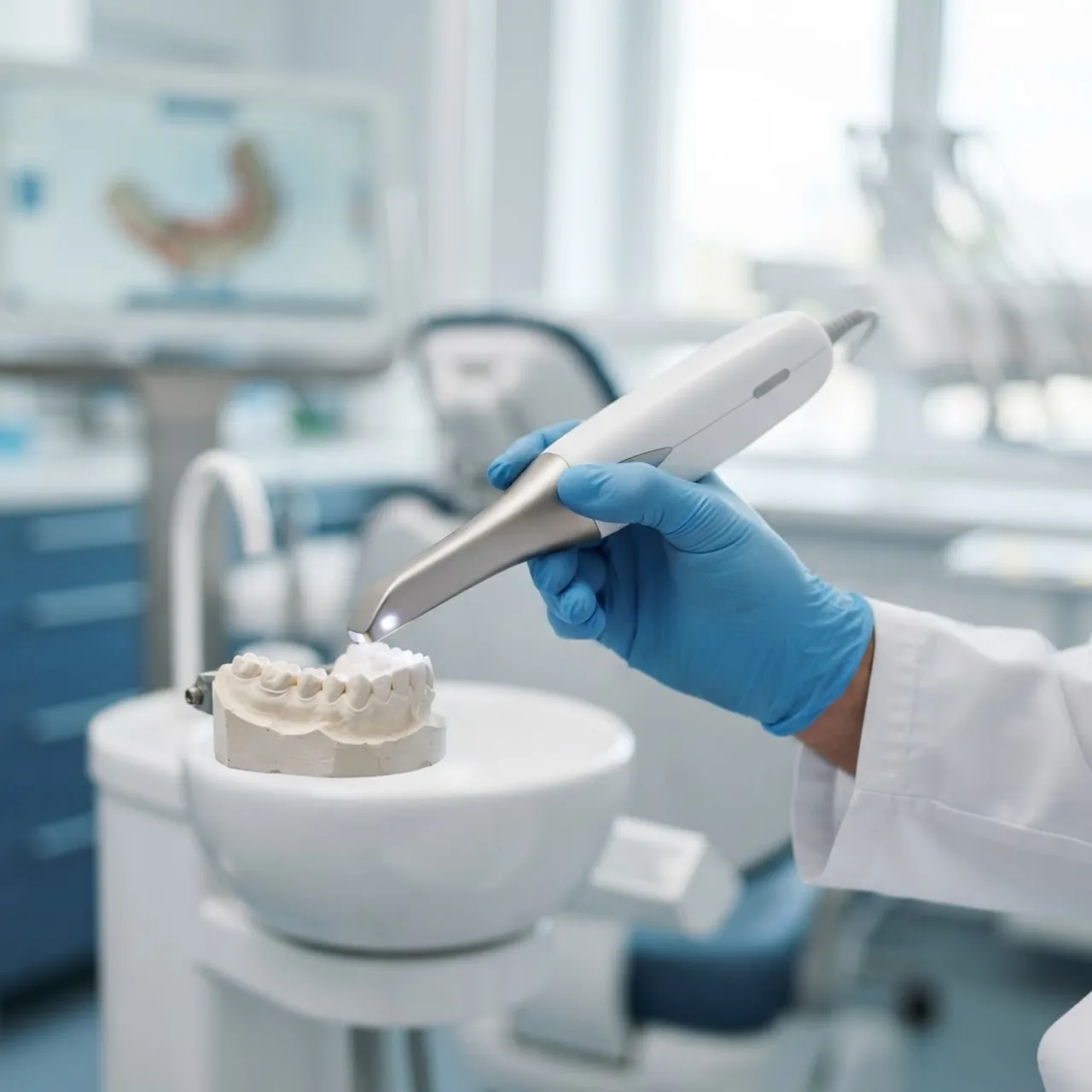
ScanAssist works by combining computer vision with a trained anatomical model. As the scanner captures thousands of images per second, the AI classifies surfaces, distinguishes teeth from soft tissue, and decides how new data should merge with the existing model. This is fundamentally different from older "blind stitching" methods that simply matched overlapping geometry.
Because the system understands context, it can ignore distractions like a moving tongue, cheek, or instrument, and focus on the relevant anatomy. This intelligent filtering is what makes the scan cleaner and reduces the need for manual editing later. For dental teams building modern digital pipelines, this kind of AI-assisted automation mirrors the broader shift toward intelligent tools across industries, something we explore often at ZoneTechify and WebPeak.
The 5 Core AI Features of TRIOS 5
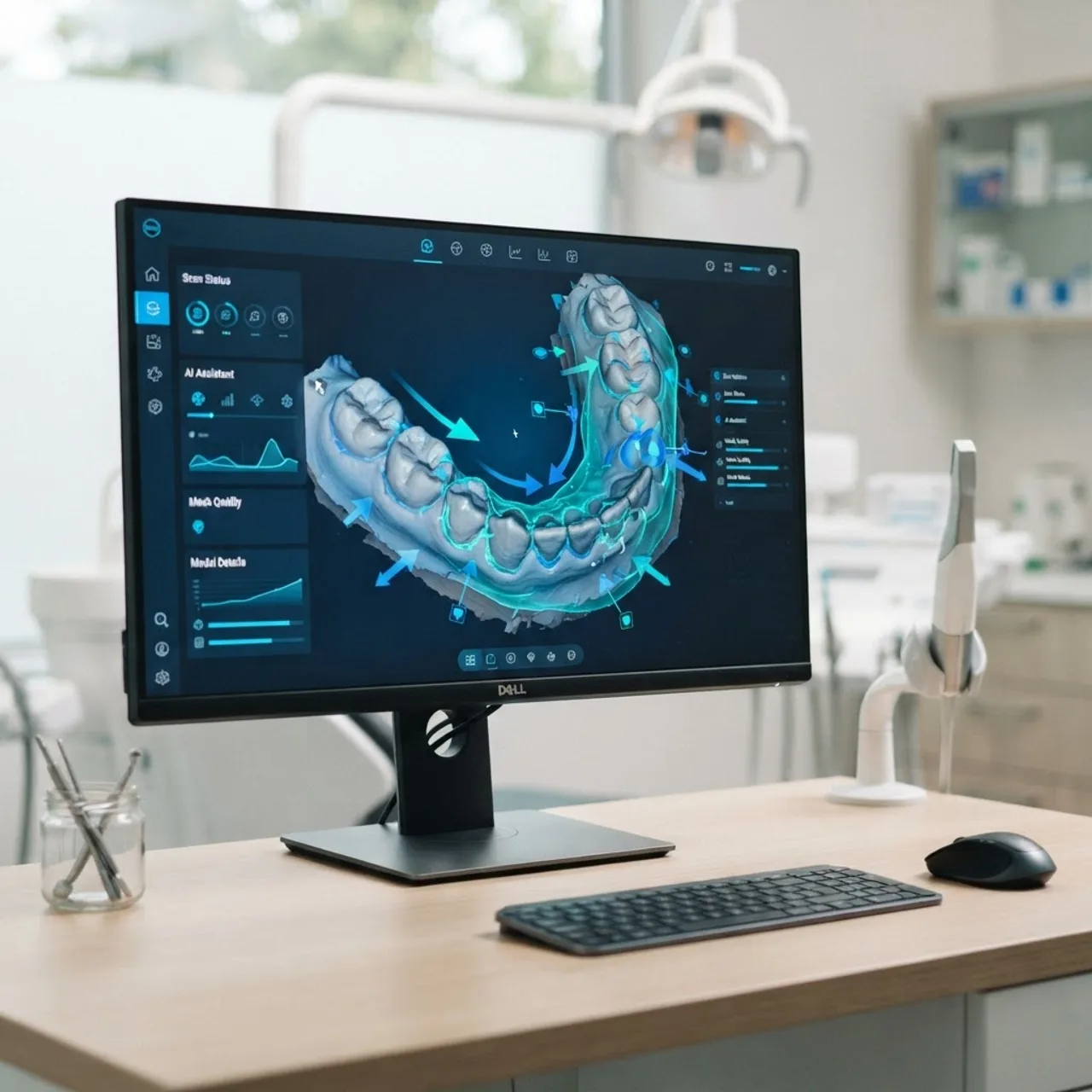
The TRIOS 5 is defined by a set of interconnected AI capabilities. Below are the five features that matter most in daily clinical use.
1. ScanAssist Intelligent Alignment
This is the headline feature. ScanAssist automatically decides how to align scan data based on recognized anatomy rather than raw geometry alone. If you skip an area and return to it, the AI knows where the data belongs. This dramatically reduces misaligned scans, one of the most common causes of remakes in digital dentistry.
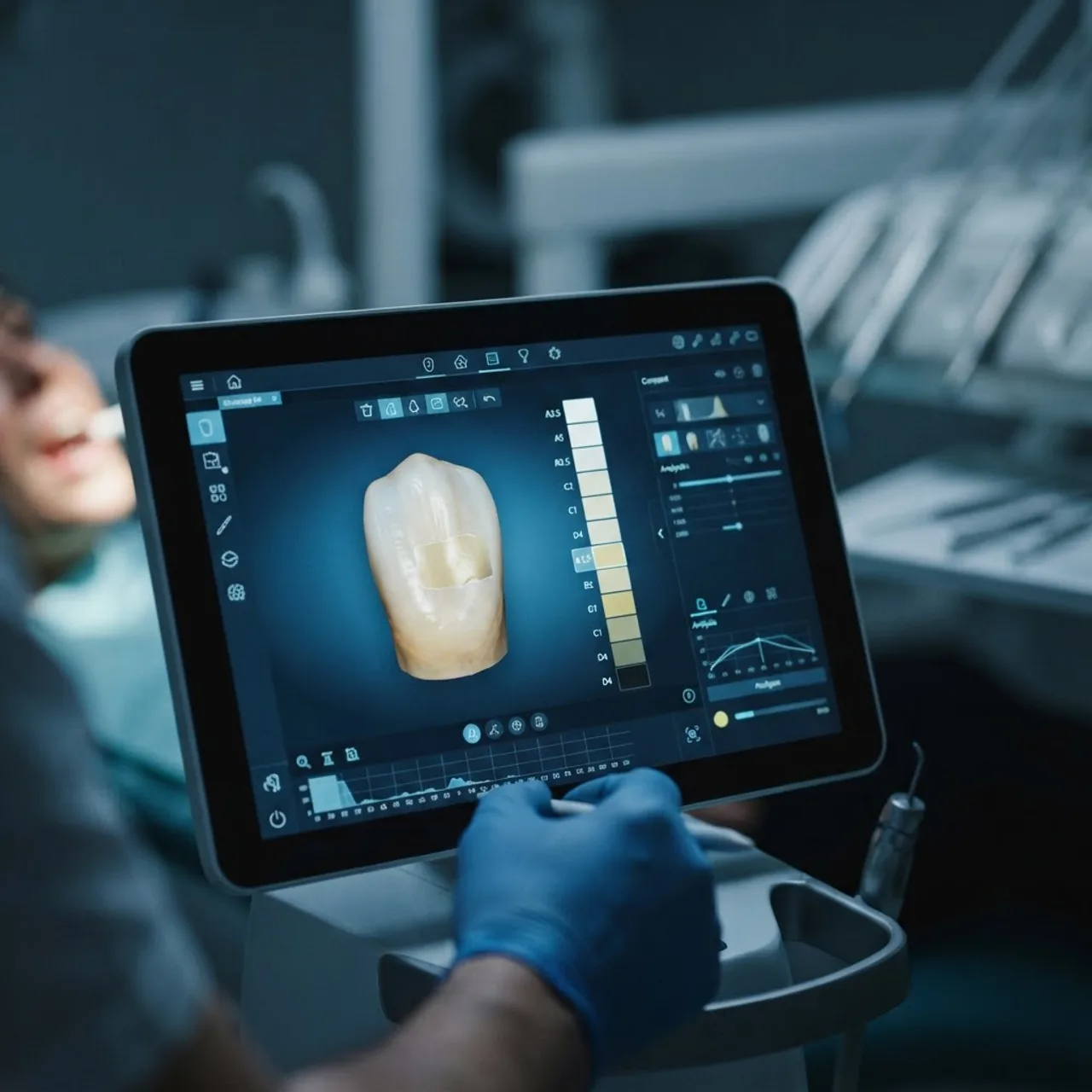
2. AI-Powered Shade Measurement
The TRIOS 5 measures tooth shade automatically during scanning using AI-calibrated color analysis. Instead of holding a physical shade guide and relying on subjective judgment under variable lighting, the clinician gets consistent, data-backed shade values. This improves communication with the lab and reduces esthetic mismatches on restorations.
3. Automatic Margin Line Detection
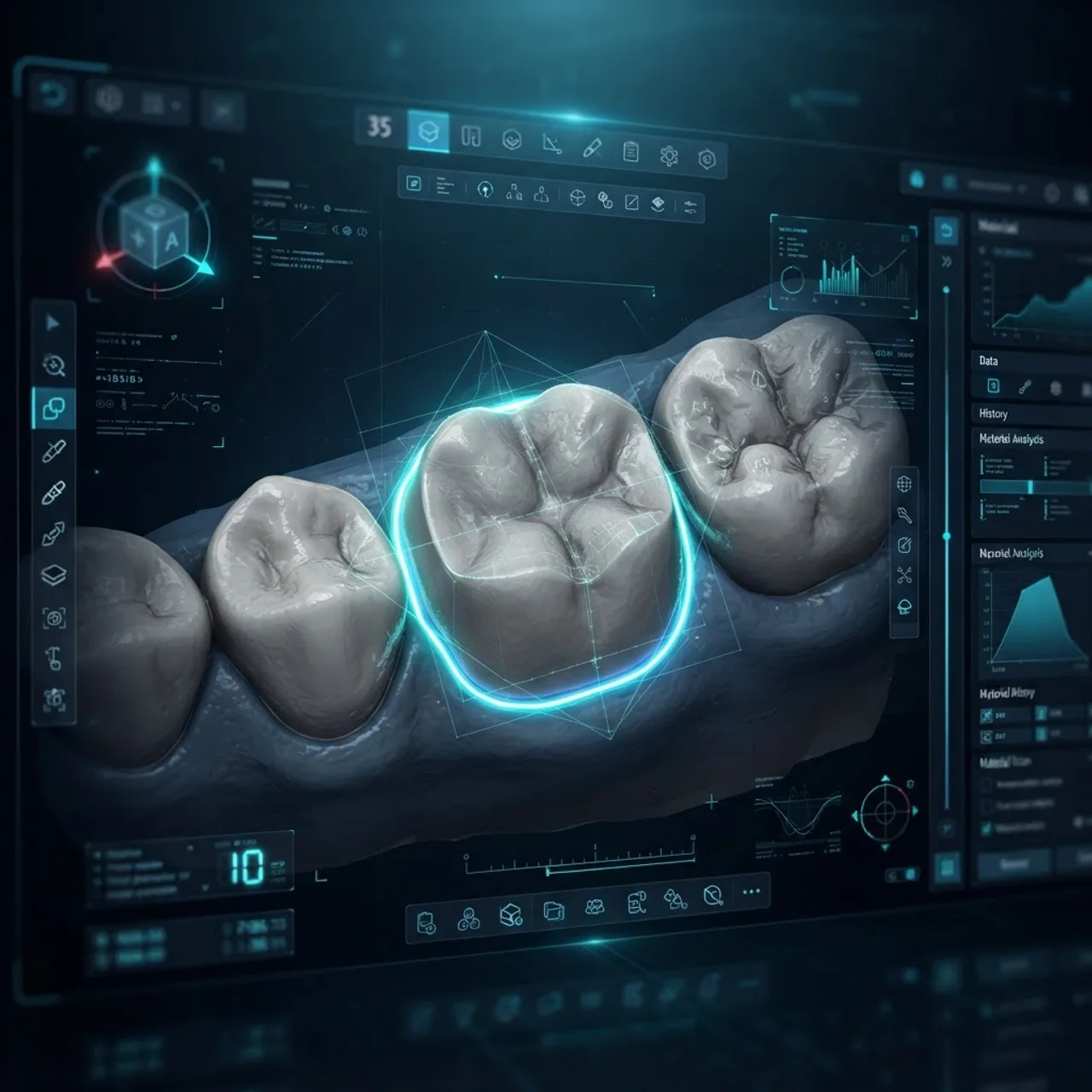
For crowns, inlays, and onlays, the margin line is everything. TRIOS 5 uses AI to detect and highlight the preparation margin automatically, giving clinicians a clear, traceable line without tedious manual drawing. This speeds up the design phase and improves the fit of the final restoration.
4. Real-Time Scan Cleanup and Noise Reduction
Soft tissue movement, saliva, and instruments used to introduce noise into scans. The AI in TRIOS 5 recognizes and filters out irrelevant data in real time, so the model stays clean. Less noise means less manual trimming, which directly cuts down chairside time per case.
5. Intelligent Motion and Continuity Handling
ScanAssist maintains continuity even when the scanner moves quickly or briefly loses contact with the surface. The AI predicts the path and reconnects data smoothly, reducing the frustrating "lost tracking" restarts that plagued earlier generations of scanners.
TRIOS 5 vs TRIOS 4: AI Feature Comparison
Understanding how the TRIOS 5 improves on its predecessor helps clarify the value of its AI. The table below compares key capabilities.
| Feature | TRIOS 4 | TRIOS 5 with ScanAssist |
|---|---|---|
| Scan alignment | Geometry-based stitching | AI anatomy-aware alignment |
| Margin detection | Mostly manual | Automatic AI detection |
| Shade measurement | Available | AI-calibrated and faster |
| Noise handling | Manual cleanup common | Real-time AI filtering |
| Operator dependence | Higher | Lower, more forgiving |
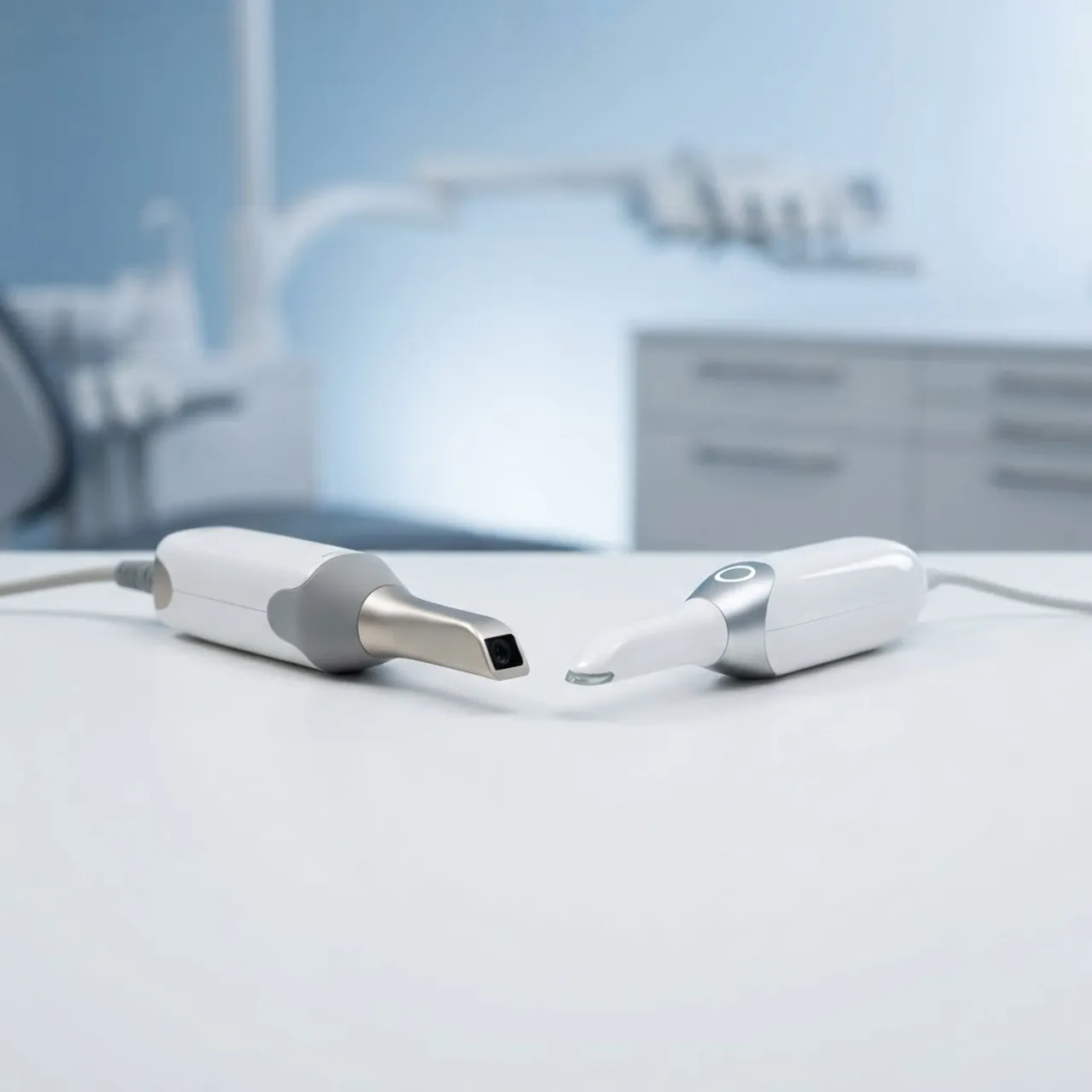
| Design | Wired or heavier body | Lightweight wireless |
The pattern is clear: the TRIOS 5 shifts effort away from the operator and onto the artificial intelligence, making high-quality scans more repeatable across skill levels.
Real-World Benefits for Dental Practices
The practical payoff of these AI features shows up in three areas: speed, accuracy, and confidence. According to 3Shape, ScanAssist can reduce scan time and rescans by intelligently guiding the capture process, which matters because chairside minutes are one of the most expensive resources in any clinic. Faster scans mean more patients served and less fatigue for the operator.
Accuracy is the second benefit. Digital impressions have already been shown in dental research to rival or exceed conventional impressions for many indications, and AI-driven alignment pushes reliability further by reducing human error. When the margin line and shade are captured accurately the first time, labs receive better data, and remakes drop.
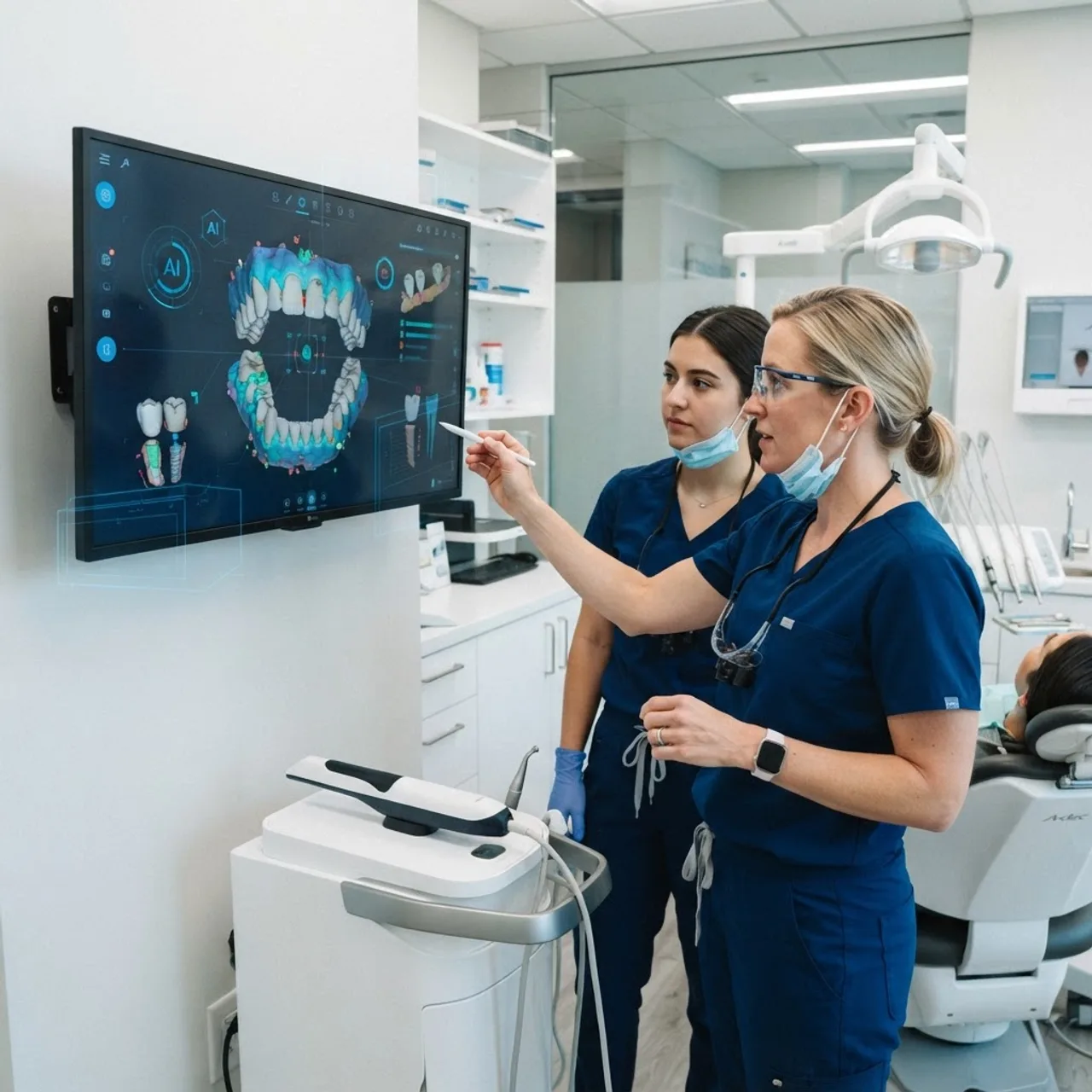
The third benefit is confidence. Newer team members can produce professional-grade scans sooner because the AI compensates for technique gaps. This lowers the training curve and makes digital workflows accessible to the entire team, not just the most experienced operator.
How to Get the Most Out of ScanAssist
To maximize the value of TRIOS 5 AI features, follow these practical steps:
- Keep the scanning field reasonably dry. AI helps with noise, but clean conditions still produce the best models.
- Scan in a consistent, deliberate path. Let the AI do the alignment work instead of jumping erratically around the arch.
- Verify AI-detected margins. ScanAssist detects the margin automatically, but a quick clinician review ensures precision on difficult preparations.
- Use shade measurement early. Capture shade before the tooth dehydrates for the most accurate esthetic result.
- Keep firmware updated. AI models improve over time, so software updates directly enhance scanning performance.
Businesses adopting AI-driven tools like this often need help integrating them into broader digital systems and marketing them effectively. If you are building AI-powered products or workflows, specialized support such as ZoneTechify's artificial intelligence services can bridge the gap between advanced technology and real-world implementation.
Key Takeaways
- ScanAssist is the core AI engine of the TRIOS 5, using anatomy-aware machine learning to align and complete scans intelligently.
- The five standout AI features are intelligent alignment, AI shade measurement, automatic margin detection, real-time noise reduction, and motion continuity handling.
- TRIOS 5 reduces operator dependence, making high-quality scans more repeatable across every skill level in the practice.
- According to 3Shape, ScanAssist is designed to cut scan time and rescans, saving valuable chairside minutes.
- Digital impressions rival conventional ones in accuracy for many cases, and AI alignment strengthens that reliability even further.
Frequently Asked Questions (FAQ)
What is ScanAssist on the TRIOS 5?
ScanAssist is the artificial intelligence feature built into the TRIOS 5 scanner. It automatically aligns scan data, fills gaps, and reconstructs the digital impression using anatomy-aware machine learning. This makes scanning faster, more forgiving, and more accurate, even when conditions or operator technique are not perfect.
Does the TRIOS 5 measure tooth shade automatically?
Yes. The TRIOS 5 includes AI-calibrated automatic shade measurement during scanning. Instead of relying on a physical shade guide and subjective judgment, the scanner produces consistent, data-backed shade values. This improves communication with the dental lab and helps restorations match the patient's natural teeth more reliably.
Is the TRIOS 5 better than the TRIOS 4?
The TRIOS 5 improves on the TRIOS 4 mainly through smarter AI. It adds anatomy-aware alignment, automatic margin detection, real-time noise filtering, and a lighter wireless design. These upgrades reduce operator dependence and rescans, making the TRIOS 5 more forgiving and efficient for everyday clinical scanning.
Does ScanAssist reduce scanning errors?
Yes, significantly. Because ScanAssist understands anatomy rather than just matching geometry, it prevents common alignment mistakes and ignores distractions like the tongue, cheek, or instruments. This reduces misplaced data and the frustrating rescans that slowed down earlier scanners, resulting in cleaner models with less manual editing.
Do I still need to review scans if AI does the work?
Absolutely. The AI handles most of the heavy lifting, but clinician oversight remains important. You should verify AI-detected margins on complex preparations and confirm the overall model quality. Think of ScanAssist as an expert assistant that speeds up the process while you retain final clinical judgment.