
A practical breakdown of the web application security vulnerabilities that cause real breaches, how attackers exploit them, and the exact controls that stop them.
Web Application Security Vulnerabilities
Most web application breaches are not caused by exotic zero-days. They are caused by ordinary mistakes in ordinary code: a missing authorization check on an API route, a query built with string concatenation, an admin endpoint that was never removed after launch. Attackers do not need genius when a login form trusts client-side validation.
This guide covers the vulnerability classes that actually appear in production incident reports, how each one is exploited in practice, and the specific controls that close them. It is written for developers, technical founders, and engineering leads who own a shipping application and need to make defensible decisions this week, not a theoretical security roadmap for next year.
Quick Answer: Web application security vulnerabilities are flaws in code, configuration, or logic that let attackers read, modify, or destroy data they should not access. The most damaging categories are broken access control, injection, authentication failures, security misconfiguration, and vulnerable dependencies. Fixing them requires server-side validation, least-privilege access, and continuous scanning.
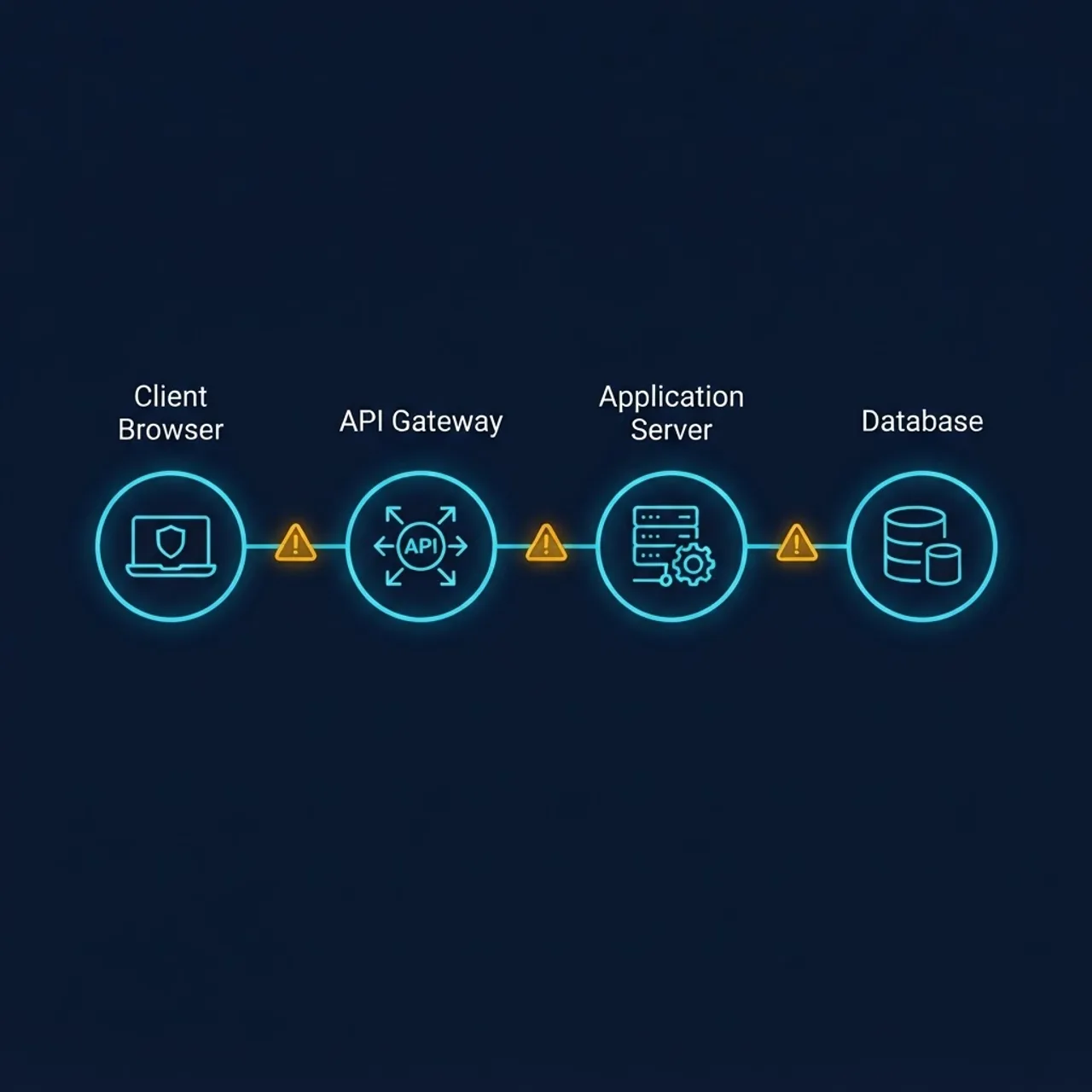
What Counts as a Web Application Vulnerability?
A web application vulnerability is any weakness an attacker can use to make your application behave in a way you did not intend. That definition matters because it includes three separate sources of failure, and teams usually only defend against one.
- Code flaws are mistakes in application logic, such as an unsanitized database query or an unchecked file upload path.
- Configuration flaws are insecure defaults left in place, such as verbose error pages in production, permissive CORS policies, or storage buckets set to public.
- Design flaws are architectural decisions that cannot be patched away, such as trusting a client-supplied user ID to determine which records to return.
Design flaws are the expensive category. A code flaw is a one-line fix; a design flaw where authorization lives in the frontend requires rewriting every endpoint. This is why security review belongs in the design phase, not the week before launch.
Key Terms Defined
- Attack surface: every input an untrusted party can reach, including URL parameters, headers, cookies, file uploads, webhooks, and third-party callbacks.
- CVE: a publicly catalogued vulnerability in a specific software version, used to track dependency risk.
- CVSS score: a 0 to 10 severity rating; anything 7.0 or above generally warrants an urgent patch cycle.
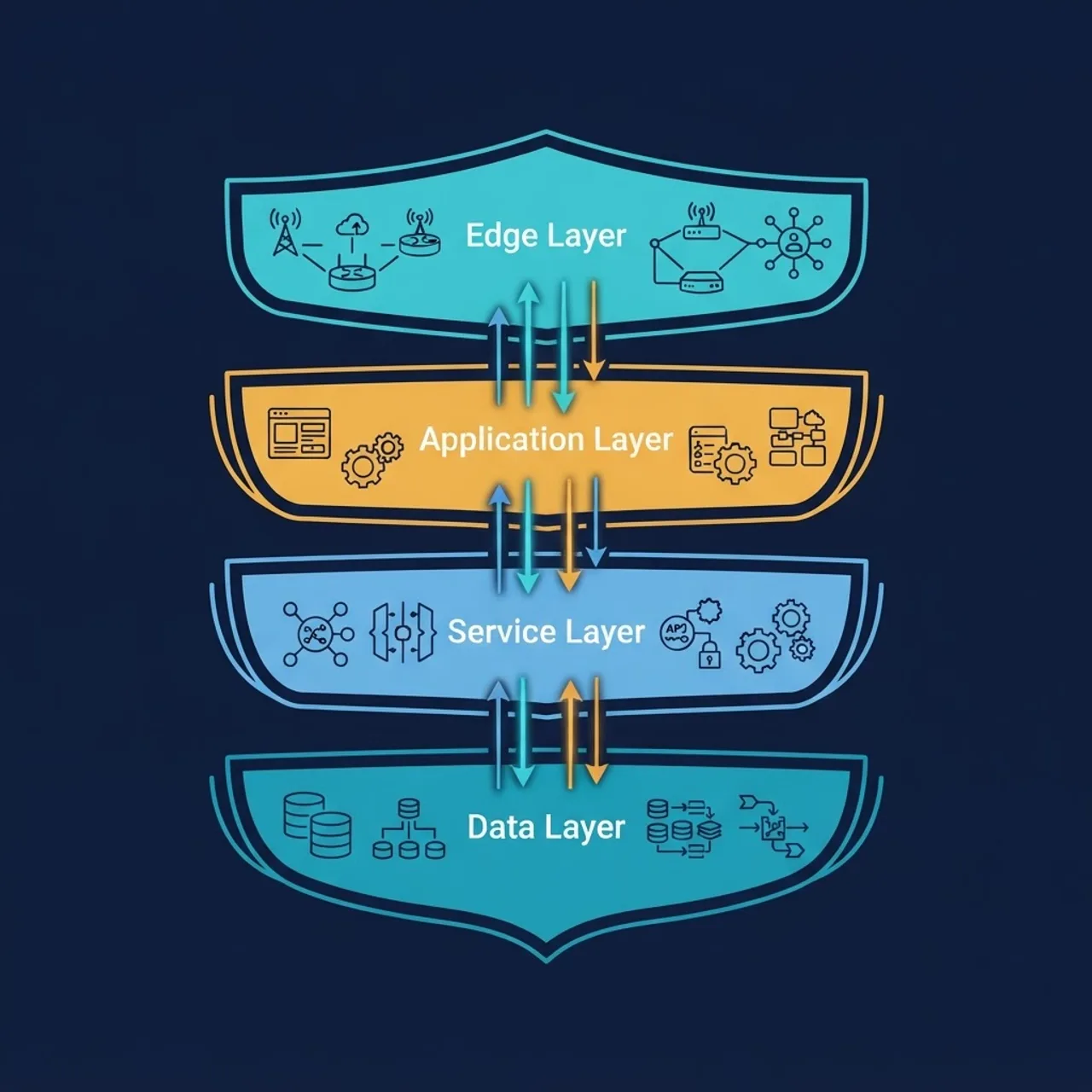
- Defense in depth: layering independent controls so a single failure does not become a breach.
The Vulnerability Classes That Cause Real Breaches
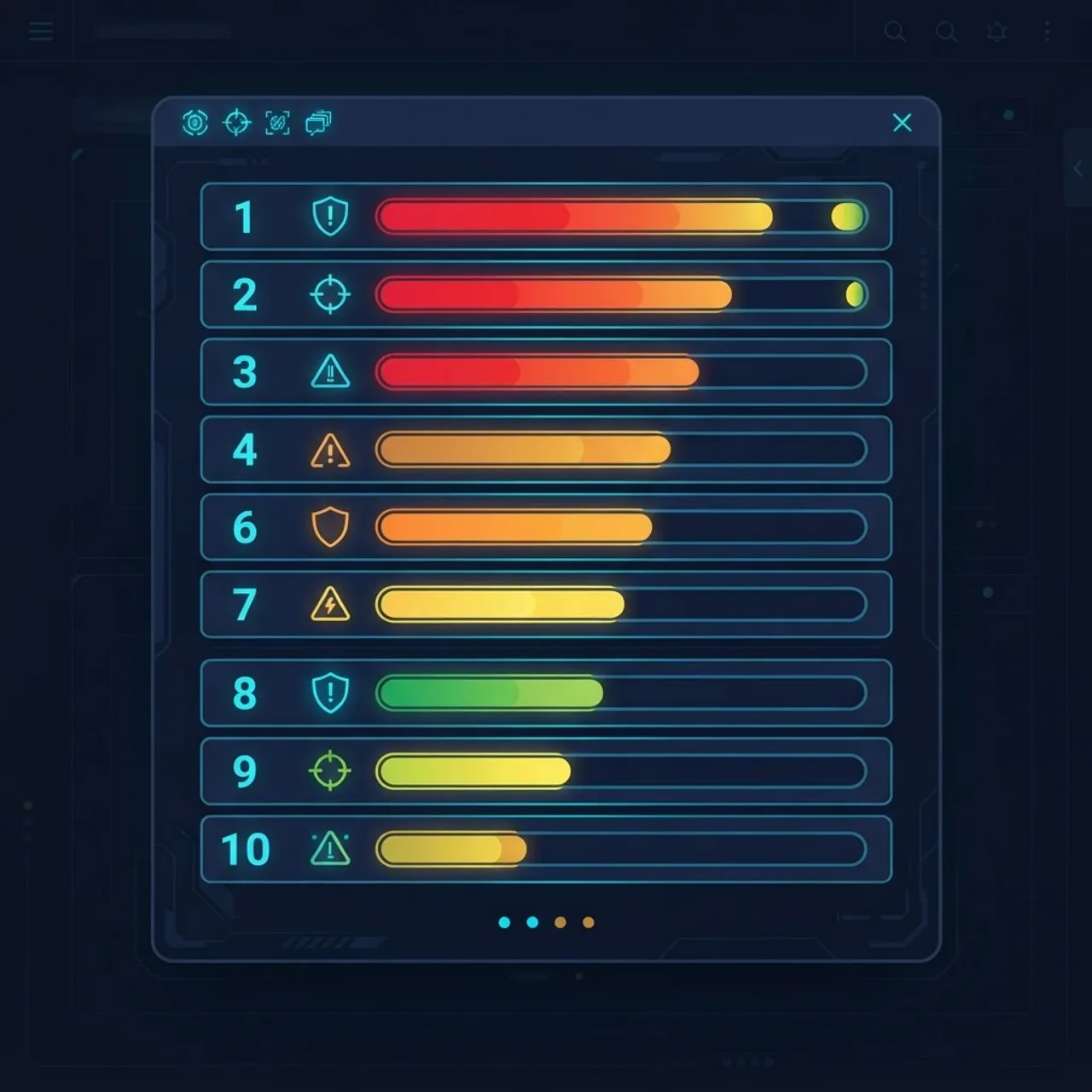
The OWASP Top 10, the industry reference list maintained by the Open Worldwide Application Security Project, ranks vulnerability categories by prevalence and impact based on data gathered from hundreds of thousands of applications. In the most recent revision, broken access control was found in more tested applications than any other category, which reversed a decade of injection holding the top position.
That shift is the single most useful data point in modern application security. It tells you that frameworks have largely solved injection through parameterized queries and template auto-escaping, while authorization remains hand-written business logic that no framework can secure for you.
| Vulnerability Class | How It Is Exploited | Primary Control | Typical Fix Effort |
|---|---|---|---|
| Broken access control | Changing an ID in a URL or API call to reach another user's data | Server-side ownership checks on every query | Medium to high |
| Injection (SQL, NoSQL, command) | Sending payloads that alter query or command structure | Parameterized queries, allowlist validation | Low |
| Authentication failures | Credential stuffing, weak session handling, no rate limits | MFA, secure session cookies, throttling | Medium |
| Security misconfiguration | Default credentials, exposed debug routes, open storage | Hardened baselines, config review in CI | Low |
| Vulnerable dependencies | Exploiting a known CVE in an outdated package | Automated dependency scanning and patching | Low |
| Cryptographic failures | Intercepting or reading weakly protected data | TLS everywhere, strong hashing, encryption at rest | Medium |
| Server-side request forgery | Forcing the server to fetch attacker-chosen internal URLs | Outbound allowlists, blocked internal ranges | Medium |
Injection: Still Cheap to Exploit, Still Cheap to Fix
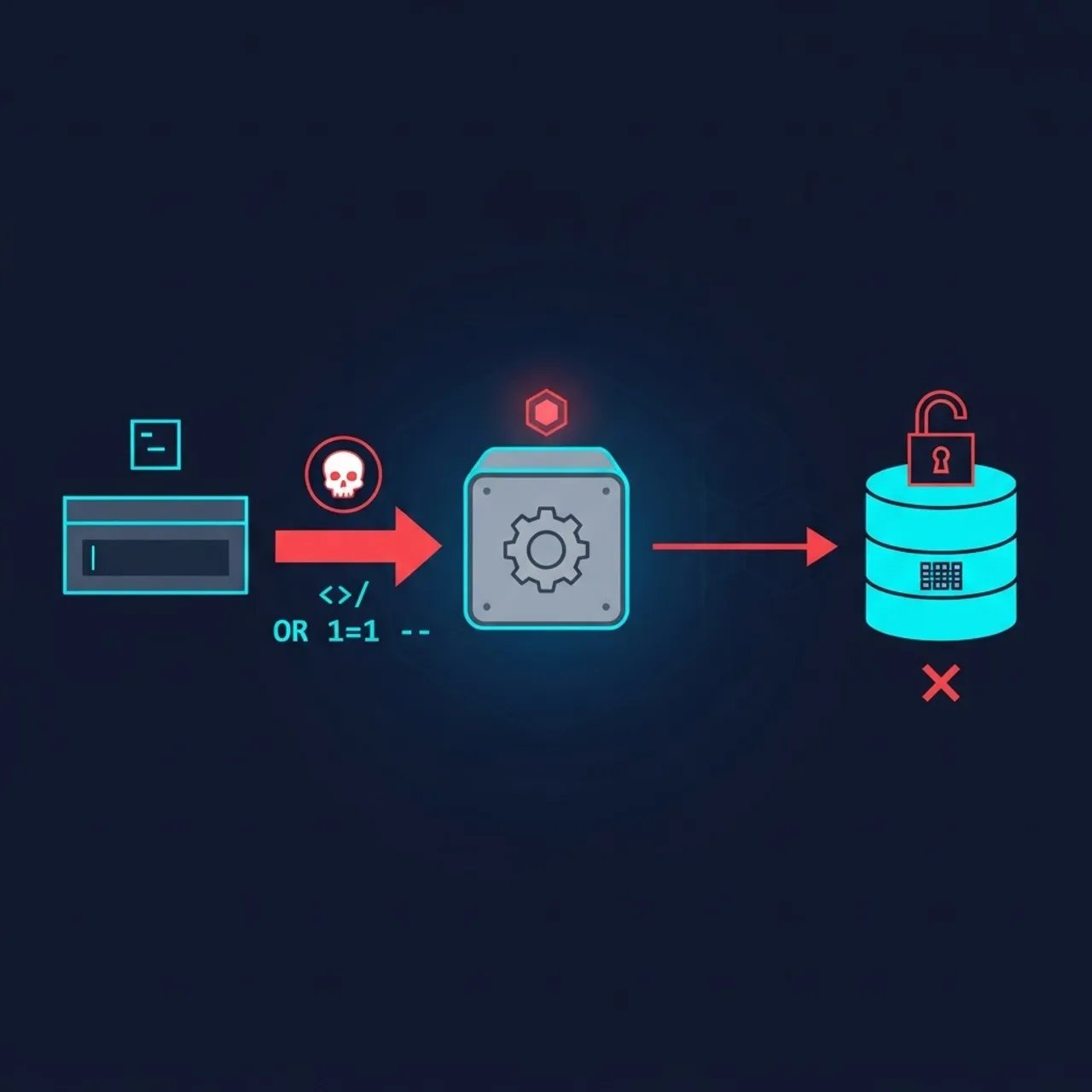
Injection happens when untrusted input is treated as code rather than data. In SQL injection, an input such as a quote followed by a boolean condition changes a query from returning one row to returning every row in the table. The same pattern appears in NoSQL operators, LDAP filters, OS command arguments, and template engines.
The fix is unambiguous and has not changed in twenty years: never build a query by concatenating strings. Use parameterized statements or prepared statements so the database receives structure and values separately. Query builders and ORMs do this by default, but they all expose a raw query escape hatch, and that escape hatch is where injection bugs live.
Practical checks for your codebase:
- Grep for raw query functions and audit every call site for interpolated variables.
- Validate input against an allowlist of expected shapes, not a denylist of bad characters, because denylists always miss an encoding.
- Give the application database user only the permissions it needs, so a successful injection cannot drop tables or read other schemas.
- Treat ordering and column names as a special case: they cannot be parameterized, so map user input to a fixed set of allowed values.
Broken Access Control: The Number One Cause of Data Exposure
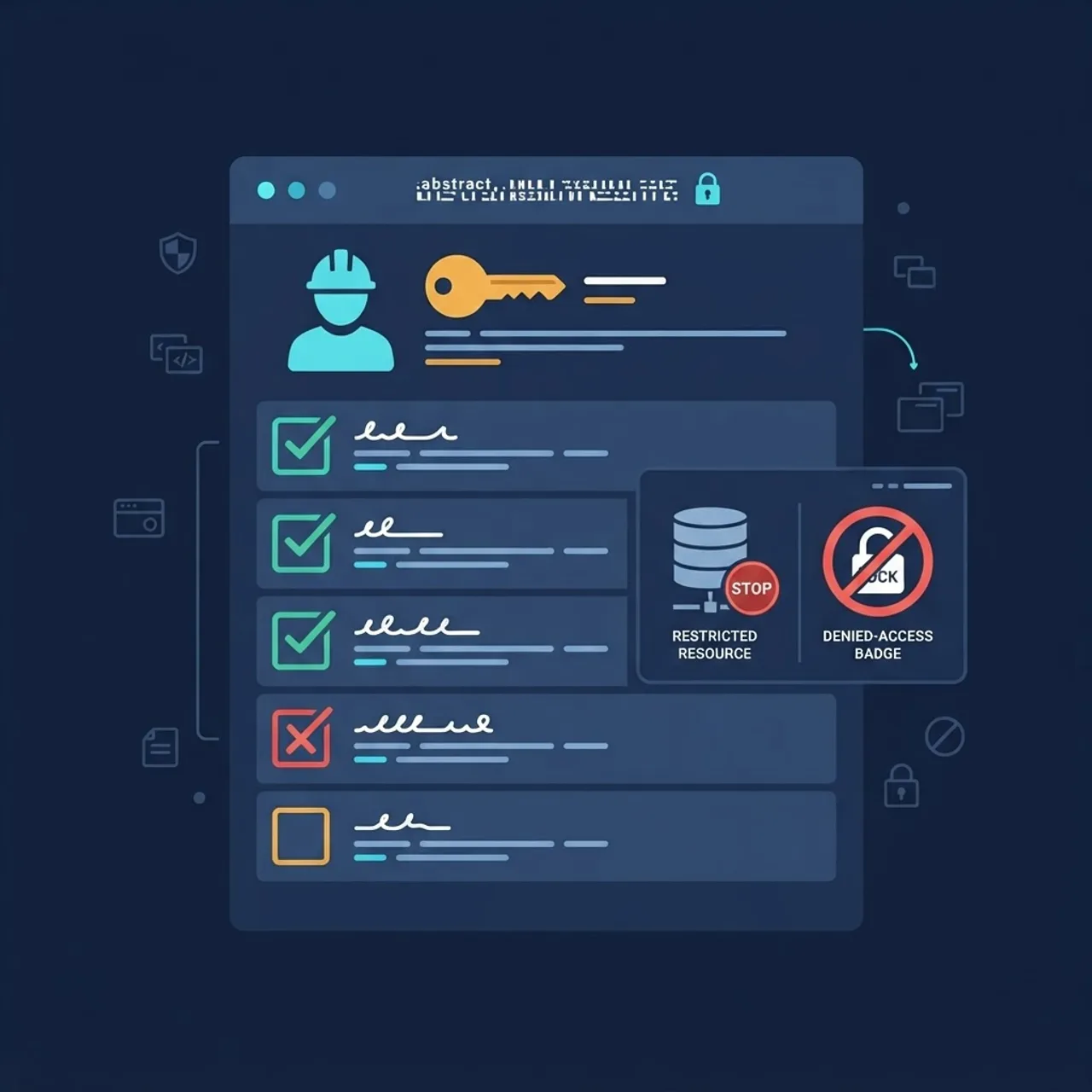
Broken access control means the application does not correctly enforce what an authenticated user is allowed to do. The classic form is an insecure direct object reference: an endpoint that accepts a record ID and returns the record without confirming the requester owns it. Change the ID from 1041 to 1042 and you read someone else's invoice.
The reason this class dominates is structural. Authentication is a solved, centralized problem handled by a library. Authorization is scattered across every endpoint, and a single forgotten check is a full breach. There is no compiler error for a missing ownership filter.
A Testing Routine That Finds These Bugs
- Create two ordinary user accounts and attempt to access every resource belonging to the first account while authenticated as the second.
- Call every admin endpoint with a standard user session and confirm you receive a 403 rather than a 200.
- Remove the session token entirely and replay each request to catch endpoints that only check for the presence of a token, not its validity.
- Test the HTTP method dimension: an endpoint may correctly block DELETE while leaving PATCH open.
- Enforce authorization in a shared data-access layer so the check cannot be forgotten, rather than repeating it in each controller.
Teams building multi-tenant products should scope every query by tenant at the data layer itself. Agencies that ship production-grade software, including teams like ZoneTechify, typically bake tenant scoping into the query helper so a developer physically cannot write an unscoped read.
Cross-Site Scripting and Request Forgery
Cross-site scripting occurs when an application renders attacker-supplied content as executable markup, letting a script run in another user's browser session. Stored XSS is the dangerous variant because the payload lives in the database and fires for every visitor who loads the page.
Modern frontend frameworks escape interpolated values automatically, which removed the majority of historical XSS. The remaining cases cluster in predictable places: raw HTML insertion APIs, user-supplied URLs placed in href or src attributes, and content rendered inside inline event handlers or style attributes.
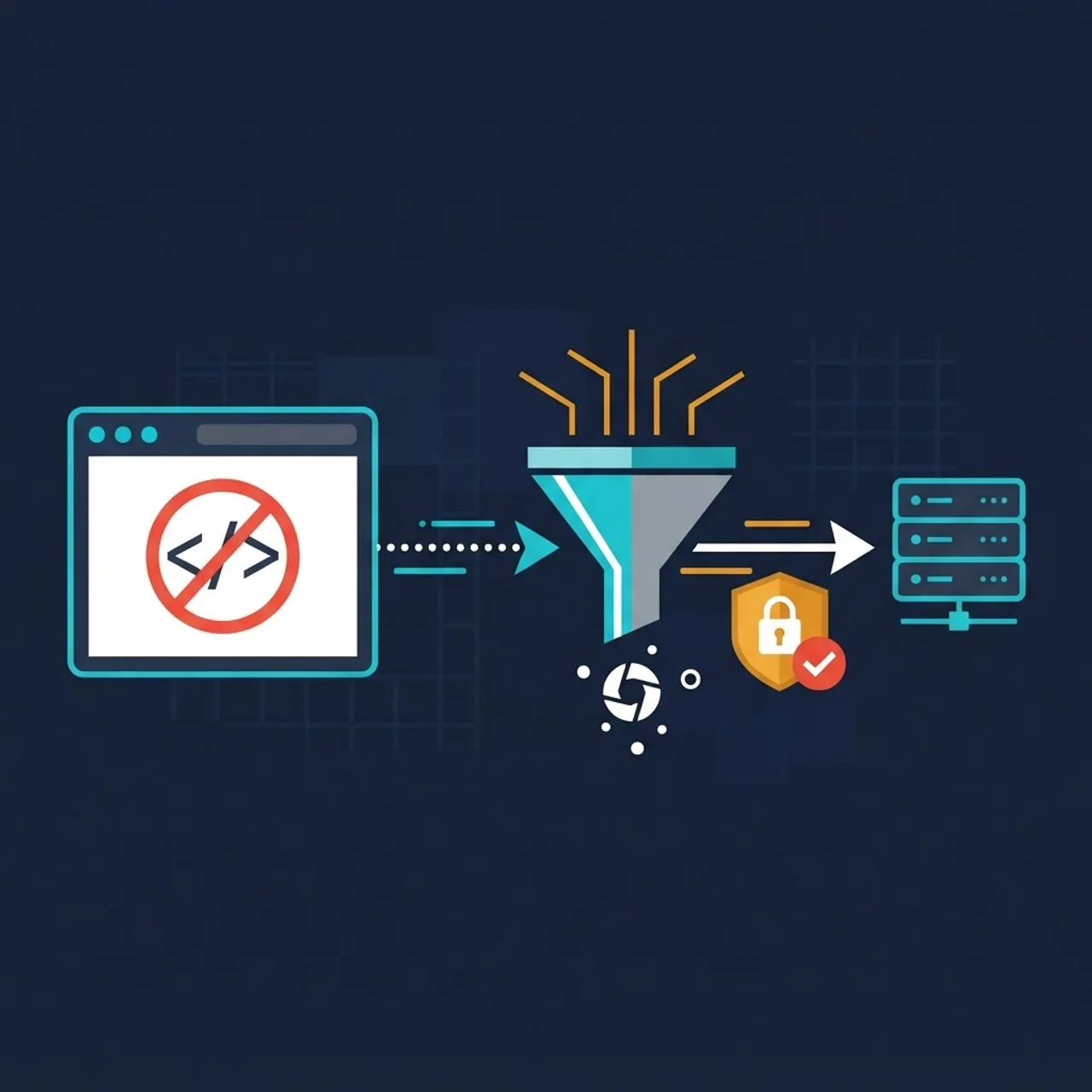
Cross-site request forgery is a different problem: the attacker does not read data, they make the victim's browser perform a state-changing action using its existing cookies. The defenses are layered and each one is quick to implement:
- Set session cookies with the SameSite attribute so they are not sent on cross-site requests.
- Require an anti-forgery token on every state-changing request, validated server-side.
- Add a Content Security Policy header to restrict which script sources may execute, which also blunts XSS impact.
- Sanitize any HTML you must render with a maintained library, and never with a hand-written regular expression.
Misconfiguration, Dependencies, and Secrets
Configuration and supply-chain issues are the least glamorous vulnerabilities and among the most common. Industry vulnerability reporting has tracked well over 25,000 new CVEs published in a single year, which means any application with a large dependency tree accumulates known vulnerabilities simply by standing still. Code you never wrote becomes your liability the moment you install it.
The controls are operational rather than clever:
- Run automated dependency scanning in continuous integration and fail the build on high-severity findings in production dependencies.
- Pin versions with a lockfile so builds are reproducible and a compromised package cannot silently enter through a floating range.
- Keep secrets in environment variables or a managed secret store, never in the repository, and rotate any key that has ever touched a commit.
- Disable verbose error output in production, since stack traces disclose file paths, library versions, and query structure.
- Send baseline security response headers, including strict transport security, content type options, and a referrer policy.
Building Security Into the Delivery Process
Security that depends on remembering things fails. The teams with the fewest incidents convert judgment into automation, so the safe path is also the default path. That means dependency scanning and static analysis run on every pull request, authorization has a single enforcement point, and every new endpoint inherits validation from a shared schema rather than defining it ad hoc.
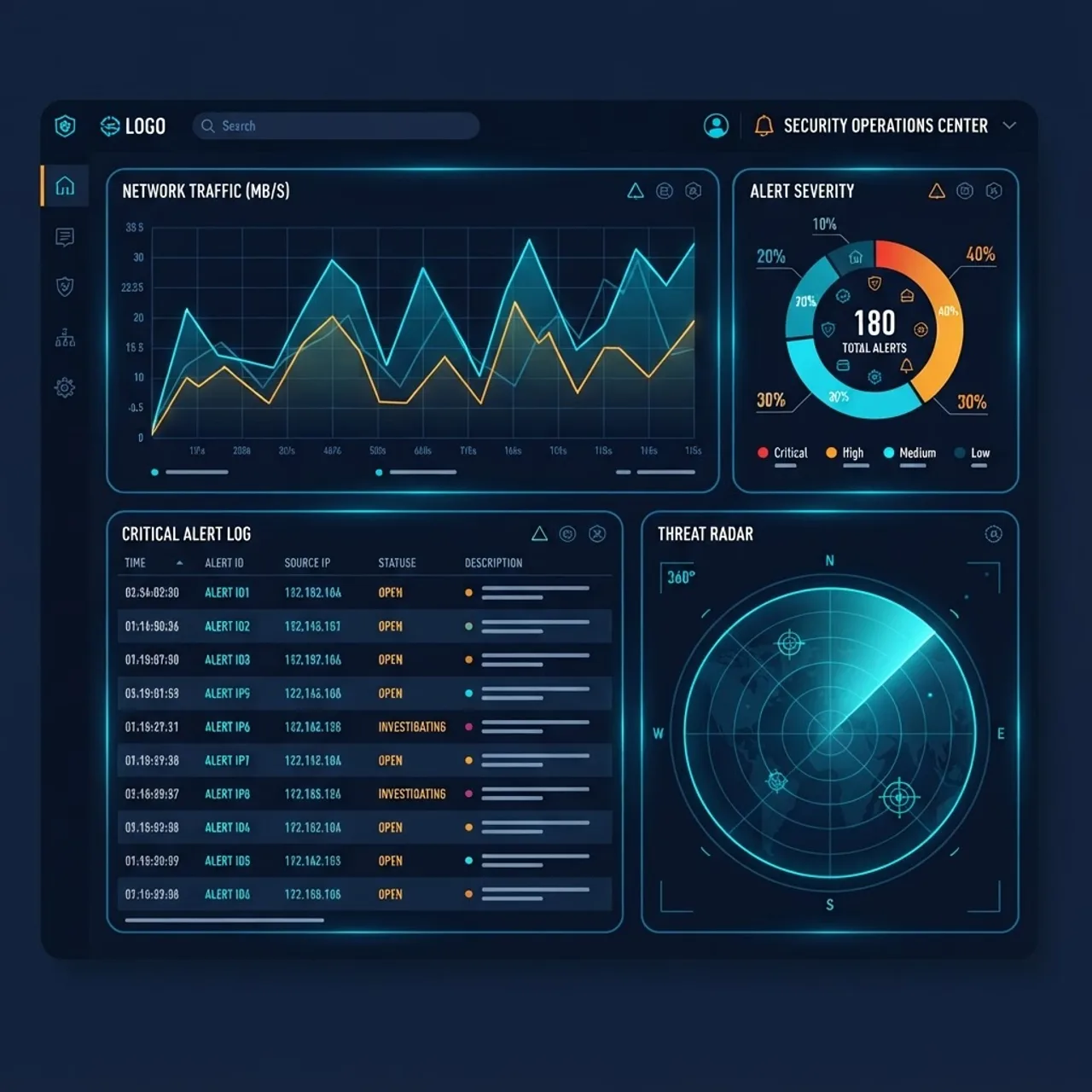
Two habits separate mature teams from the rest. First, they write a regression test for every vulnerability they fix, so the bug cannot return quietly during a refactor. Second, they log authorization denials and authentication failures and alert on unusual volume, because a spike in 403 responses from one account is exactly what enumeration looks like before it succeeds.
If your team lacks in-house security review capacity, pairing a hardening audit with the build itself is far cheaper than remediating after launch. Many product teams work with a web application agency for exactly this reason, or bring in web app development support so threat modeling happens while the architecture is still cheap to change.
Key Takeaways
- Broken access control now outranks injection as the most prevalent web application vulnerability category in OWASP testing data, because authorization is hand-written logic no framework can secure automatically.
- Injection is prevented completely by parameterized queries; the residual risk lives in raw query escape hatches and in non-parameterizable elements like column and sort names.
- With more than 25,000 CVEs published in a single recent year, unpatched dependencies make application risk grow even when no code changes.
- Design flaws cost far more to fix than code flaws, which makes threat modeling during architecture the highest-return security activity available.
- Effective programs automate enforcement: scanning in CI, a single authorization layer, allowlist validation, hardened headers, and alerting on authorization failures.
Frequently Asked Questions (FAQ)
What is the most common web application security vulnerability?
Broken access control is the most prevalent category in current OWASP testing data. It appears when an application fails to verify that an authenticated user owns the resource they requested, letting an attacker change an ID in a URL or API call to read or modify another user's data.
How do I know if my website has security vulnerabilities?
Run an automated scanner against a staging copy, enable dependency scanning in your build pipeline, and manually test authorization by trying to access one account's data while logged in as another. Automated tools find known CVEs and misconfigurations; only manual testing reliably finds business logic and access control flaws.
Can a firewall or WAF replace fixing the code?
No. A web application firewall filters recognizable attack patterns and buys you time, but it cannot understand your business logic, so it will not stop broken access control or flawed workflows. Treat a WAF as a temporary shield while you patch, never as the patch itself.
How often should I patch dependencies?
Review dependency alerts weekly and patch high or critical severity issues in production dependencies within days of disclosure, since public exploits often follow quickly. Automate the routine minor and patch updates so your team only reviews major version bumps that could introduce breaking changes.
Is HTTPS enough to secure a web application?
HTTPS protects data while it moves between browser and server, but it does nothing about injection, broken authorization, weak passwords, or exposed admin routes. It is a required baseline, not a security strategy. Every vulnerability in this guide is fully exploitable over a valid TLS connection.
What should a small team do first with limited time?
Start with three actions: enable dependency scanning in CI, add server-side authorization checks to every endpoint that returns user-specific data, and remove secrets and debug output from production. These three cover the highest-frequency breach causes and require days of work rather than months.