
White label SEO lets agencies offer expert SEO under their own brand. Explore the 5 building blocks that generate rankings, traffic, and real client results.
What Is White Label SEO?
If you run a digital marketing agency, web design firm, or PR company, you've likely faced the pressure of clients demanding SEO services even when it's not your core offering. That's exactly where white label SEO comes in, and understanding it could be the single most important growth lever for your business.
White label SEO is a partnership model in which one company (the provider) delivers fully managed search engine optimization services that another company (the reseller) rebrands and sells to its own clients under its own name. The end client never knows a third party is involved. Everything from reports to deliverables carries the reseller's branding.
This arrangement allows agencies to expand their service offerings, generate new revenue streams, and serve more clients without the overhead of building an in-house SEO team from scratch.
The global SEO industry is worth over $80 billion and continues to grow. White label SEO lets businesses tap into that market without years of trial, error, and expensive hiring.
How White Label SEO Works
The mechanics are straightforward, but the execution requires precision and trust between both parties.
Here's a typical white label SEO workflow:
- Agency signs client Your agency sells SEO services to a client under your brand name.
- Agency briefs the provider You share client goals, website details, target keywords, and any existing data with your white label partner.
- Provider executes the work The white label SEO firm runs audits, creates content, builds links, and manages ongoing optimization.
- Deliverables are rebranded All reports, strategy documents, and updates are branded with your agency logo and name.
- Agency communicates with the client You maintain the relationship, present results, and field questions as the SEO expert.
This model creates a seamless experience for the client while freeing the agency from operational complexity.
Technical SEO Audits & Fixes 
Technical SEO is the foundation of every successful search strategy. Without a technically sound website, even the best content and backlinks will underperform.
What Technical SEO Involves
A comprehensive technical SEO audit examines the structural health of a website across dozens of factors, including:
- Crawlability Can search engine bots access and index every important page?
- Page speed Are Core Web Vitals scores within Google's recommended thresholds?
- Mobile responsiveness Does the site perform well on all screen sizes?
- Structured data (Schema markup) Is the site helping search engines understand its content?
- Canonical tags Are duplicate content issues addressed?
- XML sitemaps and robots.txt Are they properly configured?
- HTTPS security Is the site protected and trusted by browsers?
Why This Building Block Matters
A reputable white label SEO provider will deliver a detailed audit report branded with your agency's identity pinpointing every issue along with a clear remediation plan. This becomes a high-value deliverable you can present to clients as proof of expertise.
Technical fixes typically yield fast results too, making clients feel confident in their investment right from the start.
Content Strategy & Creation 
Content is the engine that drives organic traffic. But not just any content strategically planned, search-intent-aligned content that answers what real users are searching for.
Keyword Research and Topic Mapping
An elite white label SEO partner starts with deep keyword research, identifying:
- Primary keywords with high commercial intent
- Long-tail keyword opportunities with lower competition
- LSI (Latent Semantic Indexing) keywords that signal topic authority
- Content gaps compared to top-ranking competitors
This research shapes a topic cluster strategy a network of pillar pages and supporting content that signals topical authority to Google.
Content Production at Scale
White label providers typically offer ghostwritten content fully optimized for SEO, including:
- Blog posts and articles
- Service and landing pages
- Product descriptions
- FAQs and knowledge base articles
- Meta titles and descriptions
All of it is delivered under your brand, allowing you to position your agency as a full-service content powerhouse.
Quality Standards That Protect Your Reputation
Choose a white label SEO partner that holds content to high standards: original research, proper source citation, E-E-A-T compliance (Experience, Expertise, Authoritativeness, Trustworthiness), and editorial review processes. Google's helpful content updates reward depth and authenticity and penalize thin, AI-spun filler.
Link Building & Authority Development 
Backlinks remain one of Google's most powerful ranking factors. Acquiring high-quality links at scale requires relationships, expertise, and time which is why link building is one of the most valuable components of any white label SEO program.
Types of Link Building Strategies
White label providers use a variety of ethical, white-hat link building techniques:
- Digital PR and outreach Pitching original data, studies, and stories to journalists and publishers
- Guest posting Publishing expert articles on authoritative, niche-relevant websites
- Resource page link building Getting listed on curated industry resource pages
- Broken link building Identifying dead links on authoritative sites and suggesting your client's content as a replacement
- HARO (Help a Reporter Out) responses Earning mentions by connecting journalists with expert quotes
- Skyscraper technique Creating superior content to replace underperforming pages earning high-authority links
What to Avoid
Warn your clients and ensure your provider steers clear of black-hat tactics such as private blog networks (PBNs), link farms, paid link schemes, and spammy directory submissions. These tactics can trigger Google manual penalties that devastate a site's rankings overnight.
A trustworthy white label SEO partner provides transparent link reports showing the domain authority, traffic, relevance, and anchor text of every acquired link.
Local SEO & Google Business Profile Optimization 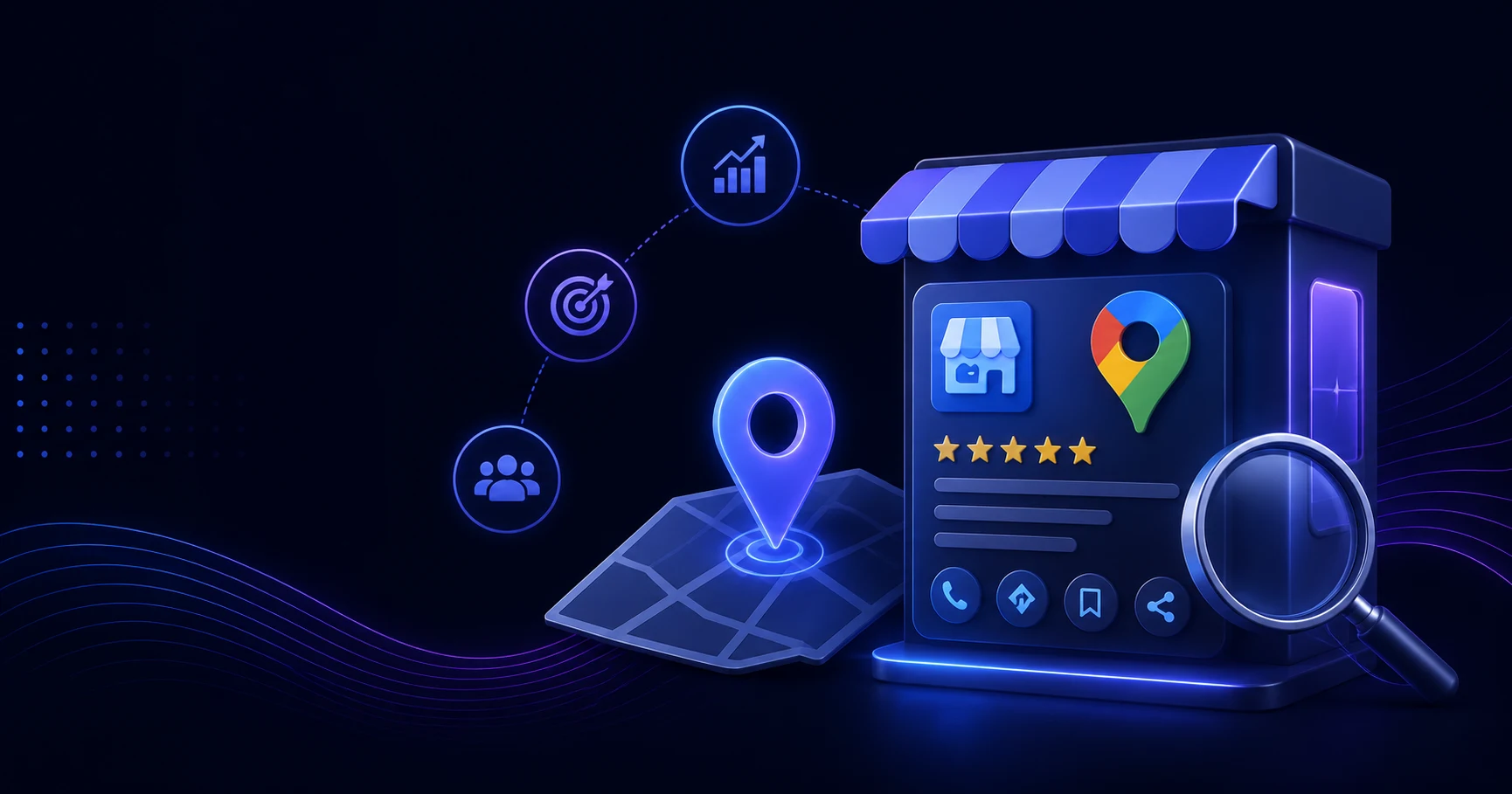
For clients with physical locations or service areas, local SEO is a critical growth channel. It connects businesses with high-intent customers searching nearby people who are often ready to call, visit, or buy.
Core Local SEO Tactics
A white label provider delivering local SEO should cover:
- Google Business Profile (GBP) optimization Complete profiles, keyword-rich descriptions, correct categories, photos, and Q&A management
- NAP consistency Ensuring the business Name, Address, and Phone number are identical across all directories
- Local citation building Listing the business accurately on platforms like Yelp, Apple Maps, Bing Places, and niche directories
- Review generation strategies Helping clients earn more authentic customer reviews, which are a direct local ranking factor
- Localized content creation City-specific landing pages and blog content targeting geographic search terms
- Local schema markup Structured data that helps Google display rich local information in search results
Why Local SEO Drives Fast ROI
Local searches carry strong commercial intent. Someone searching "plumber near me" or "best Italian restaurant in [city]" is moments away from making a decision. Ranking in Google's Local Pack (the map results section) can generate significant phone calls, foot traffic, and leads for your clients delivering visible, measurable results.
Reporting, Analytics & Client Communication 
Even if your SEO work produces incredible results, it means nothing if your clients can't see or understand the impact. Transparent, branded reporting is the final and often underestimated building block.
What Great White Label SEO Reporting Includes
- Keyword ranking reports Monthly tracking of target keywords across search engines
- Organic traffic analysis Sessions, users, and page views from organic search (Google Analytics integration)
- Backlink profile updates New links acquired, domain authority growth
- Technical health score Ongoing crawl health and error resolution
- Goal and conversion tracking Leads, form fills, calls, and e-commerce conversions tied to SEO activity
- Competitive benchmarking How the client stacks up against their top competitors
White Label Reporting Tools
Many top white label SEO providers integrate with platforms like SEMrush, Ahrefs, Moz, Google Looker Studio, and AgencyAnalytics to produce polished, automated reports. These are fully branded with your agency's logo, colors, and domain appearing completely in-house to your clients.
Clear reporting reduces churn. When clients see progress, they renew. When they're confused, they cancel regardless of actual results.
White Label SEO vs. In-House SEO: A Comparison
| Factor | White Label SEO | In-House SEO Team | |||| | Startup Cost | Low (no hiring or onboarding) | High (salaries, tools, training) | | Time to Launch | Days to weeks | Months | | Expertise Level | Access to specialized team | Dependent on hire quality | | Scalability | Highly scalable | Limited by team size | | Brand Control | Full (all work rebranded) | Full | | Flexibility | Contract-based, adjustable | Fixed overhead | | Tool Access | Enterprise tools included | Additional software costs | | Risk | Provider dependency risk | Employee turnover risk | | Best For | Agencies, freelancers, consultants | Large enterprises with dedicated budgets |
The verdict: for most growing agencies, white label SEO is the smarter, more cost-effective path especially in the early-to-mid stages of building an SEO service line.
Who Should Use White Label SEO?
White label SEO is not a one-size-fits-all solution, but it fits a surprisingly wide range of businesses:
- Digital marketing agencies looking to add SEO to their service stack without hiring specialists
- Web design and development firms whose clients ask about search visibility after launch
- PPC or paid media agencies wanting to offer organic search alongside paid campaigns
- PR firms seeking to complement earned media with search performance
- Freelance consultants who want to take on larger contracts without capacity issues
- SaaS platforms building SEO tools or services into their product ecosystem
If you're currently referring SEO clients elsewhere or turning them away white label SEO is almost certainly the right solution.
How to Choose the Right White Label SEO Partner
Not all providers are created equal. Here's what to evaluate before signing any agreement:
1. Transparency and Communication
Your provider should offer a dedicated account manager, clear timelines, and proactive updates. Avoid "black box" providers who deliver results without explanation.
2. Proven Track Record
Ask for case studies, client testimonials, and verifiable ranking examples. A legitimate SEO partner will have documented success across multiple industries.
3. Ethical Practices
Confirm they use only white-hat SEO techniques. Request a sample link report and content sample. Shortcuts now create penalties later.
4. White Label Infrastructure
Ensure they offer full rebranding: white-label reports, client-facing dashboards under your domain, and branded communication templates.
5. Flexible Pricing Models
Look for per-project, monthly retainer, and custom pricing tiers that let you maintain a healthy margin when reselling to clients.
6. Niche Expertise
Providers with experience in your client's industry (healthcare, legal, e-commerce, SaaS) will deliver more targeted and effective strategies.
FAQ
1. What is white label SEO and how does it differ from traditional SEO? White label SEO is SEO work performed by a third-party provider and sold under another company's brand. Traditional SEO involves a client hiring an SEO agency directly. The actual tactics and services are identical the difference is the business model and who the client believes is doing the work.
2. Is white label SEO ethical and legal? Absolutely. White labeling is a standard, legitimate business practice used across industries from manufacturing to software. The SEO work itself is the same; the provider simply allows another brand to take credit for the deliverables. There is nothing deceptive about the arrangement as long as the actual SEO tactics used are ethical and Google-compliant.
3. How much can agencies mark up white label SEO services? Markup varies, but most agencies apply a 30% to 100% margin on white label SEO services depending on the package, client industry, and the value-added services the agency provides (strategy, client management, reporting review). Some agencies double the provider's cost and still offer competitive market pricing.
4. How long does it take to see results from white label SEO? SEO is a long-term investment. Most campaigns show measurable keyword ranking improvements within 3 to 6 months, with significant organic traffic growth typically occurring between 6 and 12 months. Technical fixes and local SEO work can sometimes show faster results within the first 30 to 60 days.
5. Will my clients know I'm using a white label SEO provider? Not unless you tell them. Professional white label SEO providers operate entirely behind the scenes. All reports, emails, dashboards, and deliverables are branded with your agency's identity. Your client relationship remains exclusively yours.
6. What industries benefit most from white label SEO? White label SEO works across virtually every industry, but it tends to deliver especially strong results in e-commerce, legal, healthcare, home services, real estate, SaaS, and financial services sectors where organic search drives high-intent traffic that converts into leads and revenue.
7. How do I quality-check my white label SEO provider's work? Review monthly reports for ranking improvements and traffic changes. Spot-check published content for quality and originality. Audit backlinks using tools like Ahrefs or SEMrush. Request transparency on all tactics used and compare performance against agreed-upon KPIs quarterly.
Conclusion
White label SEO is one of the most powerful growth strategies available to digital agencies today. By mastering the five building blocks technical SEO, content strategy, link building, local SEO, and transparent reporting the right provider can help you deliver exceptional results for clients while you focus on what you do best: growing your agency and nurturing relationships.
Whether you're looking to scale quickly, fill a service gap, or simply compete with larger agencies without ballooning your payroll, white label SEO provides the expertise, infrastructure, and flexibility to make it happen all under your brand.
The opportunity is real. The demand from clients is growing. The only question is whether you'll be the agency that capitalizes on it.
Ready to explore white label SEO for your agency? Start by evaluating two or three reputable providers using the criteria outlined above. Request a sample audit, review sample reports, and ask hard questions about their link-building practices. The right partner will have confident, transparent answers and a track record to back them up.