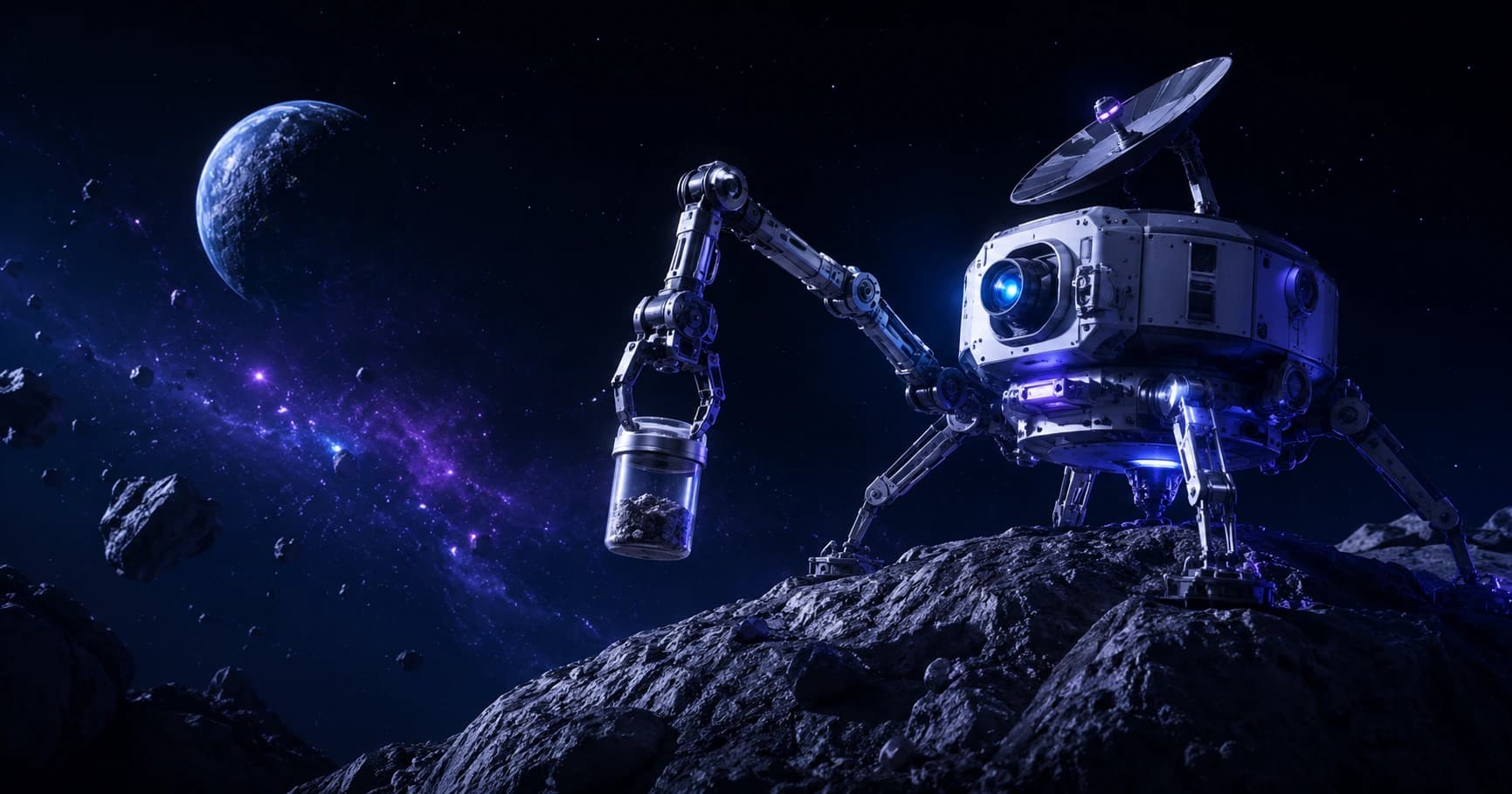
A plain-English explainer on how a robotic spacecraft collects and returns samples from a planetesimal like 98765, and why those few grams of rock rewrite solar system science.
A Robot Spacecraft Returned Samples From the Planetesimal 98765
When a robot spacecraft returned samples from the planetesimal 98765, it completed one of the hardest sequences in modern engineering: launch, multi-year cruise, proximity operations around a body with almost no gravity, contact, ascent, another cruise home, and a capsule slamming into Earth's atmosphere at over 12 km/s. Nothing about that chain is routine. This article explains how a mission like this actually works, what the samples tell scientists, and how the same engineering logic applies to any high-stakes technical project.
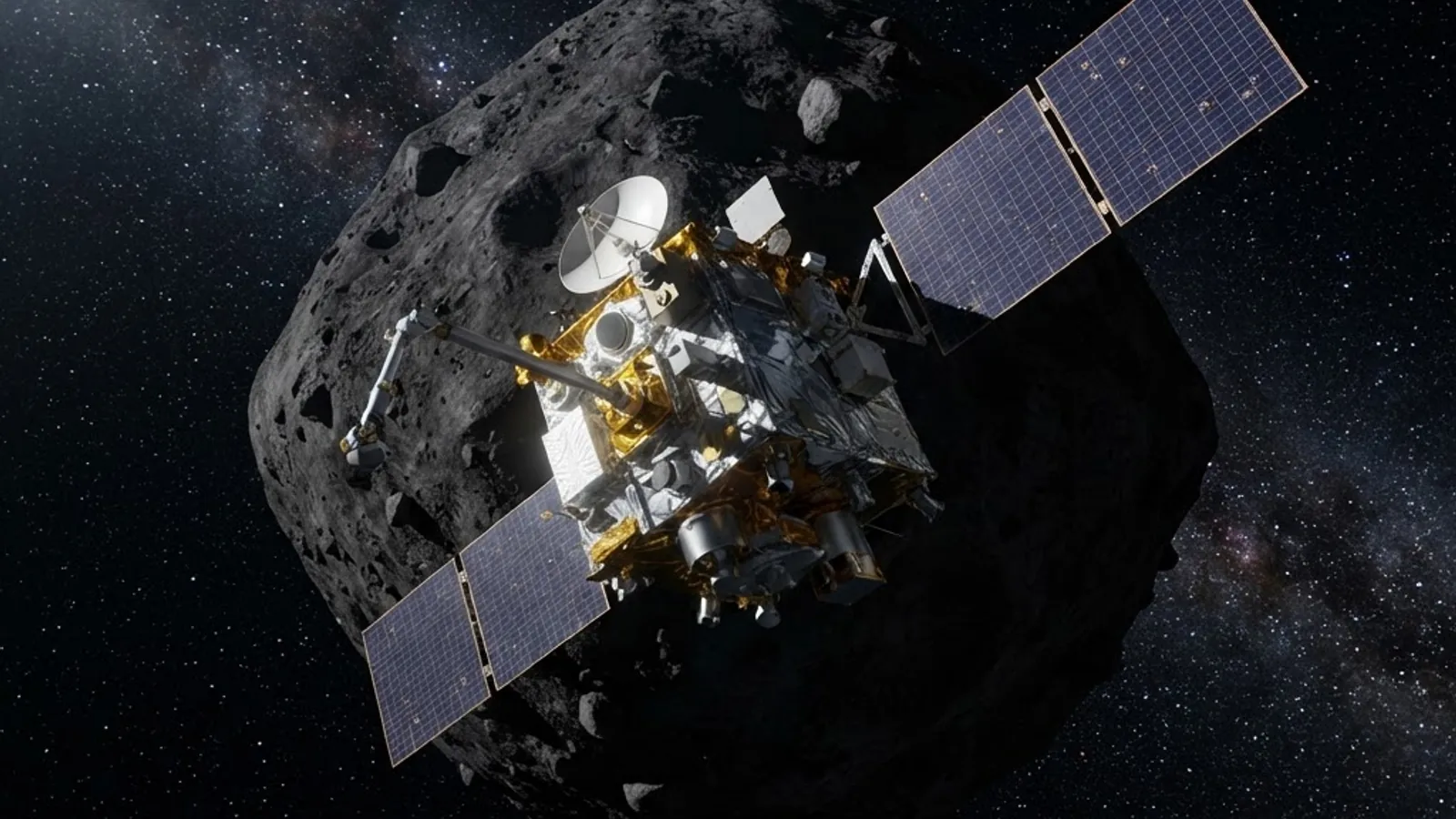
Quick Answer: A robot spacecraft returned samples from the planetesimal 98765 by rendezvousing with the small body, mapping it for months, briefly touching its surface to grab loose regolith, sealing the material in a capsule, and flying home to drop that capsule for parachute-assisted recovery. The pristine grains reveal 4.5-billion-year-old solar system chemistry that meteorites cannot preserve.
What Is a Planetesimal, and Why Sample 98765?
A planetesimal is a small solid body, typically a few hundred meters to several hundred kilometers across, that formed early in a star's protoplanetary disk and never grew into a full planet. In plain terms: it is a leftover building block. Because planetesimals are too small to have melted and re-sorted their interiors the way Earth did, their material is frozen in near-original condition.
Numbered object designations like 98765 point to a specific catalogued minor body. Targets in that class are chosen using four practical filters:
- Accessibility — the orbit must allow a launch window with achievable delta-v.
- Composition — spectral data must suggest carbon-rich or hydrated minerals worth the cost.
- Rotation and size — a body that spins too fast makes contact operations dangerous.
- Science return per gram — the material must answer questions meteorites cannot.
That last point is the real justification. Meteorites reach Earth already burned, weathered, and contaminated. Returned samples arrive sealed.
How the Mission Actually Worked, Step by Step
Sample return is not one maneuver. It is roughly eight distinct phases, each with its own failure modes.
1. Launch and Cruise
The spacecraft departs on a trajectory that often includes an Earth gravity assist to gain velocity without burning propellant. Cruise typically lasts two to four years. During this phase the team does almost nothing dramatic and everything important: instrument calibration, trajectory correction maneuvers, and rehearsal of the sampling sequence in simulation.
2. Approach and Survey
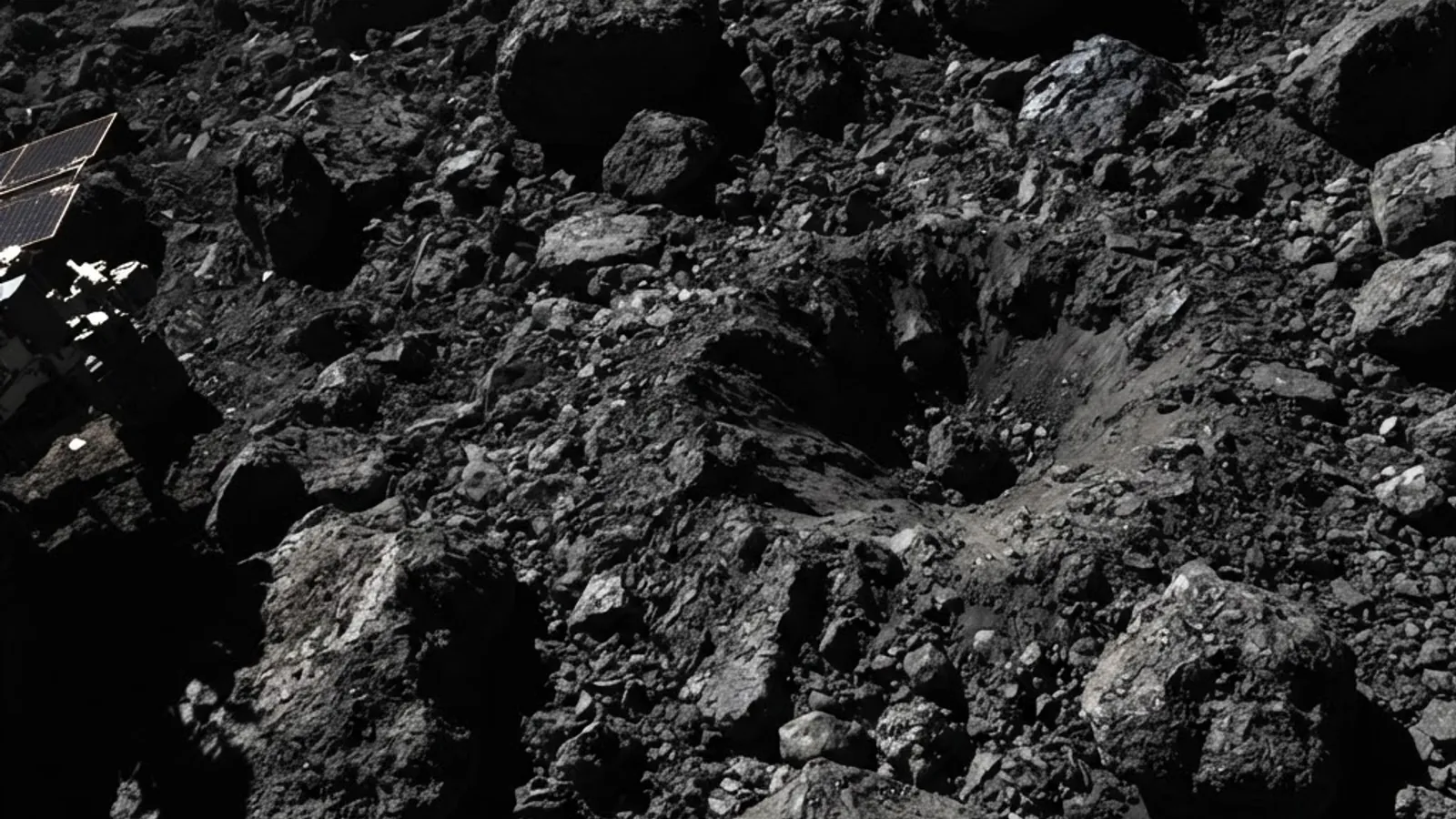
On arrival, the spacecraft does not land. It spends months imaging the planetesimal to build a shape model, measure its mass from gravitational nudges, map thermal properties, and hunt for a safe sampling site. Early asteroid missions expected sandy beaches and found boulder fields instead — a genuine surprise that forced navigation software to be updated in flight.
3. Rehearsal Descents
Before any real attempt, the vehicle performs dry runs that descend part-way and abort on purpose. This validates the autonomous hazard-avoidance logic, because at distances of hundreds of millions of kilometers, radio round-trip time makes joystick control impossible. The spacecraft must decide for itself.
4. Touch-and-Go Collection
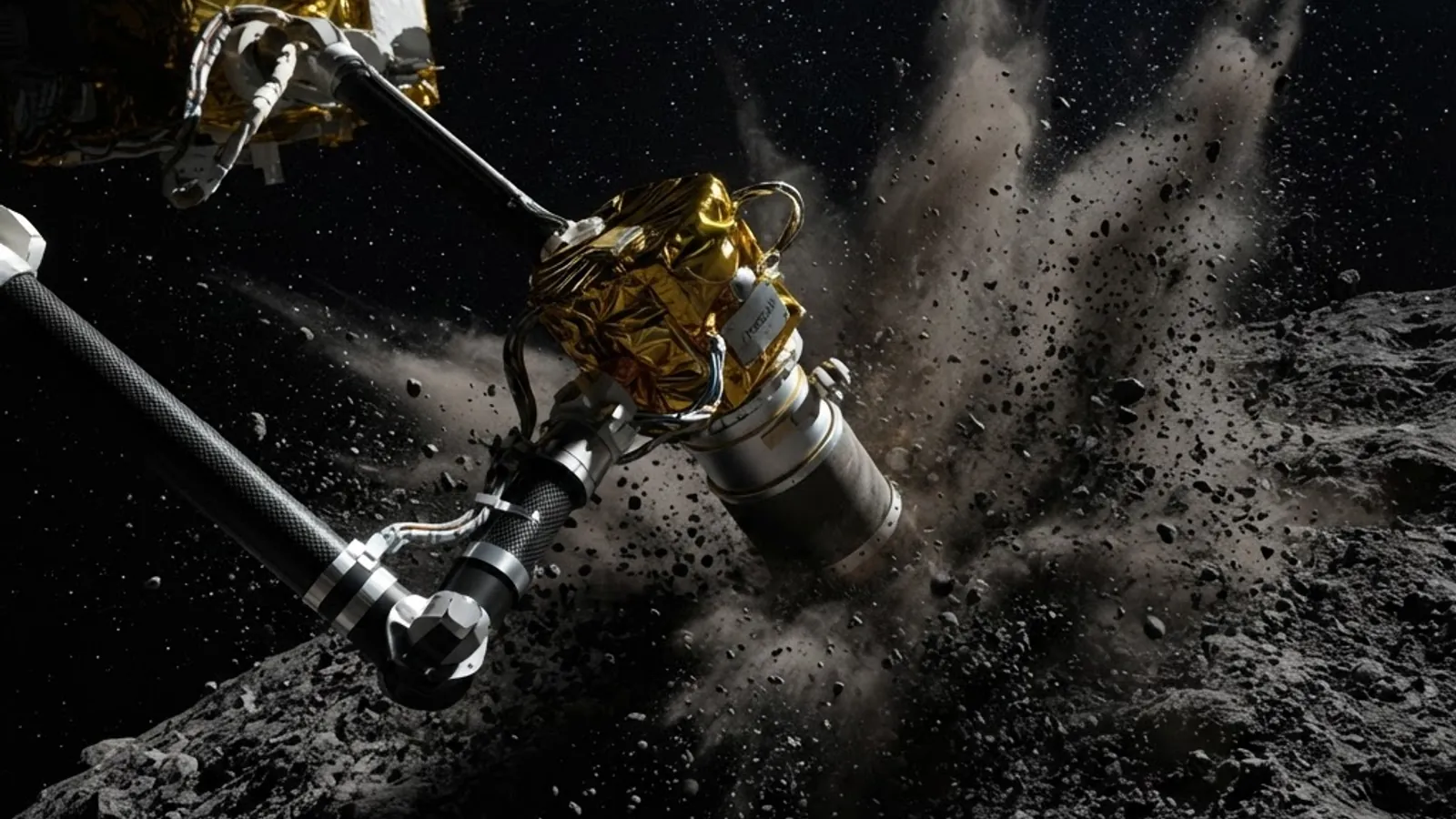
Gravity on a small planetesimal can be roughly 100,000 times weaker than Earth's, so "landing" is closer to docking with a cloud of gravel. The vehicle contacts the surface for a few seconds, fires nitrogen gas or uses a projectile to loft regolith into a collection head, then immediately backs away.
5. Mass Verification and Stowage
The team confirms it captured enough material — often by spinning the spacecraft and measuring the change in moment of inertia — then stows the head inside a sealed return capsule. Stowage is irreversible. Once the lid closes, the mission cannot try again.
6. Departure and Return Cruise
The spacecraft waits for the correct phasing window, then burns for Earth. Another multi-year cruise follows.
7. Capsule Release and Reentry
Hours before arrival, the mothership releases the capsule on a precisely targeted corridor and diverts itself away. The capsule enters the atmosphere, peaks at thousands of degrees on its heat shield, deploys a drogue and main parachute, and lands inside a predicted ellipse on a desert range.
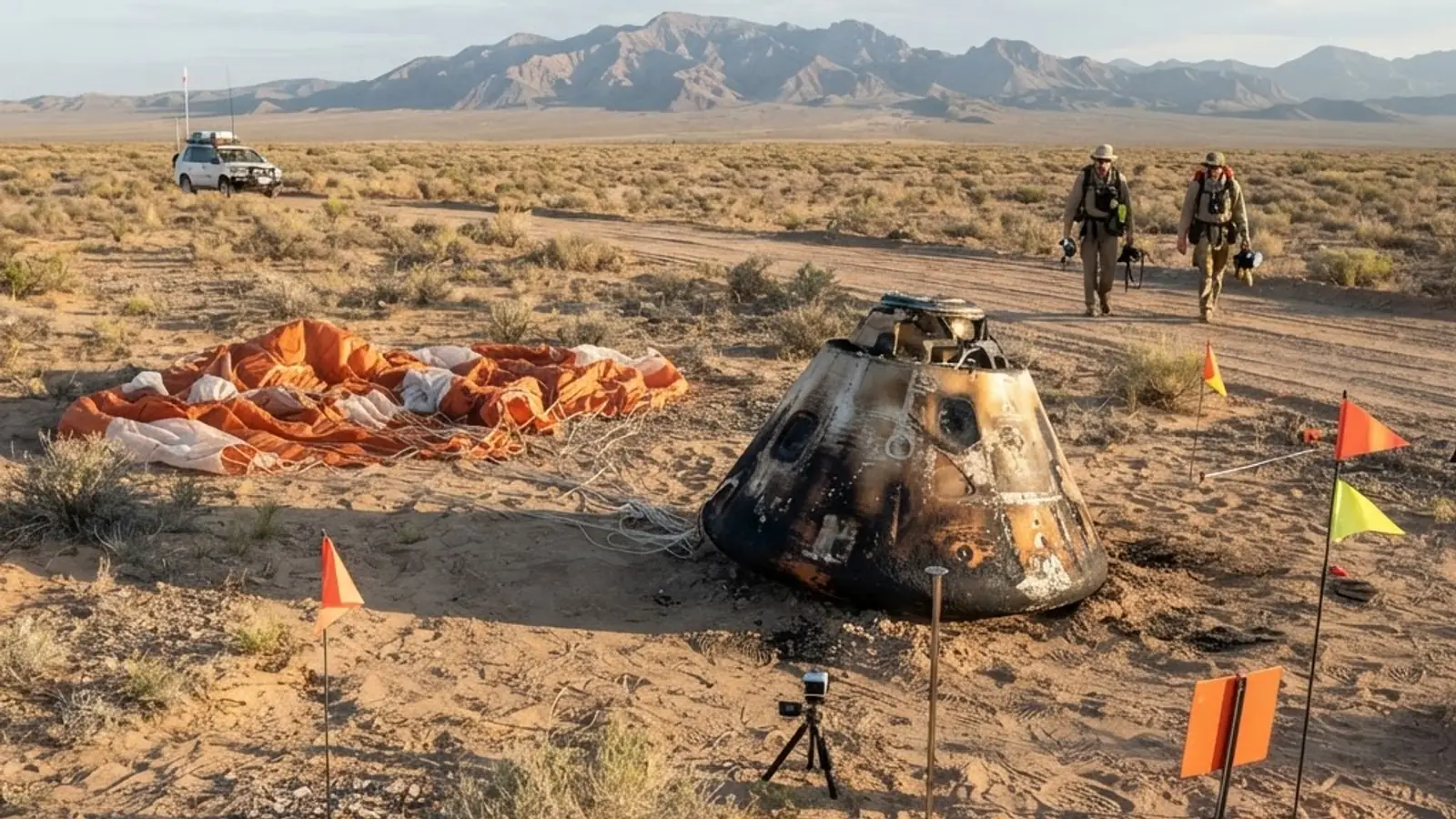
8. Recovery and Curation
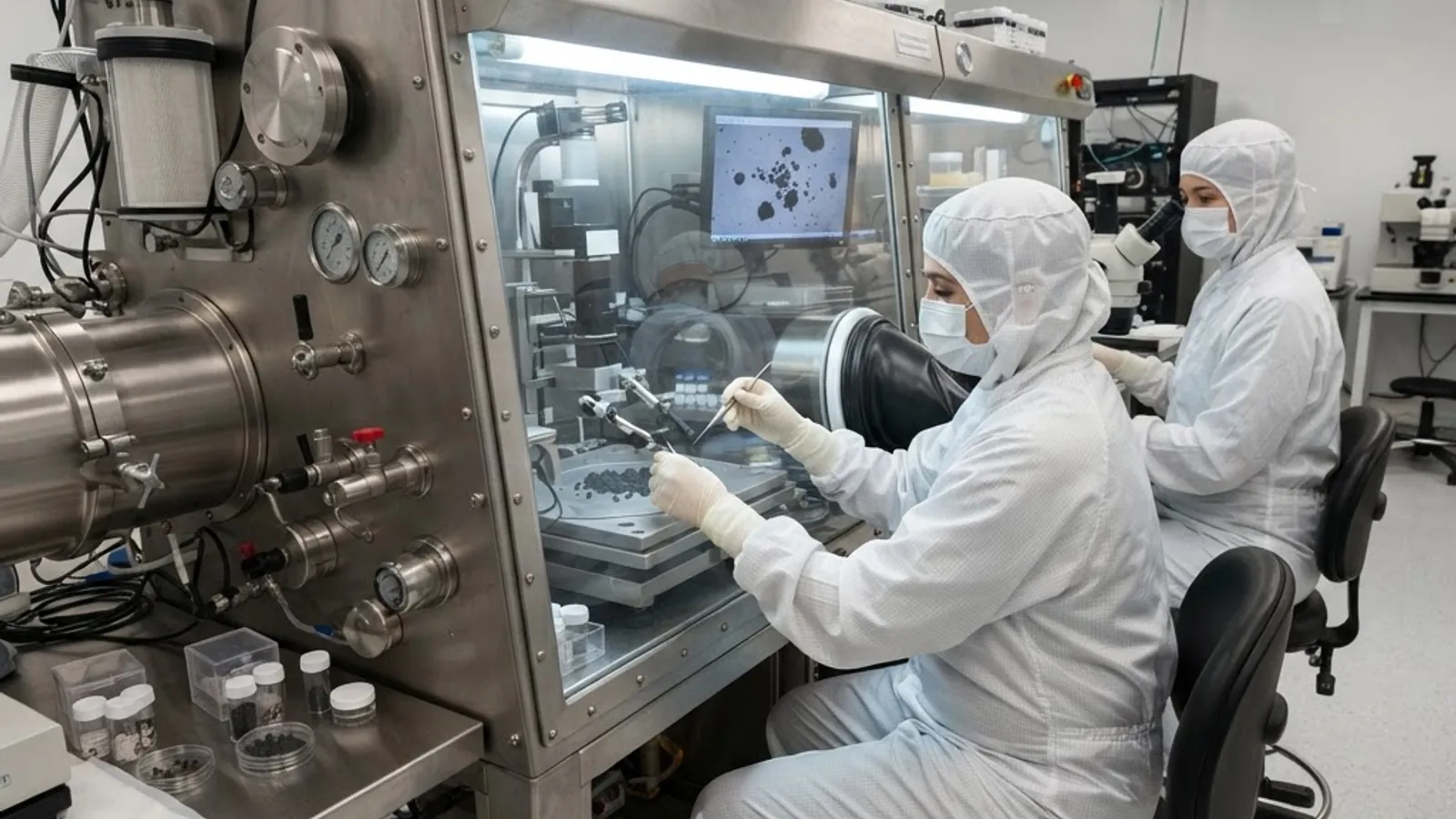
Recovery teams reach the capsule within hours, avoid touching it with bare hardware, and transport it to a nitrogen-purged clean room. Contamination control here is as demanding as the flight itself.
What the Samples From 98765 Reveal
The scientific value of returned planetesimal material sits in four areas:
- Age dating. Radiometric analysis of calcium-aluminium-rich inclusions in primitive bodies has dated solar system solids to roughly 4.567 billion years, giving researchers a hard zero point for planet formation timelines.
- Water and hydrated minerals. Clay minerals and carbonates indicate liquid water once flowed inside the parent body — direct evidence about how water reached the inner planets.
- Organic chemistry. Amino acids, nucleobases, and complex carbon compounds have been detected in returned asteroid material, supporting the view that prebiotic ingredients were widely available before life began.
- Space weathering. Comparing grains from the surface with shielded grains shows how solar wind and micrometeorite impacts alter reflectance — which recalibrates telescope observations of thousands of bodies we will never visit.
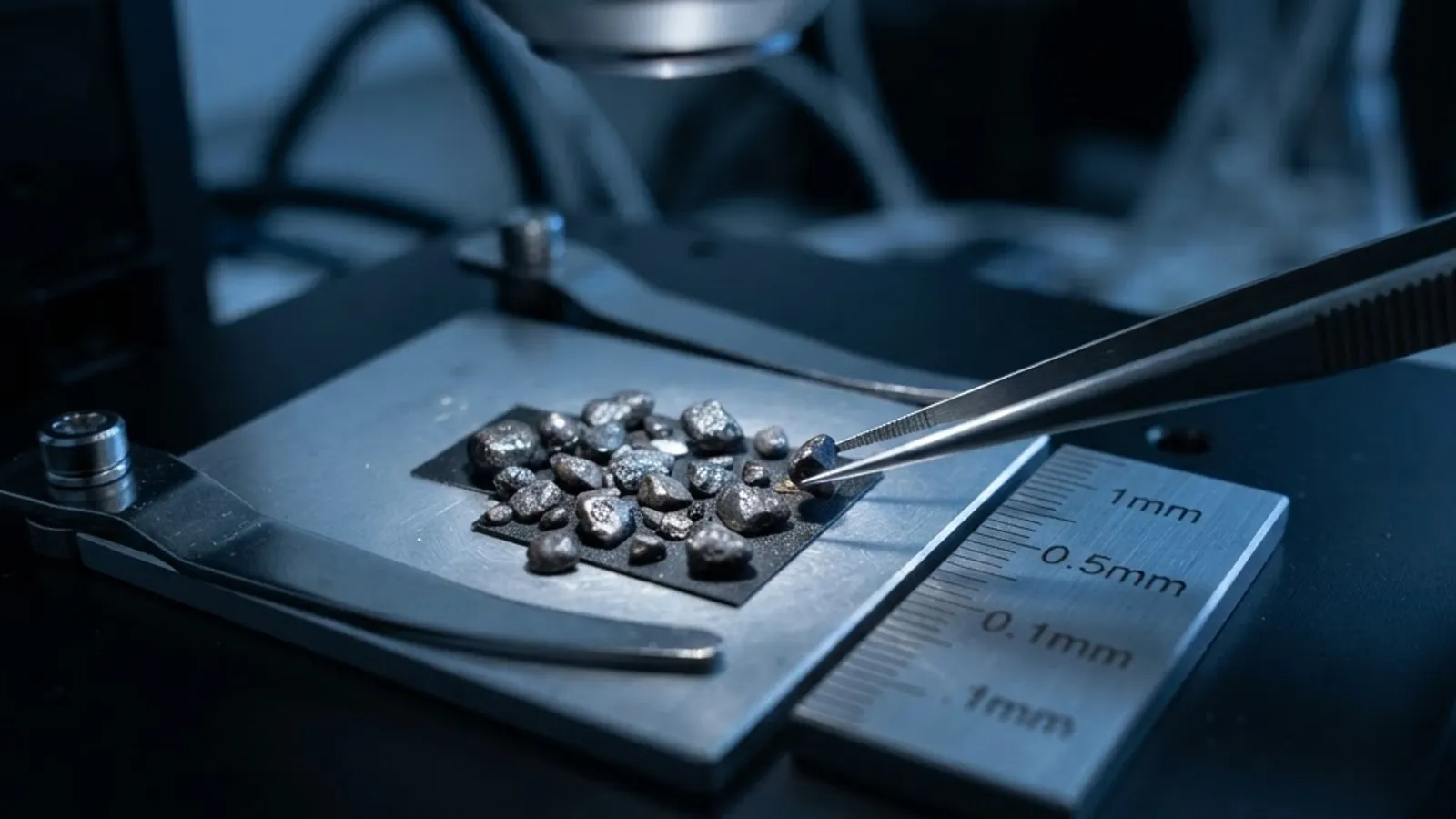
According to NASA, its OSIRIS-REx mission returned about 121.6 grams from asteroid Bennu, dramatically exceeding its 60-gram requirement. JAXA's Hayabusa2 returned roughly 5.4 grams from Ryugu against a 0.1-gram minimum. Those figures matter because sample science is destructive: a large surplus means laboratories worldwide can run independent tests for decades, and future instruments can re-examine untouched material.
Sample Return vs. Flyby vs. Meteorite Study
| Approach | Material Quality | Cost and Duration | Repeatable Analysis | Contamination Risk |
|---|---|---|---|---|
| Telescope or flyby observation | No physical sample | Low cost, short | Yes, data only | None |
| Orbiter with onboard instruments | No physical sample | Medium, 3-6 years | Limited to flown instruments | None |
| Meteorite found on Earth | Altered and weathered | Very low cost | Yes | High |
| Robotic sample return | Pristine, sealed, context known | High cost, 6-10 years | Yes, for decades | Very low |
The table explains the trade honestly. Sample return is the most expensive option and the only one that delivers unaltered material with known geological context. Everything else is either indirect or compromised.
Why Robots, Not Astronauts
Three engineering reasons make robotic collection the correct choice for planetesimals:
- Mass budget. Life support, radiation shielding, and consumables for a multi-year crewed cruise would multiply launch mass by an order of magnitude for the same few grams of rock.
- Risk profile. A failed touch-and-go costs a mission. A failed crewed contact costs lives.
- Autonomy is already sufficient. Modern optical navigation can match live camera frames to onboard terrain maps and abort within seconds, faster than any human in the loop across a light-minutes-wide gap.
This is the same logic behind good software architecture: automate the parts where latency kills, and keep humans on judgment calls made hours or days ahead of execution.
Engineering Lessons That Transfer to Earth Projects
Having delivered complex technical builds under fixed deadlines, our team at ZoneTechify recognises the pattern in these missions immediately. Four transferable practices stand out:
- Rehearse before you commit. Aborted practice descents map directly to staging environments and dry-run deployments. You learn the failure mode when failure is free.
- Design for the surprise, not the brochure. The boulder-field discovery forced in-flight software changes. Systems that can be reconfigured after launch survive; rigid ones do not.
- Set a requirement, then over-deliver against it. A 60-gram target met with 121.6 grams is a margin strategy, not luck. Build the same slack into bandwidth, storage, and timelines.
- Protect the payload end to end. Contamination control from stowage to clean room mirrors data integrity: one weak link in the chain invalidates everything upstream.
Teams building performance-critical platforms and measurable technical systems can apply this thinking through WebPeak, where the same margin-and-rehearsal discipline reduces launch-day surprises.

What Happens Next With the 98765 Material
Curation teams typically distribute samples in tiers. A first fraction goes to the mission science team for initial characterisation. A second fraction goes to international partners under prior agreements. A large majority — often around 70 percent — is archived untouched for future generations with better instruments. That archiving decision is deliberate humility: the most important measurement on this material may require technology nobody has invented yet.
Key Takeaways
- A planetesimal is a primitive leftover building block from the solar system's formation, chemically frozen because it never grew large enough to melt and differentiate.
- Robotic sample return involves roughly eight phases, and the touch-and-go contact lasts only seconds under near-zero gravity.
- NASA's OSIRIS-REx returned about 121.6 grams from Bennu against a 60-gram requirement; JAXA's Hayabusa2 returned about 5.4 grams from Ryugu against a 0.1-gram minimum.
- Primitive solar system solids date to roughly 4.567 billion years, anchoring planet-formation timelines.
- Returned samples beat meteorites because they are sealed, uncontaminated, and tied to a known parent body and location.
- Most returned material is archived untouched so future instruments can re-analyse it.
Frequently Asked Questions (FAQ)
What does it mean that a robot spacecraft returned samples from a planetesimal?
It means an uncrewed vehicle flew to a small primitive body, collected surface material, sealed it in a capsule, and delivered that capsule back to Earth. Scientists then study genuinely pristine rock and dust in laboratories instead of relying on remote sensing or weathered meteorites.
How is a planetesimal different from an asteroid or a comet?
Planetesimal describes origin and role: an early solid building block that never became a planet. Asteroid and comet describe what we observe today, mainly rocky versus icy and active. Many asteroids are surviving planetesimals, so the terms overlap without being interchangeable.
How long does a sample return mission usually take?
Most robotic sample return missions run six to ten years from launch to capsule recovery. That includes a two-to-four-year outbound cruise, several months to over a year of surveying the target, the brief collection event, and another multi-year cruise home before atmospheric reentry.
Why do so few grams of material matter so much?
Modern laboratory instruments can analyse micrograms. A few grams supports thousands of separate measurements of isotopes, minerals, and organic compounds. Because the material is uncontaminated and its collection location is known precisely, each grain carries context no meteorite on Earth can provide.
Could returned planetesimal samples be dangerous to Earth?
No credible biological risk exists for airless small bodies, which face vacuum, extreme temperature swings, and constant radiation. Agencies still apply strict planetary protection and containment protocols, mainly to protect the sample from Earth contamination rather than to protect Earth from the sample.
What do scientists hope to learn next from this material?
Priorities include measuring water-bearing minerals to trace how oceans formed, cataloguing organic molecules relevant to prebiotic chemistry, dating individual grains to refine formation timelines, and calibrating telescope spectra so thousands of unvisited small bodies can be interpreted with far greater confidence.