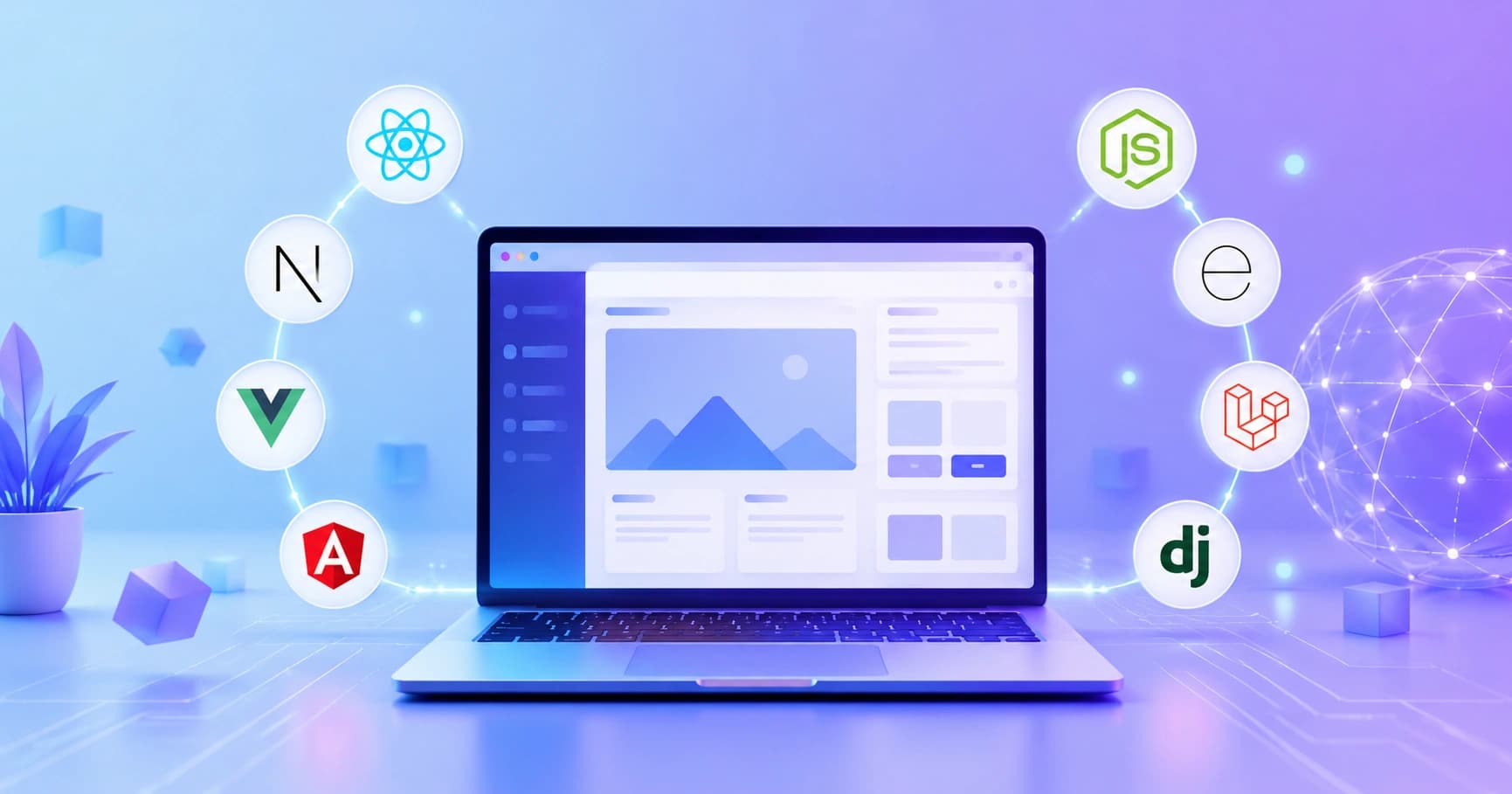
A practical, engineering-led guide to choosing the best web application framework in 2026, comparing Next.js, Laravel, Django, Rails, SvelteKit and Nuxt across performance, hiring, and scaling.
Best Web Application Framework
Choosing a web application framework is the single most expensive technical decision most teams make, because everything after it inherits the cost. Hiring, hosting bills, security posture, page speed, and how fast you ship features for the next five years all trace back to that one choice. Yet most teams pick based on what trended on social media last quarter rather than what their product actually needs.
This guide takes the opposite approach. Instead of naming one winner, it shows you how senior engineering teams actually decide, then names the best framework for each specific situation with the reasoning attached.
Quick Answer: There is no single best web application framework for every project. Next.js is the strongest default for most modern web apps in 2026 because of its React ecosystem, server rendering, and deployment simplicity. Laravel wins for content-heavy business apps, Django for data and AI workloads, and SvelteKit for lean, performance-critical products.
What Is a Web Application Framework?
A web application framework is a structured collection of libraries, conventions, and tooling that handles the repetitive parts of building software for the web: routing, rendering, data access, authentication, form handling, and build output. Instead of assembling twenty unrelated packages, you adopt a framework's opinions and inherit a tested path from request to response.
The practical difference between a framework and a library matters here. A library is code you call. A framework is code that calls you. React is a library for building user interfaces. Next.js is a framework that decides how those interfaces are routed, rendered, cached, and deployed. That inversion of control is exactly why the choice is so hard to reverse later.
The Honest Answer: Best Depends on Four Variables
After shipping production applications across stacks, we have found that framework fit reduces to four questions, in this order:
- What kind of application is it? A real-time dashboard, a marketing site, and a multi-tenant SaaS billing system have almost nothing in common architecturally.
- Who will maintain it? The best framework is one your team can hire for and debug at 2 a.m.
- What are the rendering requirements? SEO-critical pages need server rendering. An internal admin tool behind a login does not.
- What is the realistic scale ceiling? Optimising for ten million users when you have zero is the most common form of premature engineering.
If you cannot answer all four, no framework comparison will help you. Answer them first, and the shortlist usually shrinks to two options.

Framework Comparison Table
| Framework | Language | Best For | Rendering Model | Learning Curve | Hiring Pool |
|---|---|---|---|---|---|
| Next.js | TypeScript | SaaS, marketplaces, SEO-driven apps | SSR, SSG, ISR, streaming | Moderate | Very large |
| Laravel | PHP | Business apps, CRMs, admin-heavy tools | Server rendered, Inertia optional | Low to moderate | Large |
| Django | Python | Data platforms, AI and ML products | Server rendered, DRF for APIs | Moderate | Large |
| Ruby on Rails | Ruby | Fast MVPs, transactional products | Server rendered, Hotwire | Low | Moderate |
| SvelteKit | TypeScript | Performance-critical, lean bundles | SSR, SSG, CSR | Low | Smaller |
| Nuxt | TypeScript | Vue teams, content platforms | SSR, SSG, hybrid | Moderate | Moderate |
Next.js: The Strongest Default in 2026
Next.js is the best general-purpose web application framework right now, and the reason is not hype. It is the only mainstream framework where server rendering, static generation, incremental revalidation, streaming, and API routes live behind one coherent mental model, with the largest component ecosystem in existence sitting underneath it.
According to the 2024 Stack Overflow Developer Survey, React remains the most used web framework or library among professional developers, used by roughly 39 percent of respondents. That number is not a popularity contest trophy. It is a hiring and support guarantee. When you hit an obscure hydration bug, someone has already documented it.

Where Next.js Genuinely Wins
- SEO plus interactivity in one codebase. You can server render a product page for crawlers and hydrate it into a rich application without maintaining two stacks.
- Granular caching. Route-level and function-level caching means a pricing page can be static while a dashboard stays fully dynamic.
- Incremental adoption. You can migrate a legacy app route by route rather than in one risky rewrite.
Where Next.js Is the Wrong Choice
If your application is a form-heavy internal tool with no SEO requirement and a small team unfamiliar with React, Next.js adds ceremony you will pay for weekly. Server and client component boundaries, cache invalidation, and hydration debugging are real costs. A Laravel or Rails monolith would ship the same product faster.
Teams that want this decision made correctly the first time usually bring in specialists. Our engineering group at ZoneTechify documents these tradeoffs openly, including our detailed breakdown of the best web development framework options for different product types.
Laravel and Django: The Underrated Workhorses
Laravel is the best framework for business applications where the database is the product. Invoicing, inventory, CRM, booking systems, internal operations tools. Its ecosystem ships queues, scheduling, mail, file storage, and authorisation as first-class features rather than community add-ons. A single senior developer can deliver a complete multi-tenant billing system in Laravel faster than a three-person team wiring the same features into a JavaScript stack.
Django is the best framework when your application is fundamentally about data. If your roadmap includes recommendation engines, forecasting, document processing, or anything touching Python's scientific and machine learning libraries, Django removes an entire integration layer. Your model training code and your web application share the same language and the same objects.

A useful rule from real projects: if more than 40 percent of your planned features are CRUD screens over a relational schema, a mature server-rendered framework will beat a JavaScript meta-framework on delivery speed almost every time.
SvelteKit and Nuxt: When Constraints Favour Them
SvelteKit compiles components into small imperative JavaScript instead of shipping a runtime, so bundles are meaningfully smaller. That matters for a specific and important class of product: consumer applications where a large share of traffic arrives on mid-range mobile devices over unreliable networks.
Google's own field data has consistently shown that as page load time grows from one to five seconds, the probability of a mobile visitor bouncing increases dramatically. If your conversion funnel is mobile-first and every kilobyte moves revenue, SvelteKit's smaller payload is a business argument, not an aesthetic preference.
Nuxt is the correct answer when your team already thinks in Vue. Framework migration costs are usually underestimated by a factor of two or three, and a productive Vue team on Nuxt will outperform the same team learning React on Next.js for at least the first two quarters.
Performance: What Actually Matters
Benchmark charts comparing requests per second are the least useful data in this decision. In production web applications, framework overhead is rarely the bottleneck. Database queries, unindexed lookups, oversized images, third-party scripts, and network round trips dominate real-world latency.
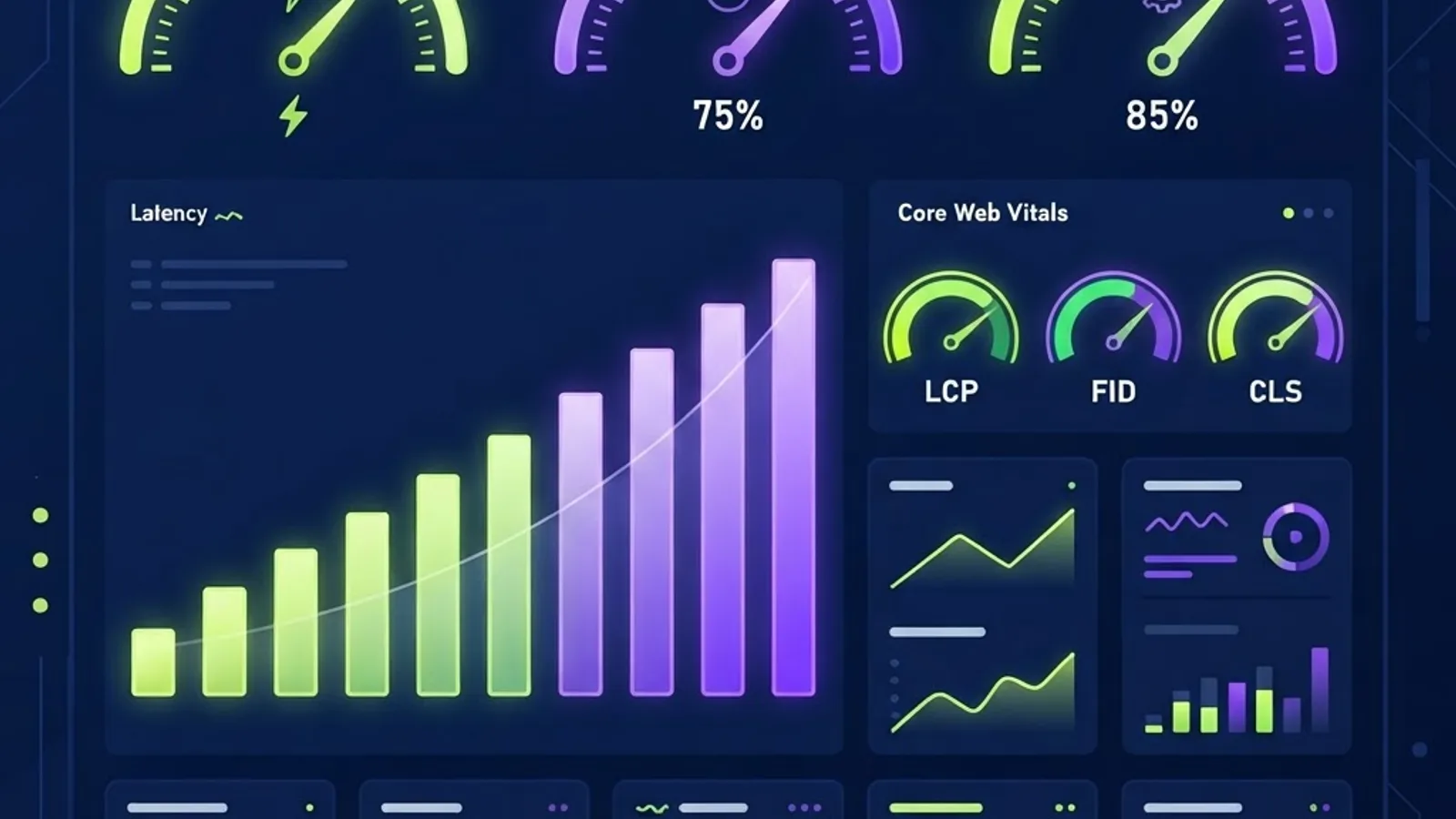
What framework choice genuinely affects:
- Time to first byte, through rendering strategy and caching capability.
- JavaScript payload size, which drives interaction latency on low-end devices.
- Cache invalidation granularity, which determines whether you can serve fresh data without rebuilding everything.
Evaluate frameworks on those three axes with your own data shape. A synthetic hello-world benchmark tells you nothing about how your app behaves with a hundred database joins.
Developer Experience Compounds
Developer experience is not a comfort metric. It is a velocity multiplier that compounds across every sprint. Measure it concretely before committing:
- Time from clone to running locally. Anything over fifteen minutes signals configuration debt.
- Feedback loop speed. How long between saving a file and seeing the result?
- Error message quality. Do failures point at the actual cause or at a stack trace inside the framework?
- Migration story. How painful was the last major version upgrade for real teams?
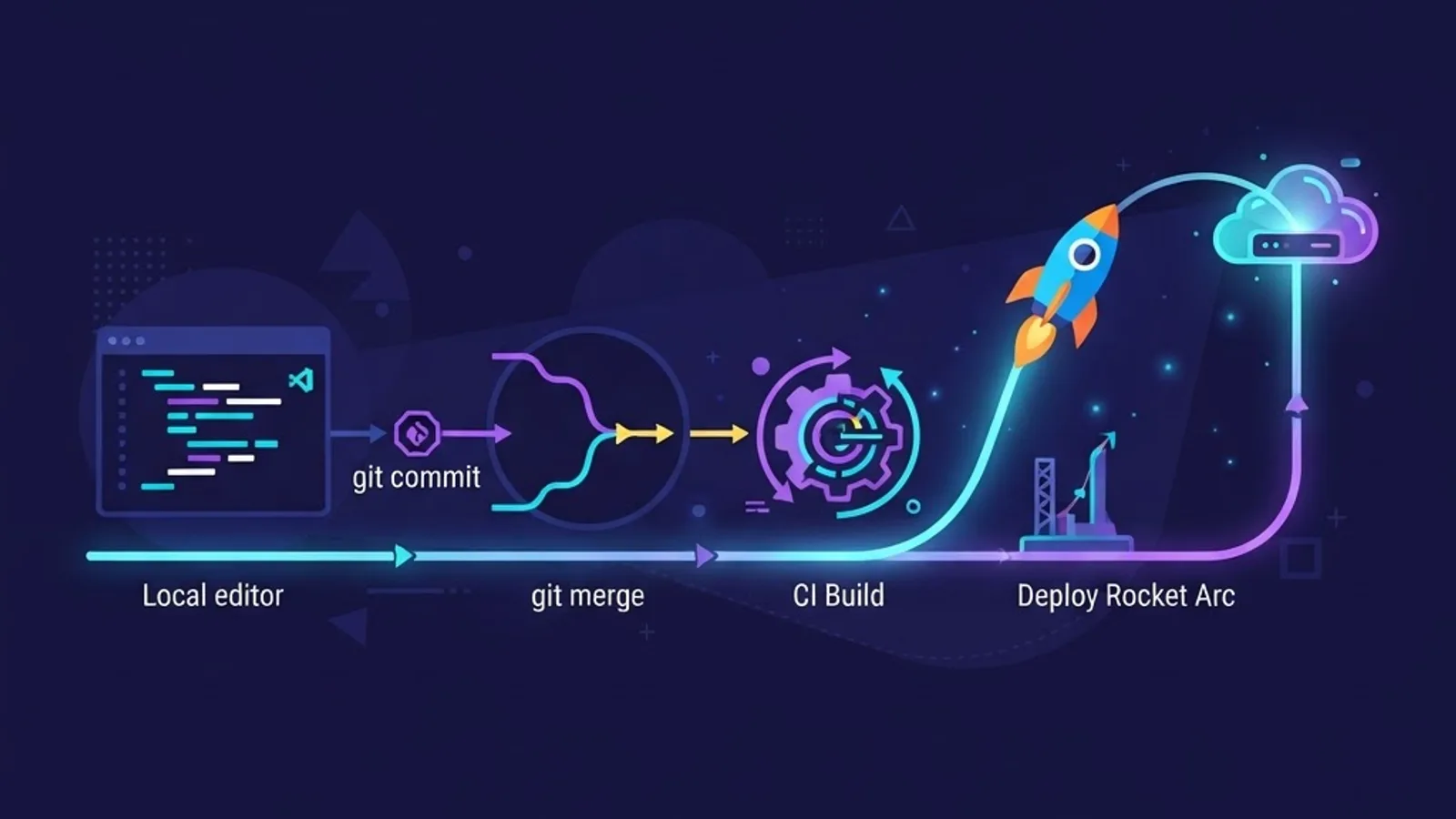
That fourth point deserves weight. A framework with an aggressive release cadence and poor upgrade paths silently taxes you every year. Check the changelog history, not the marketing page.
Developers strengthening their fundamentals before specialising will get more out of these frameworks, and the web programming skills breakdown covers the underlying competencies that transfer across every stack. For teams building on mobile alongside web, the best mobile app development framework comparison applies the same evaluation logic to native and cross-platform choices.
Scaling and Long-Term Maintenance
Most frameworks scale further than most products ever need. The real scaling constraint is architectural, not framework-level: where state lives, how you cache, how you shard, and how background work is queued.

Three decisions matter more than your framework name at scale:
- Keep business logic framework-agnostic. Domain rules in plain functions or service classes can survive a framework migration. Logic buried in controllers and route handlers cannot.
- Choose boring data infrastructure. PostgreSQL with correct indexes outlasts exotic databases chosen for benchmark headlines.
- Make background work explicit. Queues and scheduled jobs should be visible infrastructure, not hidden inside request handlers.
Teams that need senior execution rather than framework debate often work with a KPI-driven web agency that has already shipped across multiple stacks and can pick the one your product actually needs.
Key Takeaways
- Next.js is the best default web application framework in 2026 for SEO-critical, interactive products, backed by React's position as the most used web framework among professional developers at roughly 39 percent adoption.
- Laravel is the fastest path for database-driven business applications; Django is the best fit when machine learning or data processing is central.
- SvelteKit is the strongest choice for mobile-first consumer products, where load time increases from one to five seconds sharply raise bounce probability.
- Framework choice affects time to first byte, JavaScript payload, and cache granularity. It rarely causes production bottlenecks by itself.
- Team expertise and hiring availability should outweigh benchmark results in nearly every real decision.
- Keeping business logic outside framework-specific files is the single best insurance against a future migration.
Frequently Asked Questions (FAQ)
What is the best web application framework for beginners?
Laravel and Ruby on Rails are the friendliest starting points because they ship batteries-included conventions and clear documentation. Beginners can build a complete authenticated application without assembling separate packages. If you already know JavaScript, Next.js is a reasonable first framework, though its rendering model takes longer to master.
Is Next.js better than Laravel for web applications?
Neither is universally better. Next.js wins for public-facing, SEO-driven, highly interactive products where one language spans frontend and backend. Laravel wins for admin-heavy, database-centric business systems where speed of delivery matters most. Choose based on your feature mix, not general popularity rankings.
Which web framework is fastest in 2026?
SvelteKit typically ships the smallest JavaScript bundles, giving it an edge in client-side interaction speed. For server response times, compiled and lightweight runtimes lead synthetic benchmarks. In production, however, database design, caching strategy, and image handling affect real speed far more than framework choice does.
Can I change my web application framework later?
Yes, but it is expensive and rarely quick. Migrations are far cheaper when business logic lives in framework-independent modules and your API boundary is stable. Incremental route-by-route migration is safer than a full rewrite, which historically stalls or fails more often than teams expect.
Do I need a full-stack framework or just a frontend one?
If your application needs authentication, a database, payments, or background jobs, use a full-stack framework or pair a frontend framework with a dedicated backend. Frontend-only frameworks are sufficient for static marketing sites and prototypes, but they push complexity into third-party services later.
How important is community size when picking a framework?
Very important for production work. A large community means faster answers, more tested libraries, better security review, and an easier hiring pipeline. A technically superior framework with a small ecosystem can cost more in debugging hours than it saves in raw performance gains.