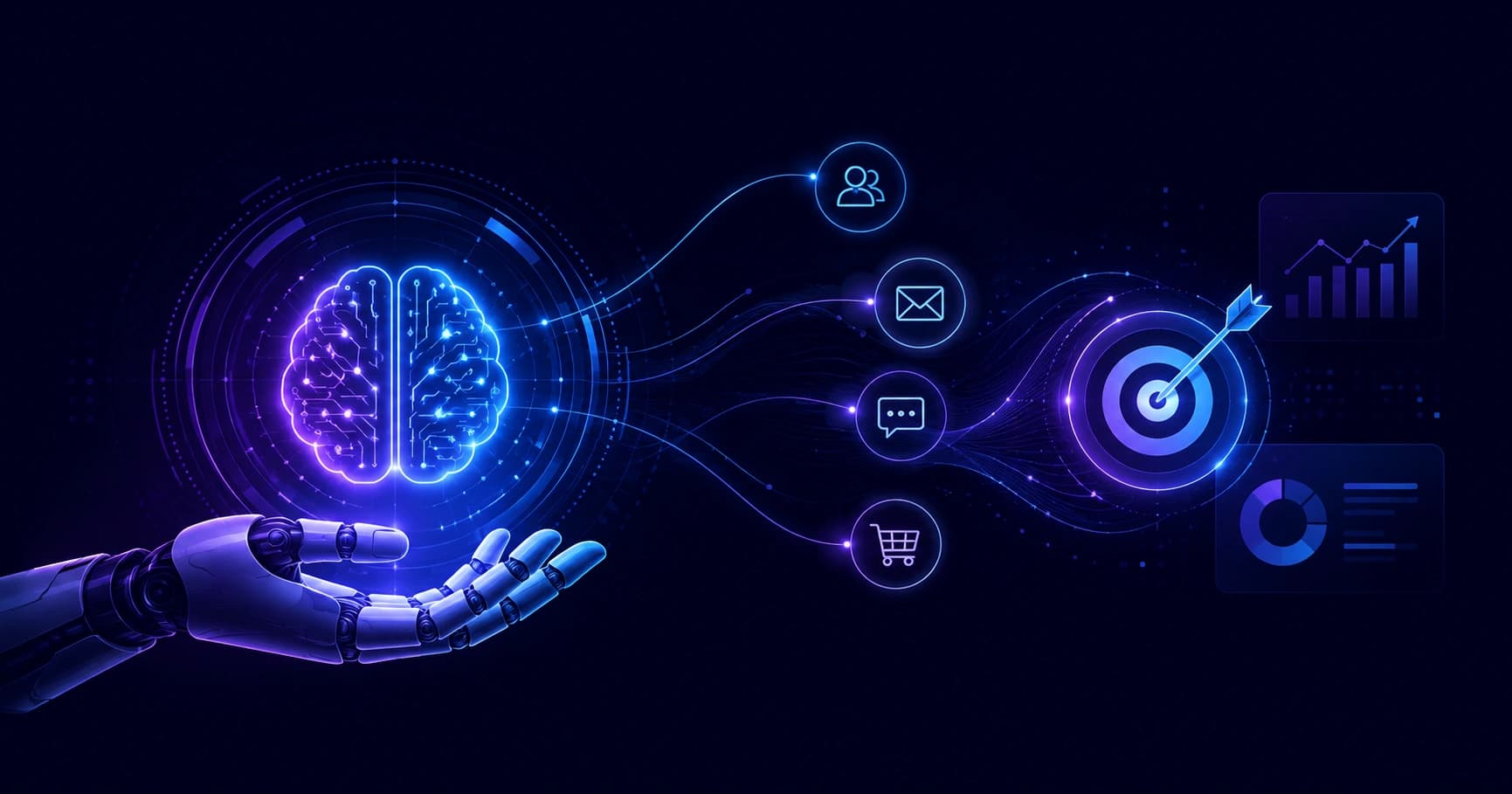
Discover how harnessing the power of artificial intelligence in marketing automation boosts personalization, predicts customer behavior, and grows real ROI.
Harnessing the Power of Artificial Intelligence in Marketing Automation
Marketing teams are drowning in data and starving for time. Every customer leaves a trail of clicks, opens, purchases, and hesitations, yet most businesses act on a fraction of that signal. Artificial intelligence closes this gap by turning raw behavioral data into automated, timely, and deeply personal marketing decisions, executed at a scale no human team could match.
After helping brands rebuild their marketing stacks, one pattern is clear: AI does not replace marketers, it removes the manual friction that keeps them from strategy. This guide breaks down exactly how AI powers marketing automation, where it delivers measurable returns, and how to implement it without wasting budget on hype.
Quick Answer: Artificial intelligence powers marketing automation by analyzing customer data to predict behavior, segment audiences, personalize content, and trigger the right message at the right moment. It automates repetitive tasks, improves targeting accuracy, and increases conversions and ROI while freeing marketers to focus on strategy.
What Is AI in Marketing Automation?
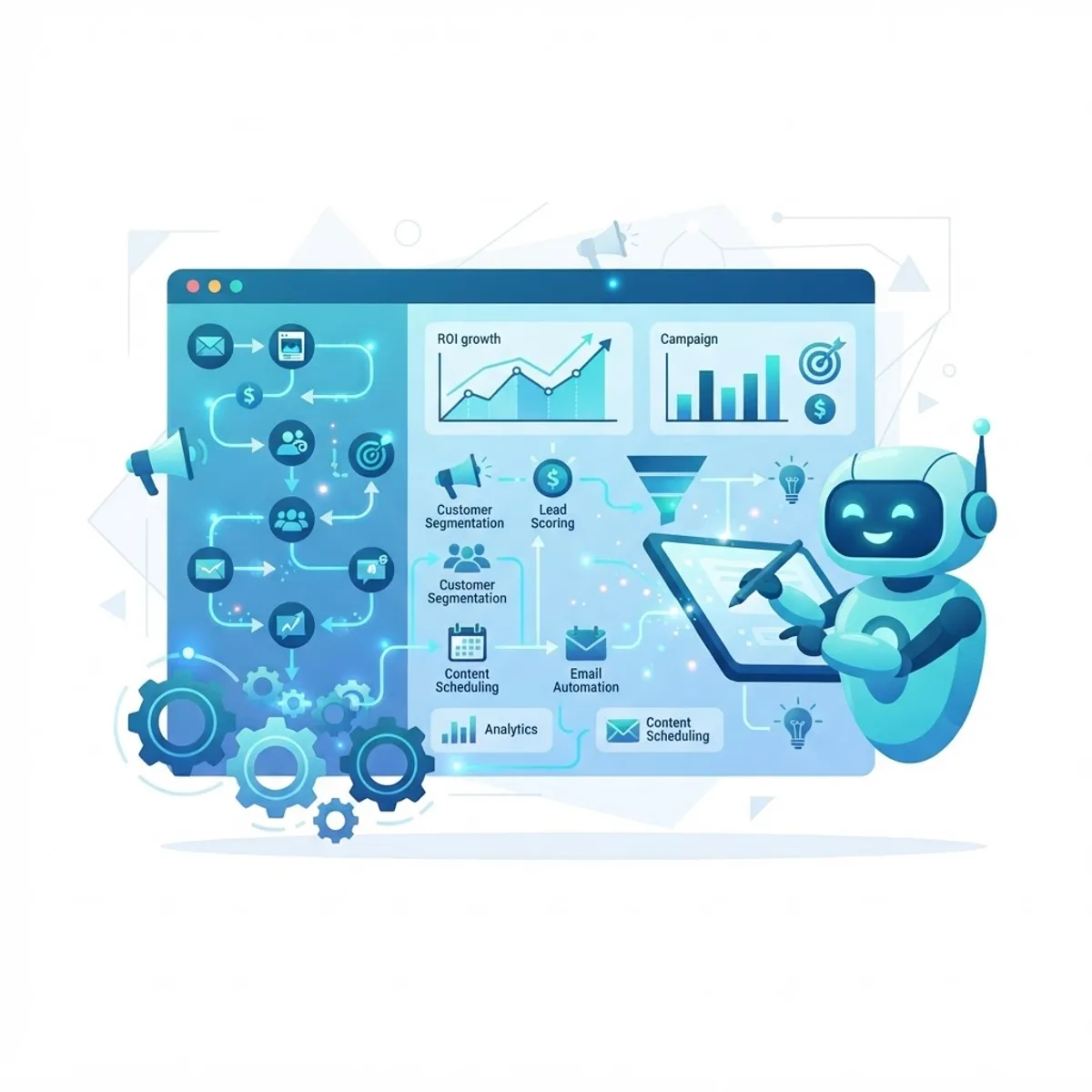
AI in marketing automation is the use of machine learning, natural language processing, and predictive models to run marketing tasks that once required constant human input. Traditional automation follows fixed rules, such as sending an email two days after signup. AI-driven automation goes further: it learns from every interaction and decides who to target, what to say, and when to send, adjusting in real time.
The difference is decision-making. Rule-based tools do what you tell them. AI tools figure out what works, then do more of it. This shift transforms automation from a set of static workflows into a living system that improves with every campaign.
Why AI Marketing Automation Matters Now
The business case is no longer theoretical. According to McKinsey, companies that use AI in marketing and sales report revenue uplifts of 3 to 15 percent and marketing ROI increases of 10 to 20 percent. The reason is efficiency compounded by relevance: AI cuts wasted spend while sharpening targeting.
Customer expectations reinforce the trend. Research from Salesforce found that 73 percent of customers expect companies to understand their unique needs and expectations, something impossible to deliver manually across thousands of contacts. AI makes one-to-one relevance operationally realistic.
There is also a competitive cost to waiting. As more brands adopt AI-driven personalization, generic mass emails and untargeted ads feel increasingly out of place, dragging down engagement for anyone still relying on them. Agencies like ZoneTechify and WebPeak increasingly build AI into automation from day one because retrofitting it later is slower and more expensive.
Core Ways AI Powers Marketing Automation
AI touches nearly every stage of the marketing funnel. Below are the five applications that consistently deliver the strongest, most measurable results.
1. Intelligent Customer Segmentation
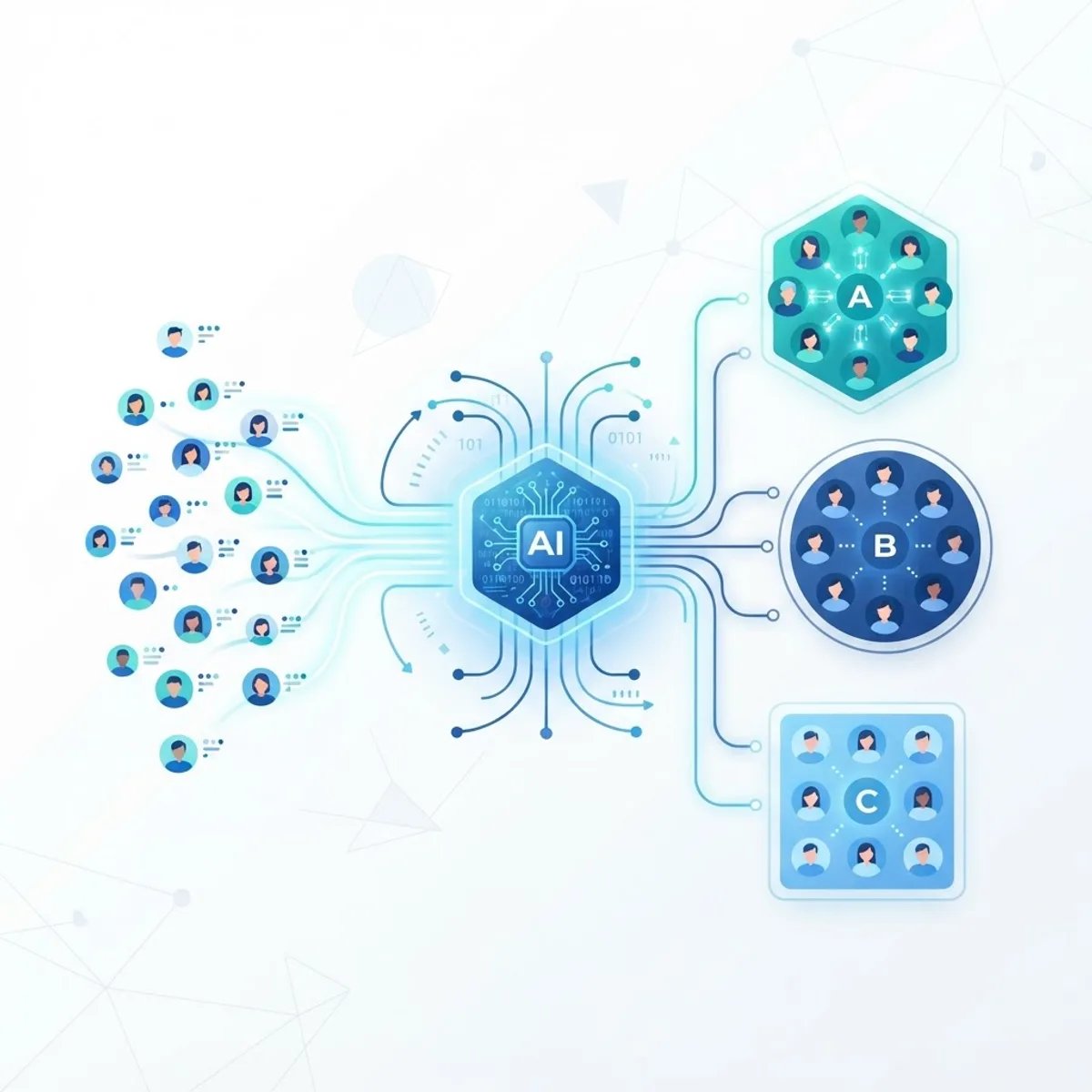
AI segmentation groups customers by real behavior and predicted intent rather than broad demographics. Instead of a single list of everyone aged 25 to 40, AI creates micro-segments such as high-value buyers likely to churn or first-time visitors showing purchase signals.
These clusters update automatically as behavior changes, so a customer who becomes highly engaged this week is treated differently than one who has gone quiet. This dynamic accuracy is the foundation of every effective personalized campaign.
2. Predictive Analytics and Lead Scoring
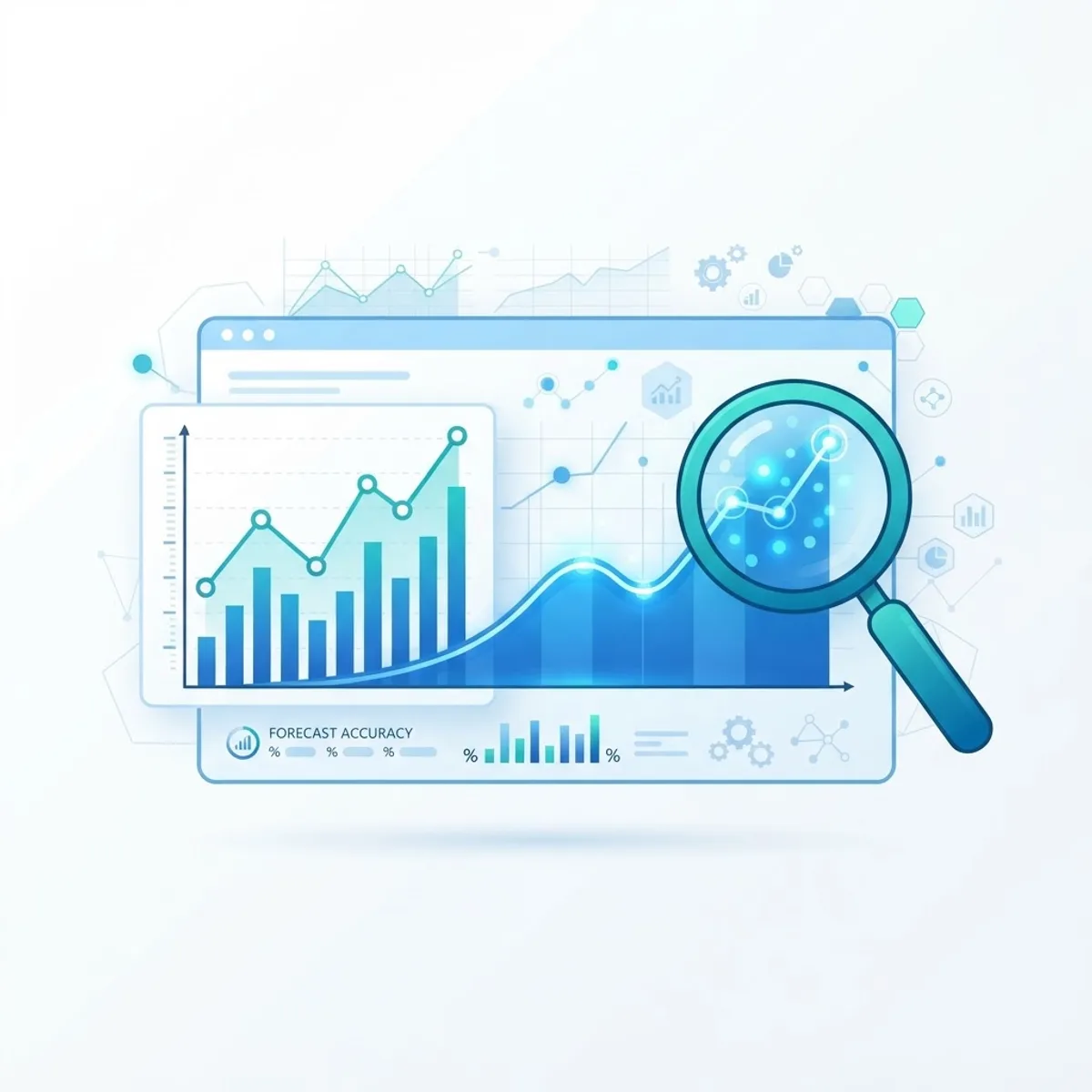
Predictive analytics uses historical data to forecast future actions, such as which leads will convert or which customers will unsubscribe. AI assigns each contact a probability score, letting teams focus energy where it pays off.
Instead of sales chasing every lead equally, they prioritize the 20 percent most likely to buy. Marketing can trigger retention offers to customers flagged as churn risks before they leave. This forward-looking view turns marketing from reactive to proactive.
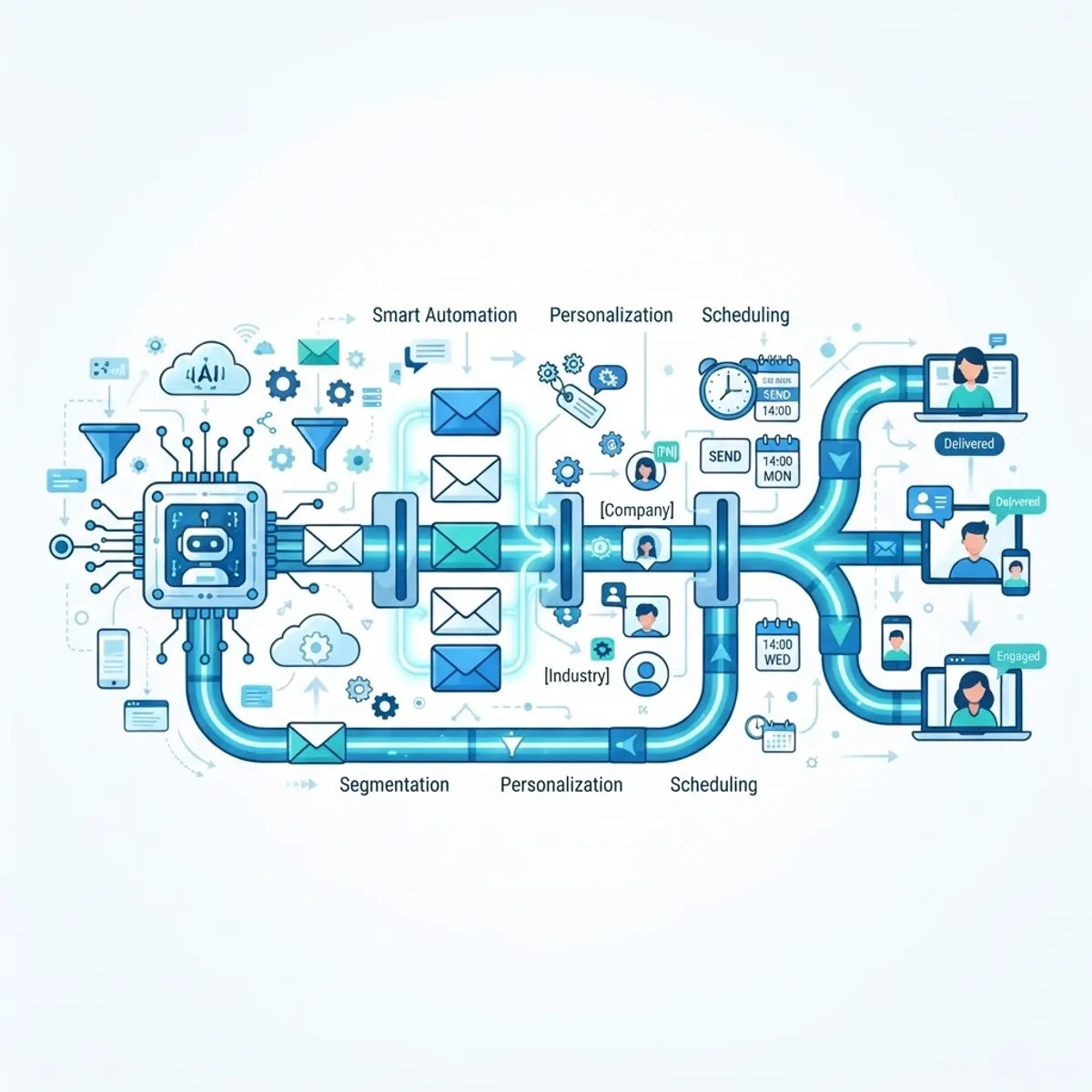
3. AI-Driven Email Marketing
AI optimizes email by choosing send times, subject lines, and content variations tailored to each recipient. Rather than a single send time for everyone, AI learns when each subscriber typically opens and delivers accordingly.
It can also generate and test subject line variants, predict which offer a subscriber wants next, and automatically suppress contacts likely to mark a message as spam. The result is higher open and click rates from the same list, without extra manual work.
4. Conversational AI and Chatbots
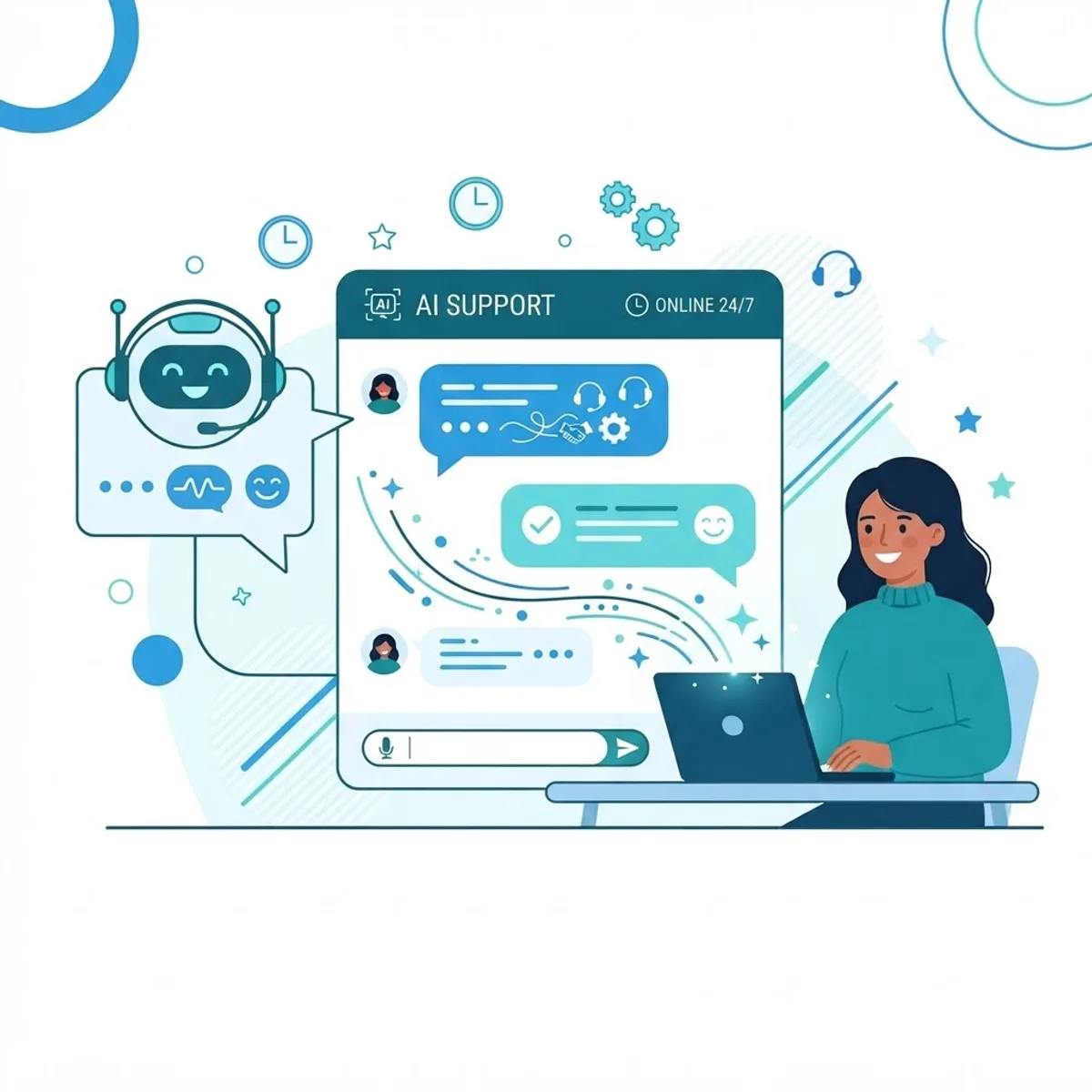
Conversational AI handles customer questions, qualifies leads, and guides purchases around the clock. Modern chatbots powered by natural language processing understand intent, not just keywords, so they resolve real issues instead of frustrating users.
Beyond support, these assistants capture data, book demos, and hand warm leads to sales with full context. Because they operate 24/7, they capture demand that would otherwise vanish outside business hours. Implementing them well is a specialty of dedicated AI services from WebPeak.
5. Hyper-Personalization at Scale
Hyper-personalization delivers individually tailored content, products, and offers to every user simultaneously. AI analyzes browsing history, past purchases, and real-time behavior to recommend the next best action for each person.
Think of the product recommendations that feel uncannily accurate or website content that rearranges based on who is viewing it. This one-to-one relevance, delivered to thousands of people at once, is only possible with AI doing the heavy computation behind the scenes.

Traditional vs AI-Powered Marketing Automation
The table below highlights why AI-driven systems consistently outperform rule-based automation.
| Factor | Traditional Automation | AI-Powered Automation |
|---|---|---|
| Decision logic | Fixed rules set by humans | Learns and adapts from data |
| Segmentation | Static demographic lists | Dynamic behavioral micro-segments |
| Personalization | Basic name and merge tags | Individual content and offers |
| Timing | Preset schedules | Predicted optimal moments |
| Improvement | Manual updates required | Continuous self-optimization |
| Scale | Limited by team capacity | Effectively unlimited |
How to Implement AI Marketing Automation
Adopting AI does not require ripping out your current stack. Follow these steps to build momentum with measurable wins.
- Audit your data. AI is only as good as the data feeding it. Consolidate customer data from your CRM, website, and email platform, and clean out duplicates and gaps.
- Pick one high-impact use case. Start with lead scoring or email send-time optimization rather than automating everything at once.
- Choose tools that integrate. Select AI features that connect to your existing platforms so data flows without manual exports.
- Set a clear baseline. Record current open rates, conversion rates, and cost per acquisition so you can prove improvement.
- Test, measure, and expand. Run the AI use case against a control group, confirm the lift, then roll it into more workflows.
- Keep humans in the loop. Review AI recommendations, especially in early stages, to catch odd outputs and refine the models.
If building this in-house feels overwhelming, specialized artificial intelligence services from ZoneTechify can architect and manage the system so your team focuses on strategy.
Common Mistakes to Avoid
The biggest AI failures come from poor data and unrealistic expectations, not the technology itself. Feeding AI incomplete or messy data produces confident but wrong predictions. Fix data quality before scaling.
Avoid automating a broken process. If your funnel confuses customers, AI will simply confuse them faster. And never treat AI as set-and-forget: models drift as customer behavior shifts, so ongoing monitoring is essential to sustained results.
Measuring the ROI of AI Marketing Automation
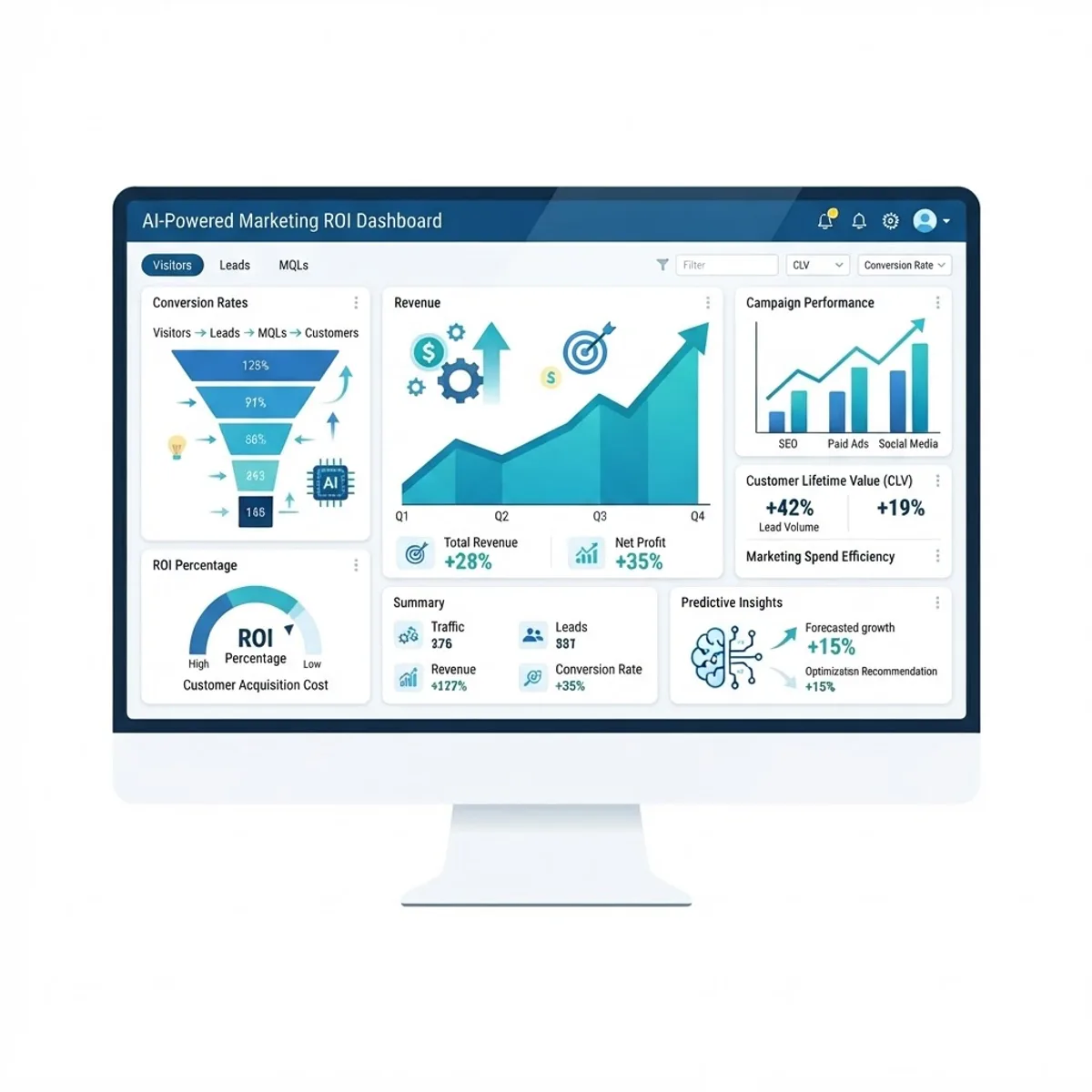
Tie every AI initiative to a specific business metric before you launch it. The clearest indicators of success are conversion rate, cost per acquisition, customer lifetime value, and revenue per email or campaign.
Use holdout groups to isolate AI impact from other variables, and review results over full sales cycles rather than a few days. A well-implemented AI automation program should pay for itself through reduced waste and higher conversions, often within a single quarter.
Key Takeaways
- AI marketing automation learns from data to predict behavior, personalize content, and act at the optimal moment, unlike static rule-based tools.
- McKinsey reports AI in marketing and sales can lift revenue 3 to 15 percent and marketing ROI 10 to 20 percent.
- Salesforce found 73 percent of customers expect companies to understand their unique needs, making AI personalization essential.
- The five highest-impact applications are segmentation, predictive analytics, email optimization, conversational AI, and hyper-personalization.
- Success depends on clean data, one focused use case at a time, clear baselines, and continuous human oversight.
Frequently Asked Questions (FAQ)
What is artificial intelligence in marketing automation?
It is the use of machine learning and predictive models to run marketing tasks automatically while adapting to data. Unlike fixed rule-based automation, AI decides who to target, what to send, and when, learning from every interaction to improve campaign performance over time.
Does AI marketing automation replace human marketers?
No. AI handles repetitive, data-heavy tasks like scoring leads, segmenting audiences, and timing sends. This frees marketers to focus on strategy, creativity, and brand building. The strongest results come from humans guiding AI, reviewing its recommendations, and refining the goals it optimizes toward.
How much does AI marketing automation cost?
Costs vary widely, from affordable AI features built into existing email tools to enterprise platforms. Many businesses start small with one use case and scale as ROI proves out. Because AI reduces wasted spend and lifts conversions, well-implemented systems often pay for themselves quickly.
Which marketing tasks should I automate with AI first?
Start with high-impact, data-rich tasks like lead scoring and email send-time optimization. These deliver measurable wins fast without overhauling your entire stack. Once you confirm the lift against a control group, expand AI into segmentation, personalization, and conversational chatbots gradually.
How do I measure the success of AI marketing automation?
Tie each initiative to a specific metric such as conversion rate, cost per acquisition, or customer lifetime value. Set a clear baseline before launch, use holdout groups to isolate AI impact, and review results over full sales cycles rather than short windows.
Final Thoughts
Harnessing artificial intelligence in marketing automation is no longer a competitive edge reserved for tech giants, it is becoming the baseline for relevant, efficient marketing. The brands that win will not be those with the most tools, but those that feed AI clean data, focus it on real business goals, and keep skilled humans steering the strategy. Start with one use case, prove the return, and expand from there.