
A practical, people-first guide on how to promote affiliate links on social media the right way, from platform choice to content, trust, and tracking results.
How to Promote Affiliate Links on Social Media
Affiliate marketing has become one of the most accessible ways to earn income online, and social media sits right at the center of it. Billions of people scroll through feeds every day, discover products, and make buying decisions based on recommendations they trust. If you learn how to promote affiliate links on social media the right way, you can turn everyday content into a steady revenue stream without a huge budget or a massive following.
This guide walks through proven, ethical strategies that respect both your audience and platform rules. Whether you are just starting or refining an existing approach, these methods help you share links naturally, build trust, and grow long-term results. For more digital growth resources, you can explore ZoneTechify and WebPeak.
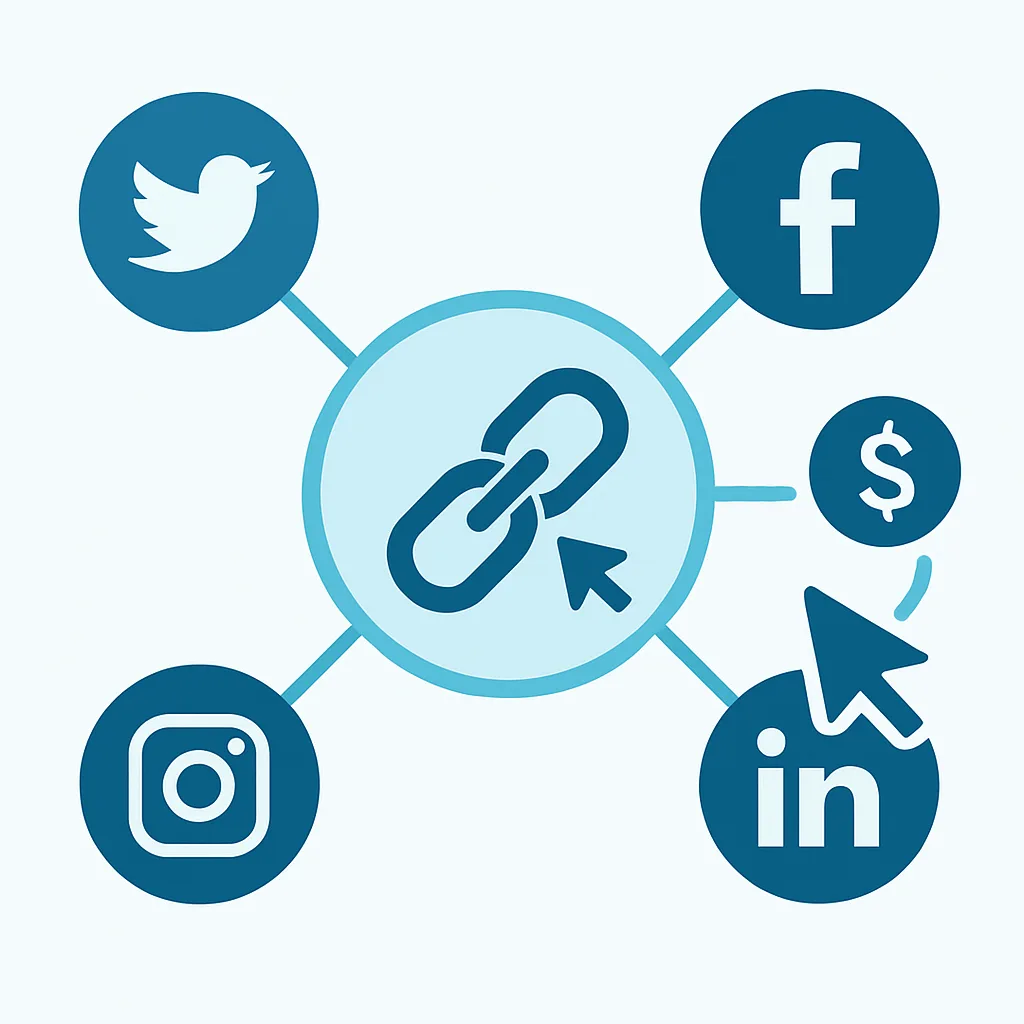
Understand What Affiliate Promotion Really Means
Before dropping links everywhere, it helps to understand the foundation. Affiliate marketing means you earn a commission when someone buys a product through your unique tracking link. Social media simply becomes the channel that connects your recommendation to the right buyer.
The biggest mistake beginners make is treating affiliate links like spam. Pasting raw links into every post pushes people away and often violates platform policies. The smarter approach is to lead with value first. When you genuinely help someone solve a problem, the link becomes a helpful next step rather than an interruption.
Think of yourself as a trusted recommender. Your followers should feel that you tested the product, understand their needs, and only share things worth their money. That mindset shapes every decision that follows.
Choose the Right Platforms for Your Niche
Not every platform suits every product. Choosing where to focus saves time and improves conversions. Each network attracts a different audience and rewards a different style of content.

Here is a simple comparison to help you decide where to invest your energy:
| Platform | Best For | Link Friendliness | Content Style |
|---|---|---|---|
| Lifestyle, beauty, fitness | Medium (link in bio, stories) | Visual, short video | |
| YouTube | Reviews, tutorials, tech | High (description links) | Long-form video |
| TikTok | Trends, quick tips | Medium (bio, pinned) | Short viral video |
| DIY, home, fashion | High (direct links) | Image pins | |
| Communities, deals | High (posts, groups) | Mixed posts | |
| X (Twitter) | News, tools, deals | High (inline links) | Short text threads |
Start with one or two platforms where your target audience already spends time. Mastering a single channel beats spreading yourself thin across six. Once you build momentum, you can repurpose content and expand strategically.
Create Content That Earns the Click
The content you produce decides whether people trust your recommendation. Good affiliate content does not feel like an advertisement. It educates, entertains, or solves a problem, and the link feels like a natural part of the story.

Some content formats consistently perform well for affiliate promotion:
- Tutorials and how-to guides: Show the product in action while teaching a skill. Viewers see real value before they ever see the link.
- Honest reviews: Share pros and cons. Mentioning a small drawback actually boosts credibility and conversions.
- Comparison posts: Help people choose between two or three options. Decision-stage buyers are ready to purchase.
- Listicles and roundups: "Top 5 tools for X" formats let you include several affiliate links naturally.
- Personal results: Before-and-after stories and case studies build emotional trust.
Always disclose your affiliate relationship clearly. A simple line like "This post contains affiliate links" keeps you compliant with advertising rules and shows respect for your audience. Transparency strengthens trust rather than weakening it.
If creating consistent, high-quality content feels overwhelming, partnering with a specialized team can help. Professional social media management services can handle scheduling, design, and engagement so you can focus on strategy and product selection.
Master the Link-in-Bio and Story Strategy
Platforms like Instagram and TikTok limit clickable links inside regular posts, so you need workarounds. The link-in-bio approach remains the most reliable method.

Use a landing page tool that lets you list multiple links in one place. Then direct followers with clear calls to action such as "Tap the link in my bio to grab this." Update the page regularly to match your latest posts so the journey feels seamless.
Stories and reels offer extra opportunities. On accounts with link stickers enabled, you can attach links directly to a story. Pair the link with a short, compelling reason to click. Pinned comments and pinned videos also keep your best affiliate offers visible long after you publish.
The key is reducing friction. Every extra tap loses potential buyers, so make the path from interest to purchase as short and obvious as possible.
Track Performance and Optimize
Guessing is the enemy of growth. To know what works, you must measure it. Tracking reveals which platforms, posts, and products drive real income, so you can double down on winners and drop the rest.

Focus on a few meaningful metrics:
- Clicks: How many people tapped your link. This shows reach and interest.
- Conversion rate: The percentage of clicks that turned into sales. This reveals content quality and audience match.
- Earnings per click: Helps you compare products fairly, regardless of price.
- Top traffic sources: Tells you which platform deserves more effort.
Use UTM parameters and the reporting dashboards inside your affiliate programs to gather this data. Most networks provide built-in analytics. Review your numbers weekly at first, then settle into a monthly rhythm. Small tweaks, such as changing a call to action or testing a new thumbnail, often produce surprising gains over time.
Build Trust Before You Sell
The creators who earn the most affiliate income share one trait: their audience trusts them. Trust is the currency of social media, and it takes time to build and seconds to lose.

To build genuine trust, follow these principles:
- Only promote products you believe in. One bad recommendation can undo months of credibility.
- Mix free value with promotions. Aim for a healthy ratio where most of your content helps without selling.
- Engage authentically. Reply to comments, answer questions, and treat followers like real people.
- Stay consistent. Regular posting keeps you visible and reinforces your authority in the niche.
- Be honest about limitations. Telling people when a product is not right for them builds long-term loyalty.
When your audience believes you have their best interests at heart, they click your links because they value your opinion, not because you pressured them. That trust compounds, turning casual followers into repeat buyers.
Avoid Common Affiliate Mistakes
Many aspiring marketers stall because they repeat avoidable errors. Knowing these pitfalls in advance saves you wasted effort and protects your accounts.

Watch out for these frequent missteps:
- Over-posting links: Flooding feeds with offers feels desperate and triggers platform penalties.
- Ignoring disclosure rules: Failing to disclose affiliate relationships can lead to legal issues and lost trust.
- Promoting irrelevant products: Pushing items unrelated to your niche confuses your audience and lowers conversions.
- Skipping the value step: Posting a link without context rarely converts. Lead with help, then offer the link.
- Neglecting mobile experience: Most social traffic is mobile, so test that your links and landing pages load fast on phones.
- Giving up too early: Affiliate income builds gradually. Consistency over months beats a few viral spikes.
Treat each mistake as a lesson. Review your analytics, listen to audience feedback, and adjust. The marketers who succeed are the ones who keep refining their approach instead of abandoning it after slow starts.
Put It All Together with a Repeatable System
The real secret to promoting affiliate links on social media is building a system you can repeat. Pick your platform, plan a content calendar, create value-driven posts, place links strategically, track results, and refine based on data. Repeat this loop and your results grow steadily.
Start small and stay patient. Choose a niche you understand, select two or three quality products, and commit to publishing helpful content consistently. Over time, your audience grows, your trust deepens, and your commissions climb.
For businesses and creators who want expert support scaling these efforts, resources from ZoneTechify and WebPeak can help you sharpen your digital marketing strategy and reach the right audience faster.
Final Thoughts
Learning how to promote affiliate links on social media is less about clever tricks and more about consistency, honesty, and genuine value. When you focus on serving your audience first, the sales follow naturally. Choose the right platforms, create content that earns the click, build trust, and measure everything you do.
The opportunity is enormous, and the barrier to entry is low. With the strategies in this guide, you have a clear roadmap to share products you love, help your followers make smart choices, and build a sustainable income stream. Start today, stay patient, and let your authenticity become your greatest marketing asset.