
A clear, people-first guide to artifact intelligence: what it means, how it works, real business uses, and how to start applying AI the smart way.
artifact intelligence
Artifact intelligence is a phrase more people are searching for as they try to understand how machines learn, reason, and produce useful output. Whether you typed it intentionally or meant artificial intelligence, the underlying curiosity is the same: how do modern AI systems actually work, and how can they help real businesses and real people? This guide breaks it all down in plain language, without hype or jargon, so you can make confident decisions.
At its core, artifact intelligence describes the intelligence embedded inside the digital artifacts we build, such as models, applications, and automated workflows. Instead of treating AI as magic, it helps to see it as a set of practical tools that learn from data and turn that learning into action. That mindset shift is where real value begins.
What Artifact Intelligence Really Means
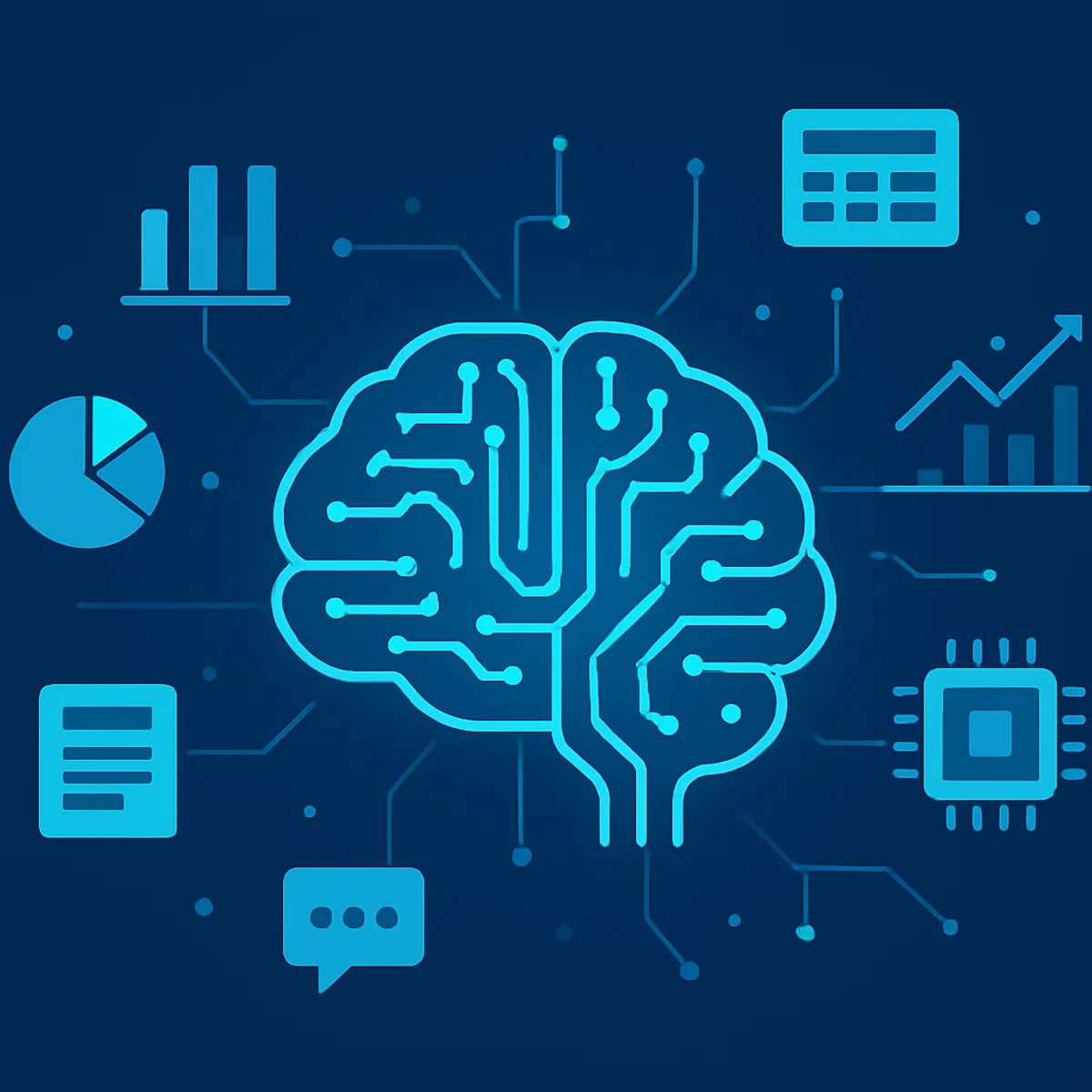
Artifact intelligence refers to the capability of software systems to perform tasks that normally require human thinking. This includes recognizing patterns, understanding language, making predictions, and generating new content. The intelligence is not stored in one place. It lives across data, algorithms, and the trained models that connect them.
Think of it this way. A spreadsheet stores numbers, but it does not understand them. An intelligent artifact, such as a trained model, can look at those same numbers and predict next month's sales, flag unusual activity, or recommend a next step. That difference between storing information and understanding it is the heart of modern AI.
Three ideas matter most here:
- Data is the raw material the system learns from.
- Models are the trained artifacts that capture patterns in that data.
- Inference is the moment the model applies what it learned to something new.
When these three work together, you get an artifact that behaves intelligently in a specific, useful domain.
How Machine Learning Powers Intelligent Artifacts
Most intelligent systems today are built using machine learning. Instead of a developer writing every rule by hand, the system studies thousands or millions of examples and learns the rules on its own. This is why machine learning scales so well to messy, real-world problems like fraud detection, language translation, and image recognition.

The learning process usually follows a clear cycle. First, data is collected and cleaned. Next, that data is fed into an algorithm during training, where the model adjusts itself to reduce mistakes. Then the model is tested against data it has never seen, to confirm it actually learned something useful rather than memorizing examples. Finally, the trained artifact is deployed so it can make predictions in the real world.
Deep learning, a powerful branch of machine learning, uses layered neural networks to handle especially complex tasks like understanding speech or generating human-like text. These layered models are the artifacts behind today's most impressive AI experiences, including the large language models that power chat assistants.
Why Businesses Are Investing in Artifact Intelligence
The reason adoption is accelerating is simple. Intelligent artifacts let companies do more with less, while improving accuracy and speed. A well-built AI solution does not just automate busywork. It surfaces insights that humans would miss and responds in real time to changing conditions.

Here are some of the most common business uses delivering measurable results today:
| Use Case | What It Does | Typical Benefit |
|---|---|---|
| Customer support chatbots | Answer questions instantly, around the clock | Lower costs, faster responses |
| Predictive analytics | Forecast demand, churn, and revenue | Smarter planning |
| Document processing | Extract and organize data from files | Saved hours of manual work |
| Personalization | Tailor content and offers per user | Higher engagement |
| Quality and fraud detection | Spot anomalies in real time | Reduced risk and loss |
Building these systems well takes more than a clever model. It requires thoughtful data strategy, secure infrastructure, and a clear connection to business goals. That is exactly why many organizations partner with specialists. Teams like the experts behind ZoneTechify and WebPeak help companies move from idea to working solution without wasted time or budget.
Automation Workflows That Actually Save Time
One of the most practical applications of artifact intelligence is intelligent automation. Traditional automation follows fixed rules and breaks the moment something unexpected happens. Intelligent automation, on the other hand, adapts. It can read a document, understand its meaning, decide what to do next, and route the result to the right place.
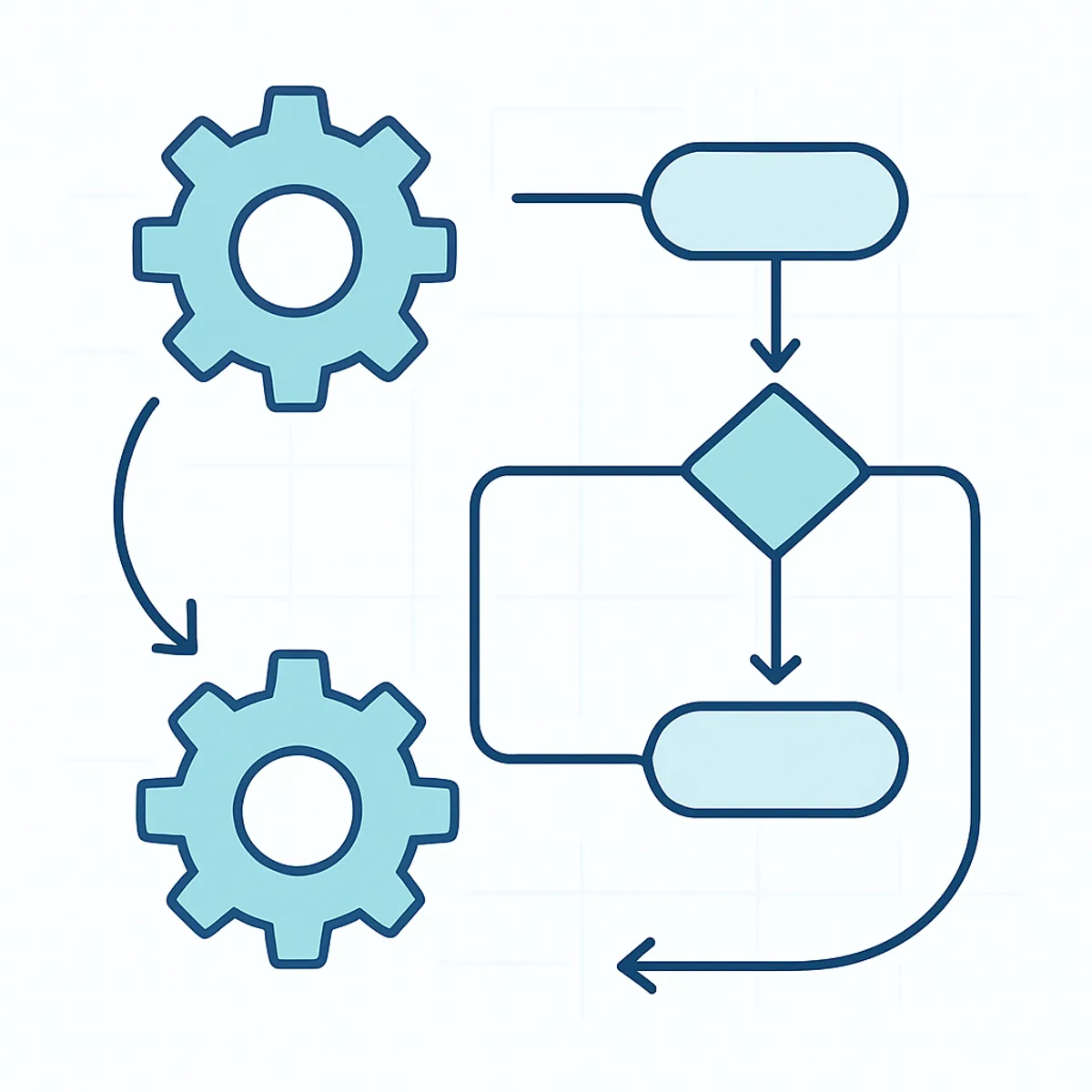
Imagine an invoice arriving by email. An intelligent workflow can detect the attachment, extract the vendor and amount, match it against existing records, and either approve it or flag it for review. No copy and paste. No manual sorting. The artifact handles the thinking, and a human stays in control of the exceptions.
When you design automation around AI, focus on these principles:
- Start with one painful, repetitive process rather than trying to automate everything at once.
- Keep a human in the loop for high-stakes decisions.
- Measure results so you can prove the value and improve over time.
If you want help designing automation that fits your existing tools, professional artificial intelligence services can map your workflows and build solutions that scale with your team.
Turning Data Into Decisions With AI Analytics
Data by itself is not valuable. Decisions are. Artifact intelligence shines when it turns raw, scattered data into clear guidance that leaders can act on. Instead of staring at dashboards trying to guess what matters, teams get predictions, alerts, and recommendations delivered automatically.
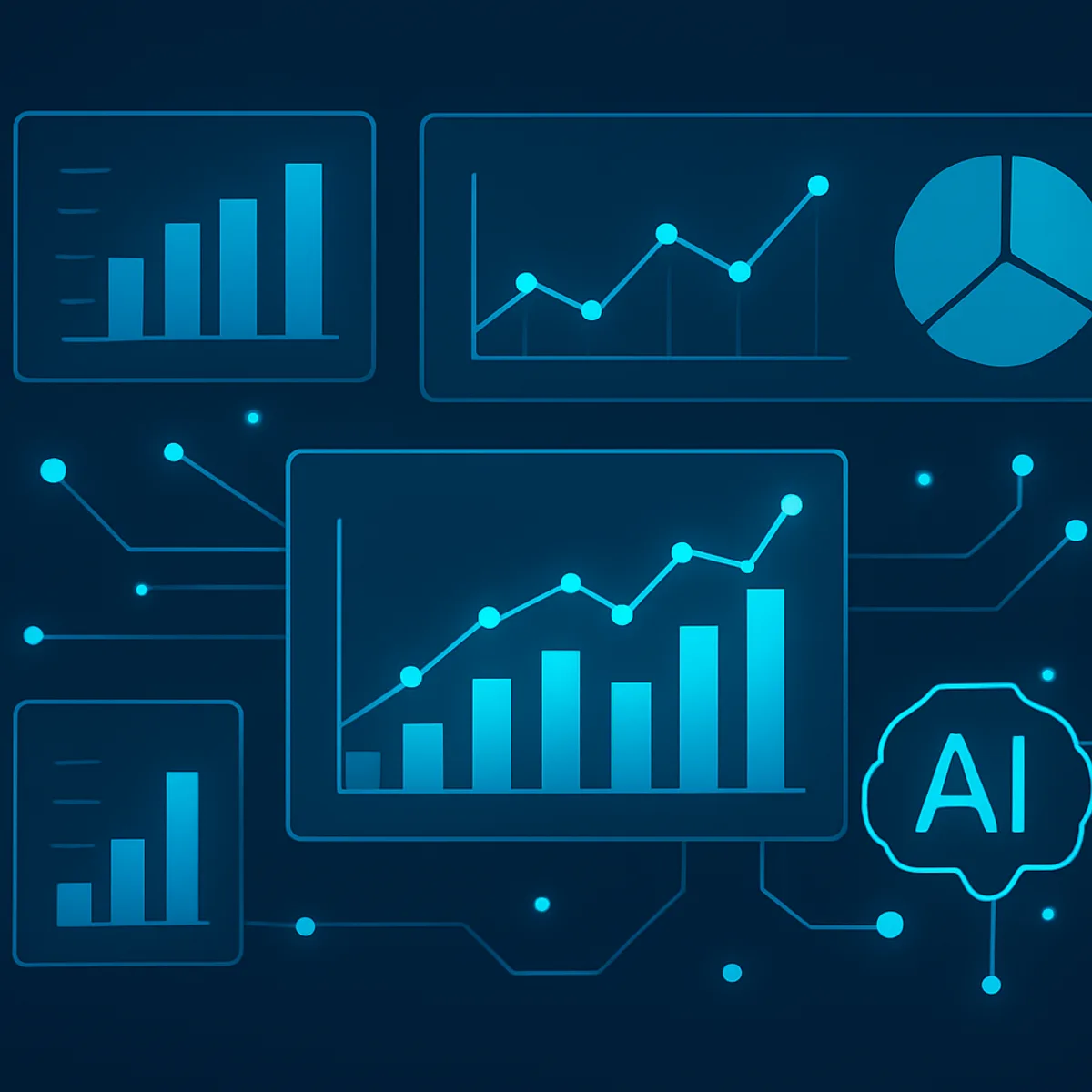
Modern AI analytics can answer forward-looking questions that traditional reporting cannot. Which customers are likely to leave next month? Which products will sell out first? Where is spending drifting out of line? Because the model learns from history, it can spot subtle patterns long before a human would notice them in a chart.
The best results come from combining good data hygiene with the right model. Clean, well-labeled data leads to trustworthy predictions. Messy, inconsistent data leads to confident but wrong answers. This is why successful AI projects always invest in the data foundation first, then layer intelligence on top. For organizations that need this done properly, the artificial intelligence services from ZoneTechify cover everything from data preparation to model deployment.
Common Myths About Artifact Intelligence
As interest grows, so does misinformation. Clearing up a few myths will help you set realistic expectations and avoid costly mistakes.
Myth one: AI replaces people entirely. In reality, the most effective deployments augment people. They remove tedious tasks so humans can focus on judgment, creativity, and relationships.
Myth two: more data always means better results. Quality beats quantity. A smaller, clean, relevant dataset often outperforms a massive but noisy one.
Myth three: you need to build everything from scratch. Many powerful artifacts, including pretrained models and APIs, can be adapted to your needs quickly, which lowers cost and speeds up results.
Myth four: AI is set and forget. Models drift as the world changes. Ongoing monitoring and retraining keep them accurate and trustworthy over time.
The Future of Intelligent Artifacts
The trajectory is clear. Intelligent artifacts are becoming more capable, more accessible, and more deeply woven into everyday tools. We are moving from AI as a separate feature to AI as an invisible assistant inside the software we already use.

Several trends are worth watching. Smaller, efficient models are making AI affordable to run on everyday devices. Multimodal systems now understand text, images, and audio together, opening richer experiences. And responsible AI, focused on fairness, transparency, and privacy, is becoming a baseline expectation rather than an afterthought.
The organizations that win will not be the ones with the flashiest demos. They will be the ones that quietly integrate intelligence into the workflows that matter, measure the impact, and keep improving. Practical beats impressive every time.
How to Get Started the Right Way
Getting started with artifact intelligence does not require a massive budget or a research lab. It requires clarity and a sensible first step. Begin with a specific problem that costs you time or money today, then ask whether an intelligent system could realistically improve it.

A reliable path looks like this:
- Define the outcome. Decide what success means in concrete numbers, such as hours saved or errors reduced.
- Check your data. Identify what data you already have and whether it is clean enough to use.
- Start small. Build a focused pilot that proves value quickly rather than a sprawling project.
- Measure honestly. Compare results against your baseline to confirm real impact.
- Scale what works. Expand successful pilots and retire ideas that do not deliver.
Throughout this journey, the right partner makes a real difference. Experienced teams help you avoid common traps, choose the correct tools, and ship faster. Explore the offerings at ZoneTechify and WebPeak when you are ready to turn ideas into working solutions.
Final Thoughts
Artifact intelligence, whether you arrived here searching for that exact phrase or for artificial intelligence, comes down to one practical truth. Machines can now learn from data and turn that learning into useful action. When applied thoughtfully, intelligent artifacts save time, reduce errors, and reveal opportunities hidden in your data.
The key is to stay people-first. Use AI to support human judgment, not replace it. Start with a real problem, build on clean data, measure your results, and grow from there. Do that, and intelligent artifacts will become one of the most dependable tools in your business toolkit for years to come.