A practical guide to what a Java product development company actually does, how much it costs, and how to evaluate one before you sign a contract.
Java Product Development Company
Choosing a Java product development company is less about finding people who know the language and more about finding a team that can own an entire product lifecycle: architecture, delivery, observability, security, and the unglamorous maintenance years that follow launch. Java has been in continuous production use since 1995, and the JVM still powers the majority of core banking, insurance, telecom, and logistics systems worldwide. That longevity is exactly why the vendor decision matters. Code written this year in Java will realistically still be running in a decade, and whoever writes it sets your cost ceiling for that entire period.
Quick Answer: A Java product development company designs, builds, tests, deploys, and maintains production software on the JVM, usually with Spring Boot, PostgreSQL, and cloud infrastructure. Unlike staffing agencies, it owns delivery outcomes: architecture decisions, release pipelines, performance targets, security posture, and long-term maintainability of the product you ship.
What a Java Product Development Company Actually Does
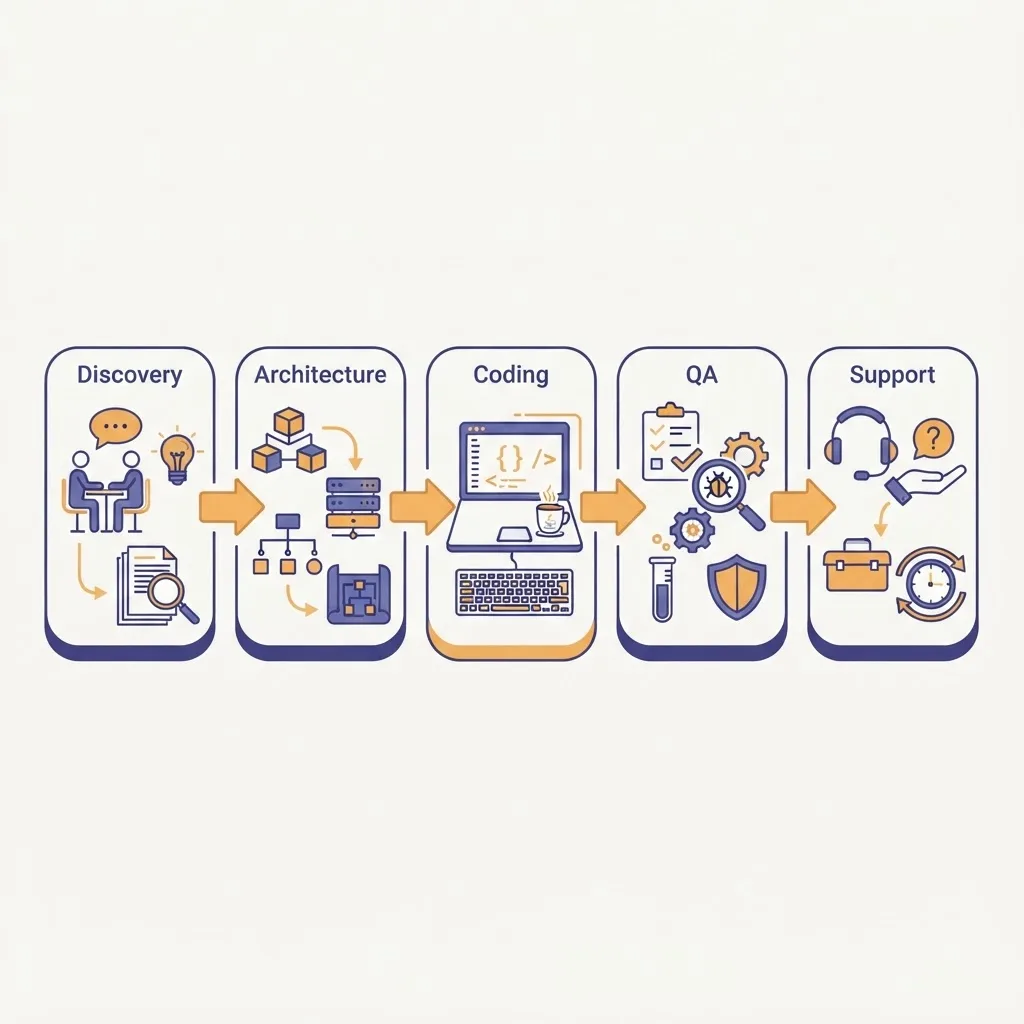
A product development company differs from a body shop in one measurable way: it is accountable for the working software, not the hours logged. In practice that accountability shows up as five concrete deliverables.
- Discovery and technical scoping. Turning business goals into a domain model, API contracts, and a prioritized backlog before a line of code is written.
- Architecture definition. Choosing between a modular monolith and microservices, selecting a persistence strategy, and documenting the decision rationale so future engineers understand the tradeoffs.
- Implementation with automated quality gates. Unit and integration tests, static analysis, dependency scanning, and CI pipelines that block bad merges.
- Deployment and observability. Containerized builds, infrastructure as code, structured logging, distributed tracing, and alerting tied to real user impact.
- Post-launch engineering. Dependency upgrades, JVM version migrations, performance tuning, and incident response.
If a prospective partner cannot describe how they handle items four and five, they build projects, not products. That distinction is the single most useful filter in vendor selection.
Key Terms Defined
- JVM (Java Virtual Machine): The runtime that executes compiled Java bytecode and manages memory, garbage collection, and just-in-time optimization.
- Spring Boot: The dominant Java application framework, used for opinionated configuration, dependency injection, and embedded servers.
- Modular monolith: A single deployable unit with strictly enforced internal module boundaries. It offers most of the organizational benefits of microservices without distributed-system overhead.
- LTS release: A long-term support Java version, such as 17 or 21, that receives security patches for years rather than months.
Why Teams Still Choose Java for New Products
Java is not a legacy default; it is a deliberate engineering choice for systems where correctness, throughput, and lifespan outweigh raw development speed. Three factors drive that decision.
First, the JVM has thirty years of production hardening around memory management and concurrency. Java 21 introduced virtual threads, which let a service handle very high concurrency with ordinary blocking code, removing much of the complexity that previously pushed teams toward reactive frameworks.
Second, the ecosystem is unusually stable. The Spring framework has been maintained continuously since 2003, and the annual TIOBE and Stack Overflow developer surveys have consistently placed Java in the top five most-used languages for over a decade. That means predictable hiring, mature libraries, and documented upgrade paths.
Third, static typing plus a strong tooling story reduces the cost of change on large codebases. Refactoring a 400,000-line Java service with IDE support and a compiler is a meaningfully different experience from doing the same in a dynamically typed language.
Architecture Decisions That Define Your Cost Curve
Most budget overruns in Java product work trace back to two early decisions: premature microservices and an undisciplined data layer.
Start With a Modular Monolith
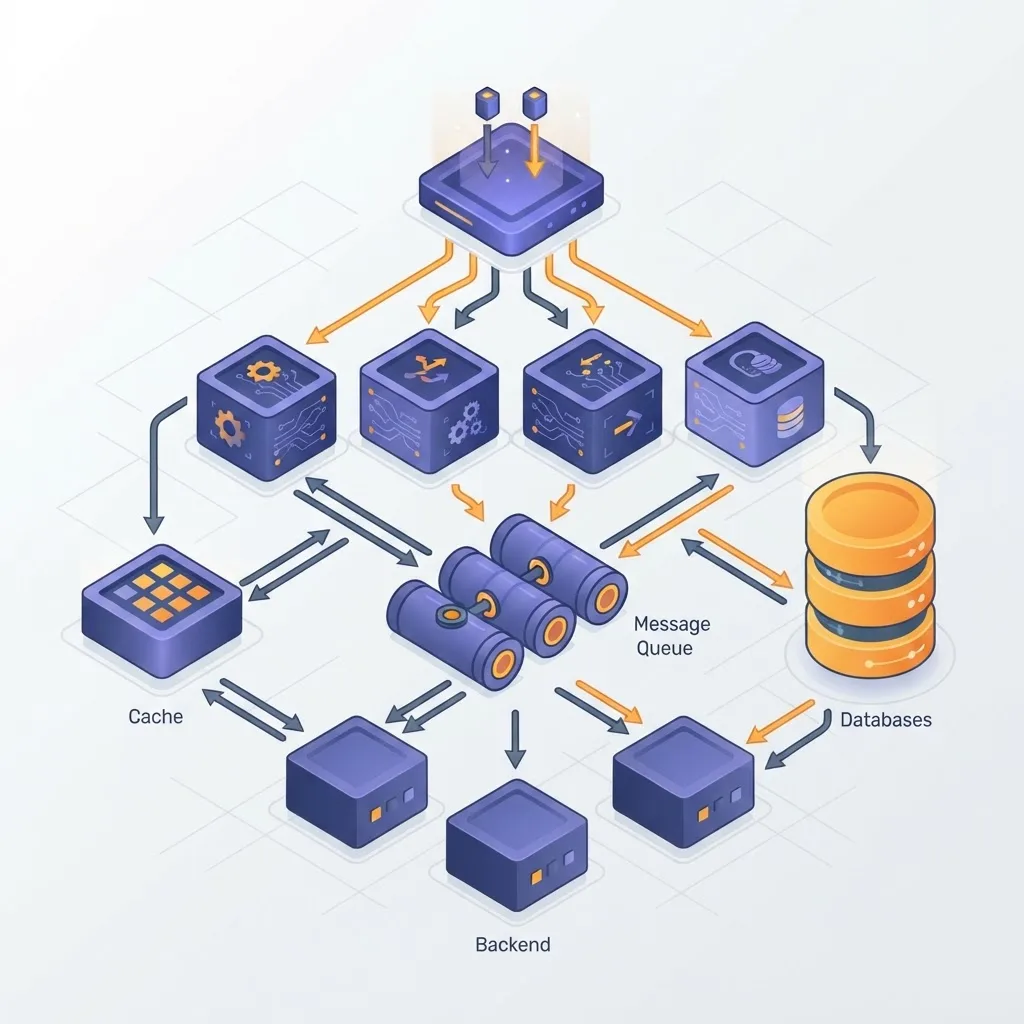
A competent Java product development company will push back on microservices for a product with fewer than roughly ten engineers. Distributed systems introduce network partitions, eventual consistency, distributed tracing requirements, and a deployment matrix that multiplies operational surface area. A modular monolith with clean package boundaries and separate schemas per module keeps you a straightforward extraction away from services when scale actually demands it.
Treat the Data Layer as the Real Product
Application code is replaceable; data models outlive frameworks. Insist on explicit migrations, versioned schema changes, and careful indexing from day one. Query performance problems discovered under production load are far more expensive to fix than a slightly slower initial delivery.
Build for Observability Before Launch
Structured JSON logging, correlation IDs on every request, and metrics on the four signals that matter to users, which are latency, traffic, errors, and saturation, should exist before the first customer arrives. Retrofitting observability during an outage is the most stressful engineering work there is.
Engagement Models Compared
Different commercial structures suit different stages of product maturity. The table below reflects how these models typically behave in practice.
| Engagement Model | Best For | Who Owns Architecture | Cost Predictability | Common Failure Mode |
|---|---|---|---|---|
| Fixed-scope project | Well-defined, stable requirements | Vendor | High | Change requests inflate the final invoice |
| Dedicated team | Evolving products with a long roadmap | Shared | Medium | Drifting priorities without a strong product owner |
| Staff augmentation | Filling a specific skill gap | Client | Medium | No one is accountable for system-level quality |
| Product ownership retainer | Companies without in-house engineering | Vendor | Medium to high | Vendor lock-in if documentation is weak |
| Build then transfer | Startups planning an internal team | Vendor, then client | Medium | Handover fails without a written transition plan |
For most funded startups and mid-market companies, a dedicated senior team with a clear product owner on the client side produces the best ratio of speed to quality. Agencies such as ZoneTechify structure engagements this way so architecture accountability stays with the people writing the code.

What Java Product Development Realistically Costs
Rates vary by region and seniority, but the structural math is consistent. A production-grade Java product with authentication, a real domain model, an admin surface, integrations, and deployment automation is rarely a small effort. Budget in terms of team months rather than feature counts.
A useful planning heuristic: for every unit of effort spent building a feature, expect roughly the same again across testing, deployment automation, observability, security review, and documentation. Vendors who quote only the build portion are quoting an incomplete product. Ask explicitly whether the estimate includes load testing, CI setup, and a rollback strategy.
Ongoing maintenance typically runs between fifteen and twenty-five percent of the original build effort per year, covering dependency updates, JVM upgrades, and incremental improvements. That line item is not optional. Unpatched Java dependencies were behind the Log4Shell incident in December 2021, which affected an enormous share of enterprise Java deployments and remains the clearest argument for funded, continuous maintenance.
How to Evaluate a Java Product Development Company
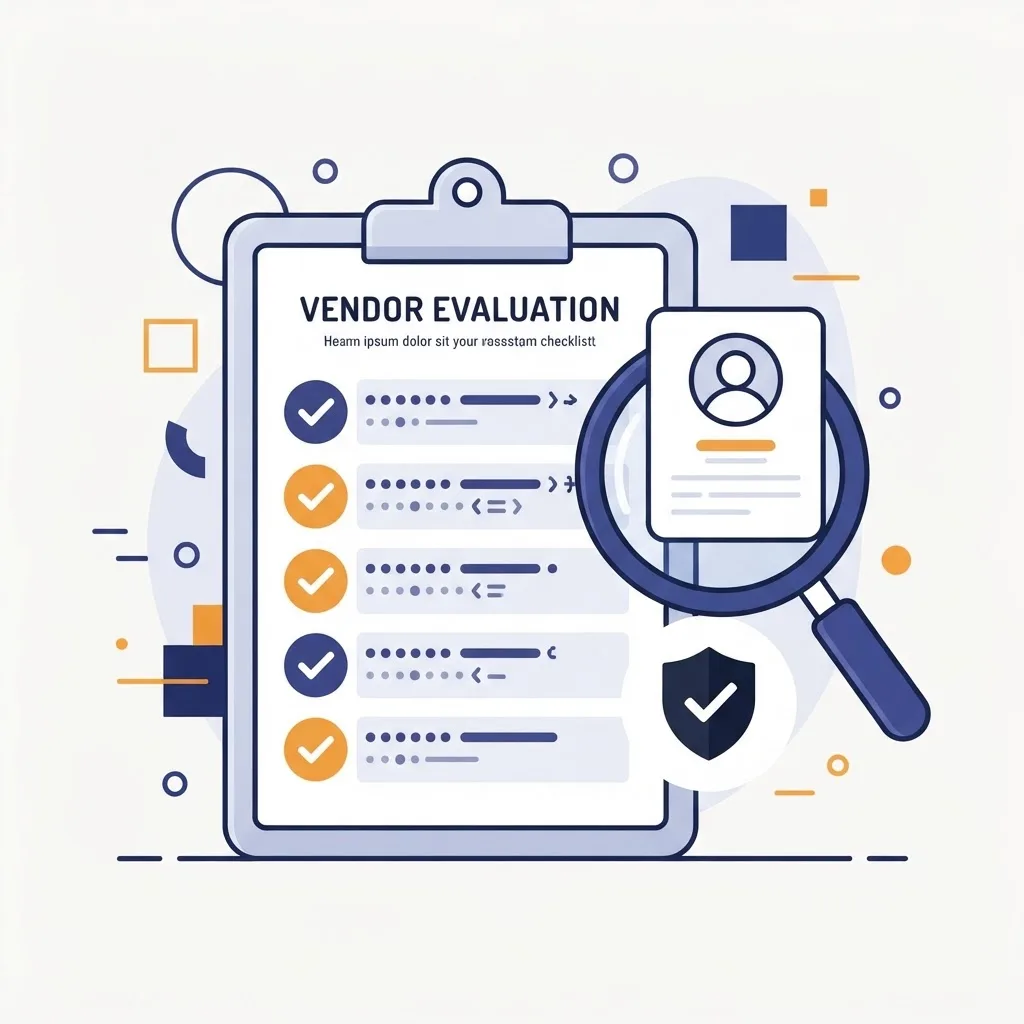
Use a technical evaluation, not a sales conversation. These questions surface real capability quickly.
- Which Java version do you target for new products, and why? A confident answer names an LTS release such as 21 and explains the tradeoff.
- Show me a real pull request from a recent project. You are looking for meaningful review comments, tests, and small focused changes.
- How do you handle database migrations in production? Expect a specific tool and a zero-downtime strategy, not improvisation.
- What is your test pyramid in practice? Ask for actual coverage split between unit, integration, and end-to-end tests.
- Walk me through your last production incident. Blameless, specific answers indicate operational maturity.
- Who owns the code and the infrastructure accounts? This should be you, in writing, from day one.
- What does handover look like if we build an internal team? A real answer includes documentation standards and a pairing period.
Warning Signs Worth Acting On
- No named engineers before contract signature
- Estimates presented without written assumptions
- No CI pipeline in their own repositories
- Reluctance to give you infrastructure account ownership
- Test coverage described as something to add later
Teams that publish their engineering standards openly tend to be safer bets. When comparing a Java specialist against a broader engineering partner, reviewing how a firm documents its process, as scalable web solutions providers usually do publicly, tells you more than a portfolio deck.
Performance and Scalability Expectations
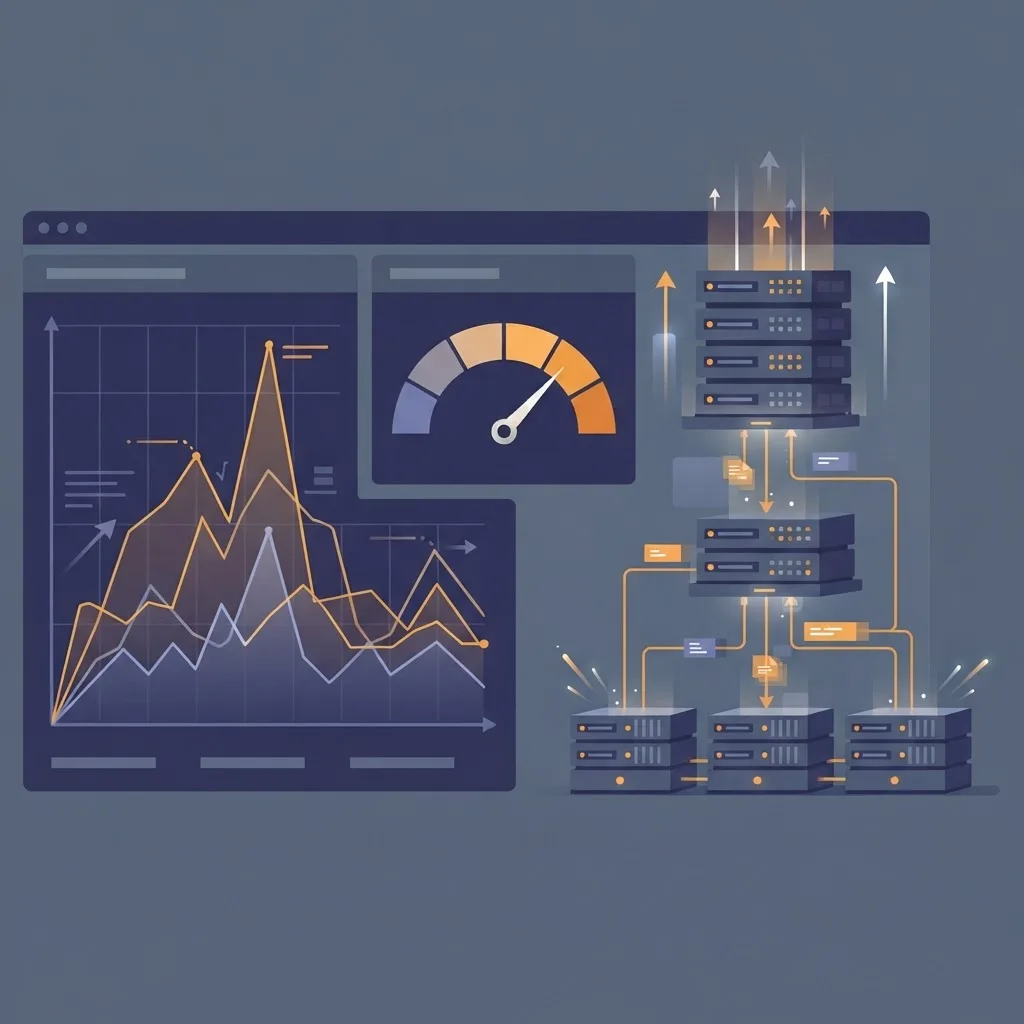
Set numeric targets before you build. Vague goals like fast produce unverifiable outcomes.
- Define a p95 latency budget per endpoint, for example 300 milliseconds for reads.
- Specify expected peak concurrent users and run load tests against that figure.
- Set a maximum acceptable error rate, commonly 0.1 percent of requests.
- Agree on a cold-start budget if you deploy to a serverless or autoscaled environment.
Java applications benefit from JVM tuning, connection pool sizing, and caching far more than from micro-optimized business logic. A good partner profiles before optimizing and shows you the flame graphs.
A Realistic Delivery Timeline
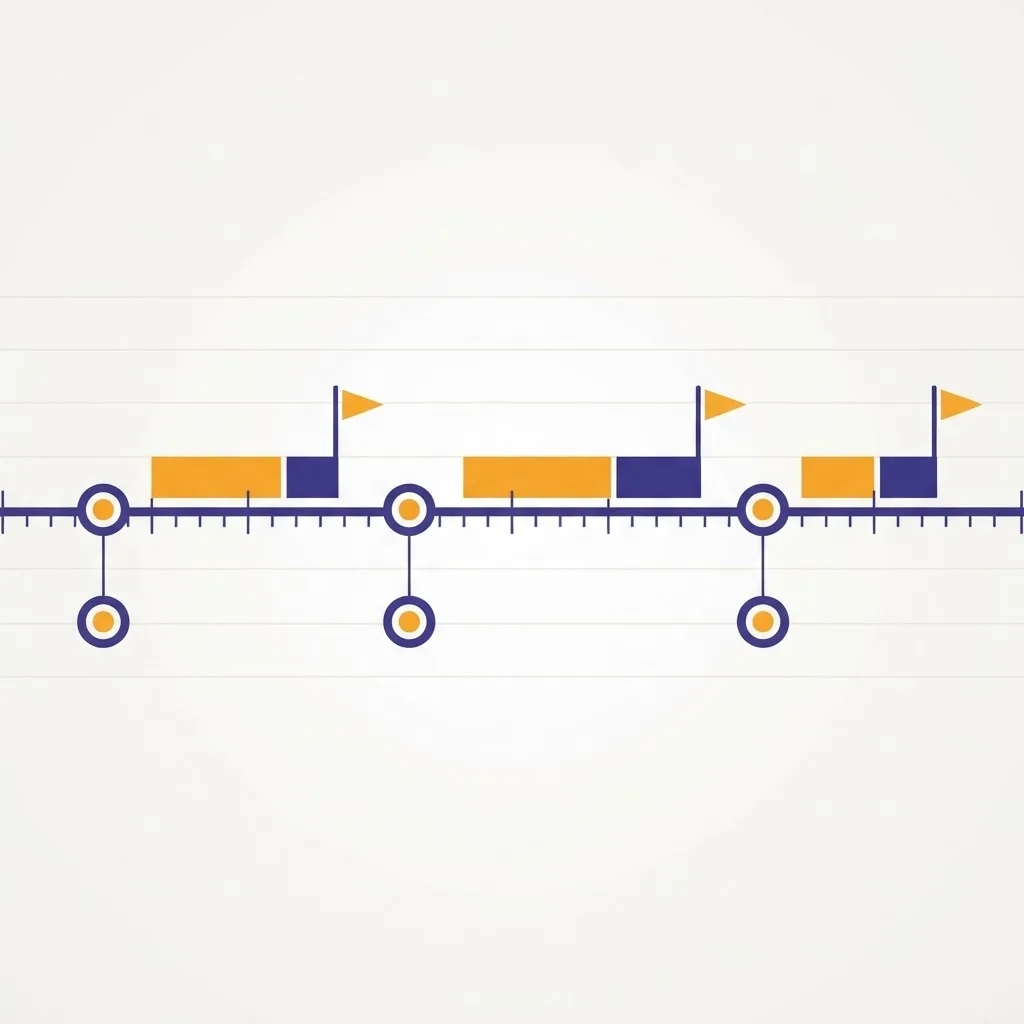
Product timelines compress when scope is honest. A typical sequence for a first production release looks like this.
- Discovery and architecture: domain model, API contracts, infrastructure plan
- Foundation: repository, CI pipeline, authentication, database schema, deployment to a staging environment
- Core feature delivery: iterative two-week increments with demoable output each cycle
- Hardening: load testing, security review, observability tuning, documentation
- Launch and stabilization: phased rollout, monitoring, rapid fixes
The hardening phase is the one clients most often cut and most often regret cutting.
Key Takeaways
- A Java product development company owns architecture, delivery, and maintenance outcomes, not just coding hours.
- Java 21 virtual threads removed much of the historical complexity of high-concurrency JVM services.
- Start with a modular monolith unless team size or genuine scale requirements justify microservices.
- Expect roughly as much effort in testing, deployment, and observability as in feature building.
- Annual maintenance typically costs fifteen to twenty-five percent of original build effort and is not optional.
- Log4Shell in December 2021 demonstrated that unpatched Java dependencies are a business risk, not a technical detail.
- Evaluate vendors with technical questions about migrations, incidents, and code ownership rather than portfolio reviews.
Frequently Asked Questions (FAQ)
What does a Java product development company do?
It builds and maintains production software on the JVM end to end. That includes discovery, architecture, coding, automated testing, deployment pipelines, observability, security review, and ongoing maintenance. The defining trait is accountability for the working product rather than for hours billed against a specification.
Is Java still a good choice for new products in 2026?
Yes, particularly for systems needing high throughput, strong typing, and a long lifespan. Java 21 added virtual threads for simpler high-concurrency code, the Spring ecosystem remains actively maintained, and hiring is predictable. It is a strong fit for fintech, logistics, healthcare, and enterprise platforms.
How much does it cost to hire a Java development company?
Cost depends on team seniority, region, and scope, so plan in team months rather than feature counts. Expect testing, CI, observability, and security work to roughly double the pure feature-building effort, plus fifteen to twenty-five percent of build effort annually for maintenance.
Should I choose microservices or a monolith for my Java product?
Start with a modular monolith if your team is under roughly ten engineers. It avoids distributed-system complexity while keeping clean module boundaries, so extracting services later stays straightforward. Adopt microservices only when independent scaling or independent deployment becomes a measured, real constraint.
How do I know if a Java development partner is actually good?
Ask technical questions instead of reviewing portfolios. Request a real pull request, their production migration strategy, their test pyramid breakdown, and a walkthrough of their last incident. Confirm in writing that you own the code and all infrastructure accounts from day one.
What is the biggest risk when outsourcing Java product development?
Undocumented knowledge concentrated in the vendor. Mitigate it by requiring architecture decision records, readable tests, infrastructure as code, and account ownership on your side. A written handover plan with a pairing period turns a dependency into a transferable asset.