A practical 2026 breakdown of how Lidl uses artificial intelligence across supply chain, forecasting, personalization, store automation, sustainability, and fraud prevention.
Lidl Artificial Intelligence Use Cases 2026
Lidl, the German discount grocery giant operating more than 12,000 stores across 31 countries, has quietly become one of Europe's most aggressive adopters of artificial intelligence in retail. While shoppers still associate the brand with low prices and lean operations, the machinery behind those prices in 2026 increasingly runs on machine learning models, computer vision, and predictive analytics. This guide breaks down exactly how Lidl uses AI today, why it matters, and what other retailers can learn from its approach.
Having analyzed retail technology strategies for years, I can say Lidl's AI playbook stands out because it stays true to the discounter model: every algorithm exists to cut waste, protect margins, or speed up operations. There is very little "AI for show" here. That discipline is exactly why the case study is worth studying.
Quick Answer: In 2026, Lidl uses artificial intelligence for demand forecasting, supply chain optimization, dynamic pricing, customer personalization, computer-vision store automation, food-waste reduction, and fraud detection. Each use case targets cost efficiency, keeping the discounter model fast, lean, and profitable while improving product availability and shopper experience.
Why Lidl Invests Heavily in AI
Lidl's parent company, the Schwarz Group, is Europe's largest retailer by revenue, generating over €167 billion annually. At that scale, a 1% improvement in forecasting accuracy or waste reduction translates into hundreds of millions of euros. AI is not a novelty for Lidl; it is a margin-protection strategy.
The discount model runs on razor-thin margins, often between 2% and 4%. According to McKinsey, grocers that deploy advanced analytics can reduce inventory costs by 10% to 20% and cut food waste significantly. For a retailer built on efficiency, those numbers are impossible to ignore. Schwarz Group even created its own technology division, Schwarz Digits, to build and control AI infrastructure in-house rather than depending entirely on third parties.
This in-house control matters. It gives Lidl ownership of its data, faster iteration on models, and independence from the cloud giants it competes against in some markets. Businesses looking to build similar capabilities often start with expert artificial intelligence services to design a strategy before scaling infrastructure.
1. AI-Powered Demand Forecasting
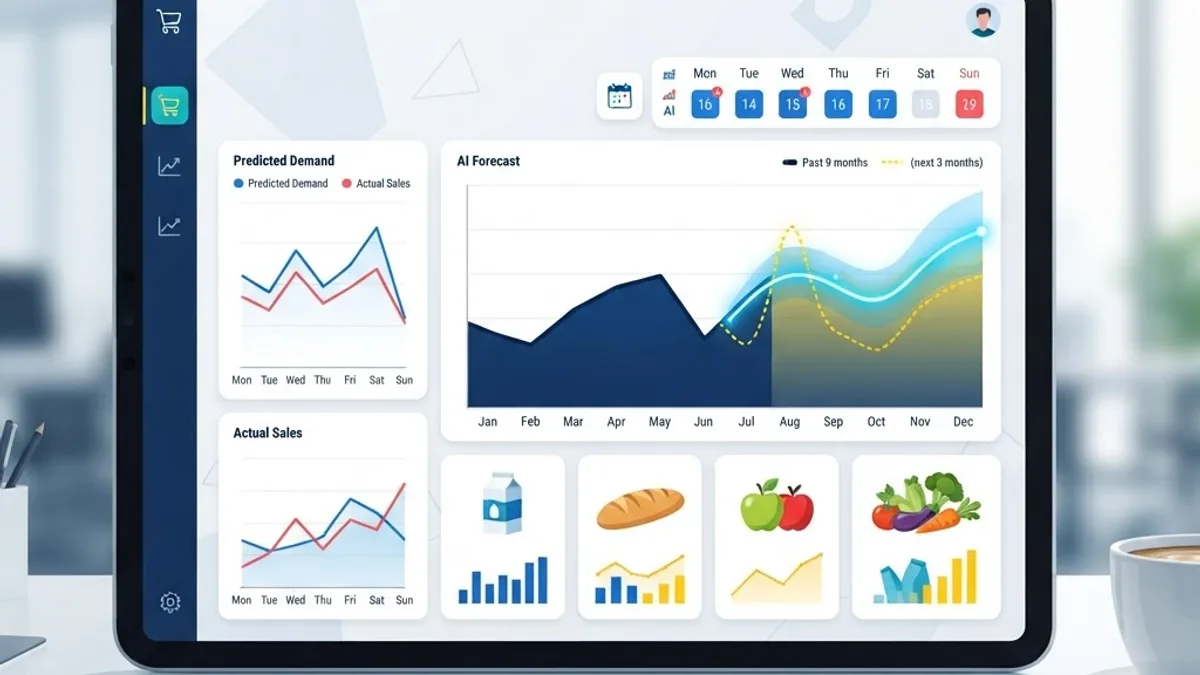
Demand forecasting is the single most valuable AI use case for any grocer, and Lidl treats it as mission-critical. Predicting how many units of milk, bread, or seasonal produce a specific store will sell on a given day is extraordinarily complex. Get it wrong on the high side and food spoils; get it wrong on the low side and shelves sit empty.
Lidl's forecasting models ingest a wide range of signals:
- Historical sales data at the individual store and SKU level
- Local weather forecasts (heatwaves spike demand for drinks and ice cream)
- Public holidays, school schedules, and local events
- Promotional calendars and price changes
- Day-of-week and seasonal patterns
By blending these inputs, machine learning models produce store-specific predictions far more accurate than traditional rule-based systems. The payoff is fewer stockouts, less spoilage, and tighter ordering. In fresh categories, where products expire in days, this precision directly protects both margin and reputation.
Definition: Demand forecasting is the use of statistical and machine learning models to predict future customer demand for products so inventory can be ordered and positioned efficiently.
2. Supply Chain and Logistics Optimization
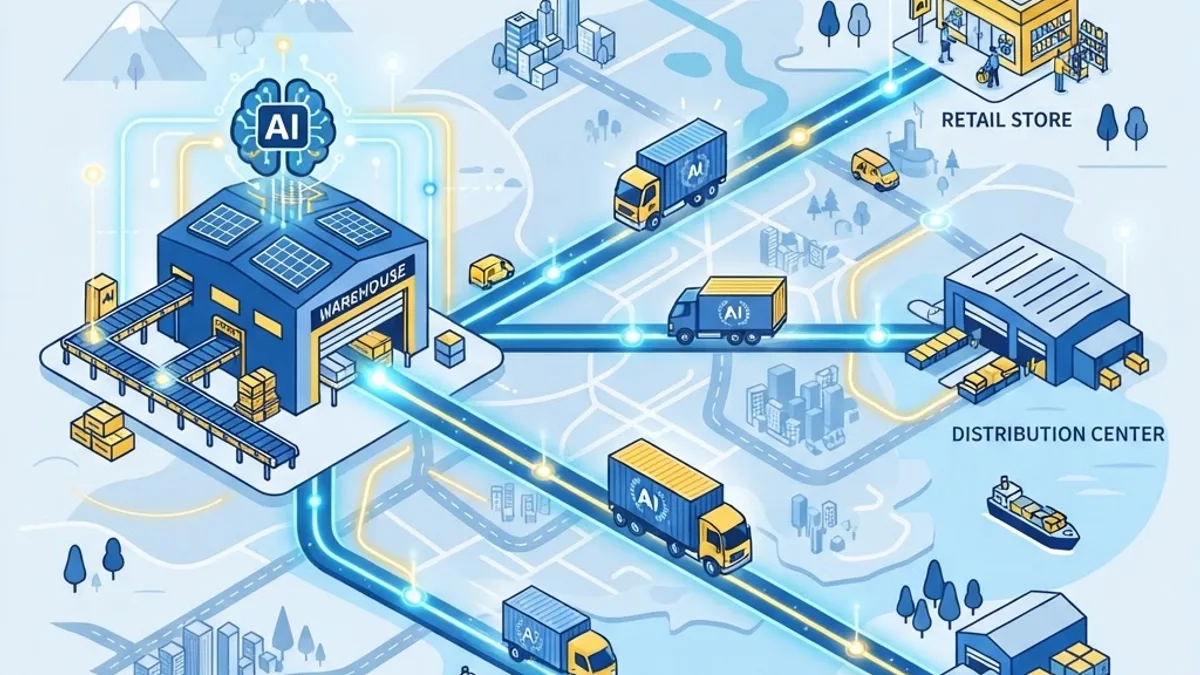
Once demand is predicted, AI orchestrates the movement of goods from suppliers to distribution centers to store shelves. Lidl operates a highly centralized logistics network, and AI optimizes it at multiple layers.
Route optimization algorithms plan the most fuel-efficient delivery paths, reducing mileage, emissions, and driver hours. Warehouse systems use AI to determine optimal stock placement, prioritizing fast-moving items for quicker picking. Predictive models also flag potential supply disruptions before they cascade into empty shelves.
The result is a leaner, more resilient supply chain. During periods of volatility, such as sudden weather events or shipping delays, AI helps Lidl reroute inventory and adjust orders faster than manual planning ever could. For a discounter, supply chain efficiency is not a back-office concern; it is the foundation of the low-price promise customers rely on.
3. Dynamic Pricing and Markdown Optimization
Pricing is where AI directly touches profitability. Lidl uses algorithms to optimize markdowns, especially for perishable goods approaching their sell-by dates. Instead of applying a fixed discount to expiring products, AI calculates the price reduction most likely to sell the item before it becomes waste, balancing revenue recovery against disposal costs.
This is a subtle but powerful shift. A tomato marked down 30% that still doesn't sell is a total loss. An AI model that recommends the right markdown at the right time converts would-be waste into recovered revenue. Multiplied across thousands of stores and millions of perishable units, the savings are substantial.
Lidl remains careful here. As a discounter whose brand rests on consistent low prices, it avoids the aggressive surge pricing seen in other industries. AI is used to protect the value promise, not to squeeze shoppers.
4. Customer Personalization and the Lidl Plus App

The Lidl Plus loyalty app, with tens of millions of active users across Europe, is the retailer's primary personalization engine. AI analyzes individual shopping patterns to deliver tailored coupons, offers, and product recommendations that feel relevant rather than random.
Instead of blasting every customer the same generic discount, Lidl's models identify what each shopper actually buys and when. A household that buys baby products receives relevant deals; a customer who shops mostly plant-based gets matching offers. This targeted approach increases redemption rates, boosts basket size, and deepens loyalty, all while giving Lidl richer first-party data to feed back into forecasting.
Personalization also drives app engagement, which in turn strengthens the entire data flywheel. The more shoppers use Lidl Plus, the smarter every other AI system becomes. Retailers building similar loyalty ecosystems often pair app development with digital marketing strategy to maximize engagement and retention.
5. Computer Vision and Store Automation
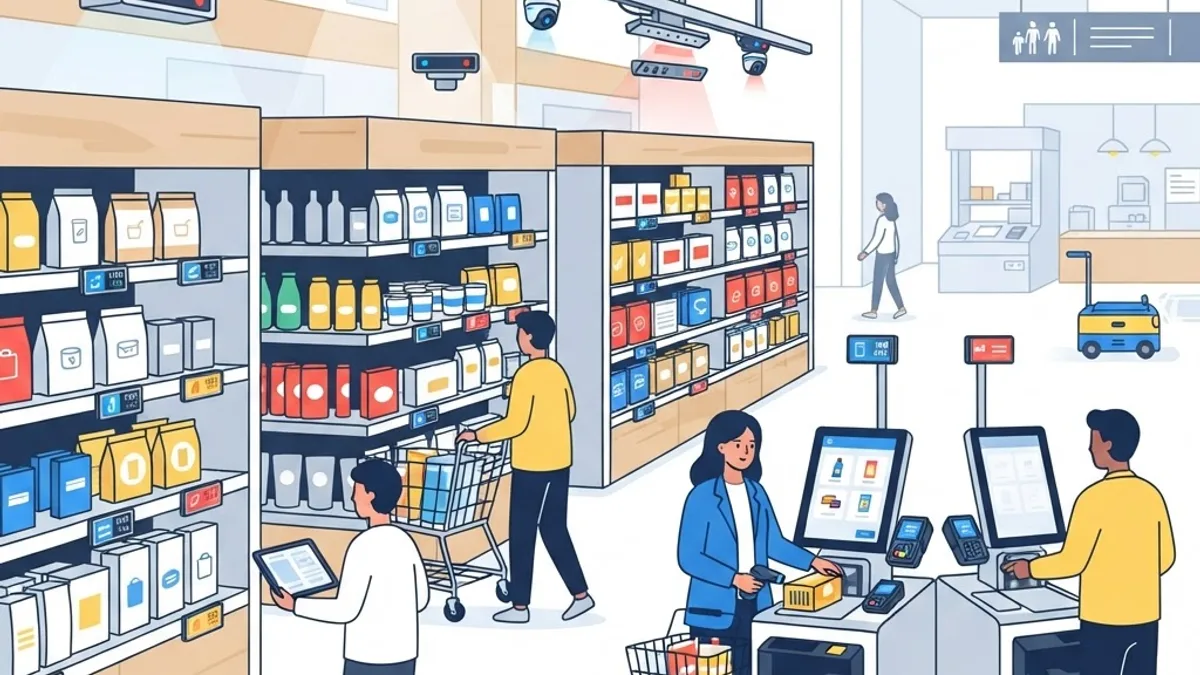
Inside stores, computer vision is quietly transforming operations. Lidl is piloting and expanding AI systems that monitor shelves in real time, detecting when products run low or when items are misplaced. This reduces the manual labor of shelf checks and ensures higher on-shelf availability, a key driver of shopper satisfaction.
At checkout, AI improves speed and accuracy. Self-checkout systems increasingly use computer vision to recognize products, flag scanning errors, and reduce shrink. Some formats experiment with frictionless checkout concepts, though Lidl typically prioritizes proven, cost-effective automation over flashy experiments.
These in-store systems free staff from repetitive tasks so they can focus on customer service and restocking, improving both efficiency and the shopping experience simultaneously.
6. Food Waste Reduction and Sustainability
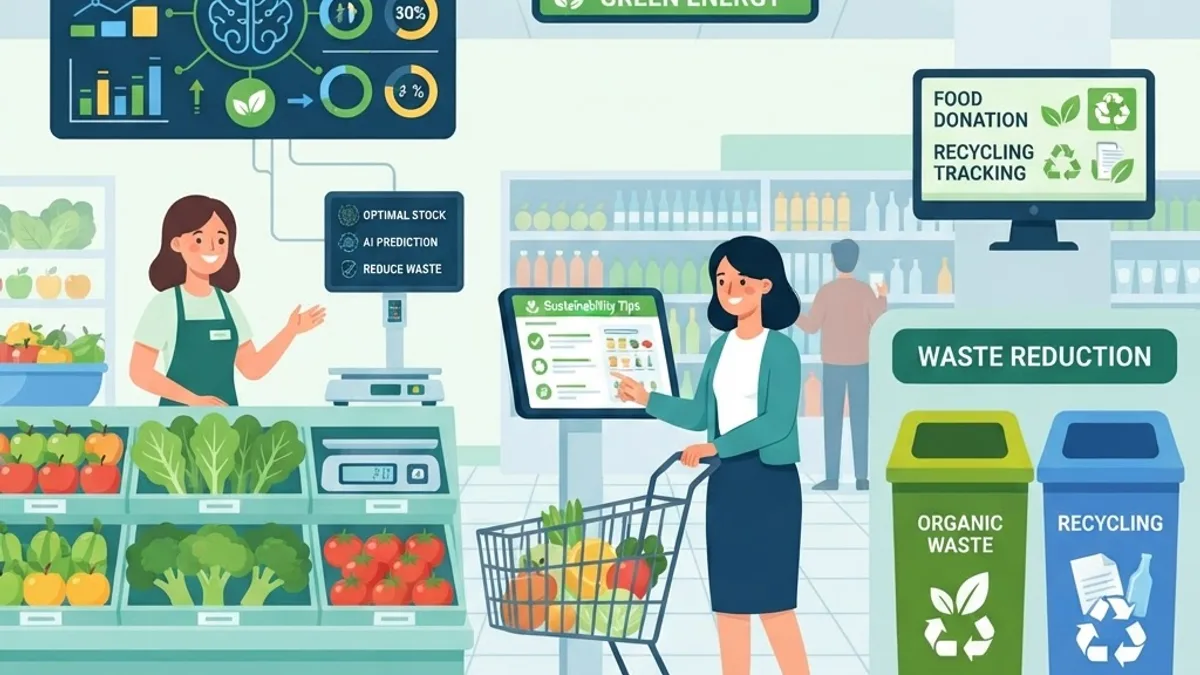
Food waste is both an ethical and financial problem, and AI is central to Lidl's response. According to the United Nations, roughly one-third of all food produced globally is wasted, and grocery retail is a significant contributor. Lidl uses AI-driven forecasting and markdown optimization specifically to shrink this footprint.
By ordering more precisely and pricing perishables intelligently, Lidl reduces the volume of unsold fresh food. AI also helps optimize energy use in stores, adjusting refrigeration and lighting based on demand patterns and occupancy. These sustainability gains align with tightening EU regulations and growing consumer expectations, turning responsible operations into a competitive advantage.
This is a clear example of AI delivering triple value: lower costs, reduced environmental impact, and stronger brand trust.
7. Fraud Detection and Security
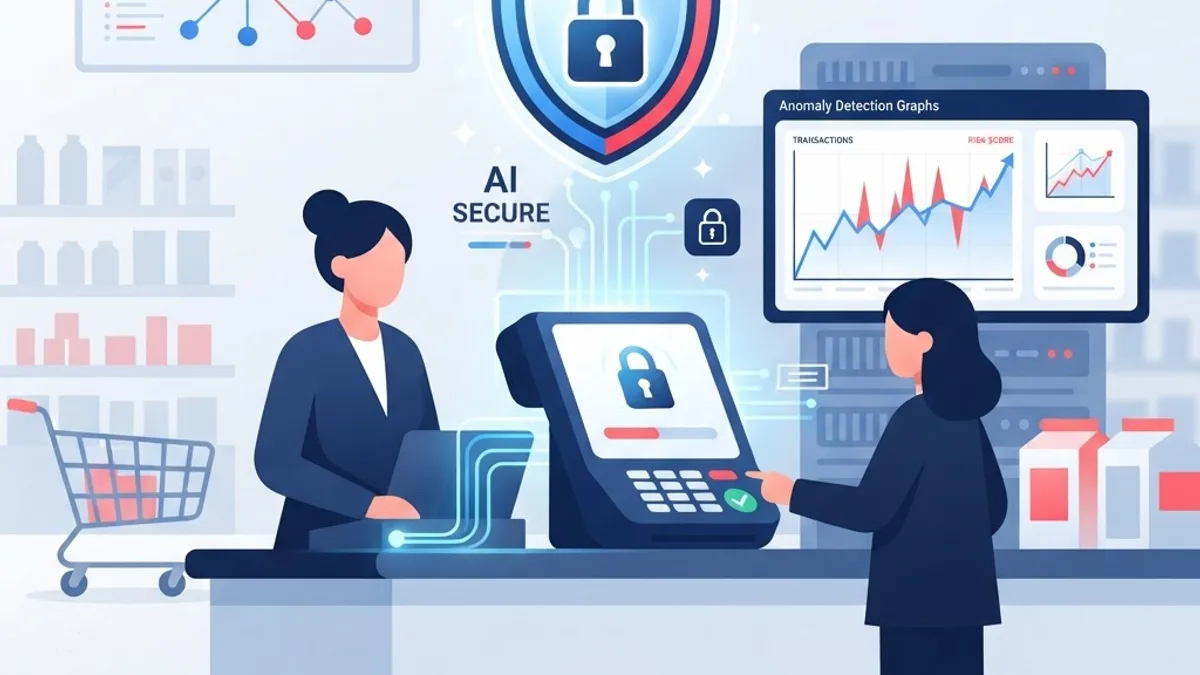
As Lidl's digital footprint grows through its app, online offers, and payment systems, so does exposure to fraud. AI models monitor transactions and account behavior to detect anomalies in real time, flagging suspicious coupon abuse, payment fraud, and account takeovers before they cause damage.
Machine learning excels here because fraud patterns constantly evolve. Rule-based systems catch known tricks; AI adapts to new ones by spotting statistical deviations from normal behavior. This protects both Lidl and its customers, safeguarding the trust that underpins the loyalty program.
Lidl AI Use Cases at a Glance
| AI Use Case | Primary Goal | Business Impact |
|---|---|---|
| Demand Forecasting | Predict store-level demand | Fewer stockouts, less spoilage |
| Supply Chain Optimization | Efficient logistics and routing | Lower costs, higher resilience |
| Dynamic Pricing | Smart markdowns on perishables | Recovered revenue, less waste |
| Personalization | Tailored offers via Lidl Plus | Higher loyalty and basket size |
| Computer Vision | Shelf monitoring and checkout | Better availability, less shrink |
| Food Waste Reduction | Precise ordering and energy use | Lower costs, sustainability gains |
| Fraud Detection | Real-time anomaly monitoring | Reduced losses, customer trust |
Key Takeaways
- Lidl operates 12,000+ stores across 31 countries, making AI a scale-driven necessity rather than an experiment.
- Schwarz Group generates over €167 billion in revenue, so small AI-driven efficiency gains produce enormous absolute value.
- McKinsey research shows advanced analytics can cut grocery inventory costs by 10% to 20%, aligning with Lidl's goals.
- Lidl built Schwarz Digits to control AI infrastructure and data in-house.
- Every Lidl AI use case serves the discounter mission: cut waste, protect margins, and keep prices low.
Frequently Asked Questions (FAQ)
How does Lidl use artificial intelligence in 2026?
In 2026, Lidl uses AI for demand forecasting, supply chain optimization, dynamic markdown pricing, customer personalization through Lidl Plus, computer-vision shelf monitoring, food-waste reduction, and fraud detection. Every application focuses on efficiency and cost control to support the discount grocery business model shoppers rely on.
Does Lidl have its own AI technology company?
Yes. Lidl's parent, the Schwarz Group, operates Schwarz Digits, a dedicated technology division. It builds and manages AI infrastructure, cloud services, and data systems in-house. This gives Lidl control over its data, faster development cycles, and independence from external cloud providers it sometimes competes against.
How does AI help Lidl reduce food waste?
AI reduces Lidl's food waste through precise demand forecasting and intelligent markdown pricing on perishables. Models predict store-level demand using sales, weather, and event data, so Lidl orders more accurately. Dynamic pricing then sells expiring items before spoilage, cutting waste while recovering revenue and supporting sustainability targets.
Is the Lidl Plus app powered by artificial intelligence?
Yes. The Lidl Plus loyalty app uses AI to analyze individual shopping patterns and deliver personalized coupons, offers, and recommendations. This increases redemption rates and basket size while generating first-party data that improves Lidl's forecasting and inventory systems, strengthening the retailer's overall data-driven ecosystem.
What can other retailers learn from Lidl's AI strategy?
Retailers can learn that AI works best when tied directly to core business goals. Lidl avoids flashy technology and focuses every model on cutting waste, protecting margins, and improving availability. Starting with high-impact areas like forecasting and building data ownership creates sustainable, measurable value rather than hype.
Final Thoughts
Lidl's 2026 AI strategy is a masterclass in disciplined adoption. Rather than chasing headlines, the retailer applies artificial intelligence where it delivers measurable returns: forecasting, logistics, pricing, personalization, automation, sustainability, and security. That focus is precisely why it works.
For businesses looking to follow a similar data-first path, partnering with experienced teams like ZoneTechify and WebPeak can help translate AI ambition into practical, profitable results. The lesson from Lidl is simple: let clear business goals drive your AI, and the technology will pay for itself.