A clear, expert guide to the National Artificial Intelligence Advisory Committee (NAIAC): what it is, who serves on it, its responsibilities, and why it matters.
National Artificial Intelligence Advisory Committee
The National Artificial Intelligence Advisory Committee (NAIAC) is one of the most important yet least understood bodies shaping how the United States approaches AI. As businesses, developers, and policymakers race to deploy artificial intelligence responsibly, NAIAC sits at the center of the conversation, advising the President and the National AI Initiative Office on the direction of national AI policy. If you have ever wondered who actually guides federal AI strategy in America, this committee is a large part of the answer.
In this guide, we break down exactly what NAIAC does, who serves on it, the recommendations it produces, and why its work matters for organizations of every size. Whether you run a startup integrating machine learning or you simply want to understand where AI regulation is headed, this article gives you a clear, expert-level picture grounded in how the committee actually operates.
Quick Answer: The National Artificial Intelligence Advisory Committee (NAIAC) is a federal advisory body that counsels the U.S. President and the National AI Initiative Office on artificial intelligence policy, covering competitiveness, workforce impact, ethics, safety, and trustworthy AI. It issues non-binding but influential recommendations shaping national strategy.
What Is the National Artificial Intelligence Advisory Committee?
The National Artificial Intelligence Advisory Committee is a federal advisory committee established under the National Artificial Intelligence Initiative Act of 2020. Its core mission is to provide independent, expert advice on the full range of issues related to artificial intelligence, from economic competitiveness to civil liberties.
Definition: NAIAC is a congressionally mandated advisory body that delivers recommendations to the President and the National AI Initiative Office (NAIIO) on how the United States should develop, deploy, and govern artificial intelligence.
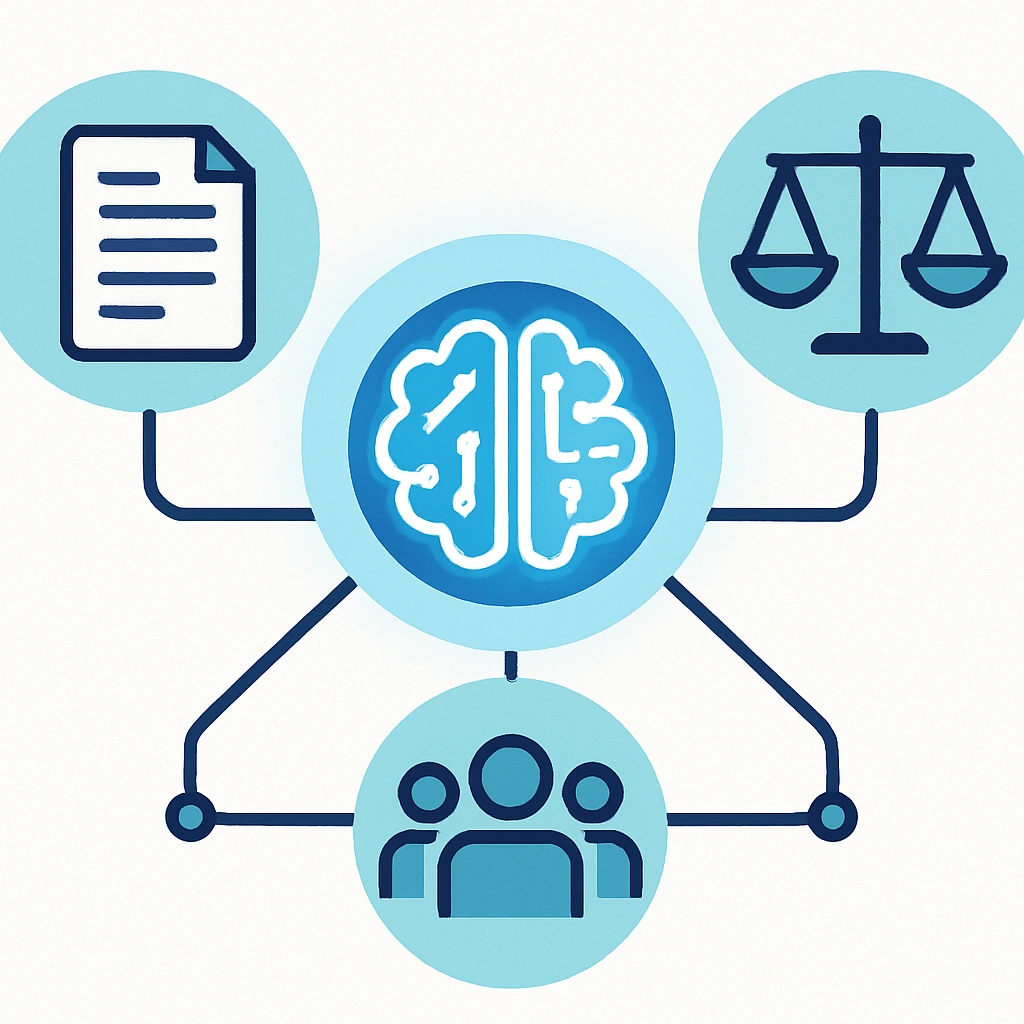
Unlike a regulatory agency, NAIAC does not write enforceable rules. Instead, it functions like a national brain trust, synthesizing input from industry, academia, civil society, and government to recommend a coherent path forward. The committee was officially launched in 2022 and holds public meetings, publishes reports, and operates with transparency required of federal advisory committees. This open structure is intentional, because trustworthy AI governance depends on public visibility into how decisions are made.
Why NAIAC Was Created
NAIAC exists because artificial intelligence outpaced the government's ability to understand and respond to it. By the time large language models entered mainstream use, federal agencies needed structured, expert guidance to avoid both reckless deployment and innovation-killing overregulation.
The committee was designed to answer practical national questions:
- How can the U.S. maintain global leadership in AI research and commercialization?
- How should AI risks to privacy, security, and civil rights be managed?
- How will automation reshape the American workforce?
- How can federal agencies adopt AI responsibly and effectively?
According to Stanford's AI Index, U.S. private AI investment reached tens of billions of dollars annually, dwarfing most other nations. With that scale of investment comes systemic risk, and NAIAC was created to ensure that growth is matched by thoughtful oversight rather than left entirely to market forces.
Who Serves on the Committee?
NAIAC members are appointed for their deep, demonstrated expertise across the AI landscape. The committee deliberately blends voices from technology companies, universities, nonprofits, and advocacy groups to avoid a single-industry bias.

Members typically include:
- Industry leaders from major and emerging technology firms who understand real-world deployment.
- Academic researchers specializing in machine learning, ethics, and computer science.
- Civil society advocates focused on privacy, fairness, and human rights.
- Domain experts in areas such as labor economics, national security, and law.
This composition matters because credible AI advice cannot come from engineers alone. A recommendation about facial recognition, for example, requires technical, legal, and ethical perspectives simultaneously. The committee's diversity is what gives its reports authority across political and commercial divides.
Key Responsibilities of NAIAC
The committee's responsibilities are broad but focused on advising rather than enforcing. Its central duty is to assess the state of U.S. AI and recommend improvements across science, policy, and society.
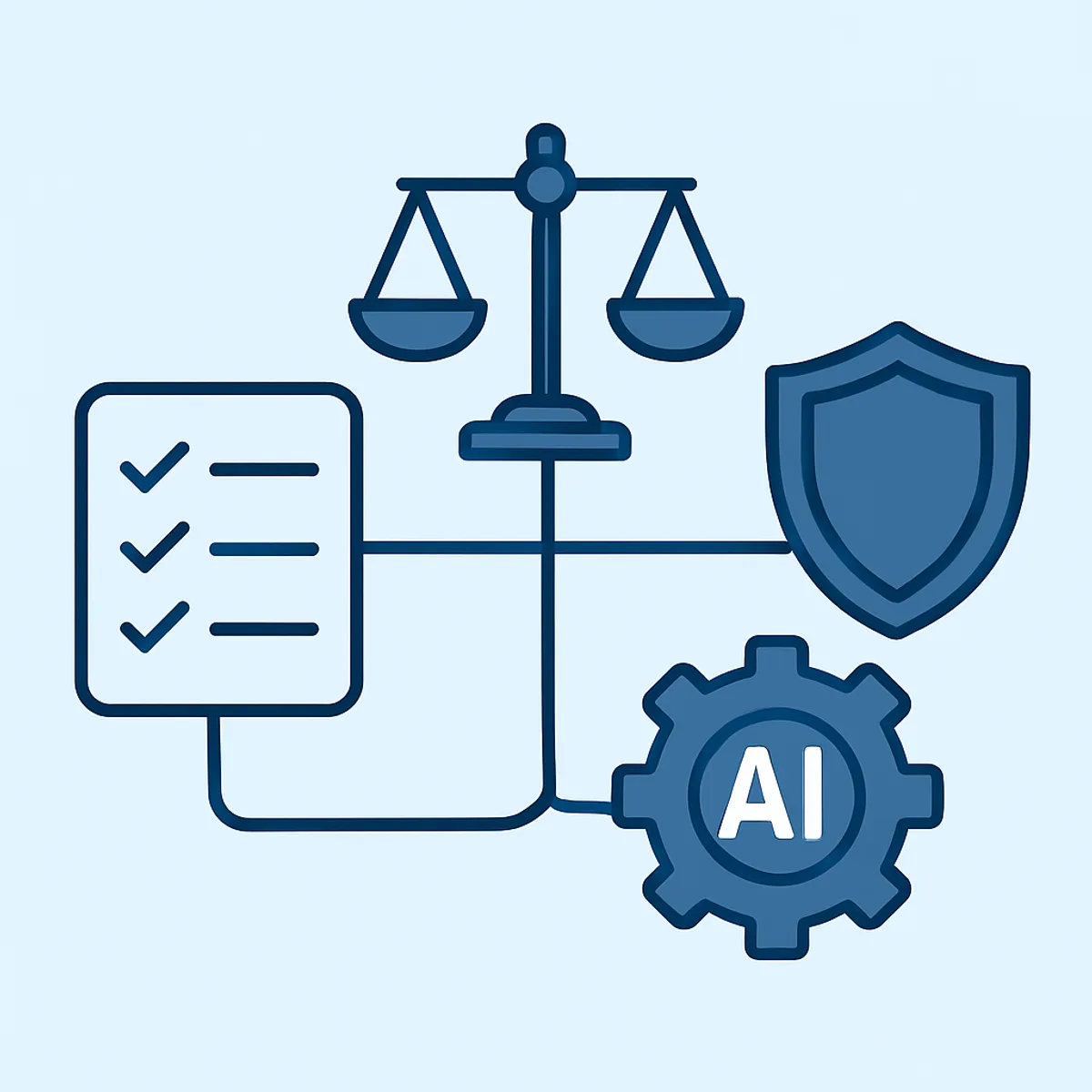
NAIAC's main responsibilities include:
- Evaluating U.S. competitiveness and leadership in AI globally.
- Advising on the state of AI research and development funding.
- Examining ethical, legal, and societal implications of AI.
- Assessing AI's impact on the workforce and education.
- Reviewing issues of bias, accountability, and trustworthy AI.
- Advising on opportunities for international cooperation.
A dedicated subcommittee also focuses specifically on AI and law enforcement, reflecting the heightened civil-rights stakes in that domain. Each responsibility translates into published findings that agencies can act on, even though adoption remains voluntary.
NAIAC vs. Other AI Governance Bodies
Understanding where NAIAC fits requires comparing it to related entities. Many people confuse advisory committees with regulators or standards bodies, but their roles are distinct.
| Body | Primary Role | Binding Power | Focus |
|---|---|---|---|
| NAIAC | Advises President and NAIIO | No | National AI strategy and ethics |
| NIST | Develops standards and frameworks | No (voluntary) | Technical AI risk management |
| Federal agencies (FTC, etc.) | Enforce existing laws | Yes | Consumer protection, competition |
| Congress | Writes legislation | Yes | Statutory AI law |
The table makes the distinction clear: NAIAC shapes thinking, NIST shapes standards, and agencies plus Congress hold actual enforcement power. NAIAC's influence is upstream, informing the decisions that later become rules and laws.
What NAIAC's Recommendations Cover
The committee's recommendations are where its real influence shows. These are detailed, published positions that agencies, businesses, and lawmakers reference when designing their own AI approaches.
Recent NAIAC guidance has emphasized themes such as advancing trustworthy and rights-respecting AI, strengthening the federal government's own responsible AI adoption, supporting AI research access for smaller players, and preparing the workforce for AI-driven change. The committee has also stressed the importance of generative AI oversight, recognizing how quickly tools like large language models moved from labs into everyday business operations.
For organizations adopting AI, these recommendations act as an early warning system. They signal where future regulation and procurement standards are likely to land, allowing forward-thinking companies to align proactively. If your business is building AI-driven products, partnering with experienced specialists like the team at ZoneTechify's artificial intelligence services can help you implement these trustworthy-AI principles before they become mandatory.
Why NAIAC Matters for Businesses
NAIAC may advise the government, but its ripple effects reach directly into the private sector. Federal AI priorities influence procurement, funding, and the regulatory climate every company operates within.
Here is why business leaders should pay attention:
- Regulatory foresight: NAIAC reports preview the direction of future U.S. AI rules.
- Procurement signals: Federal AI standards often become baseline expectations for vendors.
- Risk reduction: Aligning with trustworthy AI guidance lowers legal and reputational exposure.
- Competitive advantage: Early adopters of responsible AI practices build customer trust faster.
According to McKinsey research, organizations that actively manage AI-related risks report stronger and more sustainable returns from their AI investments. In other words, paying attention to bodies like NAIAC is not just compliance, it is good business. Companies looking to modernize responsibly can also explore specialized AI services from WebPeak to bridge the gap between policy and practical implementation.
The AI Governance Framework NAIAC Supports
NAIAC consistently champions a layered governance framework rather than a single sweeping law. This reflects expert consensus that AI is too varied for one-size-fits-all rules.
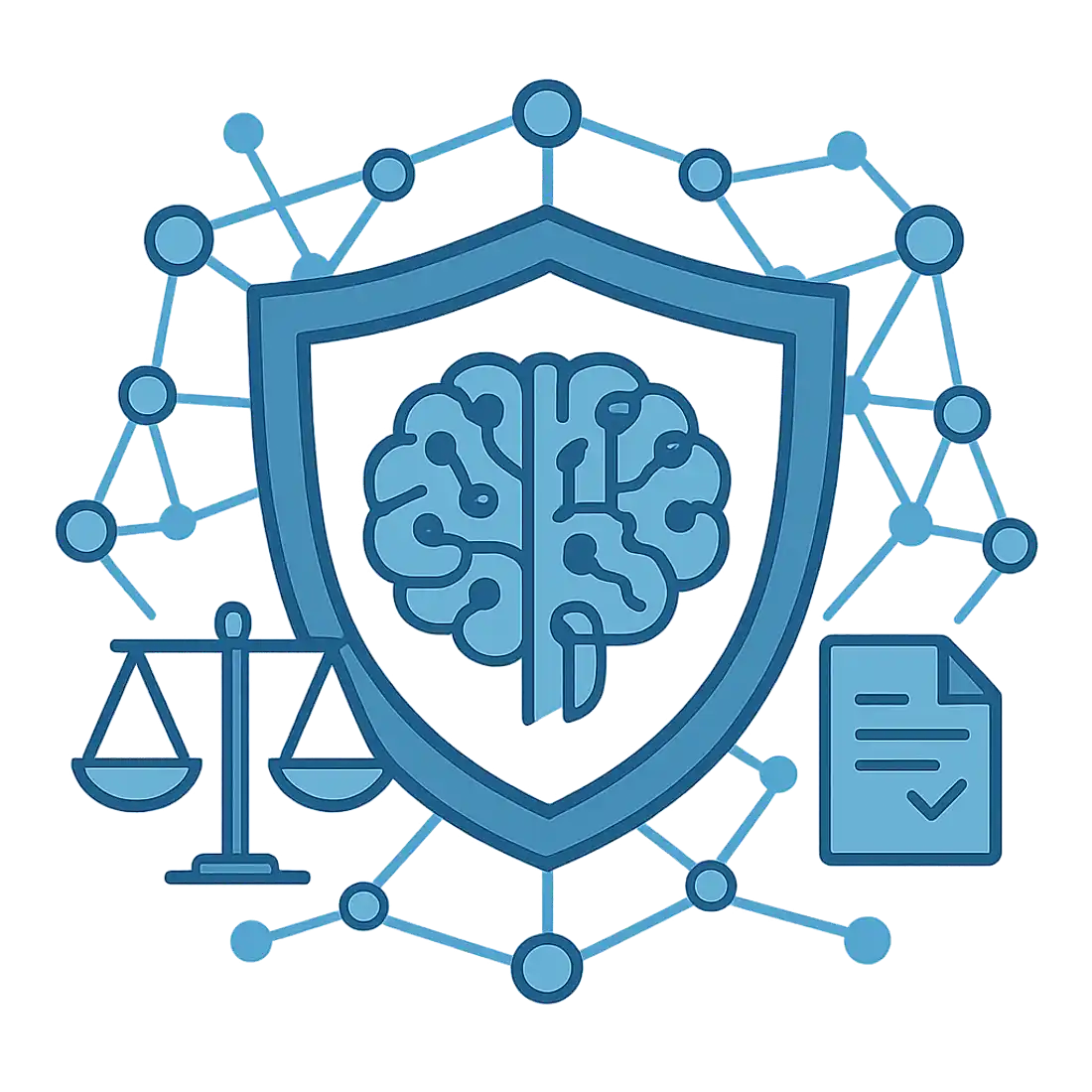
The framework it supports rests on a few pillars: technical standards (often from NIST), sector-specific oversight, transparency and accountability requirements, and continuous risk assessment. This approach mirrors how mature industries like aviation and finance are governed, combining baseline rules with domain expertise. For deeper context on the U.S. national AI strategy, you can review the official materials published by the National AI Initiative and explore credible analysis through resources like ZoneTechify and WebPeak, which track how these policies affect real implementations.
The Future of AI Regulation in the U.S.
NAIAC's work points toward a future where AI oversight becomes more structured, more transparent, and more deeply embedded in government operations. As AI capabilities accelerate, the committee's role as a trusted advisor is likely to grow in importance.

Expect continued emphasis on generative AI safety, workforce reskilling, and international coordination. While NAIAC itself will not pass laws, the conceptual groundwork it lays today will shape the binding regulations of tomorrow. Organizations that internalize its principles early will be best positioned for whatever rules eventually arrive.
Key Takeaways
- NAIAC was established under the National AI Initiative Act of 2020 and launched in 2022.
- It advises the U.S. President and the National AI Initiative Office, but holds no enforcement power.
- Members span industry, academia, and civil society to ensure balanced, credible advice.
- A dedicated subcommittee focuses specifically on AI and law enforcement.
- NAIAC recommendations preview future regulation, making them valuable for business planning.
- The committee favors a layered governance framework over a single AI law.
Frequently Asked Questions (FAQ)
What does the National Artificial Intelligence Advisory Committee do?
NAIAC advises the U.S. President and the National AI Initiative Office on artificial intelligence policy. It evaluates national competitiveness, ethics, workforce impact, and trustworthy AI, then publishes recommendations. While its advice is non-binding, it strongly influences how federal agencies and lawmakers approach AI governance and regulation.
When was NAIAC established?
NAIAC was created under the National Artificial Intelligence Initiative Act of 2020 and officially began operating in 2022. It was formed to give the federal government structured, expert guidance on AI as the technology rapidly advanced beyond existing policy frameworks and demanded coordinated national attention.
Does NAIAC make laws or regulations?
No, NAIAC does not write or enforce any laws. It is strictly an advisory committee that issues recommendations. Actual AI regulation comes from Congress through legislation and from federal agencies enforcing existing rules. NAIAC influences these bodies but has no direct regulatory or enforcement authority of its own.
Who can serve on the AI advisory committee?
NAIAC members are appointed experts drawn from technology companies, universities, nonprofits, and advocacy organizations. They bring expertise in machine learning, ethics, law, economics, and civil rights. This deliberately diverse mix ensures recommendations reflect technical, social, and legal realities rather than the interests of any single industry.
Why should businesses care about NAIAC?
Businesses should watch NAIAC because its recommendations preview future AI regulation, procurement standards, and risk expectations. Aligning early with its trustworthy-AI guidance reduces legal exposure and builds customer trust. Companies that adopt responsible AI practices ahead of mandates gain a meaningful competitive and reputational advantage.
How does NAIAC differ from NIST?
NAIAC advises on broad national AI strategy and ethics, while NIST develops voluntary technical standards and risk-management frameworks. NAIAC focuses on the big-picture direction of U.S. AI policy, whereas NIST provides the detailed, practical tools organizations use to measure and manage AI risk responsibly.