
A clear, expert guide to pure artificial intelligence, what it really means, how it differs from narrow AI, and how businesses can apply it responsibly today.
Pure Artificial Intelligence

The phrase "pure artificial intelligence" gets used loosely across blogs, sales decks, and product launches, yet very few sources actually define it with precision. After more than a decade building and advising on AI-driven systems, I have seen teams waste budgets chasing a version of AI that does not exist while ignoring the practical intelligence sitting in front of them. This guide cuts through the noise. It explains what pure artificial intelligence genuinely means, how it differs from the AI you use every day, where it delivers real value, and how to think about it without falling for hype.
You will leave this article able to tell marketing fluff from technical reality, and with a concrete framework for evaluating any AI claim you encounter.
Quick Answer: Pure artificial intelligence refers to AI built entirely from machine reasoning and learning, with no scripted human rules guiding its decisions. In practice, most "pure AI" today is advanced narrow AI, true general intelligence that thinks like a human across any task does not yet exist.
What Is Pure Artificial Intelligence?

Pure artificial intelligence describes a system whose intelligence comes entirely from learned patterns and autonomous reasoning, rather than from hand-coded rules written by engineers. In a purely rule-based program, a developer writes instructions like "if the customer is unhappy, offer a discount." In a pure AI system, no one writes that rule, the model learns the relationship between dissatisfaction and retention from data and decides on its own.
Key definition: Pure AI is intelligence that emerges from data and self-learning, not from explicit human-authored logic.
This matters because the word "pure" is a spectrum, not a binary. Almost every real product blends learned intelligence with engineered guardrails. A self-driving car uses deep neural networks (learned) alongside hard safety limits (coded). Calling something "pure AI" usually signals that the core decision-making is model-driven rather than rule-driven, not that humans were removed entirely.
Understanding this distinction protects you from vendors who oversell. If a company claims its product is "100% pure AI," ask what the model actually learns versus what is scripted behind the scenes.
Pure AI vs Narrow AI: The Honest Comparison
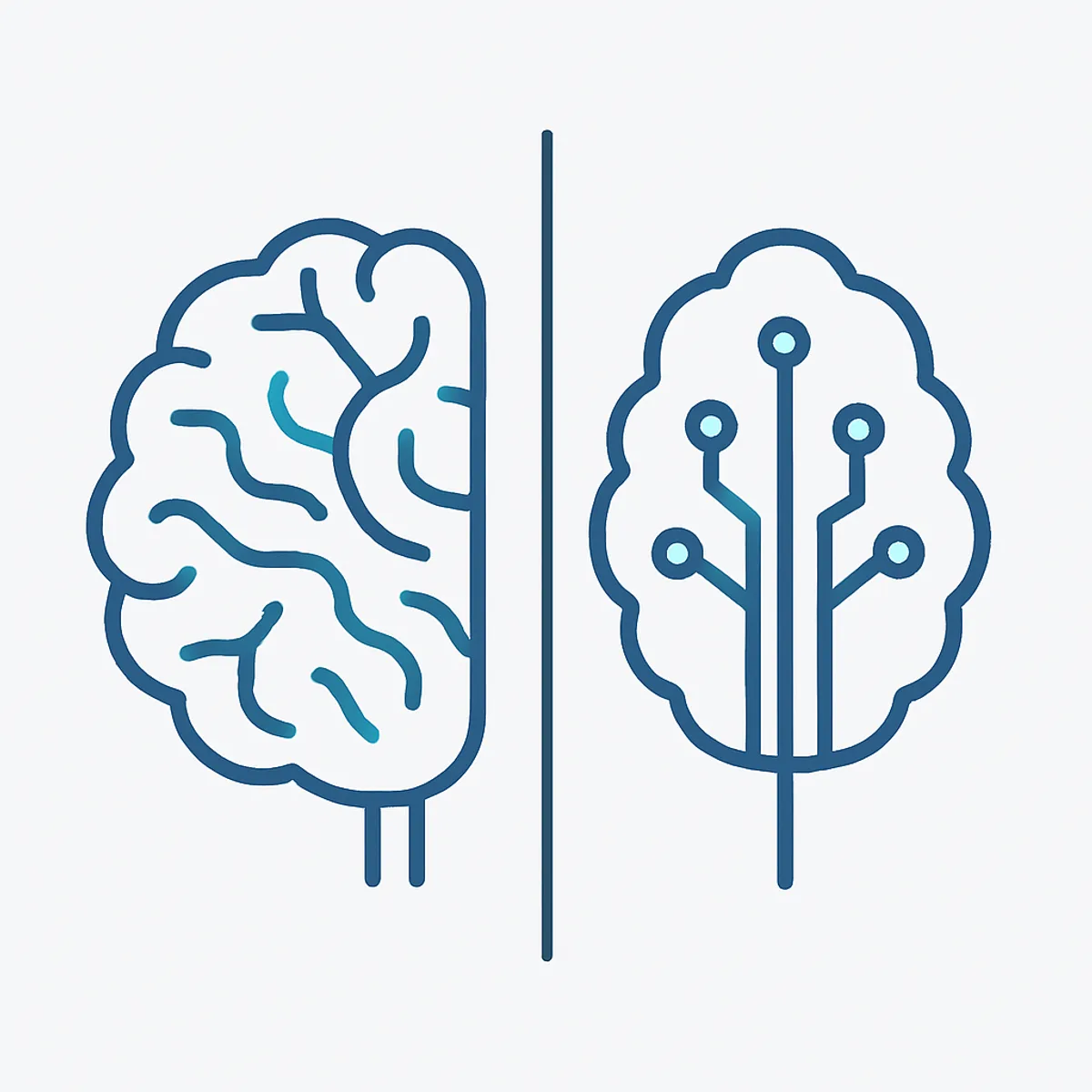
The biggest misconception is that pure AI means a machine that thinks like a human. That concept is called Artificial General Intelligence (AGI), and it does not exist yet. What we call advanced AI today, including large language models, is narrow AI, extraordinarily capable within a defined domain but unable to transfer understanding freely across unrelated tasks.
Here is how the main categories compare:
| Type | What It Means | Exists Today | Example |
|---|---|---|---|
| Rule-Based AI | Human-coded logic only | Yes | Tax filing software |
| Narrow AI | Learns one domain deeply | Yes | ChatGPT, image recognition |
| Pure AI (practical) | Decisions driven by learning, minimal rules | Yes (partial) | Fraud detection models |
| General AI (AGI) | Human-level reasoning across all tasks | No | Hypothetical only |
| Super AI | Surpasses human intelligence | No | Theoretical |
The practical takeaway is that "pure artificial intelligence" in a business context almost always means sophisticated narrow AI where learning dominates the decision pipeline. According to Stanford's AI Index, private investment in AI reached tens of billions of dollars annually, yet none of it has produced verified general intelligence. The smartest teams plan around narrow AI's strengths instead of waiting for AGI.
How Machine Learning Powers Pure AI
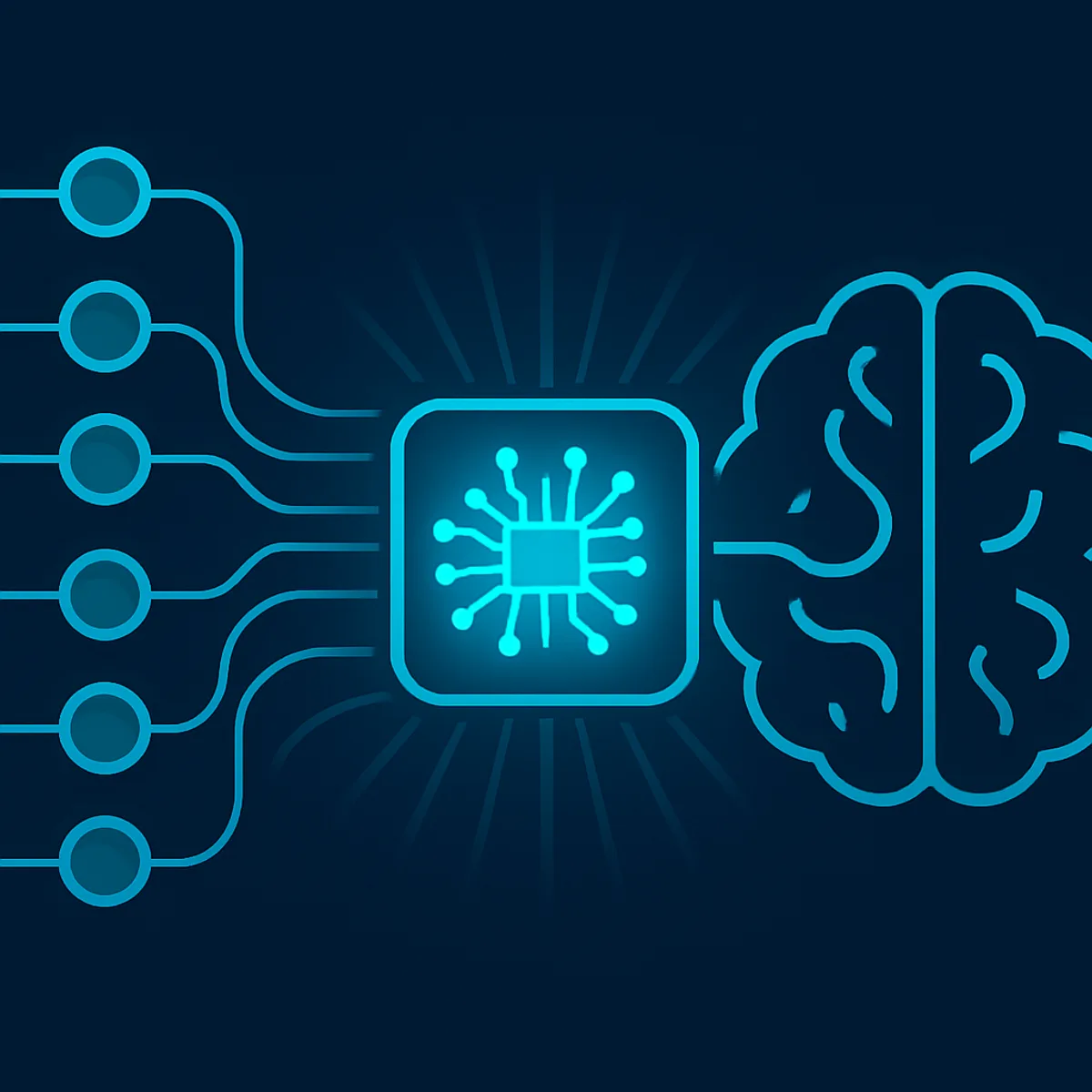
At the heart of pure artificial intelligence sits machine learning, the engine that lets systems improve from experience without being explicitly reprogrammed. There are three foundational approaches, and knowing them helps you judge whether a system is genuinely learning or simply following dressed-up rules.
- Supervised learning: The model learns from labeled examples, like emails tagged "spam" or "not spam." It is the most common and reliable approach for business use.
- Unsupervised learning: The model finds hidden patterns in unlabeled data, useful for customer segmentation or anomaly detection.
- Reinforcement learning: The model learns by trial and error, earning rewards for good outcomes. This powers game-playing AI and robotics.
The closer a system sits to pure AI, the more it relies on these methods to make autonomous decisions. Deep learning, a subset built on multi-layer neural networks, is what gives modern AI its remarkable ability to understand images, language, and speech. When a model has millions of learned parameters tuning themselves against data, you are looking at intelligence that is genuinely learned rather than scripted.
If you want a deeper, hands-on perspective on deploying these systems, the team at ZoneTechify and the engineers at WebPeak regularly turn these concepts into production-ready solutions.
Real Business Applications of Pure AI
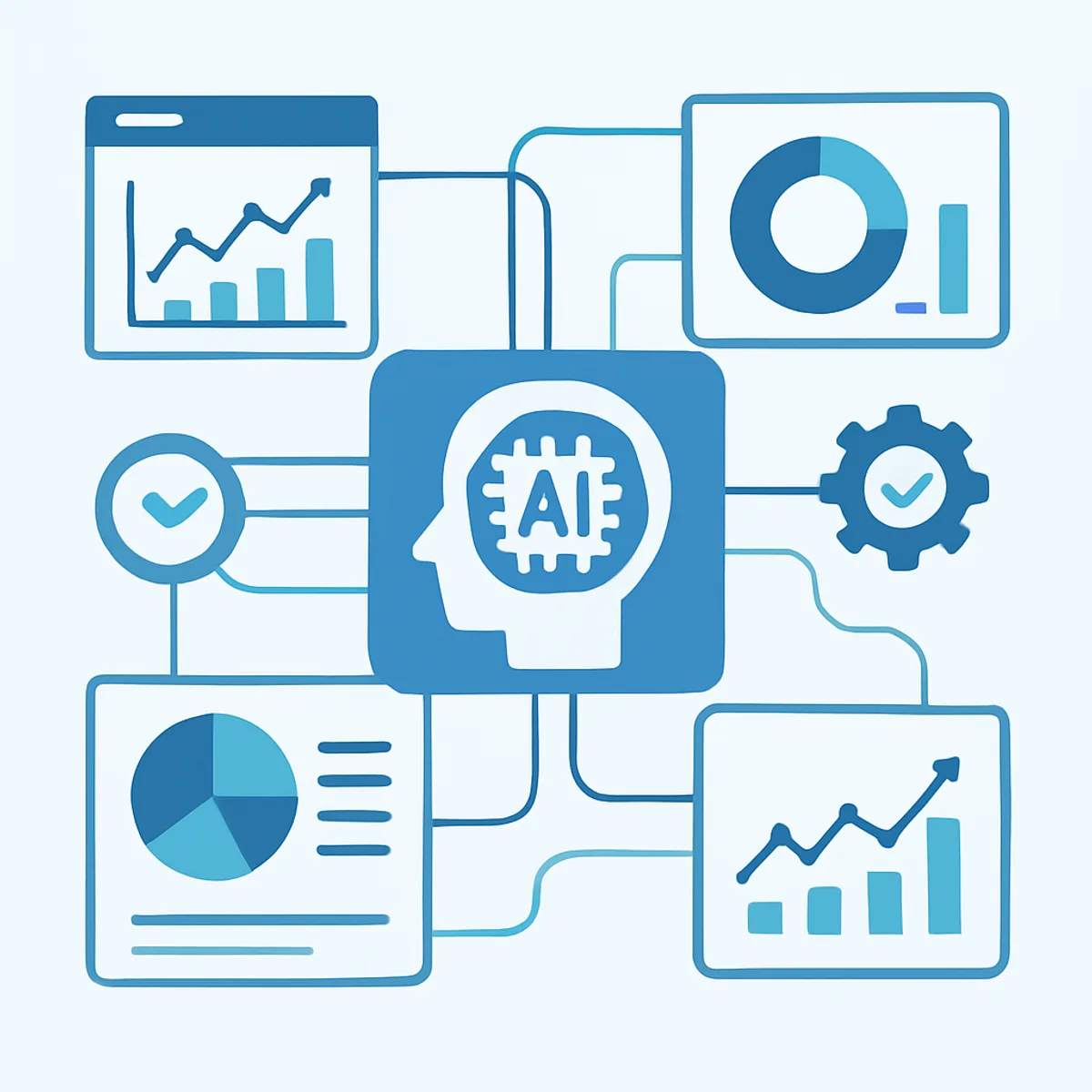
Pure artificial intelligence is not a research curiosity, it already drives measurable outcomes across industries. The common thread is that these systems make decisions humans could not script in advance because the patterns are too complex.
- Fraud detection: Banks use learning models that flag suspicious transactions in milliseconds, adapting as fraud tactics evolve.
- Personalized recommendations: According to McKinsey, recommendation engines can drive a significant share of revenue for digital platforms by learning individual behavior.
- Predictive maintenance: Factories predict equipment failure before it happens, cutting downtime and repair costs.
- Medical imaging: Models detect early signs of disease in scans, often matching specialist accuracy in narrow tasks.
- Customer support: AI assistants resolve routine queries instantly while routing complex cases to humans.
The organizations that win do not deploy AI everywhere, they target high-volume, pattern-rich problems where learning beats rules. If your decision involves thousands of variables and constant change, pure AI shines. If it is simple and stable, a basic rule may serve you better and cost far less. For teams ready to build these capabilities, exploring dedicated artificial intelligence services is a practical starting point.
The Ethics and Challenges of Pure AI
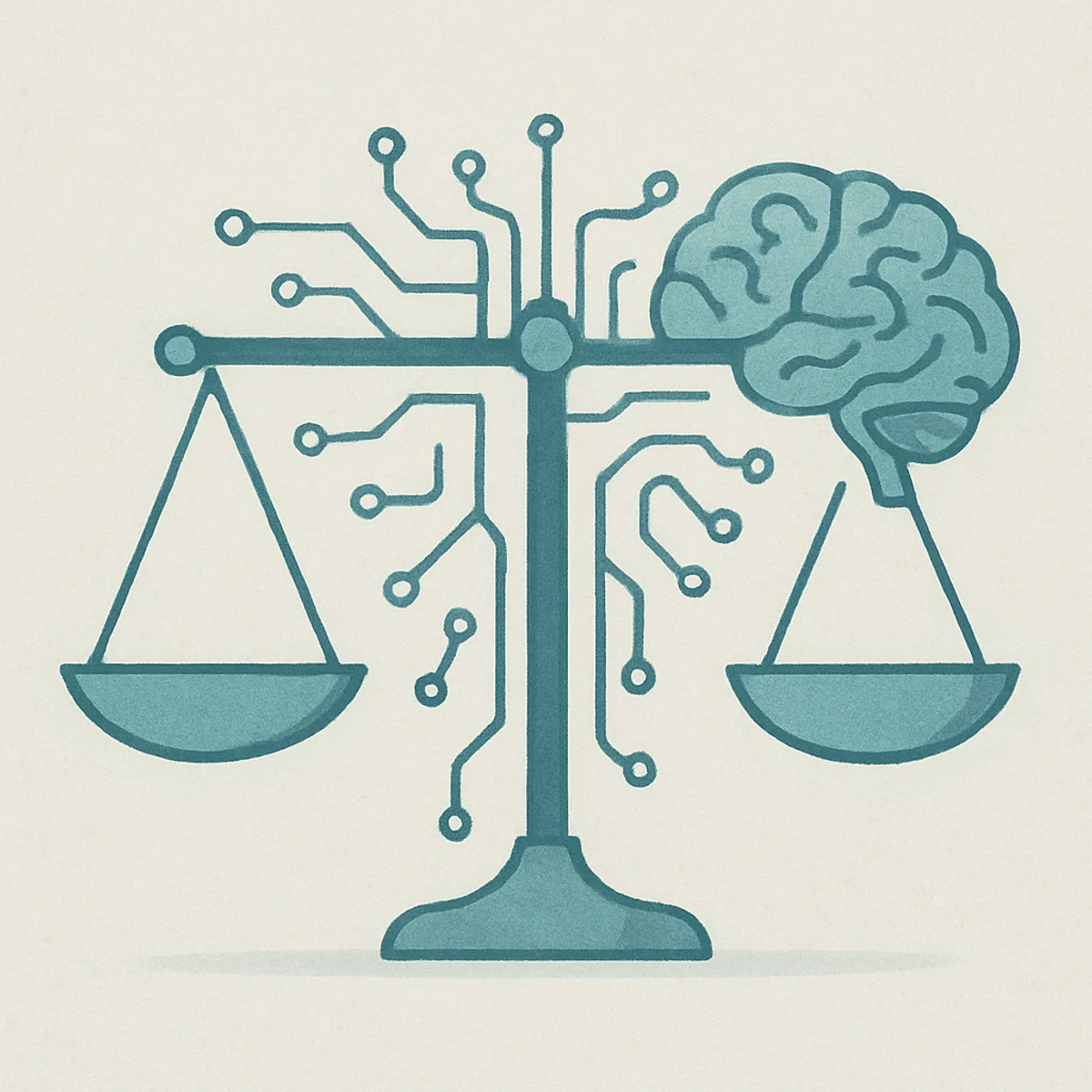
The more decision-making you hand to a learning system, the more carefully you must manage its risks. Pure AI's greatest strength, its independence from human rules, is also its greatest liability. When no one scripts the logic, no one can fully predict every decision.
The most serious challenges include:
- Bias: Models learn from historical data, and biased data produces biased outcomes. An AI trained on skewed hiring records can quietly perpetuate discrimination.
- Explainability: Deep models are often "black boxes," making it hard to explain why a decision was made, a serious problem in finance and healthcare.
- Data dependency: Pure AI is only as good as its data. Poor or thin data yields confident but wrong answers.
- Accountability: When an autonomous system errs, responsibility must still rest with people and organizations.
Responsible teams build oversight in from day one, auditing data, monitoring outputs, and keeping humans in the loop for high-stakes decisions. Trustworthy AI is not the absence of human involvement, it is the presence of human responsibility. This is the difference between deploying AI and deploying it well.
The Future of Pure Artificial Intelligence
The trajectory of pure AI points toward systems that are more autonomous, more multimodal, and more deeply integrated into daily workflows. We are moving from AI that answers questions to AI agents that take actions, booking, planning, and executing multi-step tasks with minimal supervision.
Three trends will define the next phase:
- Agentic AI: Systems that plan and act independently across tools, not just respond to prompts.
- Multimodal models: AI that fluidly combines text, image, audio, and video understanding in one model.
- Smaller specialized models: Efficient, domain-tuned models that run cheaply and privately, reducing reliance on massive infrastructure.
What will not change soon is the gap between narrow and general intelligence. Despite rapid progress, no credible evidence suggests AGI is imminent. The realistic future is increasingly powerful narrow AI woven into more of our decisions, which makes governance and thoughtful adoption more important than ever.
A Practical Roadmap to Adopting Pure AI
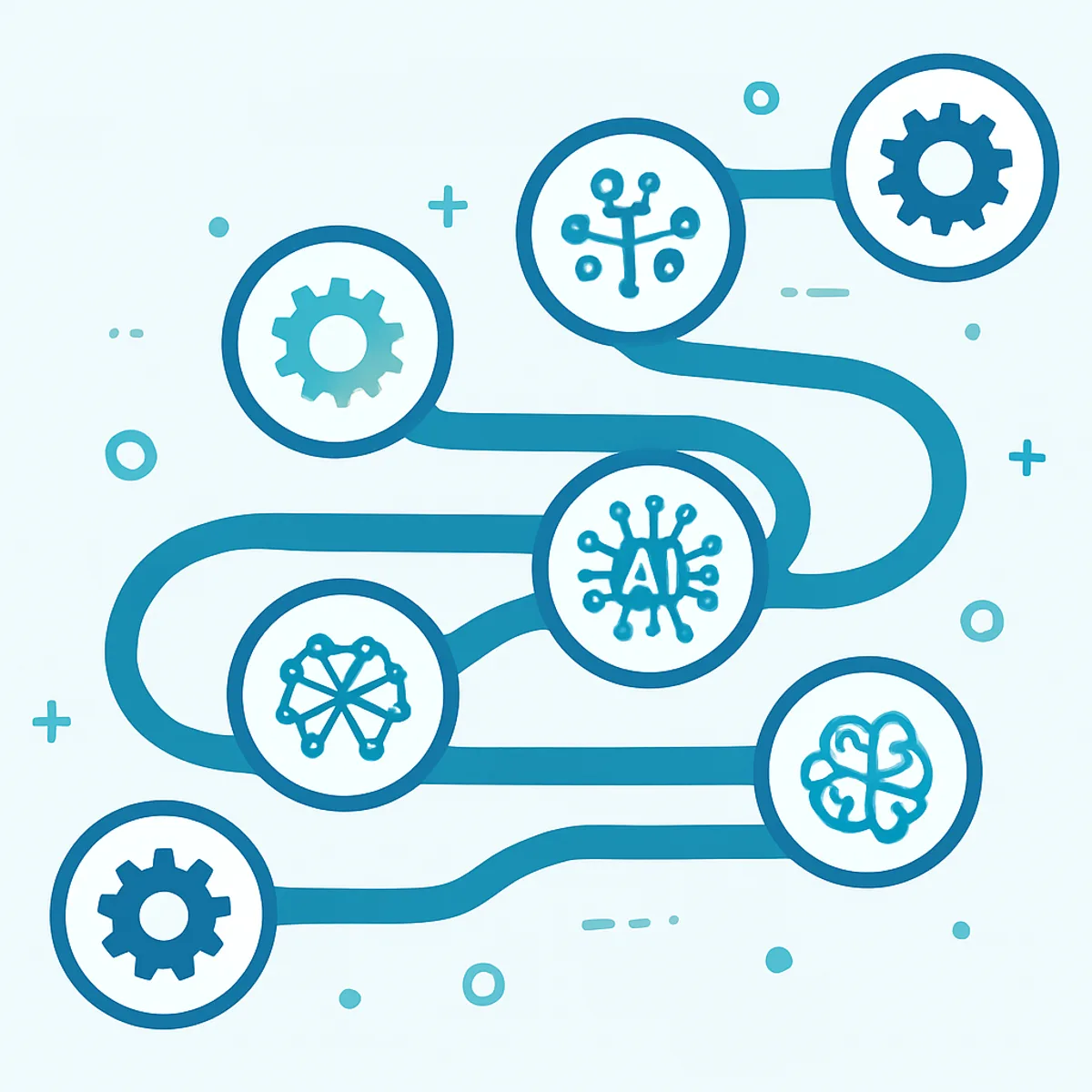
Adopting pure artificial intelligence works best as a staged process, not a leap. Based on real implementations, this sequence consistently reduces risk and improves return.
- Identify a high-value, data-rich problem where patterns are too complex for simple rules.
- Audit your data for quality, volume, and bias before building anything.
- Start with a narrow pilot that you can measure clearly against a baseline.
- Keep humans in the loop for review during early deployment.
- Monitor, retrain, and scale only after the pilot proves reliable.
This disciplined approach beats the common mistake of buying expensive AI tools with no clear problem to solve. Intelligence without purpose is just cost.
Key Takeaways
- Pure artificial intelligence means intelligence driven by learning, not by human-coded rules, and it exists today only as advanced narrow AI.
- General AI (AGI) that thinks like a human across all tasks does not yet exist, despite heavy investment.
- Machine learning powers pure AI through supervised, unsupervised, and reinforcement methods.
- Best use cases are high-volume, pattern-rich, fast-changing problems like fraud detection and personalization.
- Ethics matter most where autonomy is highest, bias, explainability, and accountability require active human oversight.
Frequently Asked Questions (FAQ)
What does pure artificial intelligence actually mean?
Pure artificial intelligence refers to systems whose decisions come from learned patterns and autonomous reasoning rather than hand-written rules. In practice it describes advanced narrow AI where machine learning, not human scripting, drives the core decisions. True "100% pure" AI without any guardrails is rare in real products.
Is pure AI the same as general AI?
No. Pure AI today is narrow, meaning it excels within a specific domain like language or image recognition. General AI (AGI) would match human reasoning across any task and does not exist yet. Many marketing claims blur this line, so always confirm what a system can actually do.
Can pure AI work without any human input?
Not responsibly. While pure AI makes decisions without scripted rules, humans still design it, supply and clean its data, and oversee its outputs. The best deployments keep people in the loop for high-stakes decisions. Removing human accountability entirely creates serious bias, safety, and legal risks.
What industries benefit most from pure AI?
Finance, healthcare, manufacturing, e-commerce, and customer service benefit most. These fields have high data volumes and complex, shifting patterns that rules cannot capture. Examples include fraud detection, medical imaging, predictive maintenance, and personalized recommendations, all areas where learning consistently outperforms scripted logic.
How do I know if a product is really pure AI?
Ask what the system learns from data versus what is hard-coded. Genuine pure AI improves with more data and adapts to new patterns automatically. If a product cannot explain its learning process or only follows fixed rules dressed in AI language, it is likely marketing rather than true machine intelligence.
Will pure AI replace human jobs entirely?
Pure AI automates specific tasks, not entire human roles, especially work requiring judgment, empathy, and cross-domain reasoning. It tends to reshape jobs rather than erase them, handling repetitive analysis while people focus on strategy and oversight. Organizations that pair human expertise with AI consistently outperform those relying on either alone.