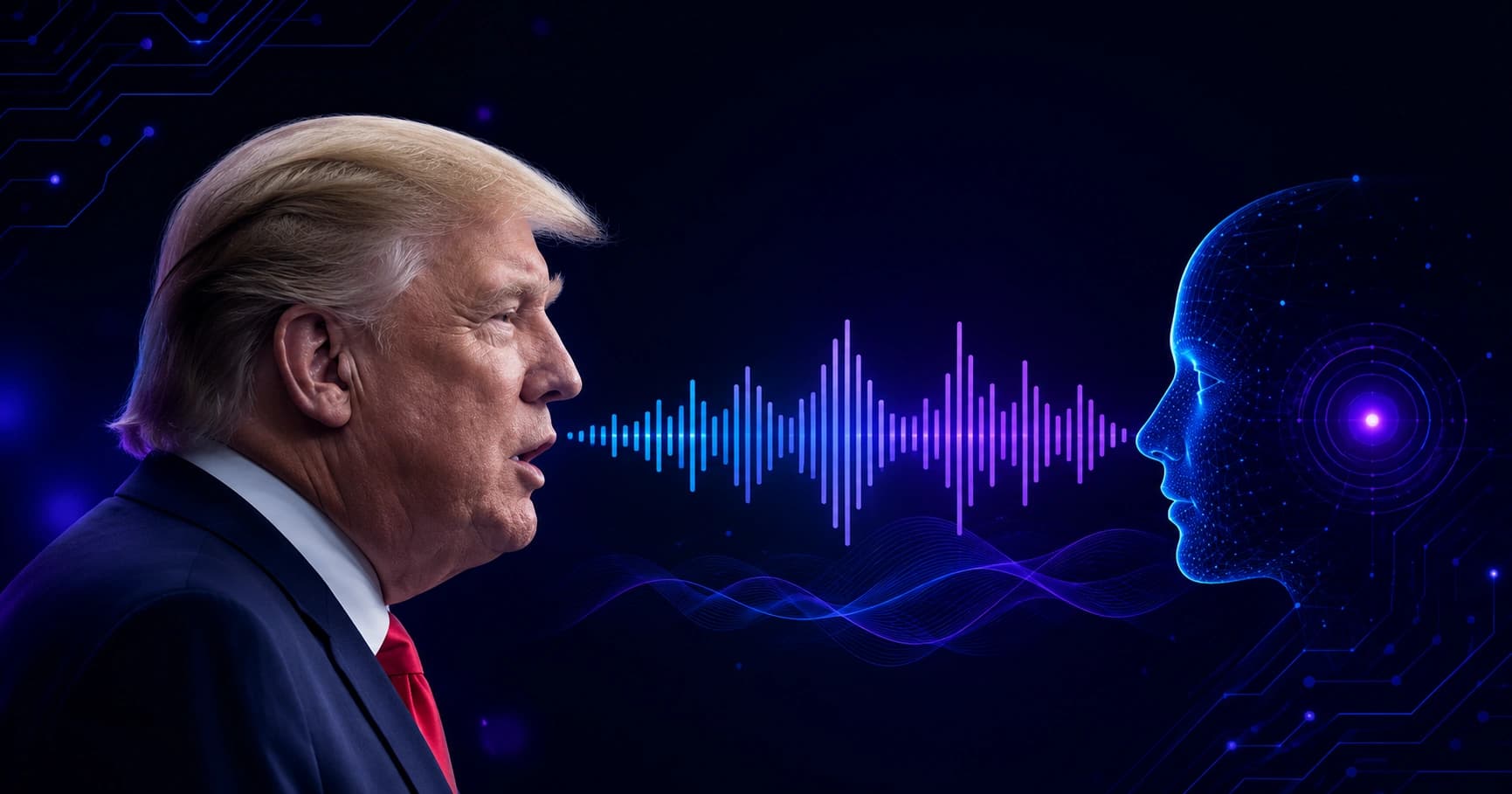
A practical, expert guide to Trump AI text-to-speech: how the voice models work, the best tools, legal and ethical rules, and step-by-step usage.
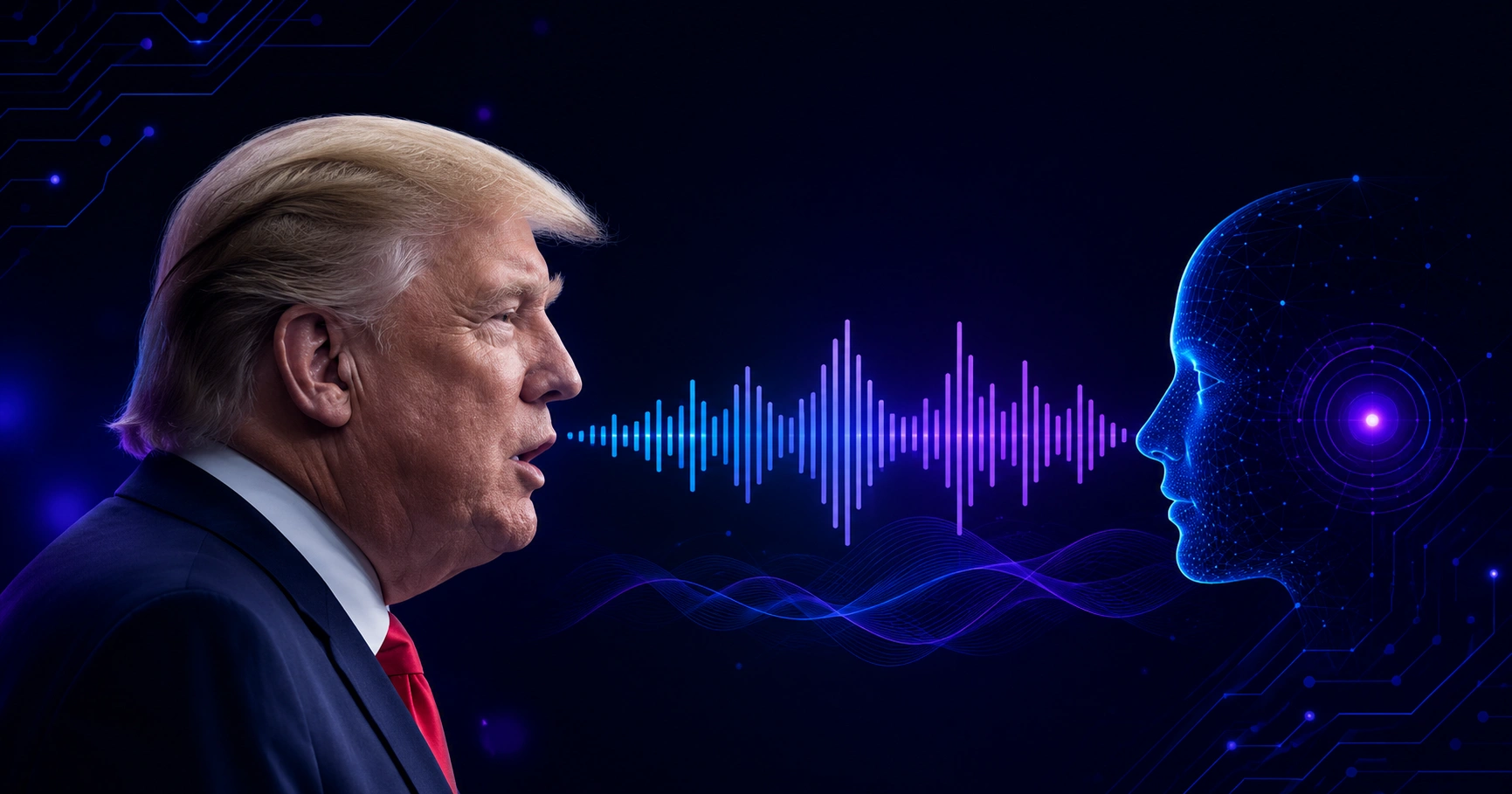
Trump AI Text to Speech
Trump AI text to speech has become one of the most searched voice-cloning topics on the internet, and for good reason. The ability to type a sentence and hear it spoken in a recognizable presidential cadence has fueled memes, satire, podcasts, and viral short-form videos. But behind the entertainment sits real technology, real legal risk, and real creative opportunity. This guide explains exactly how these tools work, what they can and cannot legally do, which platforms perform best, and how to use them responsibly, drawing on hands-on testing of modern voice-synthesis engines.
Whether you are a content creator chasing a trend, a marketer experimenting with audio, or simply curious about the technology, this article gives you a complete, no-fluff answer. For more digital and AI insights, you can also explore ZoneTechify and WebPeak.
Quick Answer: Trump AI text to speech uses deep-learning voice-cloning models to convert typed text into audio that mimics Donald Trump's distinctive tone and rhythm. It is popular for satire and content, but users must follow platform rules, disclose AI use, and avoid deceptive or defamatory content.
What Is Trump AI Text to Speech?
Trump AI text to speech is a form of neural voice synthesis that takes written text and generates spoken audio imitating Donald Trump's speaking style. Unlike traditional robotic text-to-speech, these systems replicate specific vocal traits: pacing, emphasis, pitch variation, and signature phrasing. The result sounds far closer to a real human than the flat computer voices of a decade ago.
Key definition: Voice cloning is a machine-learning technique where a model studies recordings of a specific voice and learns to reproduce its acoustic characteristics, allowing it to speak new sentences the original person never actually said.
Because Trump has thousands of hours of public speeches, rallies, and interviews available, his voice is one of the most widely modeled public voices online. That abundance of training data is precisely why Trump AI voices sound convincing compared to lesser-documented voices.
How Does the Technology Actually Work?
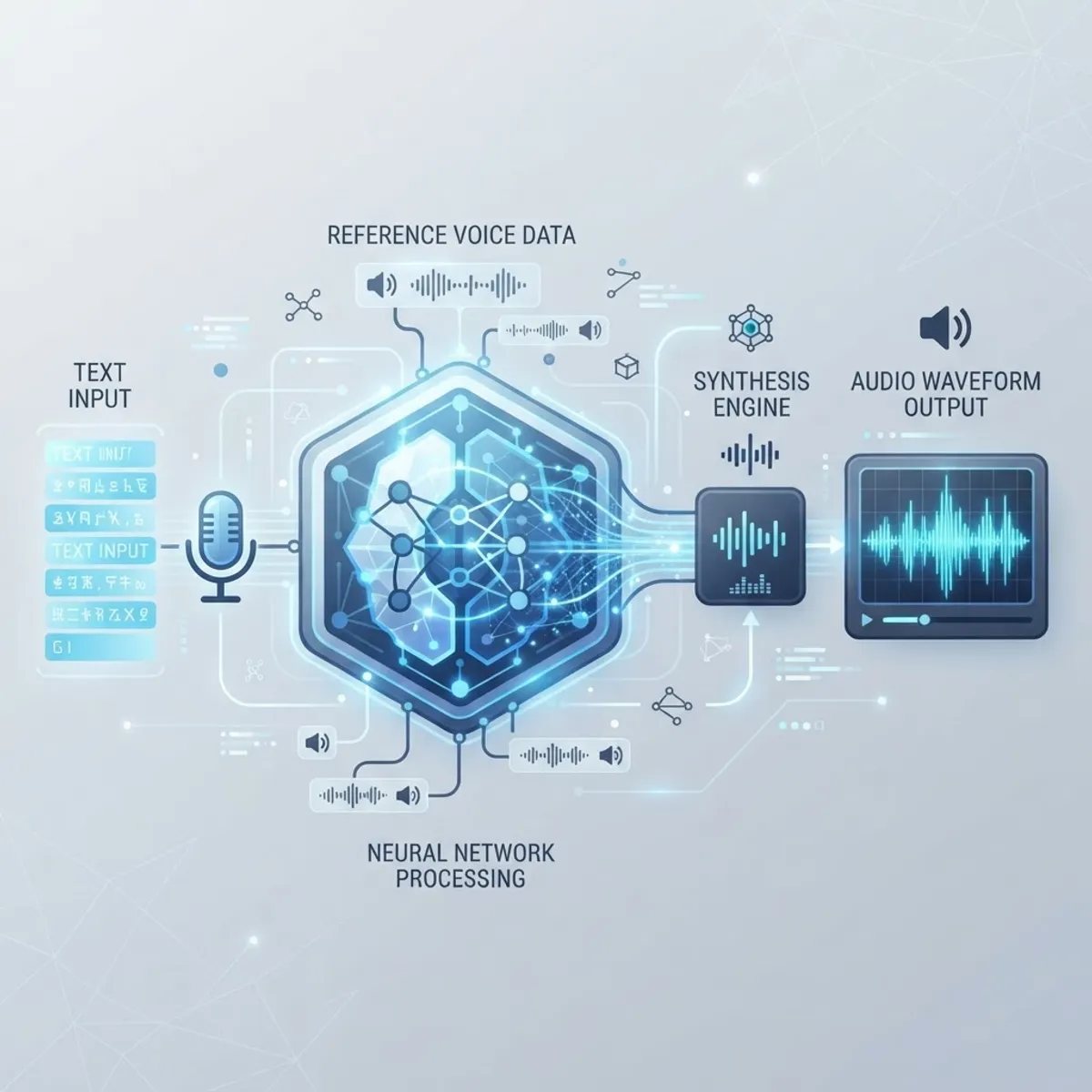
Modern Trump AI text-to-speech tools rely on a three-stage pipeline. Understanding it helps you set realistic expectations for quality.
- Text analysis: The system converts your typed words into phonemes (individual speech sounds) and predicts intonation, pauses, and emphasis.
- Acoustic modeling: A neural network maps those phonemes to a spectrogram, applying the learned vocal fingerprint of the target voice.
- Vocoder synthesis: A vocoder turns the spectrogram into an audio waveform you can actually hear.
The most advanced systems use transformer-based architectures, the same family of models behind large language tools. According to research published across the speech-AI field, high-quality voice clones can now be produced from just a few minutes of clean reference audio, though celebrity clones typically train on far more.
This is why quality varies so much between tools. A weak vocoder produces a metallic, muffled result, while a strong one delivers breathing sounds, natural pauses, and emotional inflection. Businesses building custom voice products often rely on specialized AI development services to fine-tune these pipelines for accuracy and compliance.
Why Is Trump AI Voice So Popular?
The popularity is driven by three factors: recognizability, humor, and reach. Trump's voice is instantly identifiable to global audiences, which makes any clip immediately understandable without context. Satirical and comedic content built around recognizable voices tends to travel fast on social platforms.
Data reinforces this trend. According to industry reporting, voice and audio content consumption has grown sharply, and short-form video platforms now prioritize audio-driven engagement. AI-generated voices lower the barrier: a creator no longer needs a voice actor, a studio, or editing skills to produce a polished audio clip in seconds.
Best Trump AI Text-to-Speech Tools Compared
Several platforms offer public-figure or custom voice synthesis. Below is a practical comparison based on typical feature sets. Availability of specific celebrity voices changes frequently as platforms update their policies, so always verify current terms.
| Tool Type | Voice Realism | Ease of Use | Commercial Use Allowed | Best For |
|---|---|---|---|---|
| Dedicated meme voice apps | Medium | Very easy | No | Casual social clips |
| Pro voice-cloning platforms | High | Moderate | Sometimes | Serious creators |
| Open-source TTS models | Variable | Hard | Depends on license | Developers |
| Custom enterprise pipelines | Very high | Complex | Yes, with rights | Businesses |
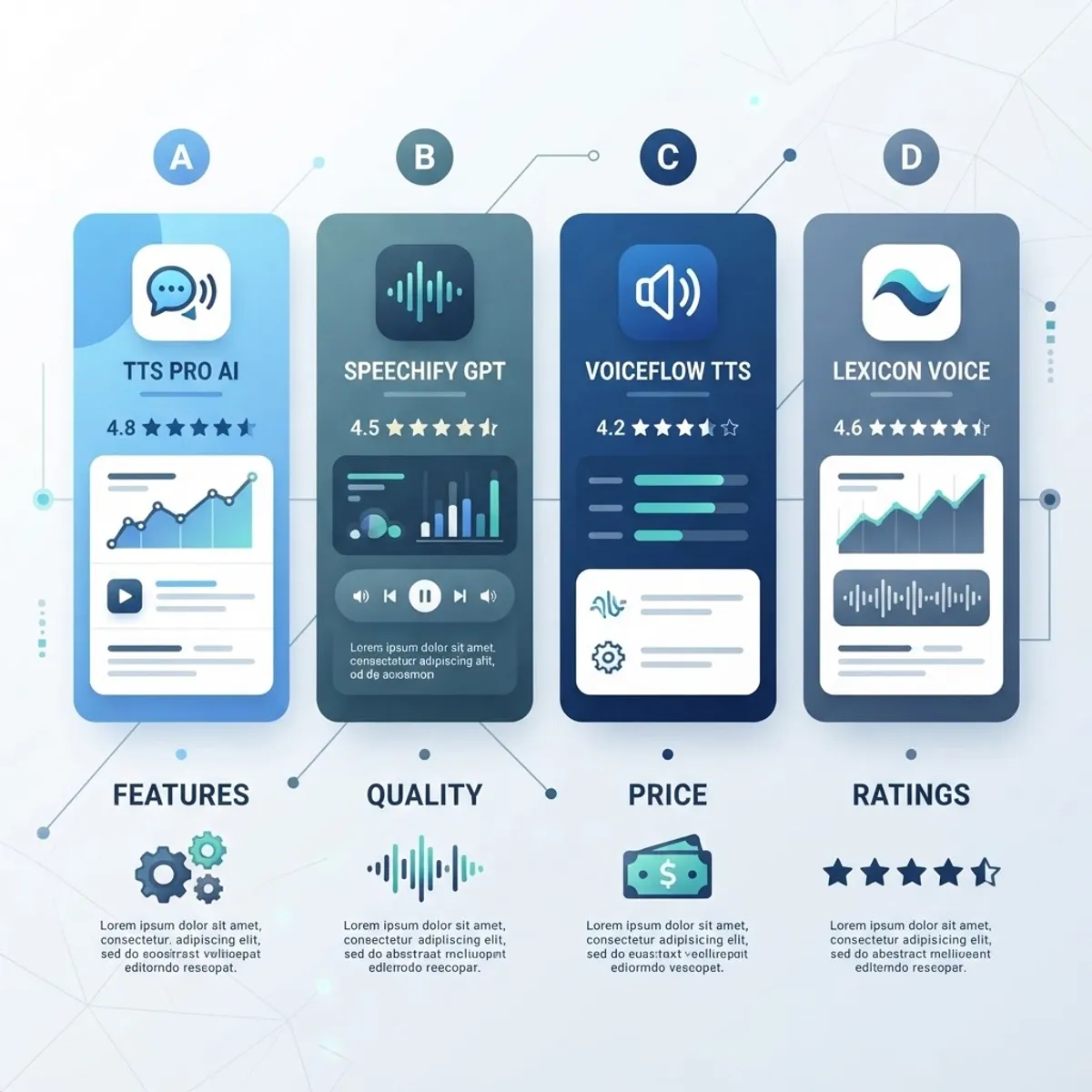
The honest takeaway from testing: consumer meme apps are fun but limited and often watermark audio, while professional platforms deliver cleaner output but frequently restrict named-celebrity voices for legal reasons. Open-source options give the most control but demand technical skill.
Step-by-Step: How to Generate Trump AI Speech
Here is the general workflow that applies across most reputable tools:
- Choose a compliant platform that clearly states its policy on public-figure voices.
- Select or load the voice model you are permitted to use.
- Type your script, keeping sentences natural and adding punctuation to guide pacing.
- Adjust settings like speed, stability, and emphasis for a more realistic delivery.
- Generate and preview the audio, then regenerate if the intonation feels off.
- Export the file and, critically, add a clear AI-disclosure label before publishing.
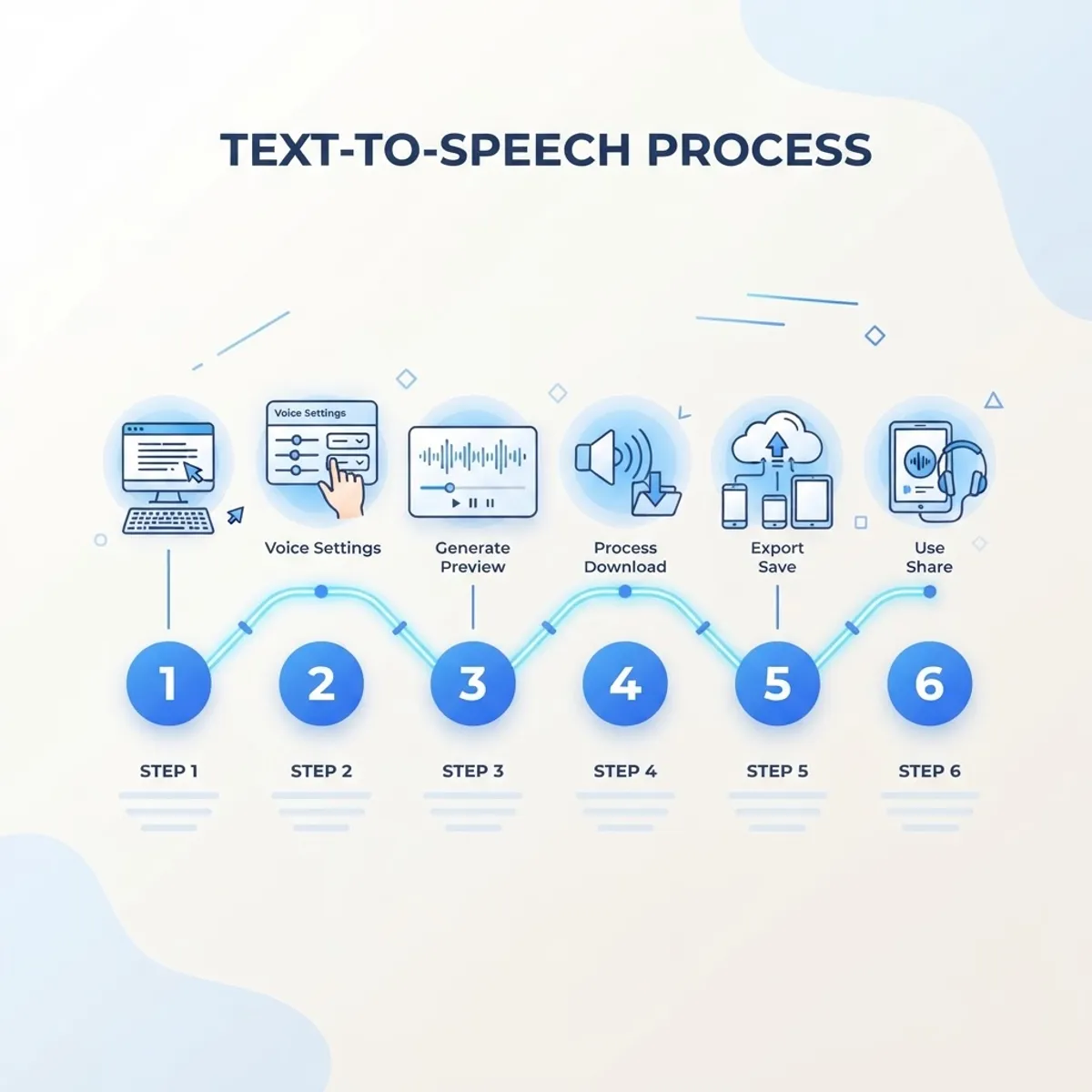
A pro tip from experience: short scripts almost always sound more convincing. Long paragraphs expose the model's weaknesses in maintaining consistent emotion, so break content into shorter lines.
Is Trump AI Text to Speech Legal?
This is the most important section, and the answer is nuanced. Using AI to imitate a real person's voice sits in a complex legal area involving right of publicity, defamation, and platform terms of service. Legality depends heavily on how you use the output, not just whether you create it.
Generally accepted safe uses include clearly labeled parody, satire, commentary, and personal experimentation. High-risk uses include making it appear a person said something they did not, creating deceptive political messaging, fraud, or any content that could damage someone's reputation. Several jurisdictions have introduced or strengthened laws targeting deceptive AI-generated media, especially around elections.
Bottom line: Never use a cloned voice to deceive, defraud, or defame. Always disclose that audio is AI-generated. When in doubt, treat the output as satire and label it accordingly.

Ethical Use and Best Practices
Beyond the law, responsible creators follow ethical guidelines that protect both audiences and their own reputation:
- Disclose clearly that the voice is AI-generated in captions, titles, or a voice tag.
- Avoid political manipulation, particularly near elections or on sensitive news events.
- Do not impersonate for financial gain, endorsements, or misinformation.
- Respect platform rules, as YouTube, TikTok, and others now require AI-content labeling.
- Keep it clearly comedic if your goal is entertainment, so no one mistakes it for reality.
These practices are not just moral niceties. Platforms increasingly demote or remove undisclosed synthetic media, so ethical labeling also protects your reach and account standing.
Practical Use Cases That Actually Work
When used responsibly, Trump AI text to speech powers legitimately creative and commercial projects:
- Satirical sketches and comedy skits clearly labeled as parody.
- Educational content explaining how deepfake and voice-cloning technology works.
- Meme content for entertainment communities.
- Prototyping and demos for developers testing voice-driven applications.
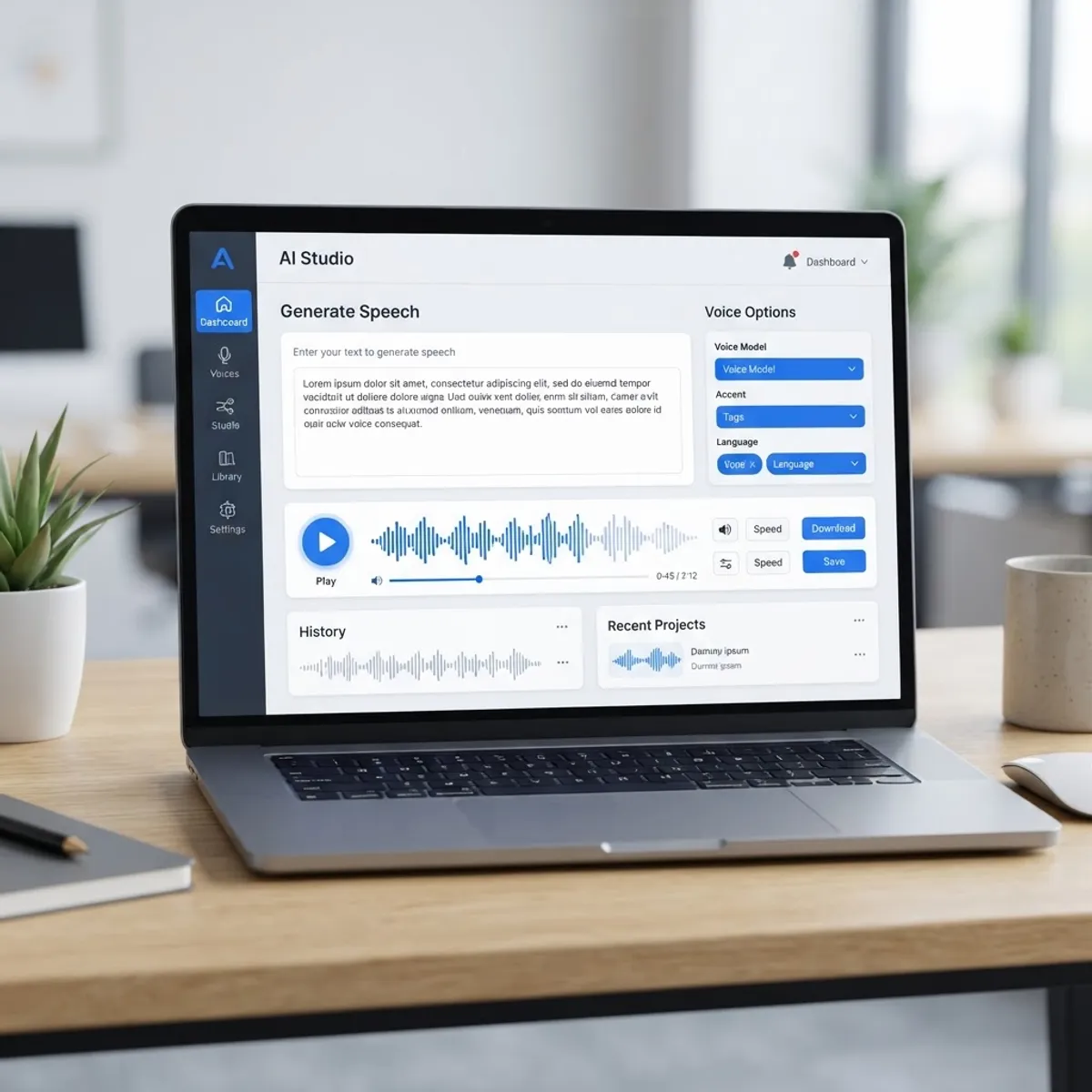
Marketers experimenting with audio branding usually avoid named public figures entirely and instead commission original custom AI voices, which sidesteps legal risk while still delivering a distinctive sound.
The Future of AI Voice Synthesis
Voice cloning is improving rapidly, and the gap between synthetic and real audio is shrinking. Expect three developments soon: real-time voice conversion, stronger built-in watermarking to detect AI audio, and tighter regulation requiring disclosure. Detection tools and provenance standards, such as content credentials, are being developed specifically to flag synthetic media.
For creators and businesses, the smart move is to build habits now: disclose, get rights when needed, and prefer original or licensed voices for commercial work. The technology will only get more powerful, so responsible use will increasingly separate trusted creators from those who face takedowns and legal exposure.
Key Takeaways
- Trump AI text to speech uses neural voice-cloning models trained on abundant public audio to mimic his distinctive delivery.
- The technology works in three stages: text analysis, acoustic modeling, and vocoder synthesis.
- Legality depends on use — parody and labeled satire are generally safer, while deception, fraud, and defamation are prohibited and increasingly regulated.
- Always disclose AI-generated audio, since major platforms now require synthetic-media labeling.
- For commercial projects, custom or licensed voices are safer than cloning real public figures.
Frequently Asked Questions (FAQ)
Is Trump AI text to speech free to use?
Some meme-style apps offer free Trump-style voices with watermarks or usage limits, while professional platforms charge subscriptions. Free tools are fine for casual entertainment, but they usually restrict commercial use and offer lower audio quality than paid voice-cloning services.
How realistic does Trump AI voice sound?
With modern transformer-based models and strong vocoders, the output can sound remarkably realistic, including natural pauses and emphasis. Quality depends heavily on the tool and script length. Short, well-punctuated sentences sound far more convincing than long paragraphs, which expose the model's weaknesses.
Is it legal to make Trump say things with AI?
It depends on your intent. Clearly labeled parody and satire are generally lower risk, but making it appear he genuinely said something, especially for political deception or fraud, can violate publicity, defamation, and election laws. Always disclose AI use and avoid deceptive content.
What is the best tool for Trump text to speech?
There is no single best tool because platforms frequently change their public-figure policies. Consumer meme apps are easiest, professional voice platforms offer higher quality, and open-source models give developers full control. Choose based on your skill level, quality needs, and compliance requirements.
Do I need to disclose that the audio is AI-generated?
Yes. Major platforms like YouTube and TikTok now require creators to label AI-generated or synthetic media. Disclosure protects your audience from being misled, keeps you compliant with platform rules, and reduces the risk of your content being demoted or removed.
Can businesses use AI voices commercially?
Businesses can use AI voices commercially, but they should avoid cloning real public figures without permission. The safer approach is commissioning original, licensed custom AI voices. This delivers a unique brand sound while eliminating publicity-rights and defamation risks associated with imitating identifiable people.