
A complete expert guide to the 2nd International Conference on Artificial Intelligence, covering tracks, speakers, networking, trends, and how to prepare.
2nd International Conference on Artificial Intelligence
The 2nd International Conference on Artificial Intelligence is shaping up to be one of the most consequential gatherings for researchers, engineers, founders, and policymakers working at the frontier of machine intelligence. After a strong debut edition, this second convening arrives at a moment when AI has moved from experimental labs into everyday products, boardrooms, and public policy. If you are deciding whether to attend, submit a paper, or simply want to understand why this event matters, this guide gives you the practical, experience-based answers you need.

Quick Answer: The 2nd International Conference on Artificial Intelligence is a global academic and industry event where researchers and practitioners present peer-reviewed work, debate AI ethics, and network across machine learning, generative AI, robotics, and applied data science. It connects theory with real-world deployment.
What Is the 2nd International Conference on Artificial Intelligence?
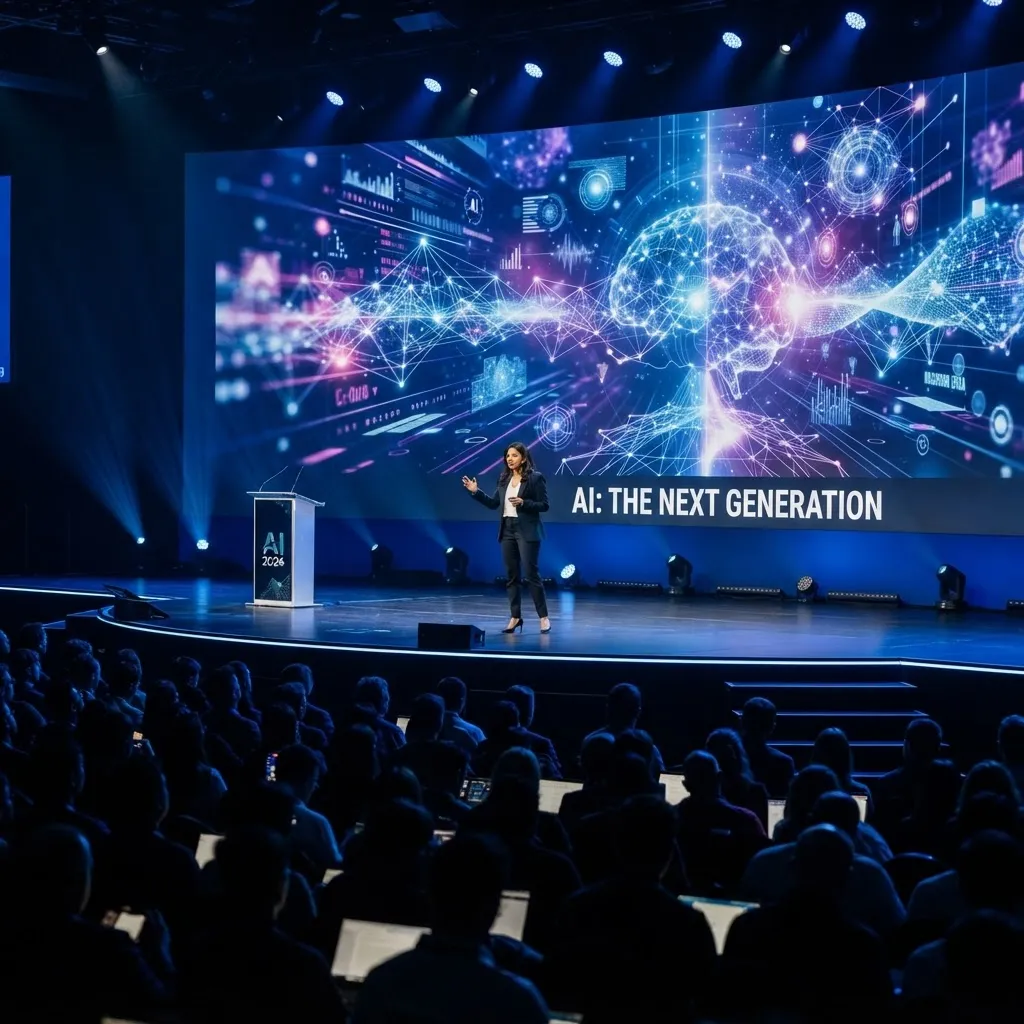
The conference is a structured, multi-day forum that brings together the people building and studying artificial intelligence. It combines peer-reviewed paper presentations, keynote talks from recognized experts, hands-on workshops, and an exhibition floor where startups and established vendors demonstrate working systems.
Definition: An international AI conference is a formal academic-industry event where original research is presented, validated through peer review, and discussed publicly to advance shared knowledge and set future research directions.
What separates this second edition from the first is scale and specialization. Where inaugural conferences often cast a wide net, second editions typically introduce focused tracks, invite higher-profile keynotes, and attract sponsors who have seen the first year's value. That maturity benefits attendees directly: sharper sessions, better networking, and clearer signal on where the field is heading.
Why This Conference Matters in the Current AI Landscape
AI adoption is no longer a prediction; it is a measured reality. According to McKinsey's global survey, 78% of organizations reported using AI in at least one business function, up sharply from prior years. Meanwhile, Stanford's AI Index has documented that private investment in generative AI reached tens of billions of dollars, signaling that the gap between research and commercialization is closing fast.
Conferences like this one sit precisely in that gap. They are where a promising paper becomes a product roadmap, and where a policy debate becomes a compliance framework. Attending gives you early visibility into methods that will define the next 12 to 24 months, before they are widely deployed.
For teams that want to translate conference insights into shipped products, working with specialists such as those at ZoneTechify's artificial intelligence service can shorten the distance between an interesting idea heard on stage and a deployed solution in production.
Key Tracks and Themes to Expect
Second-edition conferences usually organize content into parallel tracks so attendees can go deep in their area. Based on the trajectory of the field and prior programming, expect the following themes.
1. Generative AI and Large Language Models
Sessions here cover model architecture, fine-tuning, retrieval-augmented generation, evaluation, and cost-efficient inference. This is often the most crowded track because it maps directly to commercial demand.
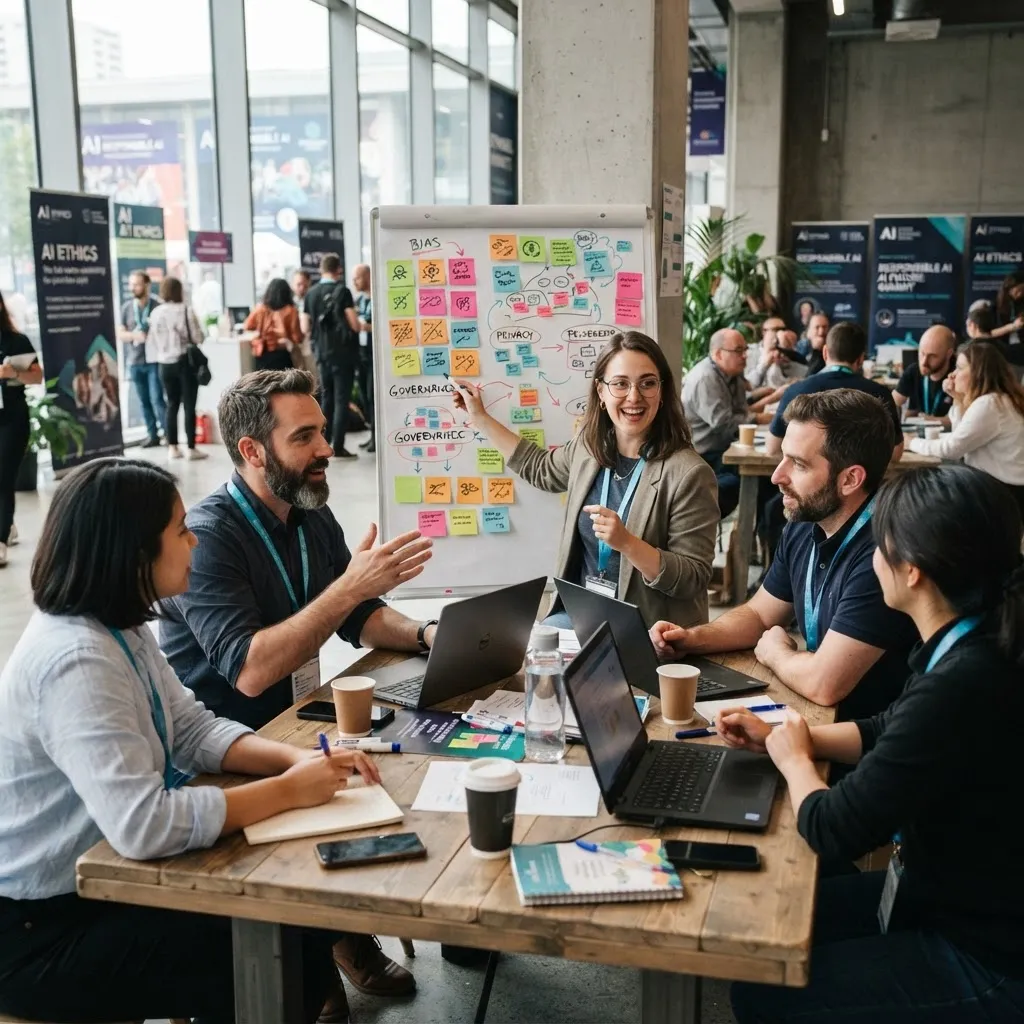
2. Responsible AI, Ethics, and Governance
As regulation matures worldwide, this track examines bias mitigation, explainability, data provenance, and compliance with emerging laws. Expect practical frameworks, not just philosophy.
3. Applied Machine Learning and Industry Case Studies
Here practitioners share what actually worked in healthcare, finance, manufacturing, and logistics, including failures. These honest, experience-driven talks are frequently the most useful.
4. Robotics, Computer Vision, and Edge AI
This track addresses AI that operates in the physical world and on constrained devices, where latency, energy, and safety constraints reshape the problem.
Who Should Attend?
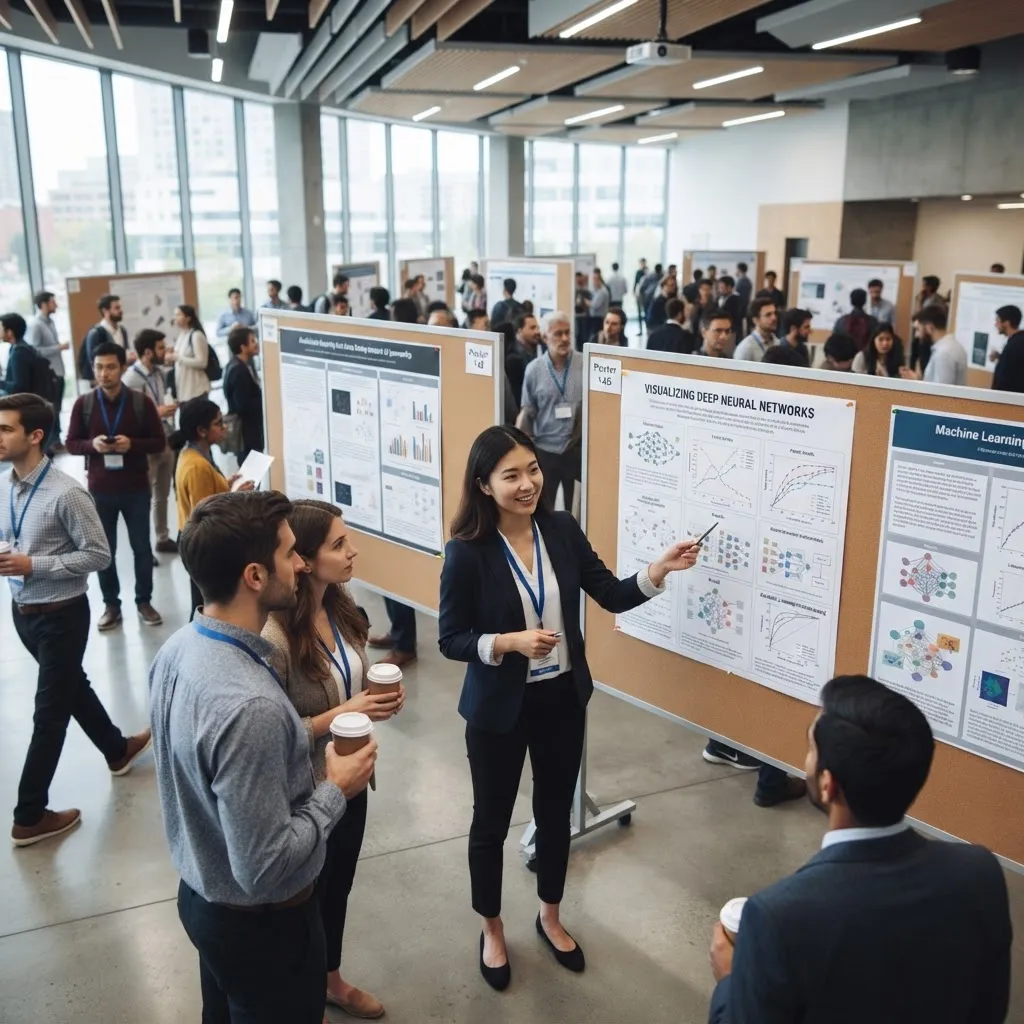
The conference is designed for a broad but serious audience. You will get the most value if you fall into one of these groups:
- Researchers and PhD students presenting or seeking collaborators and citations.
- Machine learning engineers wanting concrete implementation patterns.
- Founders and product leaders scouting technology and partnerships.
- Policymakers and legal teams tracking governance and compliance.
- Investors evaluating where the next defensible companies will emerge.
If your goal is simply to learn the basics of AI, a conference of this depth may be overwhelming; a structured course would serve you better first. But if you already work with AI and want to accelerate, this is one of the highest-leverage places to spend a few days.
Conference Formats Compared
Understanding the different session types helps you plan a schedule that matches your goals. The table below compares the main formats you will encounter.
| Format | Best For | Depth | Networking Value |
|---|---|---|---|
| Keynotes | Big-picture direction | Medium | Low |
| Paper Sessions | Cutting-edge research | High | Medium |
| Workshops | Hands-on skills | High | High |
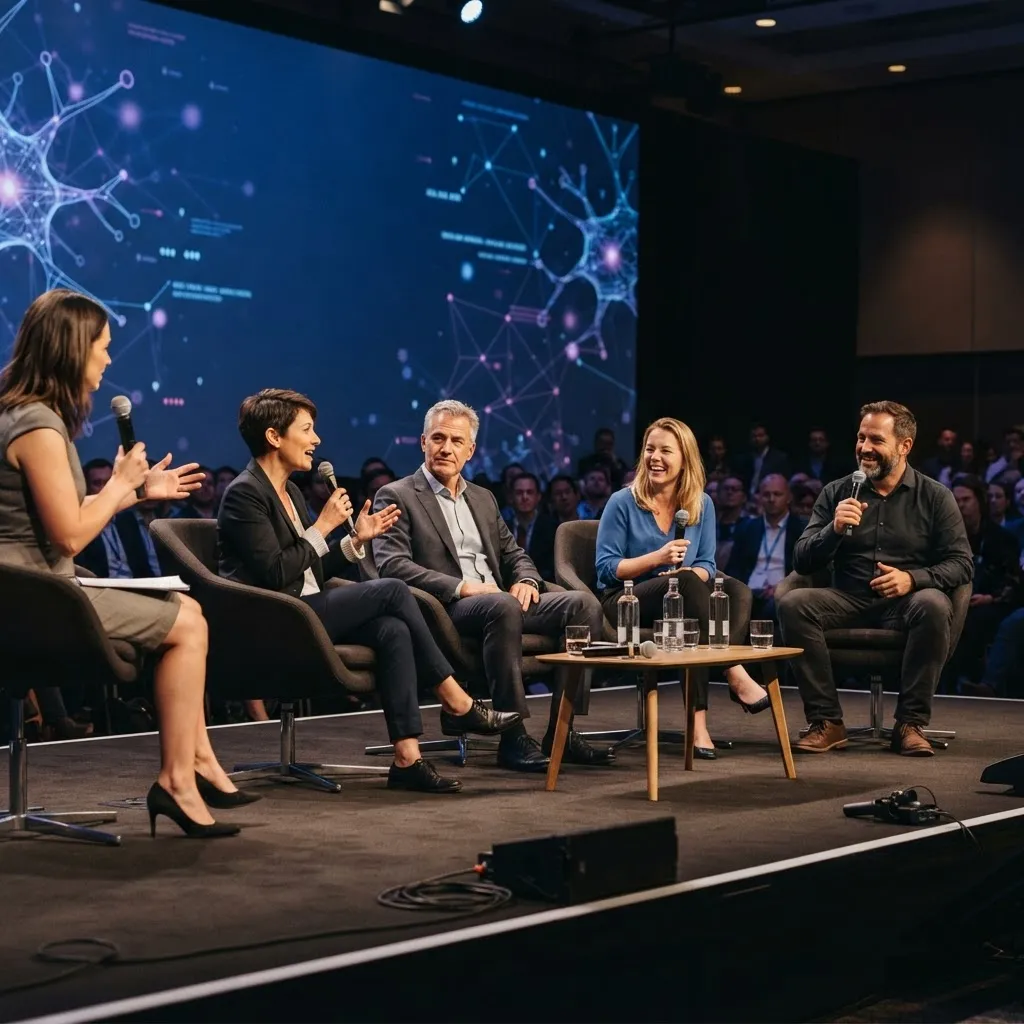
| Panels | Balanced perspectives | Medium | Medium |
| Exhibition | Product discovery | Low | High |
| Networking Breaks | Relationships and hiring | Low | Very High |
How to Prepare Before You Arrive
Preparation separates attendees who leave with contracts and collaborators from those who leave with only a tote bag. Based on repeated experience attending technical conferences, here is a proven approach.
- Study the agenda early. Map must-see sessions and mark backups for time conflicts.
- Set three concrete goals. For example: meet two potential collaborators, validate one technical approach, and find one hiring lead.
- Prepare a 30-second introduction. Clearly state who you are and what you are looking for.
- Pre-book meetings. Reach out to speakers and sponsors before the event, not during.
- Bring a capture system. Use a single note file or app so insights do not scatter across napkins and screenshots.
A Quick Note on Following Up
The real return on a conference happens in the two weeks after it ends. Send personalized follow-ups referencing your actual conversation within 48 hours, while memory is fresh and your name still carries context.

The Role of Ethics and Responsible AI
One defining feature of modern AI conferences is that ethics is no longer a side room; it is central programming. Second-edition events tend to expand this significantly because regulators, enterprises, and the public now demand accountability.
Workshops on responsible AI teach teams how to document training data, test for disparate impact, and build human oversight into automated decisions. These sessions are not abstract. They map directly to legal requirements such as transparency obligations and risk classifications now appearing in AI legislation across multiple regions.
The practical takeaway: treat ethics sessions as risk management, not compliance theater. The organizations that internalize responsible AI early avoid expensive redesigns later.
The Exhibition Floor: Where Ideas Become Products
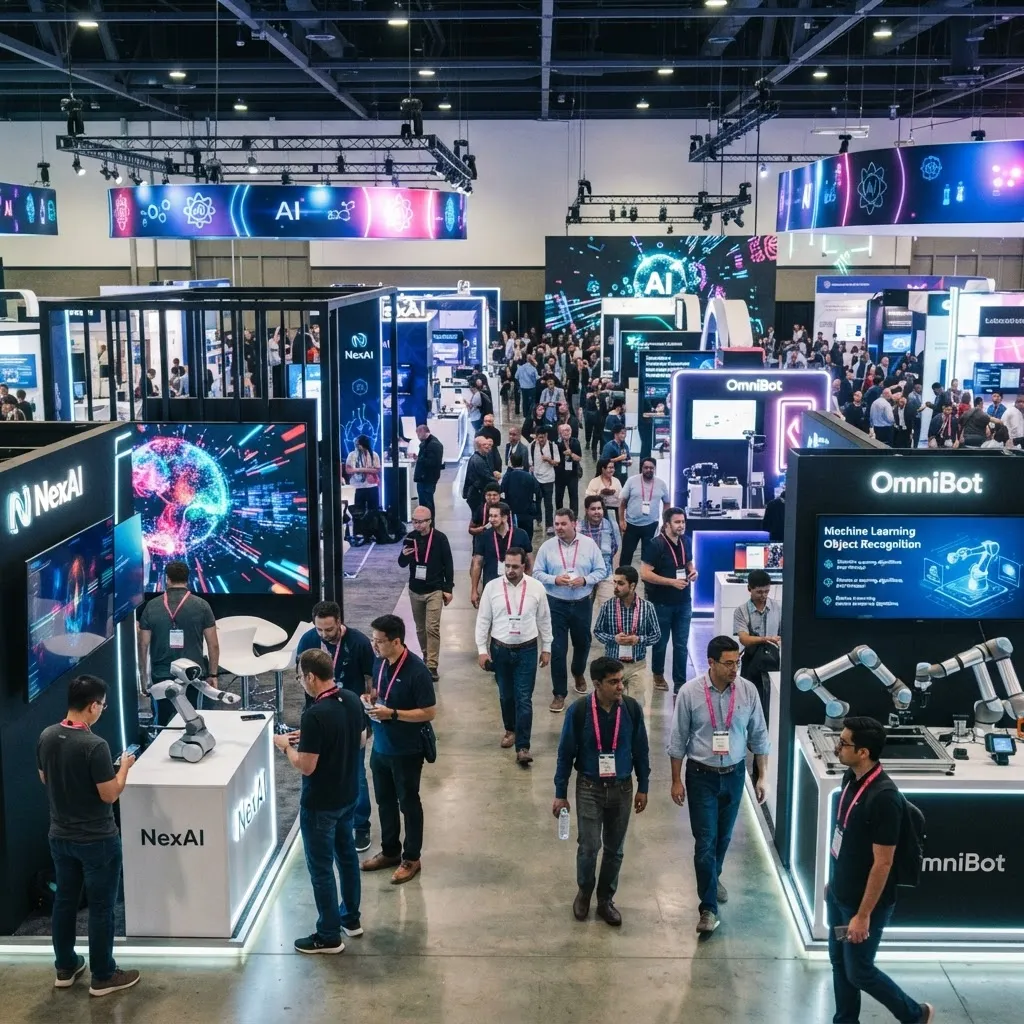
The exhibition is where research meets reality. Vendors demonstrate inference platforms, data-labeling tools, vector databases, and vertical AI applications. Startups use the floor to gather feedback and find design partners, while larger companies recruit talent.
Approach the floor with intent. Instead of collecting every flyer, ask each booth one sharp question: how does your system handle failure, cost, or scale? The quality of the answer tells you far more than any polished demo. For businesses looking to build custom solutions inspired by what they see, exploring dedicated AI development services from WebPeak can help turn exhibition inspiration into a working system.
Emerging Trends Likely to Dominate the Discussion
Every conference is a snapshot of what the field believes matters most. For this edition, expect these themes to surface repeatedly:
- Agentic AI: Systems that plan and act across multiple steps, not just answer prompts.
- Efficient models: Smaller, cheaper models that rival large ones on specific tasks.
- Multimodal AI: Unified models handling text, image, audio, and video together.
- AI evaluation: Rigorous benchmarks and safety testing as first-class engineering.
- On-device intelligence: Privacy-preserving AI that runs locally.
These trends share a common thread: the field is shifting from raw capability to reliability, efficiency, and trust. That maturation is exactly what a second-edition conference is well positioned to capture.

Key Takeaways
- The 2nd International Conference on Artificial Intelligence connects peer-reviewed research with real-world AI deployment across generative AI, ethics, applied ML, and robotics.
- According to McKinsey, 78% of organizations now use AI in at least one business function, making practical conference insights immediately relevant.
- Second-edition conferences offer sharper tracks, higher-profile speakers, and stronger sponsors than inaugural events.
- The highest value comes from workshops and networking, not passive keynote listening.
- Ethics and responsible AI are now central programming, driven by tightening global regulation.
- Preparation and 48-hour follow-up determine your real return on attendance.
Frequently Asked Questions (FAQ)
What is the 2nd International Conference on Artificial Intelligence about?
It is a global academic and industry event where researchers and practitioners present peer-reviewed AI work, attend workshops, and debate ethics. It spans machine learning, generative AI, robotics, and applied data science, connecting new research directly with real-world business and policy applications.
Who should attend an international AI conference?
Researchers, machine learning engineers, founders, product leaders, investors, and policymakers benefit most. If you already work with AI and want early visibility into emerging methods, partnerships, or hiring opportunities, the conference offers high leverage. Beginners may prefer a structured course before attending such a technical event.
How do I prepare for an AI conference?
Study the agenda early, set three concrete goals, prepare a short self-introduction, pre-book meetings with speakers and sponsors, and use one system to capture notes. This intentional approach ensures you leave with collaborators, insights, and leads rather than just conference swag.
Is attending an AI conference worth it?
Yes, when you attend with clear goals. Conferences give early access to research before it reaches products, direct contact with experts, and honest case studies including failures. The real return comes from targeted networking and disciplined follow-up within 48 hours after the event ends.
What topics dominate modern AI conferences?
Expect generative AI and large language models, agentic systems, multimodal models, efficient smaller models, responsible AI and governance, and rigorous evaluation. The field is shifting from raw capability toward reliability, efficiency, and trust, and conference programming reflects that maturation clearly.
How is a second-edition conference different from the first?
Second editions typically feature more specialized tracks, higher-profile keynote speakers, and stronger sponsorship after proving value in year one. Attendees benefit from sharper sessions, better organized networking, and clearer signals about where the AI field is genuinely heading next.
Final Thoughts
The 2nd International Conference on Artificial Intelligence is more than a calendar event; it is a concentrated view of where machine intelligence is going and who is building it. Attend with clear goals, prioritize workshops and conversations over passive listening, and follow up quickly. Do that, and the few days you invest can reshape your research agenda, product roadmap, or career. For teams ready to act on what they learn, resources at ZoneTechify and WebPeak can help convert conference insights into shipped, real-world results.