Learn how to choose an Android development firm: vetting checklist, engagement models, real cost ranges, and the red flags that derail Android app projects.
Android Development Firm
Choosing an Android development firm is a high-stakes decision. Android runs on roughly 72% of the world's smartphones, so for most businesses the Android app is not a secondary channel - it is the primary product experience for the majority of the addressable market. Yet many companies select a partner on hourly rate and portfolio screenshots alone, then spend the following year paying for that shortcut in rewrites, slipped releases and one-star reviews. This guide explains what an Android development firm genuinely does, how to evaluate one with evidence instead of promises, what realistic budgets look like, and which warning signs justify walking away.
Quick Answer: An Android development firm is a specialist agency that designs, builds, tests, ships and maintains Android apps. Strong firms own the full lifecycle - discovery, Kotlin engineering, multi-device QA, Play Store release and post-launch performance work - and prove capability with named live apps, Play Console vitals and code you fully own.
What Is an Android Development Firm?
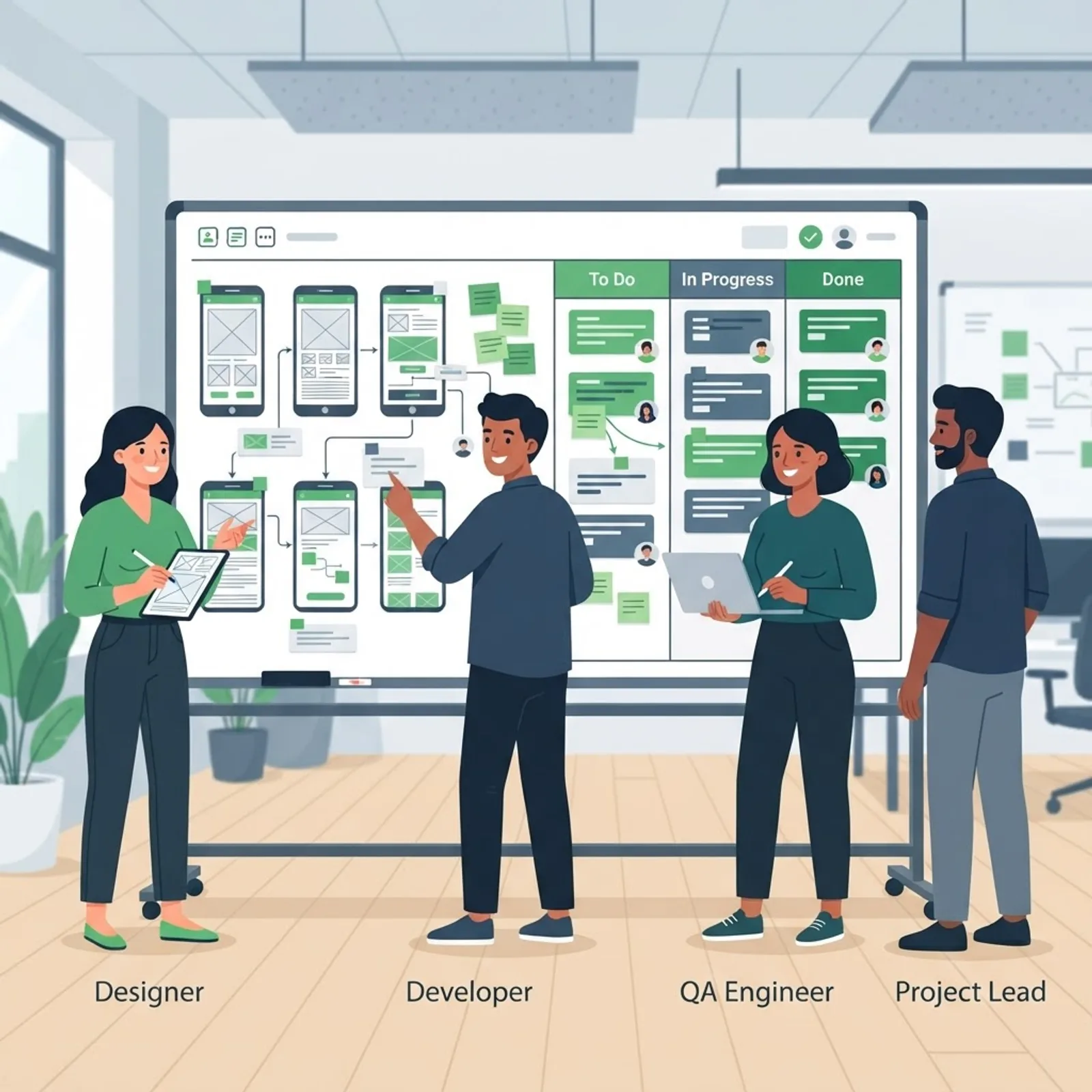
An Android development firm is a company whose core competency is building applications for the Android operating system, covering native Kotlin and Java development, cross-platform builds that ship to Google Play, and the supporting work around them: product discovery, interface design, backend APIs, quality assurance, store submission and ongoing maintenance.
The distinction that matters is scope. A freelancer writes code. A firm should own outcomes across:
- Requirements definition and technical feasibility assessment
- Android-specific UX design following Material Design guidelines
- Native or cross-platform implementation with automated tests
- Device and OS-version compatibility testing
- Google Play release management, staged rollouts and policy compliance
- Crash monitoring, performance tuning and feature iteration after launch
If a prospective partner cannot speak credibly about all six, you are hiring a coding vendor, not a product partner.
Why Companies Hire a Firm Instead of Building In-House
The honest reason is speed to competence. Assembling an in-house Android team means recruiting a senior engineer, a mid-level developer, a designer with mobile experience and a QA specialist - typically a three-to-six-month hiring cycle before a single screen is built. A firm brings that assembled team on day one, along with reusable infrastructure like CI pipelines, crash reporting setups and release checklists they have already refined across many apps.
The second reason is elasticity. App projects are front-loaded: heavy engineering for four to six months, then a much lighter maintenance load. A firm lets you scale down without layoffs. Teams that need this kind of structured delivery capacity often engage a partner such as ZoneTechify for mobile app development while keeping product ownership internal - which is the healthiest arrangement, because strategy should never be outsourced.
The Market Data That Should Shape Your Brief
Two numbers deserve a place in every Android project plan.
First, according to StatCounter, Android holds approximately 71-72% of the global mobile operating system market, with that share rising well above 80% in markets like India, Indonesia, Brazil and much of Africa. If your growth strategy targets emerging markets, Android is not a port of your iOS app - it is the product.
Second, Google enforces quality thresholds through Play Console Android vitals. Apps that exceed the bad-behaviour thresholds - a user-perceived crash rate above 1.09% or an ANR (Application Not Responding) rate above 0.47% - can have their Play Store visibility reduced. Stability is therefore not just an engineering concern; it directly affects distribution. Ask any firm you interview to show the vitals dashboards of apps they maintain.

What a Credible Android Development Firm Actually Delivers
Discovery that reduces scope, not expands it
Good discovery ends with fewer features than you arrived with. A competent firm will challenge requirements, identify the smallest release that validates your assumption, and document API contracts and edge cases before development starts. Expect a written technical scope with named screens, third-party dependencies and explicit exclusions - not a one-page proposal.
Android-native design, not an iOS screenshot with rounded corners
Android has its own interaction grammar: predictive back navigation, system share sheets, notification channels, widgets, edge-to-edge layouts and dynamic theming. Firms that design once and deploy twice produce apps that feel foreign to Android users. Ask to see how they handled the system back gesture and dark theme in a shipped app.
A modern, maintainable engineering stack
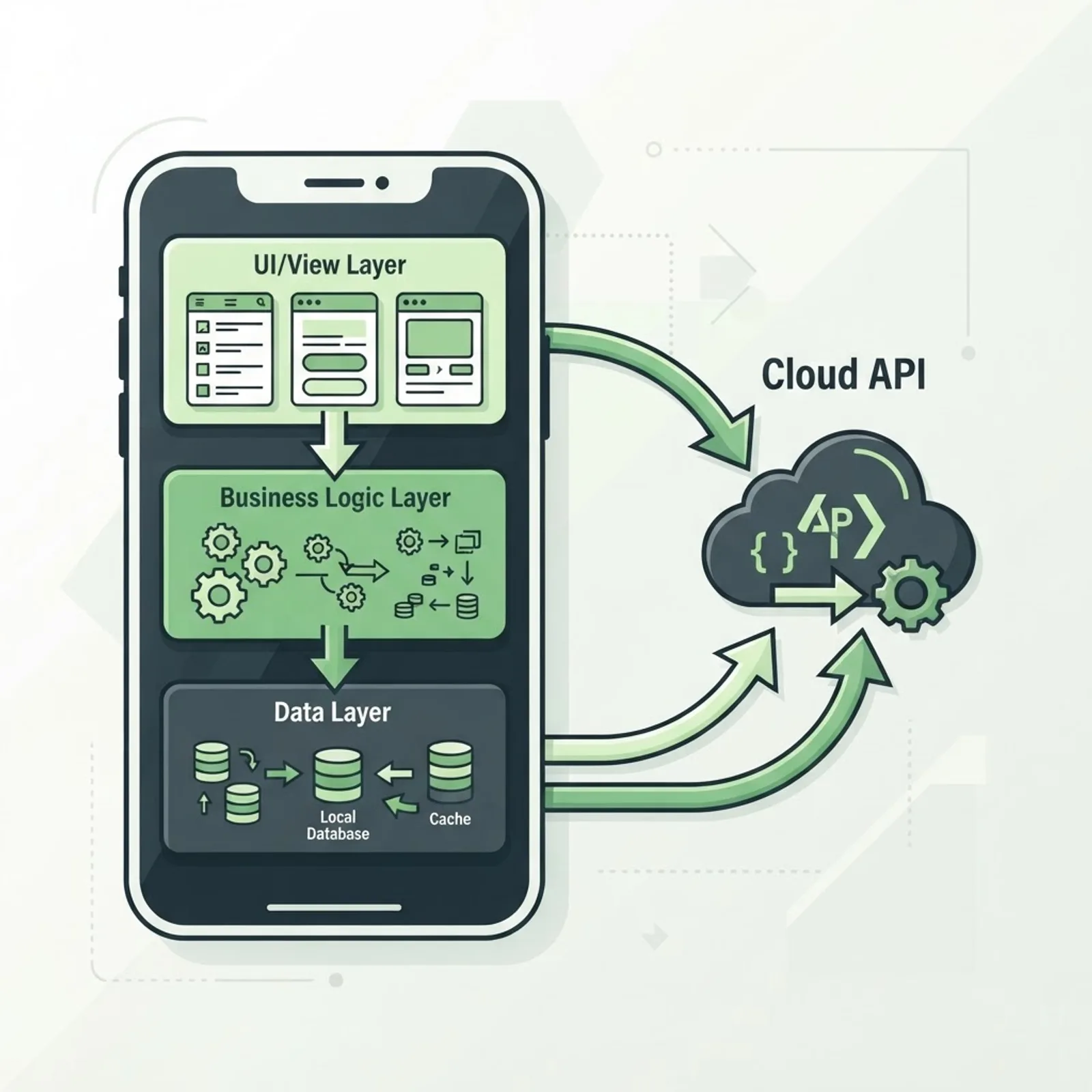
For native work, the current professional baseline is Kotlin with Jetpack Compose for UI, coroutines for concurrency, Hilt for dependency injection and Room or a networking layer such as Retrofit for data. Cross-platform work with Flutter or React Native is legitimate for content-driven and CRUD-style apps, but native remains the right call for camera-heavy, background-processing, offline-first or performance-sensitive products.
Testing across a real device matrix
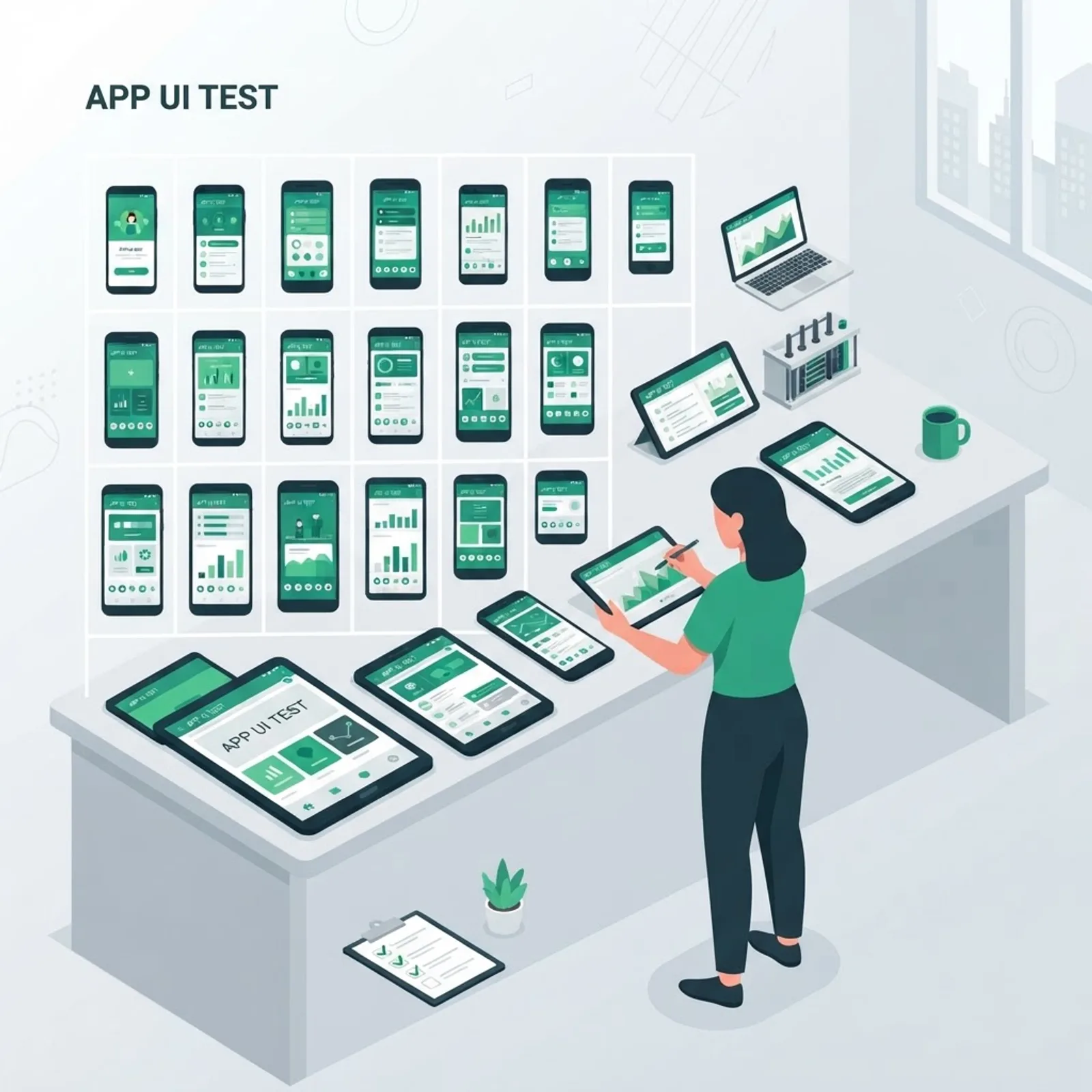
Android fragmentation is the single largest source of post-launch defects. A serious firm tests on a defined matrix - typically the two or three most recent OS versions plus your analytics-confirmed long tail, across small, standard, large and foldable screen classes - using a mix of physical devices and a cloud device farm such as Firebase Test Lab. Emulator-only testing is a red flag.
Release management and measurable post-launch support
Shipping is a process, not an event. Expect staged rollouts starting at 5-10% of users, crash monitoring with alert thresholds, a documented rollback plan, and a maintenance agreement that specifies response times. Also confirm who holds the Play Console account: it must be your organisation, not the firm's.

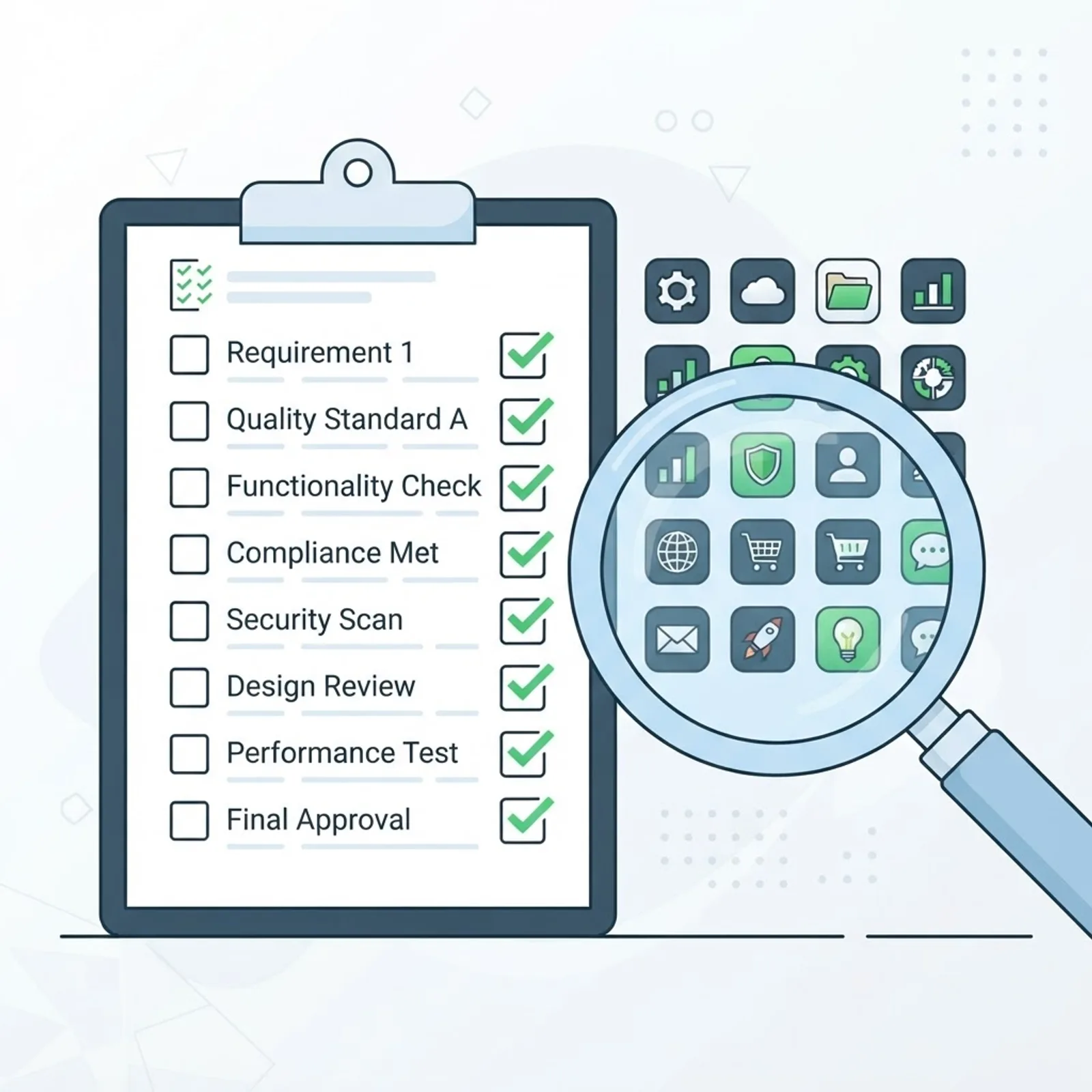
How to Vet an Android Development Firm: An Eight-Point Checklist
- Ask for live Play Store links, not mockups. Download three of their apps and use them for ten minutes. Slow cold starts, janky scrolling and crashes tell you more than any case study.
- Read the one and two-star reviews of those apps and ask the firm what they changed in response.
- Request the names and CVs of the exact engineers assigned to you, and confirm they are not swapped after signing.
- Demand code ownership in writing. You should own the repository, the signing keys, the Play Console listing and all third-party accounts.
- Inspect their repository hygiene. Ask to see a sample pull request, their branching model and their automated test coverage approach.
- Verify security practice. Certificate pinning, encrypted local storage, obfuscation via R8, and no secrets committed to source control are minimum standards.
- Clarify the maintenance model before signing the build contract, including annual Google target-API-level upgrades, which are mandatory to keep publishing updates.
- Speak to two references whose apps are more than a year old. Anyone can launch; the test is what happened in month fourteen.
Engagement Models Compared
| Model | Best for | Cost predictability | Flexibility to change scope | Client effort required |
|---|---|---|---|---|
| Fixed-price project | Well-defined MVPs with frozen scope | High | Low | Low to medium |
| Time and materials | Evolving products and discovery-led builds | Medium | High | Medium |
| Dedicated team | Multi-year roadmaps and continuous releases | Medium | High | High |
| Staff augmentation | Existing in-house team needing extra capacity | Low | High | High |
Fixed-price contracts feel safer but punish learning: every insight becomes a change request. For most first-time app builders, a fixed-price discovery phase followed by time-and-materials delivery gives the best balance of budget control and adaptability.
What Android App Development Realistically Costs
Pricing varies by geography and complexity, but useful benchmarks exist. A focused MVP with authentication, a handful of screens and one backend integration typically lands between 25,000 and 60,000 US dollars. A mid-complexity commercial app with payments, push notifications, offline sync and an admin panel commonly runs 60,000 to 150,000. Enterprise apps with hardware integrations, compliance requirements or real-time features exceed that.
Budget separately for what most quotes exclude: backend hosting, ongoing maintenance at roughly 15-20% of build cost per year, app store assets, and analytics tooling. If a quote is dramatically below these ranges, the missing money is almost always testing and documentation - the two things you only miss later. For technical audits and SEO-aware digital strategy around a launch, resources like WebPeak are useful alongside your development partner.

Red Flags Worth Walking Away From
- A fixed price quoted within 24 hours without any discovery conversation
- No named engineers, or a refusal to let you interview them
- Portfolio consisting only of design renders and no installable apps
- Reluctance to transfer the repository, signing keys or Play Console ownership
- No written testing strategy or device matrix
- Communication only through a salesperson, never a technical lead
Key Takeaways
- Android holds roughly 71-72% of global mobile OS market share (StatCounter), making it the primary platform for most global products.
- Google can reduce Play Store visibility for apps exceeding a 1.09% crash rate or 0.47% ANR rate, so stability affects distribution directly.
- Kotlin with Jetpack Compose is the current professional baseline for native Android work.
- Realistic MVP budgets start around 25,000 US dollars; plan 15-20% of build cost annually for maintenance.
- Always retain ownership of the code repository, signing keys and Play Console account.
- Vet firms with installable apps, named engineers and references older than twelve months.
Frequently Asked Questions (FAQ)
How much does it cost to hire an Android development firm?
A simple MVP typically costs 25,000 to 60,000 US dollars, while a mid-complexity commercial app with payments and offline sync usually runs 60,000 to 150,000. Rates vary by region and seniority. Always budget an additional 15-20% of build cost annually for maintenance, hosting and mandatory API-level updates.
How long does it take to build an Android app?
Most production Android apps take three to six months from kickoff to Play Store launch. A focused MVP can ship in eight to twelve weeks. Timeline is driven mainly by backend complexity and approval cycles on your side, not by the number of screens in the design file.
Should I choose native Android or cross-platform development?
Choose native Kotlin when you need camera processing, background services, offline-first behaviour or maximum performance. Choose Flutter or React Native when the app is primarily content and forms, and you need iOS parity on one budget. A good firm recommends based on your feature list, not their preference.
Who owns the source code when I hire an Android development firm?
You should own everything: the repository, the app signing keys, the Google Play Console account and all third-party service accounts. Put this in the contract as an explicit assignment of intellectual property on payment. Any firm that resists full ownership transfer should be removed from consideration.
What questions should I ask before signing a contract?
Ask for live Play Store links, the names of assigned engineers, their device testing matrix, their crash-rate figures on existing apps, the maintenance terms after launch, and who holds the signing keys. Then request two references whose apps have been live for over a year.
Do I need ongoing support after the app launches?
Yes. Google requires apps to target a recent API level each year to keep publishing updates, and libraries, payment SDKs and OS behaviours change constantly. Without a maintenance agreement, a working app can become unpublishable within eighteen months and will steadily accumulate crashes on new devices.
Final Thoughts
The right Android development firm behaves like an accountable engineering team rather than a vendor: it narrows your scope, shows its work, hands you the keys and stays available after launch. Judge candidates on installable evidence and contractual clarity, and the decision becomes far less risky than the price list suggests.