
Discover how Artificial Intelligence Lottery Software works, its real capabilities, key features, honest limitations, and how to choose the right tool wisely.
Artificial Intelligence Lottery Software
Few topics blend cutting-edge technology with raw human hope quite like Artificial Intelligence Lottery Software. Millions of people dream of a life-changing jackpot, and the idea that a smart algorithm could tilt the odds in their favor is undeniably appealing. But what does this software actually do, how does it work, and where does realistic expectation end and marketing hype begin?
This guide breaks it all down in plain language so you can make informed, responsible decisions. We will look at the technology under the hood, the genuine benefits, the honest limitations, and the features that separate a useful analytical tool from an empty promise.
At its core, Artificial Intelligence Lottery Software uses data analysis, statistical modeling, and machine learning to study historical draw results and present patterns, frequencies, and probabilities. It does not bend the laws of physics or randomness, but it can organize enormous amounts of information into insights that a person could never calculate by hand. Understanding that distinction is the first step toward using these tools wisely.

What Is Artificial Intelligence Lottery Software?
Artificial Intelligence Lottery Software is a category of applications that apply algorithms to lottery data. Instead of relying on superstition or lucky numbers, these programs ingest years of past results and use mathematical techniques to surface trends. Typical outputs include hot and cold number reports, frequency charts, overdue number alerts, and probability-weighted number suggestions.
It is important to be honest about a fundamental truth: most major lotteries are designed to be random and independent. Each draw has no memory of the last one. No software, no matter how advanced, can guarantee a winning ticket. What good AI tools genuinely offer is better organization, faster analysis, smarter budgeting, and a more disciplined approach to playing, not a crystal ball.
Companies that build serious data products, such as the teams at ZoneTechify and WebPeak, emphasize transparency over false promises. The most trustworthy tools clearly explain their methods rather than claiming secret formulas, and that honesty is exactly what you should look for.
Who Actually Uses These Tools?
The audience for AI lottery software is broader than you might expect. Casual players use it to add structure and fun to a hobby they already enjoy. Data enthusiasts treat it as a sandbox for exploring statistics, visualization, and pattern recognition on a real-world dataset. Lottery syndicates and pools use tracking features to manage group tickets, shares, and budgets without messy spreadsheets.
Legitimate lottery operators also use related technology, though for very different reasons: fraud detection, ticket verification, and responsible-gaming monitoring. In every case, the smart users share one trait. They treat the software as an analytical assistant for an activity that is fundamentally entertainment, never as a guaranteed path to profit.
How AI Lottery Software Actually Works
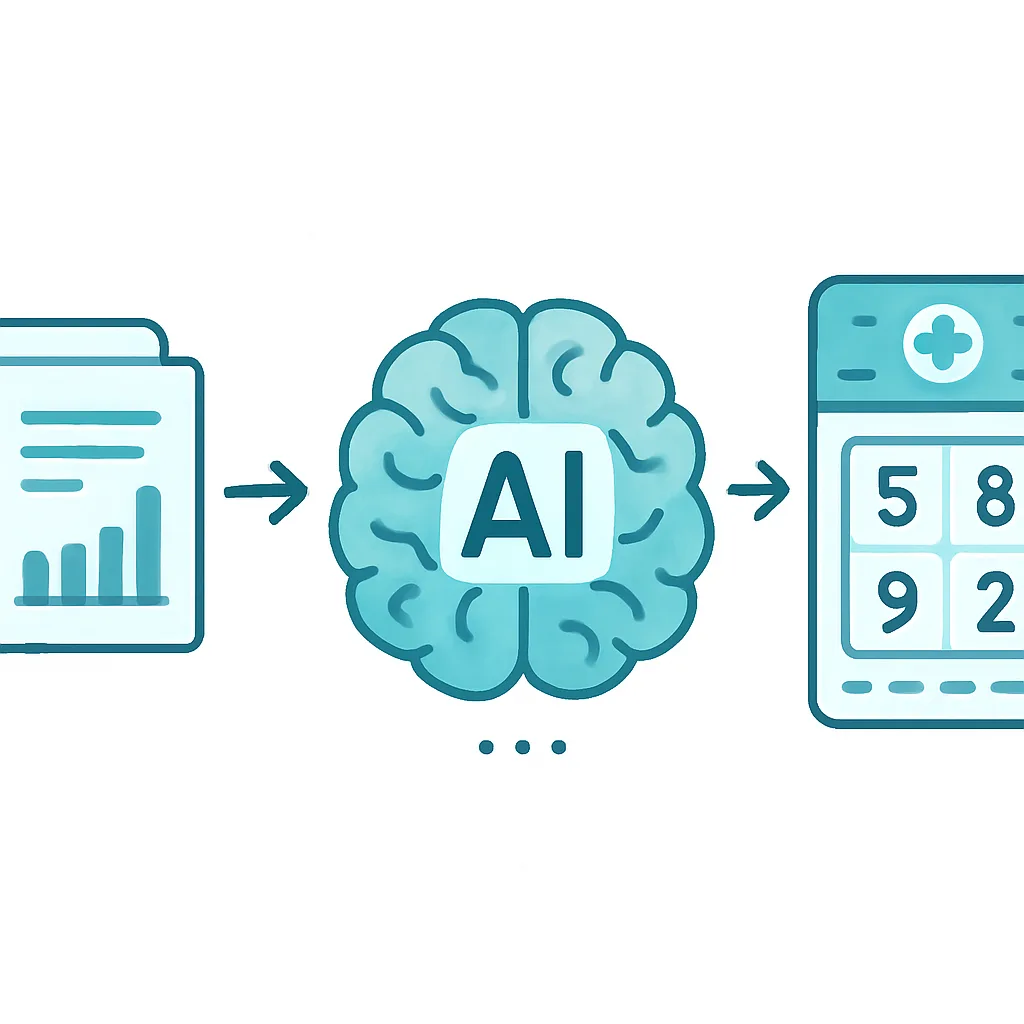
Behind a clean interface, AI lottery software follows a structured pipeline. The quality of each stage determines how useful the final output really is, so it helps to understand the journey from raw numbers to readable insight.
Data Collection and Cleaning
Everything begins with data. The software gathers historical draw results, often spanning decades, and stores them in a structured database. This raw data must be cleaned: duplicate entries removed, formats standardized, and missing values handled carefully. Clean data is the foundation, and flawed data leads to misleading conclusions no matter how clever the algorithm sitting on top of it happens to be.
Pattern Recognition and Modeling
Once the data is ready, the system looks for statistical patterns: which numbers appear most often, which combinations have historically been drawn together, and how the gaps between appearances behave over time. Machine learning models then weigh these factors and generate suggested number sets. Crucially, these suggestions are probability-informed observations about the past, not guaranteed predictions about the future.

The Algorithms Behind the Predictions
The intelligence in these tools comes from a mix of classic statistics and modern machine learning. Common approaches include frequency analysis, which counts how often each number is drawn; regression models, which look for relationships between variables; and neural networks, which attempt to detect complex, non-obvious patterns across large datasets.
Some platforms layer in clustering algorithms to group similar draws, or time-series models that treat draw history as a sequence of events. These methods are mathematically sound for description and analysis, helping you see what has happened with remarkable clarity and speed.
The catch is that they describe the past. A truly random draw cannot be reliably forecast, so the value lies in insight and structure, not certainty. If you want to understand how custom intelligent systems are designed and deployed responsibly, professional artificial intelligence services can explain in clear terms what AI can and cannot do for any data problem you bring to the table.
Machine Learning and Historical Draw Analysis
Machine learning shines when there is a lot of data to comb through, and lottery history qualifies. Models train on thousands of past draws to learn which features correlate with outcomes within that historical set. They can visualize trends across years, flag long streaks, and highlight statistical anomalies far faster than manual spreadsheets ever could.
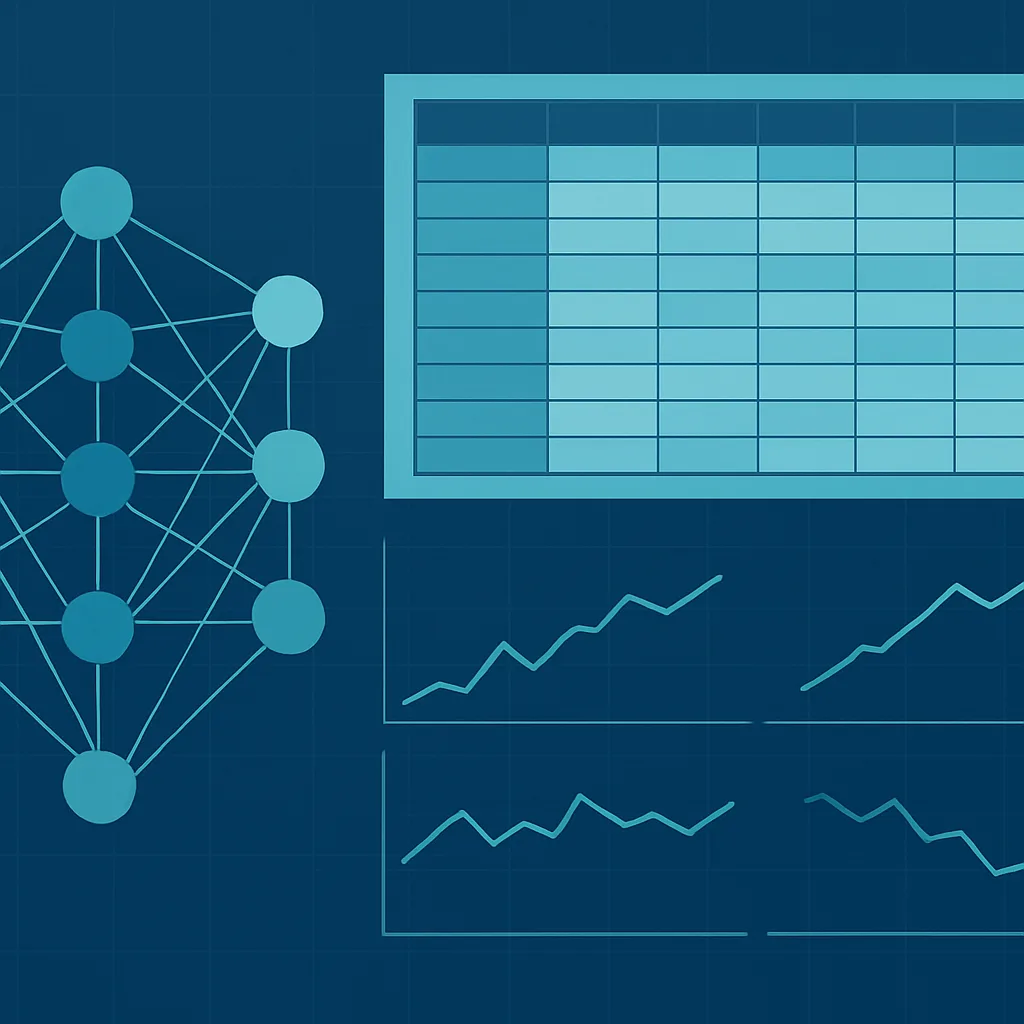
However, every responsible data scientist will warn you about overfitting, which happens when a model learns patterns that are really just random noise. A program might find a pattern that fits the past perfectly yet has zero predictive power for the future. The result looks impressive in a demo and means nothing in practice.
Good software guards against this with validation techniques and, more importantly, with honest communication about uncertainty. For organizations building genuinely advanced AI products, specialized AI services from WebPeak focus on rigorous modeling and clear explanations rather than inflated claims that cannot survive scrutiny.
Key Features to Look For
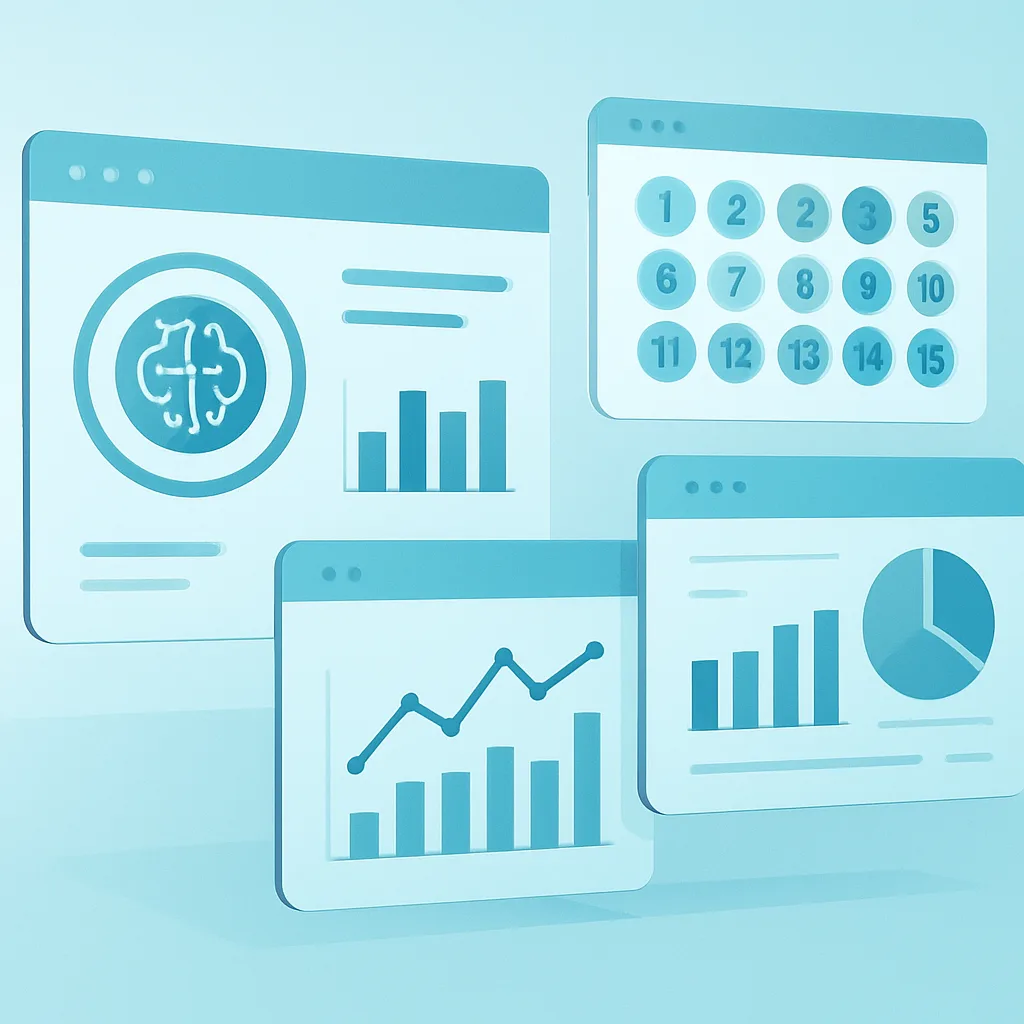
Not all lottery software is created equal. When evaluating options, focus on transparency, usability, and genuine analytical depth rather than flashy guaranteed-win language. The table below compares features that are worth prioritizing.
| Feature | What It Does | Worth It? |
|---|---|---|
| Frequency analysis | Shows hot and cold numbers over time | Yes |
| Historical database | Stores decades of verified draw results | Yes |
| Probability charts | Visualizes statistical likelihoods clearly | Yes |
| Budget and ticket tracking | Helps you play responsibly | Yes |
| Guaranteed jackpot claims | Promises specific wins | No |
| Transparent methodology | Explains how results are generated | Yes |
A tool that tracks your spending and encourages responsible play is often more valuable than one obsessed with predictions. The best platforms treat lottery participation as entertainment with a clear budget, not an investment strategy disguised in technical jargon.
How to Choose the Right Tool
Start by reading the fine print. If a product promises guaranteed wins or claims to have cracked a random system, walk away immediately. Reputable tools describe their methods, cite their data sources, and openly acknowledge the limits of statistical analysis.
Next, prioritize usability and responsible-gaming features. A clean dashboard, exportable reports, and built-in budget limits show that the developers care about the user experience and wellbeing. Finally, check for ongoing updates and support, since an actively maintained product is far more reliable than abandoned software with outdated data.
Benefits and Honest Limitations
Used correctly, AI lottery software offers real, practical benefits. It saves time by automating tedious analysis, helps you visualize data clearly, supports disciplined budgeting, and removes guesswork from number selection by grounding choices in statistics. For hobbyists who enjoy the analytical side of playing, that can make the whole experience more engaging and organized.

The limitations, though, are just as important to acknowledge. No algorithm can overcome true randomness. The odds of major jackpots remain astronomically low regardless of which software you use. Anyone promising guaranteed wins is selling a fantasy, not a tool.
Approach every product with healthy skepticism, never spend money you cannot afford to lose, and treat the lottery as a game of chance, because that is exactly what it is. Responsible providers reinforce these truths, building products that empower users with information while clearly stating the boundaries of what data analysis can realistically achieve.
The Future of AI Lottery Software
As machine learning continues to advance, lottery software will become more sophisticated in how it presents data. Expect cleaner dashboards, richer visualizations, better mobile experiences, and smarter responsible-gaming features such as spending limits and self-exclusion reminders. AI will also improve fraud detection and platform security for legitimate lottery operators.

What will not change is the underlying mathematics of randomness. The most meaningful innovation will likely be ethical: tools that prioritize user wellbeing, transparency, and education over hype. As consumers grow more data-literate, demand will shift toward honest software that respects both intelligence and budgets.
Final Thoughts
Artificial Intelligence Lottery Software is a fascinating example of how data science can be applied to everyday curiosity. It can organize history, reveal patterns, support responsible budgeting, and make the analytical side of playing genuinely more enjoyable. What it cannot do is predict a random draw or guarantee a jackpot, and the most trustworthy tools say so plainly.
If you choose to explore these applications, prioritize transparency, set a strict budget, and treat the experience as entertainment. Whether you are simply curious about the technology or interested in how intelligent systems are built for real business problems, partnering with experienced teams like ZoneTechify and WebPeak ensures you get honest guidance grounded in genuine expertise rather than empty promises. Play smart, stay informed, and let data work for you responsibly.