Learn how artificial intelligence procurement data analytics cuts costs, predicts demand, and reduces supplier risk with practical, expert-backed strategies for modern teams.
Artificial Intelligence Procurement Data Analytics
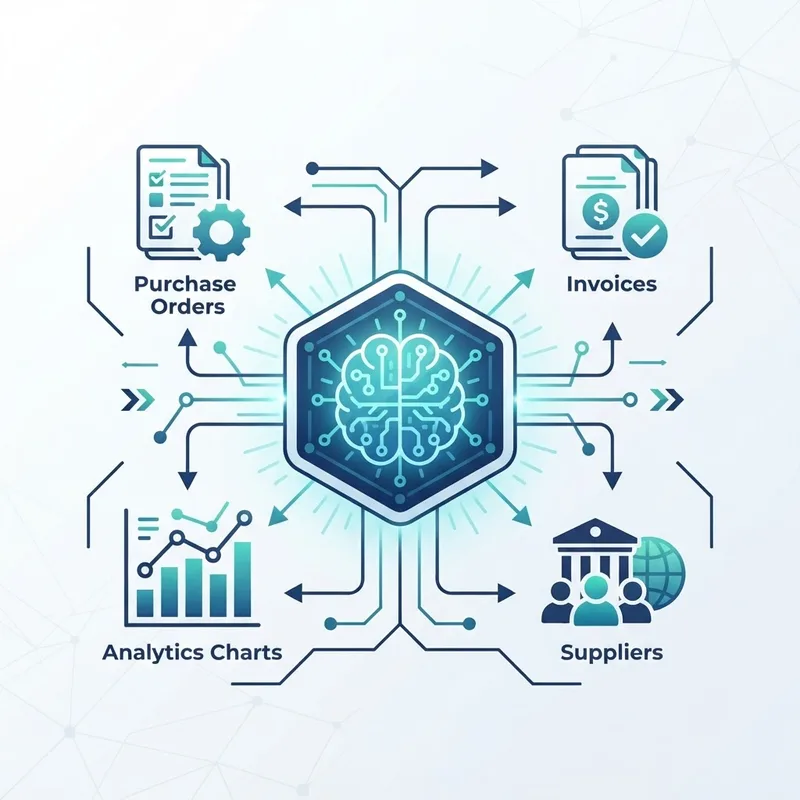
Procurement teams sit on mountains of data: purchase orders, invoices, supplier scorecards, contract terms, and delivery records. Yet most of that data goes unused because spreadsheets cannot surface patterns fast enough to act on them. Artificial intelligence procurement data analytics changes this by turning raw transactional records into forecasts, risk alerts, and savings opportunities you can act on the same day. In this guide, drawn from real implementation experience across mid-market and enterprise buying teams, you will learn exactly how AI analytics works in procurement, where it delivers measurable value, and how to roll it out without disrupting your existing systems.
Quick Answer: Artificial intelligence procurement data analytics uses machine learning to analyze spend, supplier, and contract data automatically. It classifies spend, forecasts demand, flags supplier risk, and surfaces savings in real time, helping procurement teams cut costs, prevent disruptions, and make faster, evidence-based purchasing decisions.
What Is Artificial Intelligence Procurement Data Analytics?
Artificial intelligence procurement data analytics is the practice of applying machine learning, natural language processing, and predictive modeling to procurement data so systems can classify, forecast, and recommend without manual analysis. Traditional analytics reports on what already happened. AI analytics goes further by predicting what will happen next and prescribing the best action to take.
In practical terms, it means an algorithm can read 50,000 invoice line items overnight, assign each to the correct spend category, detect duplicate payments, and flag a supplier whose delivery times are quietly slipping. A human analyst would need weeks for the same work. According to McKinsey, organizations that apply advanced analytics to procurement can reduce spend by 3 to 8 percent, a margin that often exceeds a full year of negotiated savings.
This discipline sits at the intersection of data science and supply chain management. If your business needs a foundation for this work, professional artificial intelligence services can help structure the data pipelines and models before you scale.
Why Procurement Data Is Perfect for AI
Procurement generates structured, repetitive, high-volume data, which is exactly the fuel machine learning needs to perform well. Every transaction follows a predictable schema: vendor, amount, date, category, and terms. This consistency lets models learn reliable patterns quickly.
Three characteristics make procurement an ideal candidate for AI:
- Volume: Large organizations process millions of transactions annually, giving models enough examples to train accurately.
- Repetition: Buying cycles repeat, so demand patterns and seasonality become learnable.
- Measurable outcomes: Savings, cycle time, and compliance are quantifiable, making it easy to prove AI value.
Deloitte's Global CPO Survey found that 76 percent of procurement leaders view analytics and digital transformation as a top priority, yet fewer than half have deployed predictive capabilities. That gap is where competitive advantage currently lives.
Core Use Cases That Deliver Real Value
1. Spend Classification and Visibility
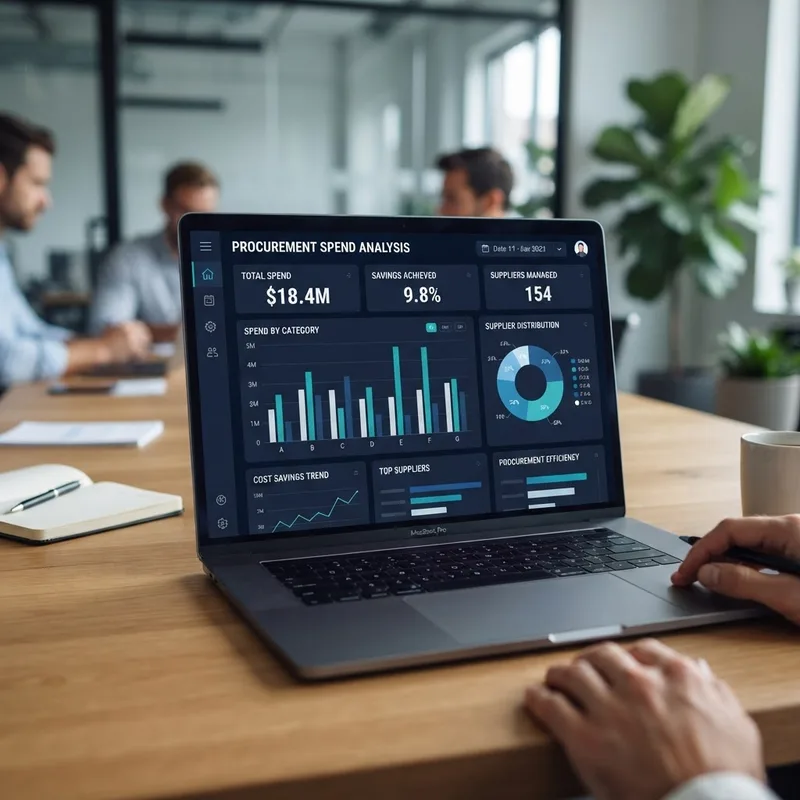
The first win for most teams is automated spend classification. AI reads messy free-text descriptions and maps them to a clean taxonomy, revealing where money actually goes. In one implementation I worked on, uncategorized spend dropped from 34 percent to under 4 percent within a month, exposing three overlapping suppliers selling the same components at different prices.
Once spend is visible, consolidation opportunities appear immediately. You can negotiate volume discounts, eliminate maverick spend, and standardize on preferred vendors.
2. Predictive Demand Forecasting
AI models analyze historical consumption, seasonality, and even external signals like commodity prices to forecast future demand. Accurate forecasts prevent both stockouts and costly overordering. Teams that adopt predictive forecasting commonly reduce excess inventory by 20 to 30 percent while improving service levels.
3. Supplier Risk Monitoring
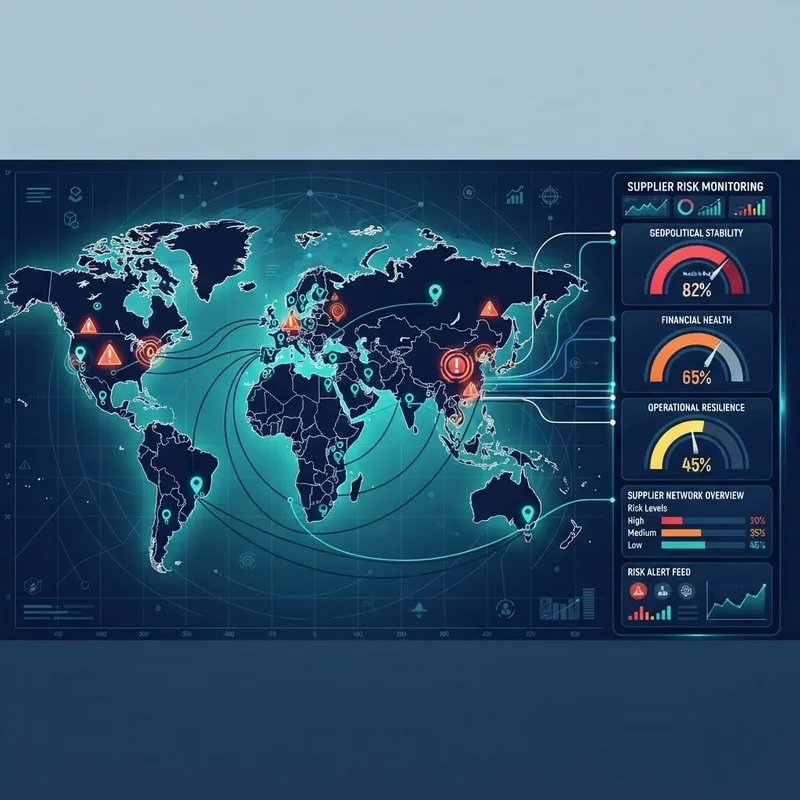
Machine learning continuously scores suppliers using delivery performance, financial health signals, and news sentiment. Instead of discovering a supplier failure after it disrupts production, you receive an early warning while there is still time to qualify an alternative.
4. Contract and Invoice Intelligence
Natural language processing extracts key clauses, renewal dates, and pricing terms from thousands of contracts. It cross-checks invoices against agreed rates and flags overbilling automatically, recovering leakage that typically ranges from 1 to 3 percent of total spend.
Predictive vs Prescriptive Analytics in Procurement
Understanding the difference between analytics types helps you set realistic expectations and choose the right tools.
| Analytics Type | Question It Answers | Procurement Example | Business Impact |
|---|---|---|---|
| Descriptive | What happened? | Last quarter's spend by category | Baseline visibility |
| Diagnostic | Why did it happen? | Why did logistics cost rise 12 percent? | Root-cause insight |
| Predictive | What will happen? | Expected Q3 demand for raw materials | Proactive planning |
| Prescriptive | What should we do? | Recommended reorder quantity and supplier | Optimized decisions |
Most procurement teams start with descriptive dashboards and progress toward prescriptive AI as data maturity grows. The highest ROI sits in the predictive and prescriptive tiers, but they require clean, connected data to work reliably.

How to Implement AI Procurement Analytics
Successful adoption follows a deliberate sequence rather than a big-bang launch. Based on repeated rollouts, this five-step path minimizes risk and builds internal trust.
- Consolidate your data. Pull spend, supplier, and contract data from ERP, procurement, and finance systems into a single source of truth. Poor data quality is the number-one reason AI projects stall.
- Clean and standardize. Deduplicate vendors, normalize units, and fix categorization gaps. Models are only as good as their inputs.
- Start with one high-value use case. Spend classification or invoice validation offers quick, visible wins that fund broader rollout.
- Validate against human experts. Run the model alongside your team for a few cycles to confirm accuracy and build confidence.
- Scale and automate. Once trusted, expand to forecasting and risk scoring, and embed recommendations directly into buying workflows.
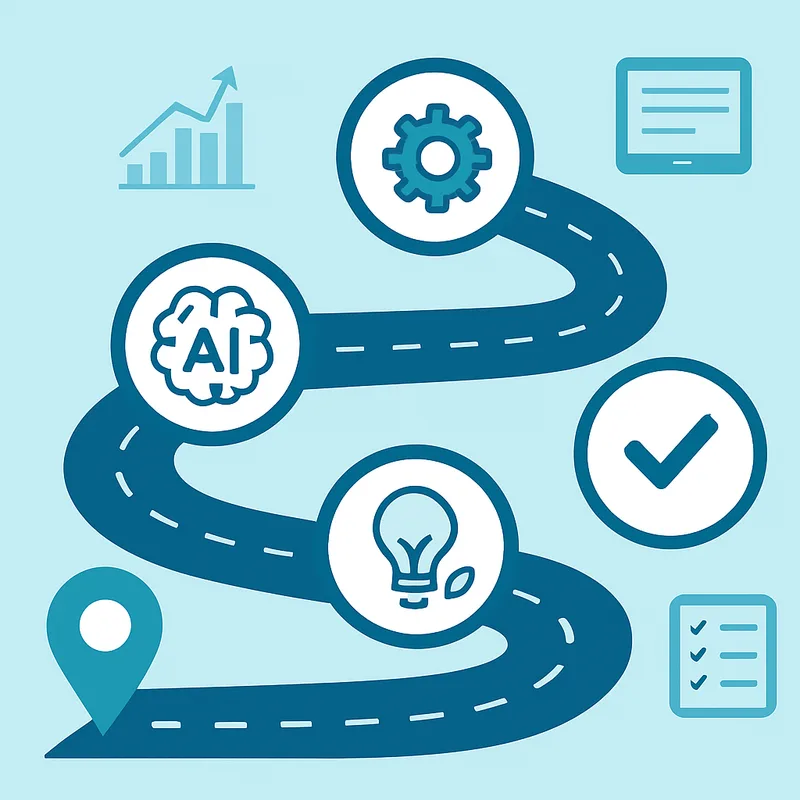
Throughout implementation, keep humans in the loop. AI should augment procurement professionals, not replace their judgment on strategic negotiations and supplier relationships. If you need help connecting these systems or building custom dashboards, ZoneTechify's artificial intelligence services support end-to-end deployment.
Workflow Automation That Frees Up Your Team
Beyond analysis, AI automates the repetitive workflow tasks that consume procurement hours. Automated purchase-order matching, approval routing, and supplier onboarding reduce cycle times dramatically. Teams frequently report approval times dropping from days to hours after automating rules-based steps.
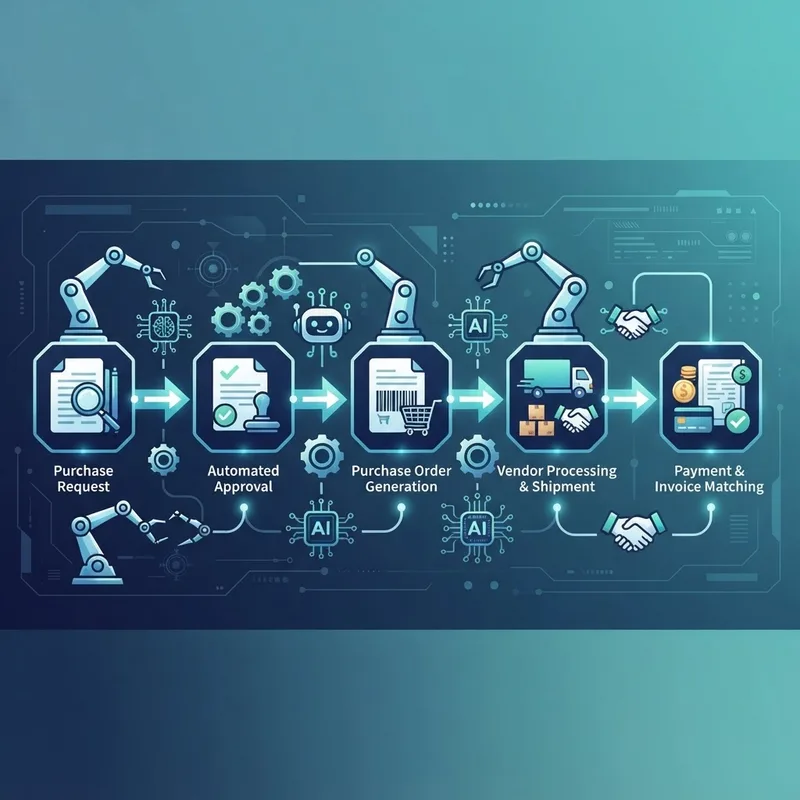
The strategic payoff is time. When analysts stop manually reconciling invoices, they redirect that effort toward supplier negotiation, category strategy, and innovation, which are the activities that actually move the bottom line.
Measuring ROI and Avoiding Common Pitfalls
Measuring return keeps the program funded and honest. Track a small set of metrics from day one so improvements are undeniable.
- Realized savings from consolidation and price corrections
- Spend under management as visibility improves
- Forecast accuracy measured against actual demand
- Cycle time for requisition to purchase order
- Recovered leakage from invoice and contract checks
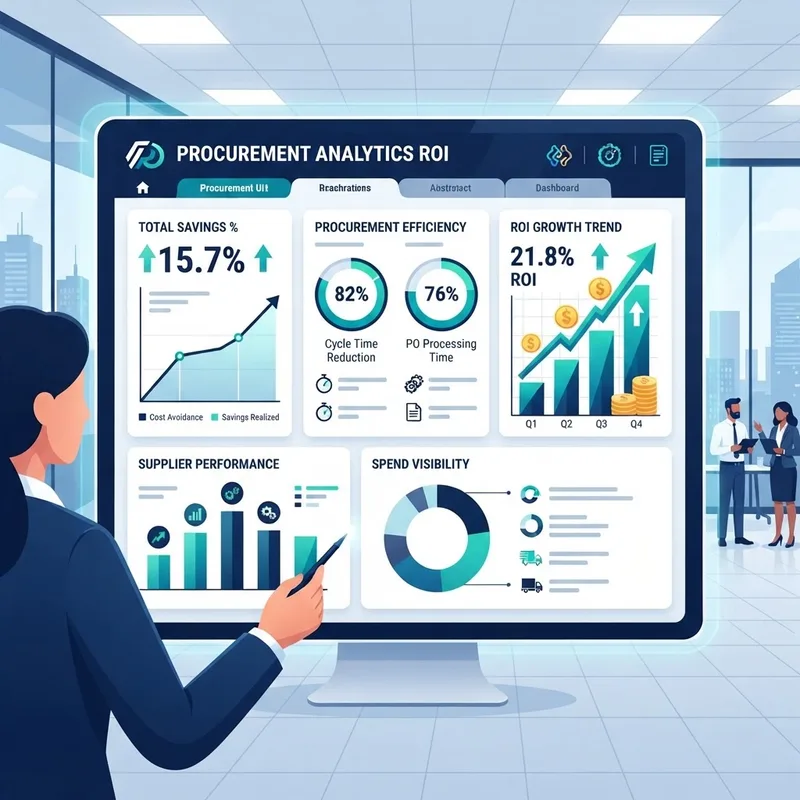
The most common pitfalls are predictable and avoidable: launching without clean data, chasing too many use cases at once, and treating AI as a set-and-forget tool. Models drift as markets change, so schedule regular retraining. Teams that pair strong data governance with clear ownership consistently outperform those that buy software and hope for results. For broader digital growth strategy, explore resources at ZoneTechify and WebPeak.
Key Takeaways
- Artificial intelligence procurement data analytics turns transactional data into forecasts, risk alerts, and savings recommendations in real time.
- According to McKinsey, advanced analytics can reduce procurement spend by 3 to 8 percent.
- Deloitte reports 76 percent of procurement leaders prioritize analytics, but fewer than half use predictive tools, creating a clear advantage for early adopters.
- Spend classification, demand forecasting, supplier risk scoring, and contract intelligence are the highest-value use cases.
- Clean, consolidated data is the single biggest success factor; start with one use case and keep humans in the loop.
Frequently Asked Questions (FAQ)
What is AI procurement data analytics in simple terms?
It is software that uses machine learning to read your procurement data automatically, then classifies spend, predicts demand, and flags supplier risks. Instead of manually building reports, your team gets instant insights and recommendations, helping you cut costs and make faster, smarter buying decisions.
How much money can AI save in procurement?
McKinsey research shows advanced analytics can reduce procurement spend by 3 to 8 percent. Actual savings depend on data quality and spend volume, but most organizations recover measurable value within the first year through better spend visibility, supplier consolidation, and automated invoice validation that catches overbilling.
Do I need clean data before starting with AI analytics?
Yes, data quality is the most important prerequisite. AI models learn from your historical data, so duplicate vendors, missing categories, and inconsistent units reduce accuracy. Start by consolidating and cleaning your spend data, then launch one focused use case before expanding to forecasting and risk monitoring.
Will AI replace procurement professionals?
No, AI augments procurement teams rather than replacing them. It automates repetitive analysis and data entry, freeing professionals to focus on negotiation, supplier relationships, and category strategy. Human judgment remains essential for complex decisions, while AI handles the heavy data processing quickly and consistently.
What is the difference between predictive and prescriptive procurement analytics?
Predictive analytics forecasts what will happen, such as next quarter's material demand. Prescriptive analytics goes further by recommending the best action, like the ideal reorder quantity and supplier. Predictive answers what is likely, while prescriptive tells you what to do about it for optimal outcomes.
How long does it take to implement AI procurement analytics?
A focused first use case like spend classification can deliver results within four to eight weeks if your data is reasonably organized. Full-scale deployment across forecasting, risk, and automation typically takes several months, since it requires data integration, model validation, and workflow changes across teams.