
A complete, people-first guide to Belle artificial intelligence: how it works, where it helps, real business use cases, ethics, and how to get started.
Belle Artificial Intelligence
Artificial intelligence has moved from a futuristic buzzword to an everyday companion that quietly powers the apps, tools, and services we use. Belle artificial intelligence represents this new wave of approachable, human-centered AI: systems designed not just to be powerful, but to be genuinely useful, trustworthy, and easy to work with. In this guide, we break down what Belle artificial intelligence means, how it works, where it delivers real value, and how you can start using it responsibly.
Whether you run a small business, manage a marketing team, or simply want to understand the technology shaping the modern web, this article gives you a clear, jargon-light picture. For more practical resources on technology and digital growth, you can explore ZoneTechify and WebPeak.

What Is Belle Artificial Intelligence?
At its core, Belle artificial intelligence is a philosophy and a practice: building AI that feels less like a cold algorithm and more like a helpful collaborator. The name "Belle" evokes elegance and friendliness, and that is precisely the goal. Instead of intimidating dashboards and impossible setup steps, Belle-style AI focuses on clarity, accessibility, and outcomes that ordinary people can understand.
Technically, it still relies on the same foundations as any modern AI system. It uses large datasets, statistical models, and pattern recognition to make predictions, generate content, automate tasks, and answer questions. The difference is in the experience. A well-designed AI product hides the complexity, surfaces only what matters, and respects the user's time and intelligence.
Three principles define this approach:
- Human-first design: The technology adapts to people, not the other way around.
- Transparency: Users understand what the AI is doing and why.
- Practical value: Every feature solves a real problem rather than chasing novelty.
How Belle Artificial Intelligence Actually Works
To appreciate what Belle artificial intelligence can do, it helps to understand the engine underneath. Most modern AI systems are built on machine learning, a method where software improves through experience rather than rigid, hand-written rules.
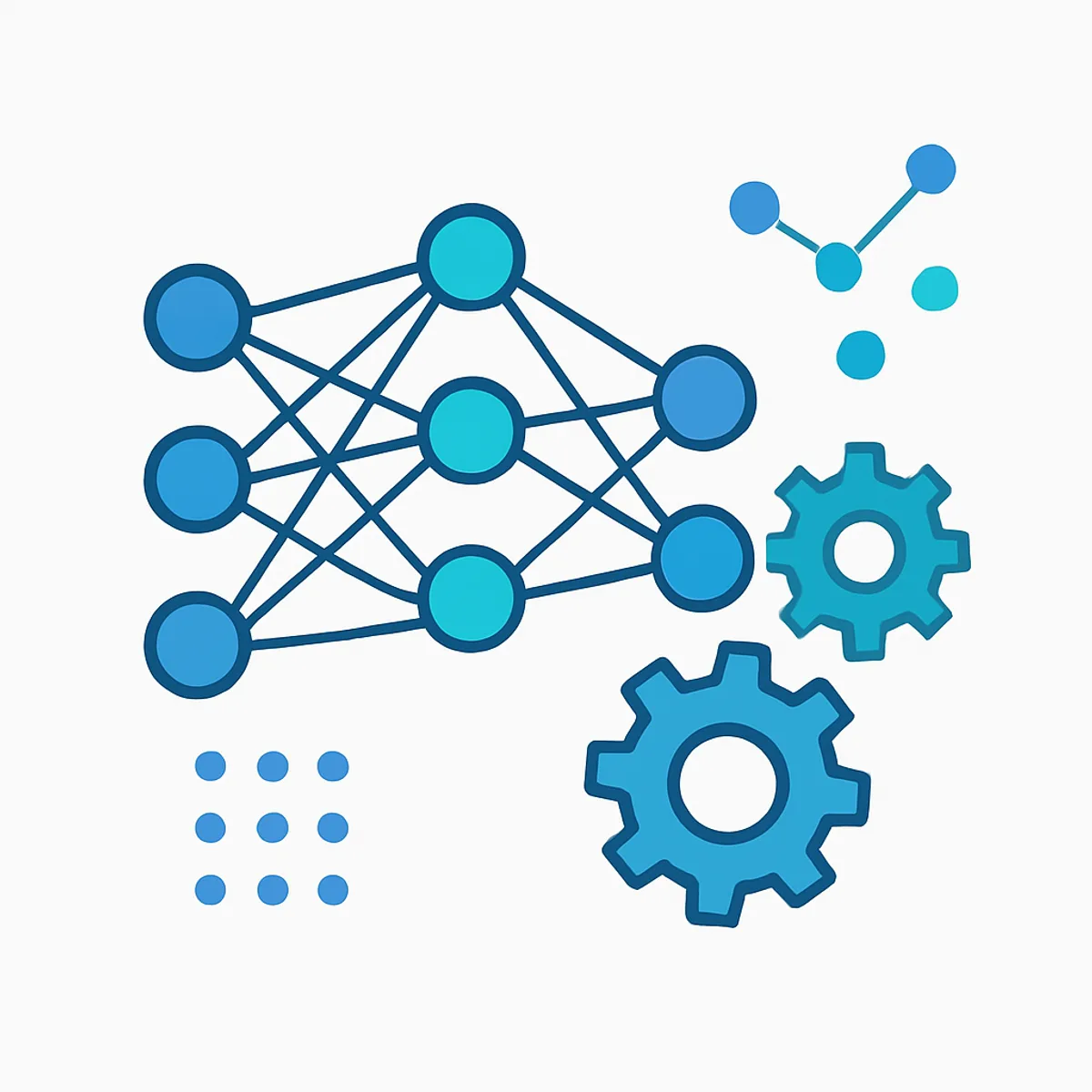
Machine learning models are trained on enormous collections of text, images, or numbers. During training, the model adjusts millions (sometimes billions) of internal values to minimize mistakes. Once trained, it can generalize from what it learned to handle new, unseen inputs. This is why an AI writing assistant can draft an email it has never seen before, or why an image tool can describe a brand-new photo.
A few key building blocks make this possible:
| Component | Role | Everyday Example |
|---|---|---|
| Training data | Teaches the model patterns | Articles, product reviews, images |
| Model architecture | Structures how the AI learns | Neural networks, transformers |
| Inference | Applies learning to new inputs | Generating a reply in real time |
| Feedback loop | Improves results over time | Thumbs up or down on answers |
The magic users feel comes from combining these parts into a smooth experience. You type a question; the system processes it; and a relevant, well-structured answer appears in seconds. Behind the scenes, that simplicity required careful engineering.
Why Belle Artificial Intelligence Matters Now
The timing of this shift is not accidental. Computing power has become cheaper, datasets are richer, and the tools to build AI are more accessible than ever. As a result, advanced capabilities that once required a research lab are now available through a simple web interface.
This democratization is the real story. Small teams can now compete with much larger organizations because AI helps them punch above their weight. A solo founder can produce marketing copy, analyze customer feedback, and automate support, all without hiring a large staff. That is the promise of approachable, Belle-style artificial intelligence: leveling the playing field.
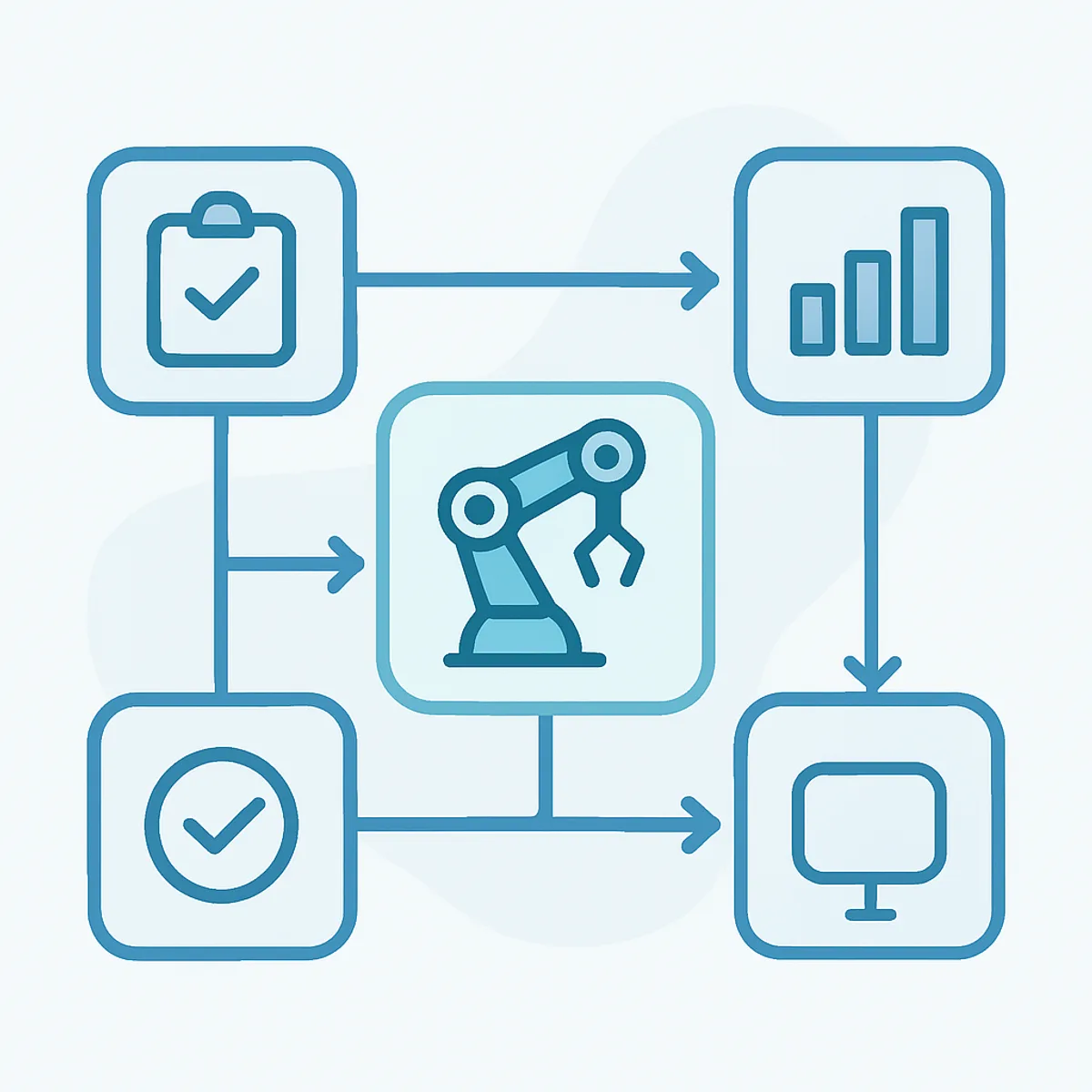
Automation is one of the clearest benefits. Repetitive tasks that drain hours, such as sorting emails, tagging data, or generating routine reports, can be handed to AI. This frees people to focus on creative, strategic, and human work that machines cannot replicate. The goal is not to replace people but to remove the tedious parts of their day.
Real-World Business Applications
The most exciting part of Belle artificial intelligence is how broadly it applies. Almost every industry has practical, proven use cases that deliver measurable returns.
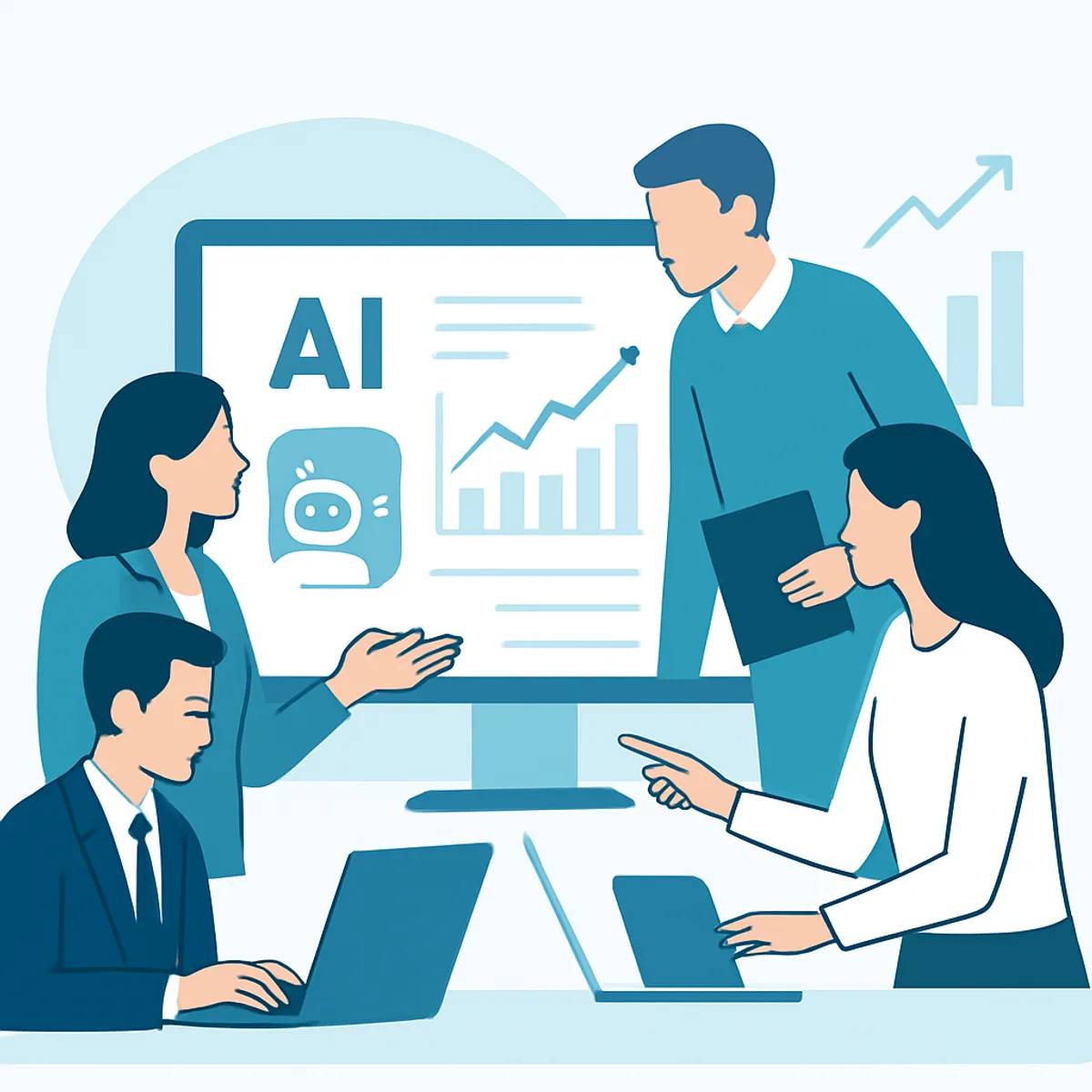
Customer Support
AI chat assistants handle common questions instantly, around the clock. They resolve simple issues on their own and route complex ones to human agents with full context. Customers get faster answers, and support teams avoid burnout.
Marketing and Content
From drafting blog outlines to generating ad variations, AI accelerates content production. It can analyze which headlines perform best, personalize email campaigns, and identify trending topics. Teams that adopt these tools ship more, test more, and learn faster.
Sales and Analytics
AI sifts through large datasets to spot patterns humans miss. It can predict which leads are most likely to convert, forecast demand, and flag unusual activity. These insights turn raw numbers into clear decisions.
Operations
Scheduling, inventory management, and document processing all benefit from intelligent automation. AI reduces errors, speeds up workflows, and keeps operations running smoothly even as a business scales.
If you want help implementing these capabilities for your own organization, professional teams such as those offering artificial intelligence services at ZoneTechify and WebPeak's AI services can guide the strategy, integration, and rollout.
Building Trust: Ethics and Data Responsibility
Powerful technology comes with responsibility. A truly people-first AI must be ethical, fair, and respectful of privacy. This is not a side concern; it is central to whether users will trust and adopt the technology at all.
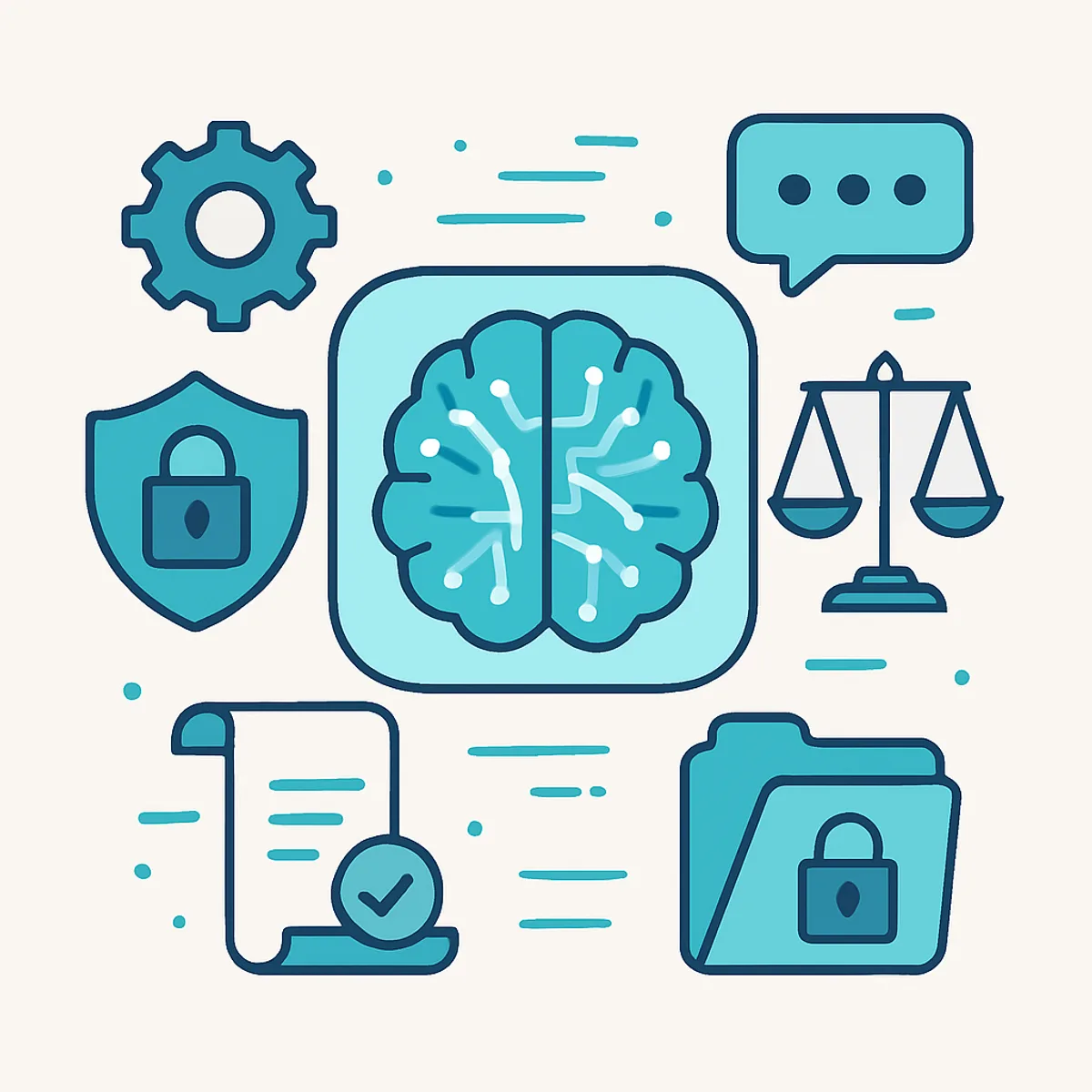
Several practices help keep AI trustworthy:
- Data privacy: Collect only what is needed, store it securely, and be clear about how it is used.
- Bias awareness: Test models across diverse groups to avoid unfair outcomes.
- Human oversight: Keep people in the loop for important decisions rather than fully automating them.
- Transparency: Tell users when they are interacting with AI and explain its limits.
Responsible AI also means acknowledging what the technology cannot do. AI can make mistakes, repeat outdated information, or misread context. Treating its output as a helpful draft rather than absolute truth keeps humans firmly in control. The best implementations pair AI speed with human judgment, combining the strengths of both.
Common Myths and Misconceptions
Because AI is surrounded by hype, several myths persist. Clearing them up leads to smarter decisions.
Myth 1: AI will replace all jobs. In reality, AI tends to reshape roles rather than erase them. It automates tasks, not entire careers, and often creates new kinds of work.
Myth 2: AI understands like a human. It does not. AI recognizes patterns in data; it has no genuine comprehension or consciousness. This is why oversight matters.
Myth 3: More data always means better AI. Quality beats quantity. Clean, relevant, representative data produces stronger results than huge but messy datasets.
Myth 4: AI is only for tech giants. Thanks to accessible tools, businesses of any size can benefit today.
The Future of Belle Artificial Intelligence
Looking ahead, the trajectory points toward AI that is even more personal, multimodal, and seamlessly integrated into daily life. Instead of switching to a separate tool, AI will increasingly live inside the apps you already use, anticipating needs and offering help at the right moment.
Several trends are worth watching:
- Multimodal systems that understand text, images, audio, and video together.
- On-device AI that runs locally for better speed and privacy.
- Specialized models tuned for specific industries like healthcare, law, or design.
- Agentic AI that can complete multi-step tasks with minimal supervision.
The common thread is a move toward AI that fits naturally into human workflows. As these systems mature, the gap between intention and action shrinks. You will describe what you want in plain language, and capable assistants will handle the details, always under your direction.
How to Get Started with Belle Artificial Intelligence
Getting started does not require a computer science degree or a massive budget. The smartest approach is to begin small, learn fast, and scale what works.

Follow these practical steps:
- Identify a clear problem. Choose one repetitive or time-consuming task where AI could help, such as drafting content or answering FAQs.
- Pick the right tool. Match the tool to the job rather than chasing the most advanced option. Simple solutions often win.
- Run a small pilot. Test the AI on real work for a few weeks and measure the results honestly.
- Add human review. Keep a person checking output to catch errors and refine prompts.
- Scale gradually. Once a use case proves valuable, expand it and explore adjacent opportunities.
This measured approach reduces risk and builds confidence. Each small success makes the next step easier, and over time these wins compound into a meaningful competitive advantage.
Final Thoughts
Belle artificial intelligence is ultimately about making powerful technology feel human, helpful, and honest. It combines the raw capabilities of machine learning with thoughtful design, ethical guardrails, and a relentless focus on real-world value. When AI is built this way, it does not overwhelm people; it empowers them.
The organizations that thrive will be those that treat AI as a partner rather than a replacement, pairing its speed and scale with human creativity and care. Start with a single problem, keep humans in the loop, and let results guide your next move. To continue learning and find expert support on your journey, visit ZoneTechify and WebPeak. The future of approachable, people-first AI is already here, and it is ready to work alongside you.