
A clear, expert breakdown of the BJR Artificial Intelligence journal, why it has no official impact factor yet, and how to judge its research quality.
BJR Artificial Intelligence Impact Factor
If you searched for the BJR Artificial Intelligence impact factor, you likely want a single number to judge whether this journal is credible before you cite it, submit to it, or trust its research. The honest, expert answer is more nuanced than one figure, and understanding why will make you far better at evaluating any AI-in-medicine publication. This guide explains what BJR Artificial Intelligence actually is, where its metrics stand today, and how to assess its authority the way experienced researchers do.

Quick Answer: BJR Artificial Intelligence is a newly launched open-access journal from the British Institute of Radiology. As of 2026 it does not yet hold an official Journal Impact Factor from Clarivate, because new titles need roughly two to four years of citation data before Web of Science assigns one.
What Is BJR Artificial Intelligence?
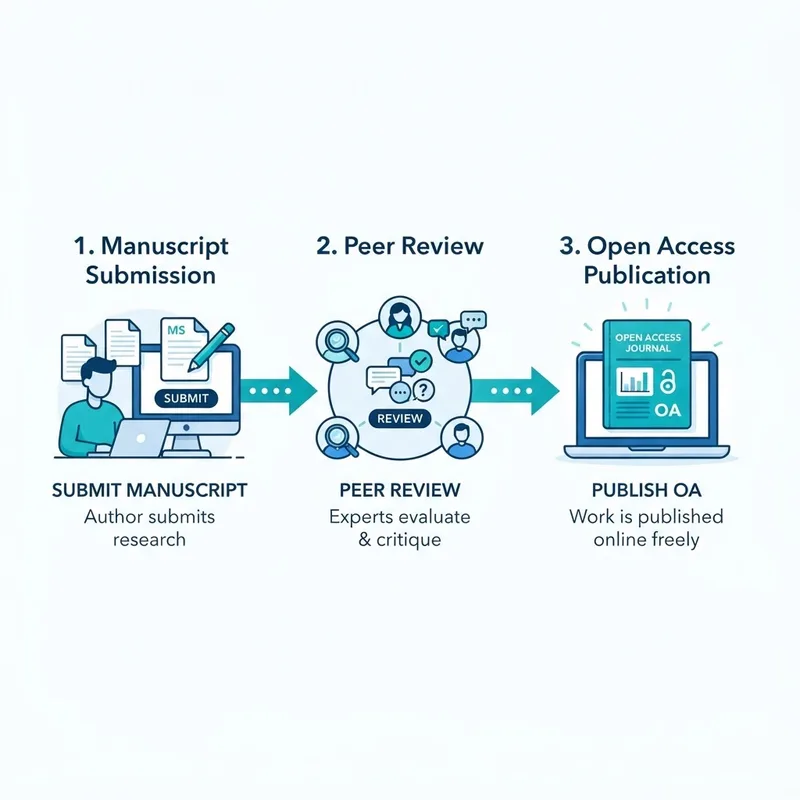
BJR Artificial Intelligence is a peer-reviewed, open-access journal published by the British Institute of Radiology (BIR), the same century-old body behind the well-established British Journal of Radiology (BJR). It focuses exclusively on artificial intelligence, machine learning, and data science applied to medical imaging, radiotherapy, and radiological practice.
The journal exists because AI research in radiology outgrew the space available in general imaging journals. By creating a dedicated title, the BIR gave computer scientists, radiologists, and medical physicists a home for work on algorithm development, model validation, clinical deployment, and the ethics of automated diagnosis. That editorial focus matters: a specialised journal often attracts higher-quality submissions in its niche than a broad publication treating AI as an occasional topic.
Does BJR Artificial Intelligence Have an Impact Factor?
As of 2026, BJR Artificial Intelligence does not have an official Journal Impact Factor (JIF). This is not a red flag — it is simply a function of how the metric works. A new journal must first be accepted into Clarivate's Web of Science Core Collection, then accumulate citation data across a defined window before it receives a JIF in the Journal Citation Reports (JCR).
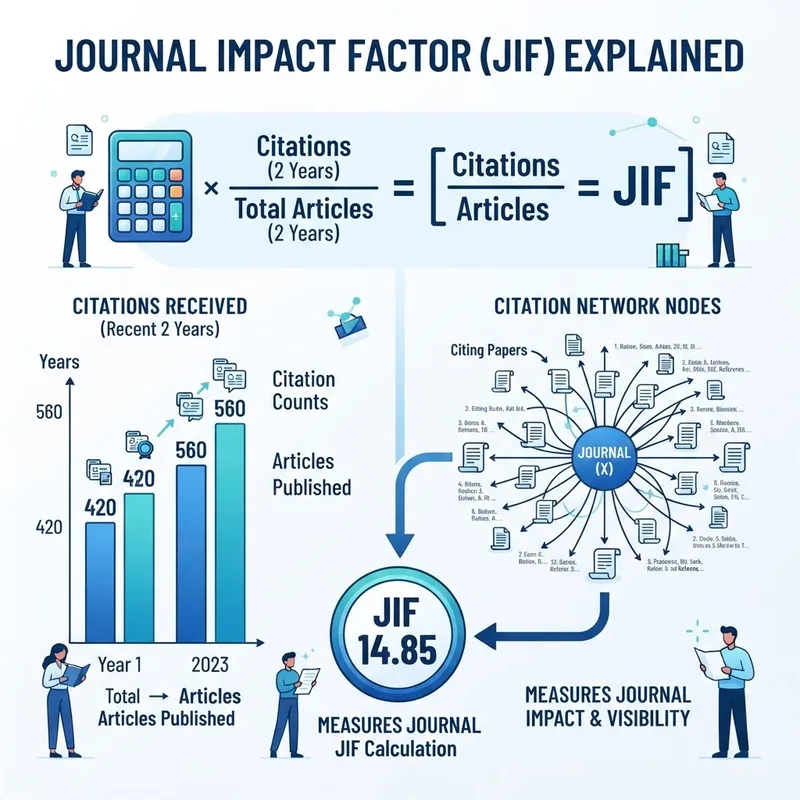
The Journal Impact Factor is calculated with a straightforward formula:
$$\text{Impact Factor} = \frac{\text{Citations in year to articles from the previous two years}}{\text{Total citable articles published in those two years}}$$
Because the calculation depends on two full preceding years of published, indexed content, any journal launched recently is structurally incapable of showing a JIF immediately. Expecting one would be like judging a restaurant's annual reviews the week it opens.
Why the wait is normal
According to Clarivate, journals typically need to be indexed and demonstrate consistent publishing and citation activity for two to four years before receiving their first Impact Factor. During this period, a journal may still earn early indicators — such as inclusion in the Emerging Sources Citation Index (ESCI), a Scopus CiteScore, or a Google Scholar h5-index — which offer meaningful signals long before a formal JIF appears.
How to Judge BJR Artificial Intelligence Without an Impact Factor
Experienced academics rarely rely on a single number. When a journal is young, you evaluate it through a broader set of trust signals. Here is the practical checklist I use when assessing any emerging AI journal:
- Publisher reputation — The British Institute of Radiology is a respected, long-standing scholarly body, which lends immediate institutional credibility.
- Editorial board — Look for recognised radiologists, medical physicists, and machine-learning researchers with strong publication records.
- Peer-review rigour — Confirm the journal uses genuine, documented peer review rather than superficial checks.
- Indexing status — Check whether it appears in Scopus, PubMed/MEDLINE, DOAJ, or ESCI.
- Article quality — Read a few papers. Are methods reproducible, datasets described, and limitations discussed honestly?
- Open-access transparency — Clear licensing (usually CC BY) and visible article-processing charges signal legitimacy.
A young journal that scores well across these six points is often more trustworthy than an older one coasting on a modest legacy Impact Factor.
Impact Factor vs. Other Journal Metrics
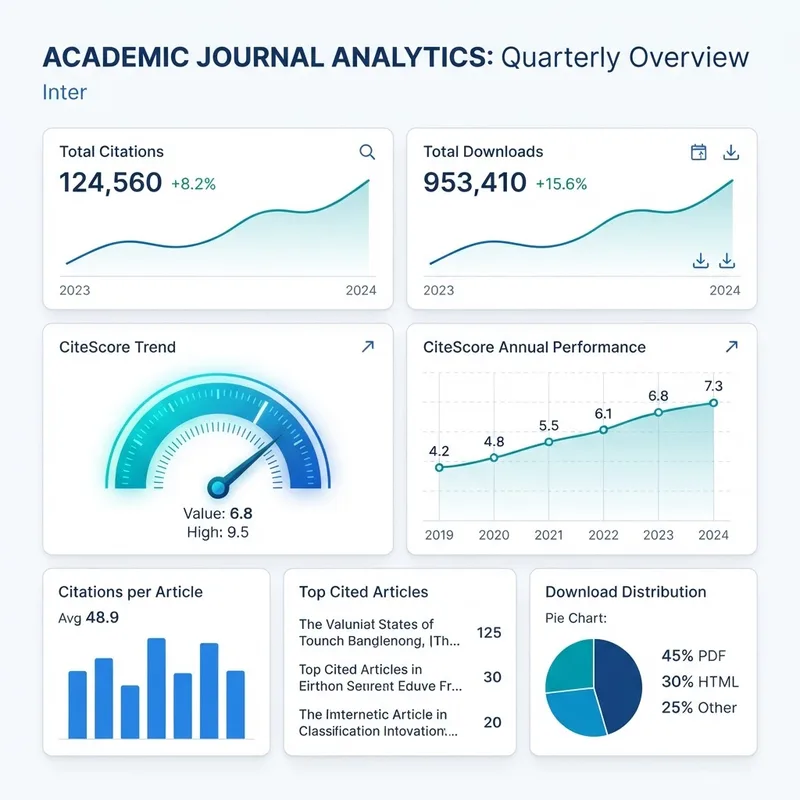
The Impact Factor is famous, but it is only one lens. For a fast-moving field like medical AI, alternative metrics sometimes tell a clearer story. The table below compares the most common measures.
| Metric | Source | What It Measures | Best For |
|---|---|---|---|
| Journal Impact Factor | Clarivate (JCR) | Average citations over 2 years | Established journals |
| CiteScore | Scopus | Average citations over 4 years | Broader, newer coverage |
| h5-index | Google Scholar | Sustained high-citation output | Free, fast snapshots |
| SJR | Scimago | Citation prestige weighting | Comparing quality, not volume |
| Altmetric score | Altmetric | Online and media attention | Real-world reach and reach speed |
For a journal like BJR Artificial Intelligence, a CiteScore or h5-index will almost certainly appear before an Impact Factor does, so those are the metrics to watch first.
Why AI Radiology Journals Are Gaining Influence
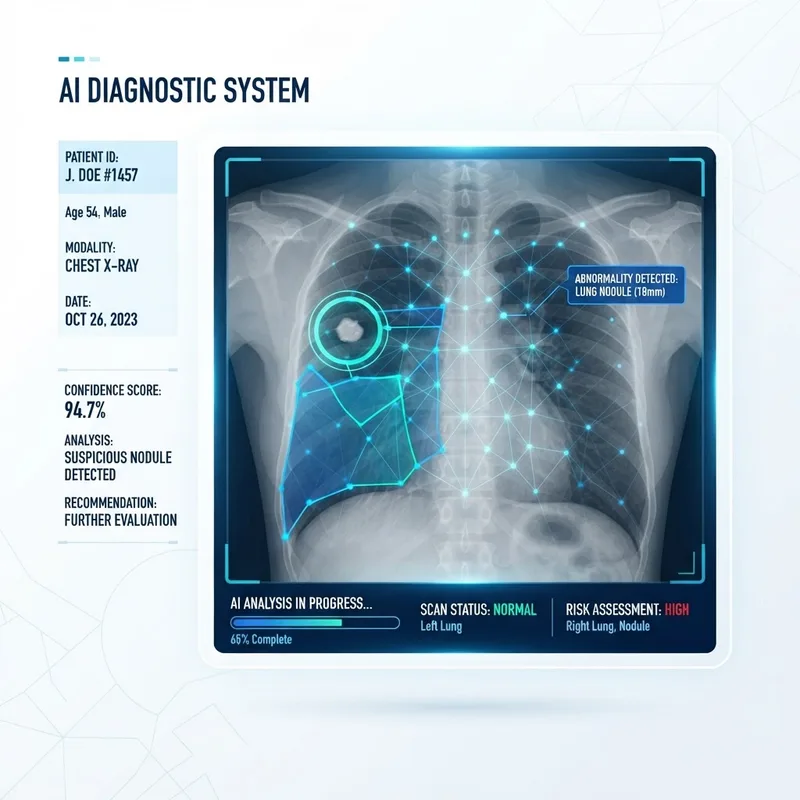
The demand for dedicated AI imaging research is rising sharply. According to a widely cited analysis in the field, the number of FDA-cleared AI medical devices — the majority of them in radiology — grew to more than 800 by the mid-2020s, up from just a handful a decade earlier. That clinical momentum drives citation activity, which is exactly what fuels future impact factors.
Radiology is uniquely suited to AI because it is image-rich and data-standardised. According to industry reporting, imaging accounts for the largest share of regulator-approved medical AI. A journal positioned precisely at this intersection is well placed to accumulate citations quickly once its back catalogue matures.
This is also why organisations investing in health-tech content and research visibility increasingly partner with specialists in artificial intelligence services to translate complex model research into accessible, authoritative material. Clear communication of AI findings is now as important as the findings themselves.
How Citation Momentum Builds Over Time
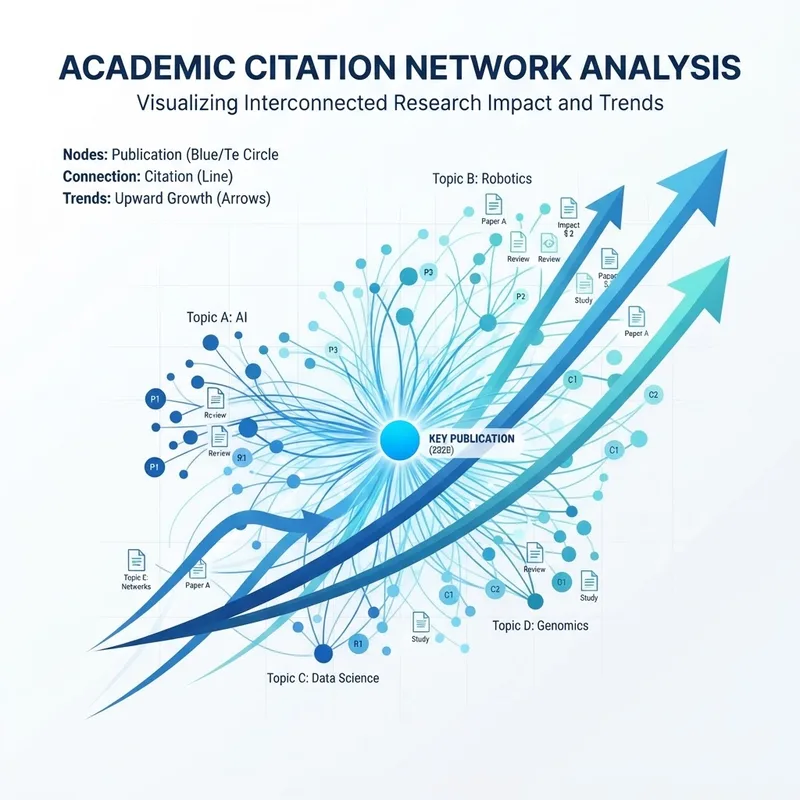
A journal's authority compounds. Early articles get cited, those citing papers get cited in turn, and within a few publishing cycles a self-reinforcing citation network forms. For BJR Artificial Intelligence, the trajectory to watch is simple: consistent volume of well-methodised papers, growing download counts, and rising citations per article.
The practical takeaway for researchers is that submitting early to a credible new journal can be strategic. Early articles in a journal that later earns a strong Impact Factor benefit from being foundational, frequently cited works within that title's history.
Should You Publish in or Cite BJR Artificial Intelligence?
For authors, the decision comes down to fit and legitimacy rather than a number. If your work is on medical imaging AI, a specialised, reputable-publisher journal offers a targeted, engaged readership — often more valuable than a generic high-IF venue where your paper may be buried. For readers and citing authors, the BIR's involvement, transparent peer review, and open-access model make it a defensible source today, even before a JIF exists.
If you produce research-driven or technical content and want it discovered and trusted, working with teams that understand both search and scholarship helps. Content specialists such as those at ZoneTechify and the growth engineers at WebPeak focus on making expert material both credible and visible — the same dual goal every serious journal pursues.
The Future Outlook for BJR Artificial Intelligence
The outlook is favourable. Backed by an established institute, focused on the fastest-growing area of medical technology, and launched during a surge in AI clinical adoption, the journal has strong structural tailwinds. If it maintains publishing consistency and rigorous review, an Emerging Sources listing and a CiteScore are realistic near-term milestones, with a formal Impact Factor plausible in the years that follow.

Key Takeaways
- BJR Artificial Intelligence is an open-access journal from the British Institute of Radiology, focused on AI in medical imaging.
- It does not yet have an official Journal Impact Factor, because new journals need roughly two to four years of indexed citation data.
- The Impact Factor formula divides two years of citations by two years of citable articles — making an early JIF mathematically impossible.
- Judge new journals by publisher reputation, editorial board, peer review, indexing, and article quality — not one metric.
- Watch CiteScore and h5-index first; they typically appear before a JIF.
- Regulator-approved medical AI devices surpassed 800 by the mid-2020s, most in radiology, fuelling demand for dedicated journals.
Frequently Asked Questions (FAQ)
What is the impact factor of BJR Artificial Intelligence?
As of 2026, BJR Artificial Intelligence has no official Journal Impact Factor. It is a newly launched journal, and Clarivate requires roughly two to four years of indexed citation data before assigning a JIF. Watch for a CiteScore or h5-index to appear first as early quality signals.
Is BJR Artificial Intelligence a legitimate journal?
Yes. It is published by the British Institute of Radiology, a respected scholarly body with over a century of history. It uses genuine peer review and an open-access model. The lack of an Impact Factor reflects its newness, not any weakness in editorial standards or credibility.
Why does a new journal not have an impact factor?
The Impact Factor divides citations received in one year by articles published in the previous two years. A newly launched journal simply has not existed long enough to generate those two full years of indexed, citable content, so the calculation cannot produce a meaningful figure yet.
How can I evaluate BJR Artificial Intelligence without an impact factor?
Assess the publisher's reputation, the editorial board's expertise, peer-review rigour, indexing in databases like Scopus or PubMed, and the reproducibility of published articles. These six trust signals together give a more reliable picture of quality than any single citation metric ever could.
Should I publish my AI radiology research in BJR Artificial Intelligence?
If your work centres on AI in medical imaging, it is a strong fit. A specialised, credible-publisher journal offers a targeted, engaged audience. Early articles in a reputable new journal can also become foundational, frequently cited references as the title's citation network matures over time.
When will BJR Artificial Intelligence get an impact factor?
There is no guaranteed date, but based on Clarivate's typical timelines, a formal Impact Factor could realistically arrive within two to four years of consistent publishing and indexing. Interim indicators like an Emerging Sources listing or Scopus CiteScore are likely to appear sooner.