
A clear, expert guide to Clog Artificial Intelligence: what it means, how it works, real business use cases, benefits, implementation steps, and where AI is heading next.
Clog Artificial Intelligence

Artificial intelligence has moved from research labs into everyday business tools, yet many teams still struggle to understand what it actually does and how to apply it without wasting money. The phrase "clog artificial intelligence" captures a real fear: that adopting AI badly can slow your systems, bloat your workflows, and clog your operations instead of streamlining them. This guide takes the opposite approach. Drawing on years of hands-on work deploying AI for content, marketing, and web platforms, we explain how AI truly works, where it delivers measurable value, and how to implement it so it accelerates your work rather than jamming it. You will leave with a practical, honest, and actionable understanding of AI.
Quick Answer: Clog Artificial Intelligence refers to AI systems that, when poorly implemented, slow down or overload workflows instead of improving them. The fix is choosing the right AI tools, clean data, clear goals, and human oversight so AI streamlines tasks, cuts costs, and boosts productivity rather than creating bottlenecks.
What Is Artificial Intelligence?
Artificial intelligence is the branch of computer science that builds systems capable of performing tasks that normally require human intelligence, such as understanding language, recognizing patterns, making predictions, and generating content. Unlike traditional software, which follows fixed rules, AI models learn from data and improve their outputs over time.

The term "clog artificial intelligence" is a useful reminder that AI is not automatically helpful. When organizations bolt AI onto messy processes, feed it poor data, or automate the wrong tasks, it can add latency, confusion, and cost. Done right, AI removes friction. Done wrong, it becomes the clog. The difference is almost always strategy, not technology. According to McKinsey's State of AI research, organizations that tie AI adoption to clear business outcomes report significantly higher returns than those experimenting without direction.
How Artificial Intelligence Actually Works
AI works by processing large volumes of data through mathematical models that detect patterns and generate predictions or outputs. Most modern AI relies on machine learning, where a model is trained on examples until it can handle new, unseen inputs accurately.
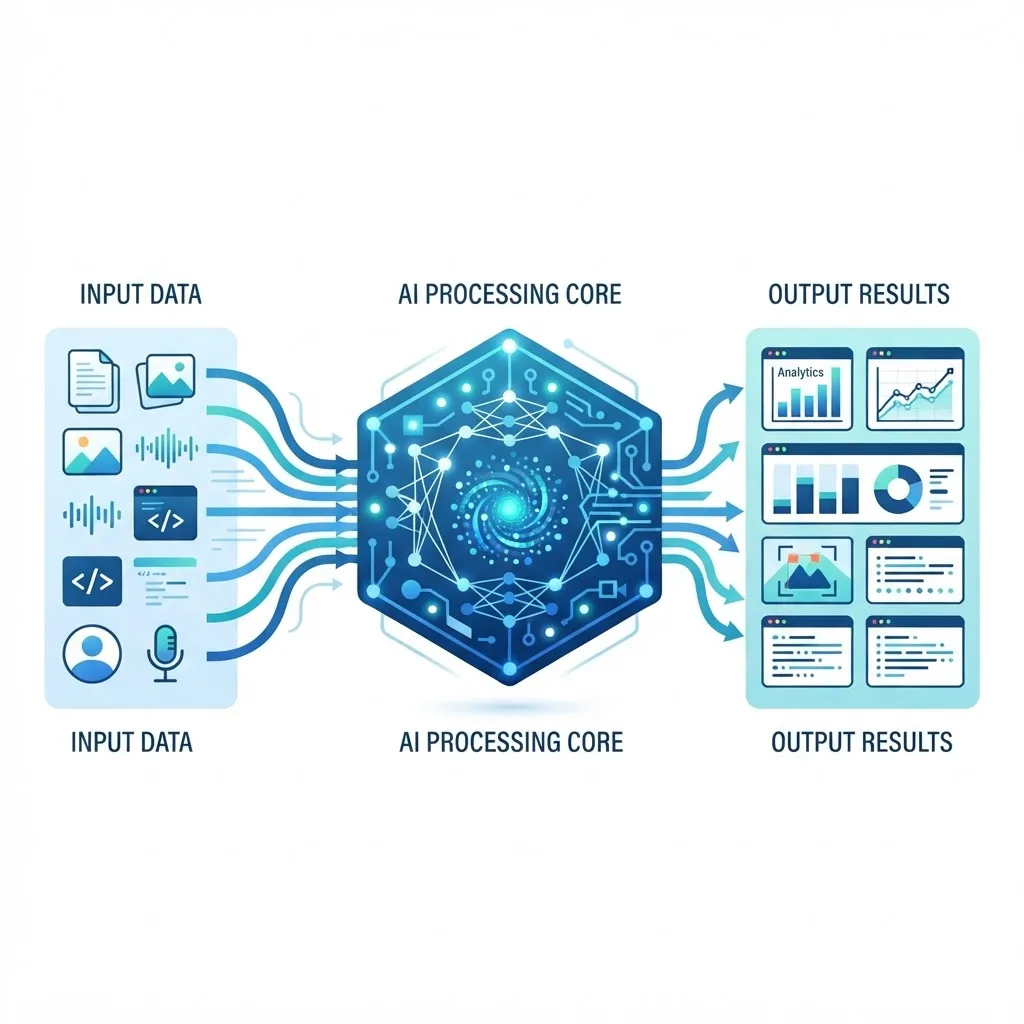
The typical AI pipeline follows four stages:
- Data collection gathers relevant, high-quality information.
- Training exposes the model to that data so it learns patterns.
- Inference applies the trained model to new inputs to produce results.
- Feedback measures accuracy and refines the model over time.
Here is the critical insight from real deployments: the model is rarely the bottleneck. Bad or duplicated data is what clogs AI systems. If your inputs are inconsistent, the model amplifies that chaos at scale. Investing in clean, well-labeled data delivers a bigger performance gain than swapping to a newer model. Teams that skip this step are the ones who experience the "clog" firsthand.
Key AI Terms Defined
Understanding a few core definitions makes AI far less intimidating and helps you avoid vendor hype.
- Machine Learning (ML): A method where systems learn patterns from data instead of being explicitly programmed.
- Large Language Model (LLM): An AI model trained on massive text datasets to understand and generate human-like language.
- Generative AI: AI that creates new content such as text, images, or code rather than only classifying data.
- Inference latency: The time an AI model takes to return a result, a common source of workflow clogging when unoptimized.
These definitions matter because vendors often blur them. Knowing the difference lets you ask sharper questions and avoid paying for capabilities you do not need.
The Real Business Benefits of AI
When implemented with intent, AI delivers benefits that are measurable rather than theoretical. Based on client work across content and web projects, the strongest gains consistently appear in speed, consistency, and cost reduction.

The most reliable business benefits include:
- Faster content and code production without sacrificing quality when paired with human review.
- 24/7 customer support through chatbots that handle routine queries and free staff for complex issues.
- Data-driven decisions from predictive analytics that surface trends humans might miss.
- Personalization at scale that tailors experiences to individual users automatically.
According to Google, 53% of mobile users abandon sites that take longer than three seconds to load, and AI-driven optimization tools now help teams identify and fix these performance issues automatically. For businesses building modern platforms, this is where AI stops being a buzzword and starts protecting revenue. Agencies like ZoneTechify and WebPeak apply AI in exactly this results-focused way.
Practical AI Use Cases That Deliver ROI
AI is most valuable when applied to specific, repeatable problems rather than vague ambitions. The clearest wins come from narrow use cases with obvious success metrics.
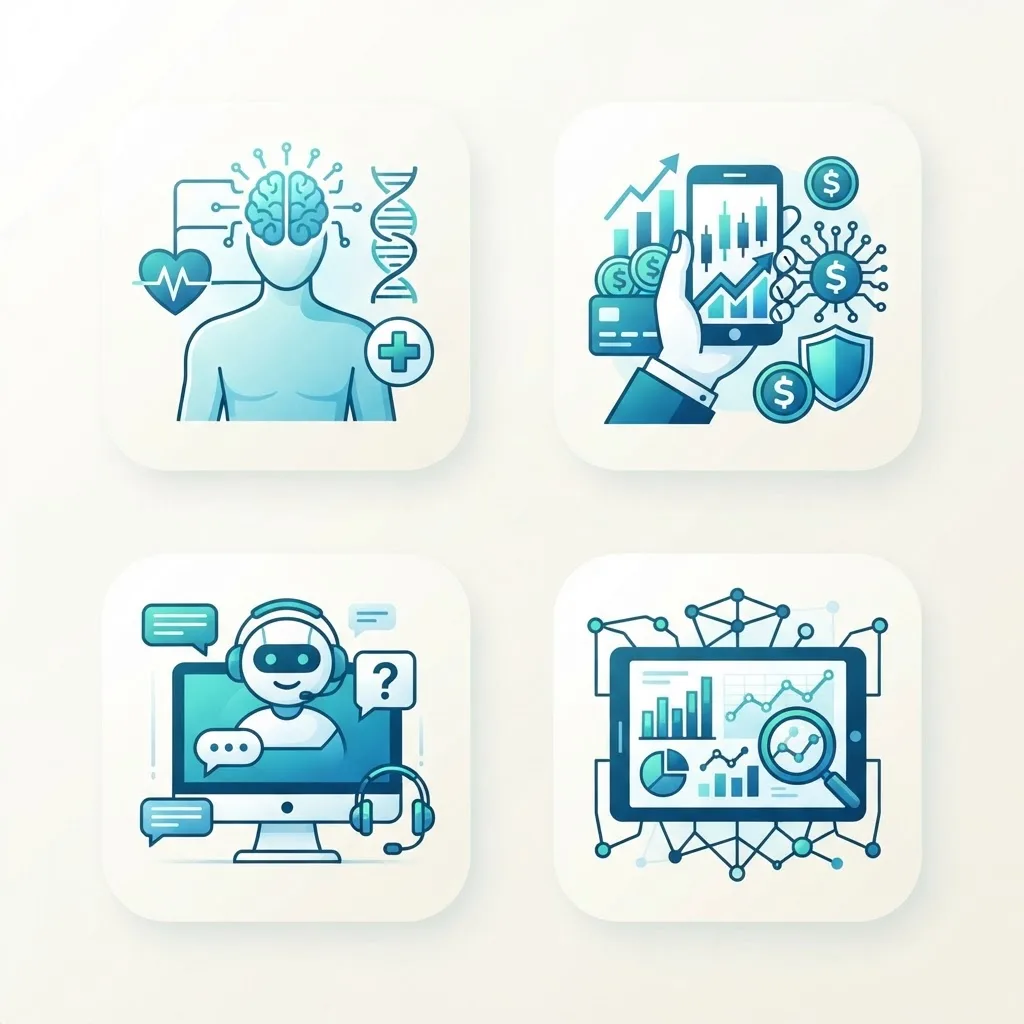
High-impact use cases include:
- Customer support automation: Chatbots resolve common questions instantly, reducing ticket volume.
- Content generation and editing: AI drafts, summarizes, and optimizes copy for humans to refine.
- Fraud and anomaly detection: Models flag unusual patterns in transactions faster than manual review.
- Marketing personalization: AI segments audiences and recommends products based on behavior.
- Predictive maintenance: Systems forecast equipment failures before they cause downtime.
The teams that succeed pick one use case, prove value, then expand. The teams that clog their operations try to automate everything at once. If your organization needs help doing this well, specialized artificial intelligence services can shorten the learning curve dramatically.
How to Implement AI Without Clogging Your Workflow
Implementing AI successfully is a disciplined process, not a single purchase. The goal is to make AI reduce work, not create new maintenance burdens.
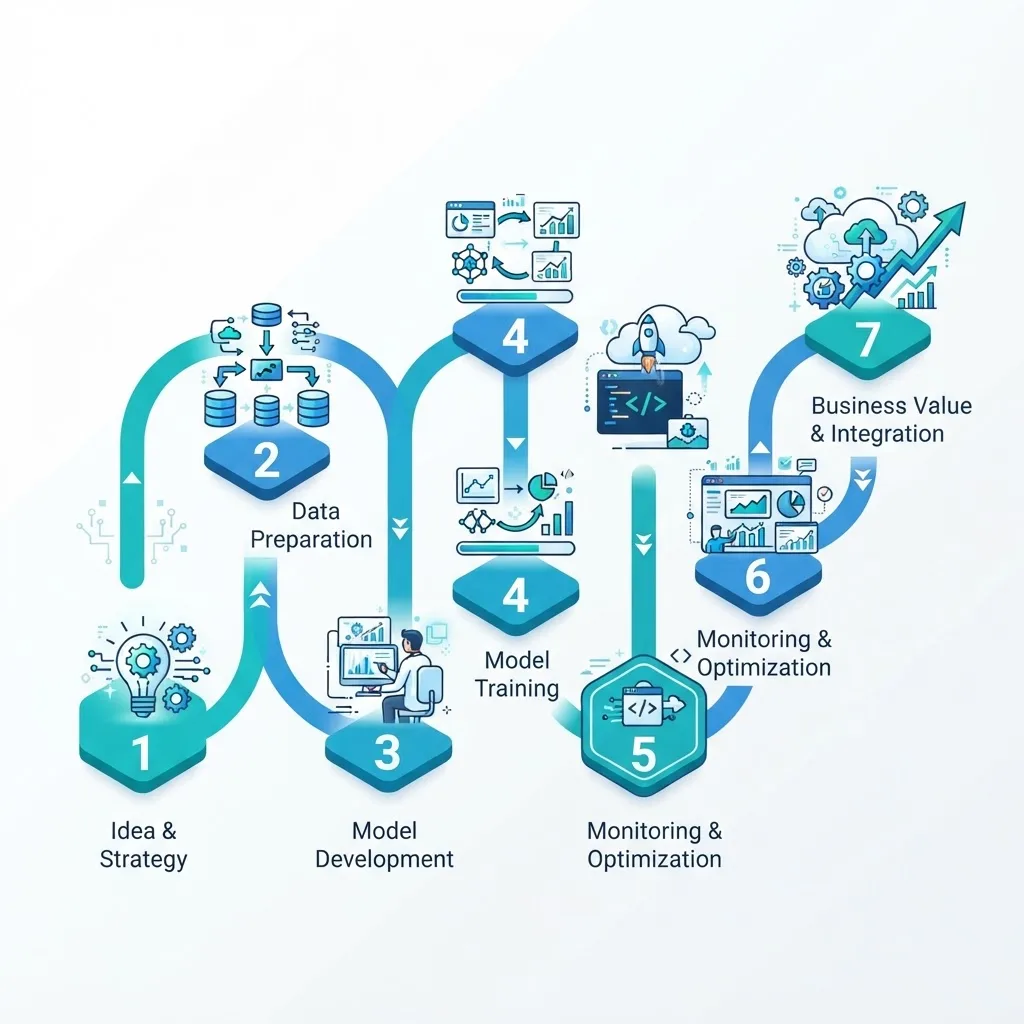
Follow these steps for a clean rollout:
- Define the problem with a specific, measurable outcome such as reducing response time by 40%.
- Audit your data to ensure it is accurate, relevant, and legally usable.
- Start with a pilot on one workflow before scaling company-wide.
- Keep humans in the loop to review AI outputs and catch errors early.
- Measure and iterate using clear KPIs, retiring anything that underperforms.
The single biggest cause of AI clogging is skipping the pilot stage. A controlled test reveals data problems, integration issues, and accuracy gaps before they spread across your entire operation. This is the difference between AI that helps and AI that hurts.
AI vs Traditional Automation: A Comparison
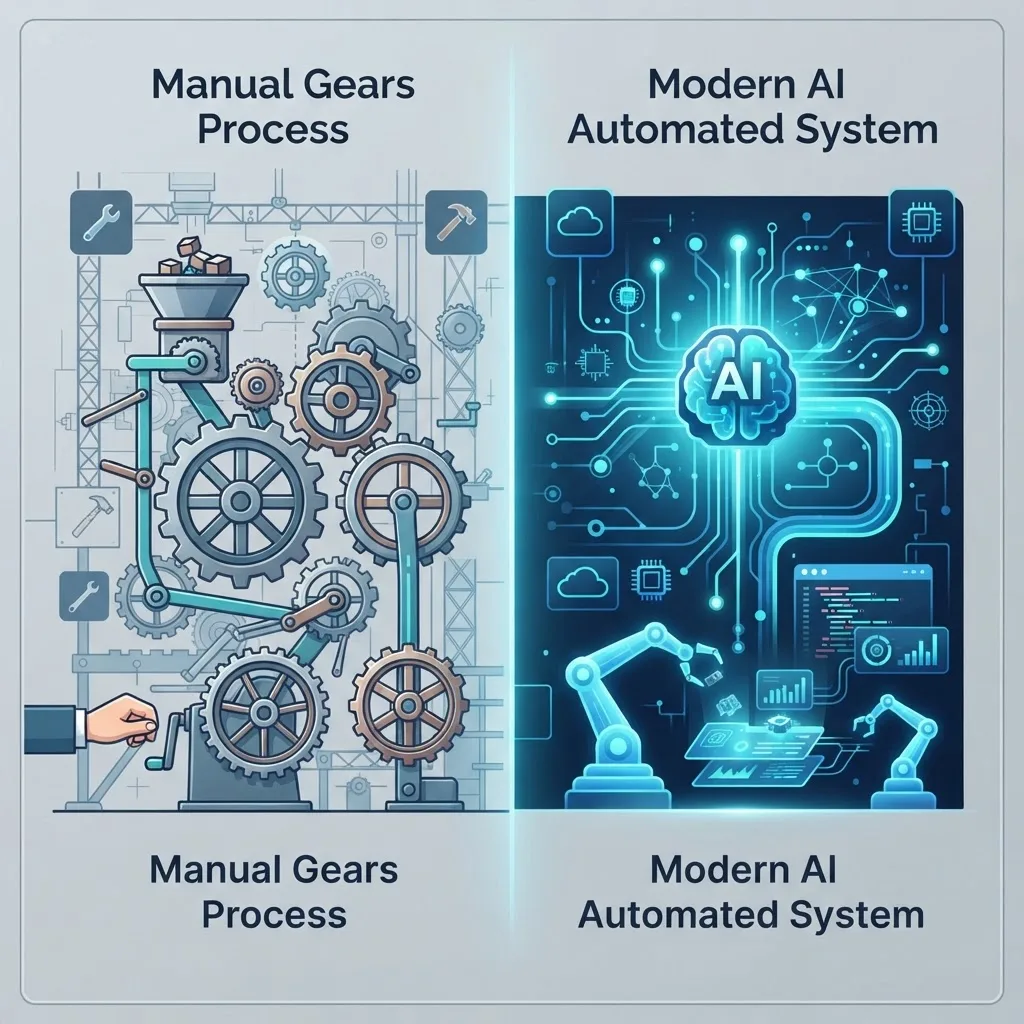
Many teams confuse AI with traditional rule-based automation. They serve different purposes, and choosing the wrong one is a common way to clog operations.
| Factor | Traditional Automation | Artificial Intelligence |
|---|---|---|
| How it decides | Fixed if-then rules | Learns patterns from data |
| Handles new situations | Poorly, needs manual updates | Adapts to unseen inputs |
| Best for | Repetitive, predictable tasks | Complex, variable tasks |
| Setup effort | Lower upfront | Higher upfront, scales better |
| Improves over time | No | Yes, with feedback |
The practical takeaway is simple: use traditional automation for stable, rule-based tasks and reserve AI for problems involving language, prediction, or variability. Forcing AI onto a simple rule-based task adds cost and latency, which is exactly how systems get clogged.
The Future of Artificial Intelligence
AI is shifting from standalone tools toward embedded intelligence woven directly into software, websites, and daily workflows. The next wave focuses on smaller, faster, and more specialized models that run efficiently without heavy infrastructure.

Three trends are worth watching closely. First, AI agents that complete multi-step tasks autonomously are moving from demos to production. Second, on-device AI is reducing latency and privacy concerns by processing data locally. Third, stronger governance and transparency requirements are emerging as regulators respond to AI's growth. Businesses that adopt AI responsibly now, with clean data and human oversight, will be positioned to benefit as these tools mature rather than scrambling to catch up.
Key Takeaways
- Clog Artificial Intelligence describes AI that slows workflows when poorly implemented; strategy and clean data prevent it.
- AI learns from data rather than following fixed rules, making data quality the top priority.
- The most reliable AI benefits are faster production, 24/7 support, and data-driven decisions.
- Google reports that 53% of mobile users abandon sites slower than three seconds, a gap AI optimization can close.
- Successful AI adoption starts with one measurable pilot, keeps humans in the loop, and scales only after proving value.
Frequently Asked Questions (FAQ)
What does clog artificial intelligence mean?
Clog artificial intelligence refers to AI that slows down or overloads workflows instead of improving them. This usually happens when AI is applied to the wrong tasks, fed poor data, or deployed without oversight. With clear goals and clean data, AI streamlines work rather than clogging it.
Is artificial intelligence hard to implement for small businesses?
No, AI is now accessible to small businesses through ready-made tools and services. The key is starting small with one specific problem, such as customer support or content drafting, then measuring results before expanding. A focused pilot prevents wasted budget and avoids clogging your existing systems.
Can AI replace human workers completely?
No, AI works best alongside humans rather than replacing them entirely. It handles repetitive, data-heavy tasks while people manage judgment, creativity, and oversight. Keeping humans in the loop catches errors, maintains quality, and ensures AI outputs align with real business goals and customer expectations.
How do I stop AI from slowing down my workflow?
To prevent AI from clogging your workflow, audit your data first, run a small pilot, and optimize inference speed. Apply AI only to tasks that genuinely need learning or prediction, and use traditional automation for simple rule-based work. Measure results and remove anything that underperforms.
What is the difference between AI and machine learning?
Artificial intelligence is the broad field of building smart systems, while machine learning is a specific method within AI where systems learn from data. In short, all machine learning is AI, but not all AI uses machine learning. Most modern AI tools rely heavily on machine learning.
How much data do I need to use AI effectively?
The amount depends on your use case, but quality matters more than quantity. Many modern tools and pre-trained models work well with modest, clean datasets. Poor or duplicated data causes more failures than small data volumes, so prioritize accuracy and relevance over sheer size.