
AI search has replaced the ten blue links with generated answers and citations. Here is exactly how SEO changed in 2026 and the practical steps businesses must take to stay visible.
How AI Search Is Changing SEO in 2026 and What Businesses Need to Do to Stay Visible
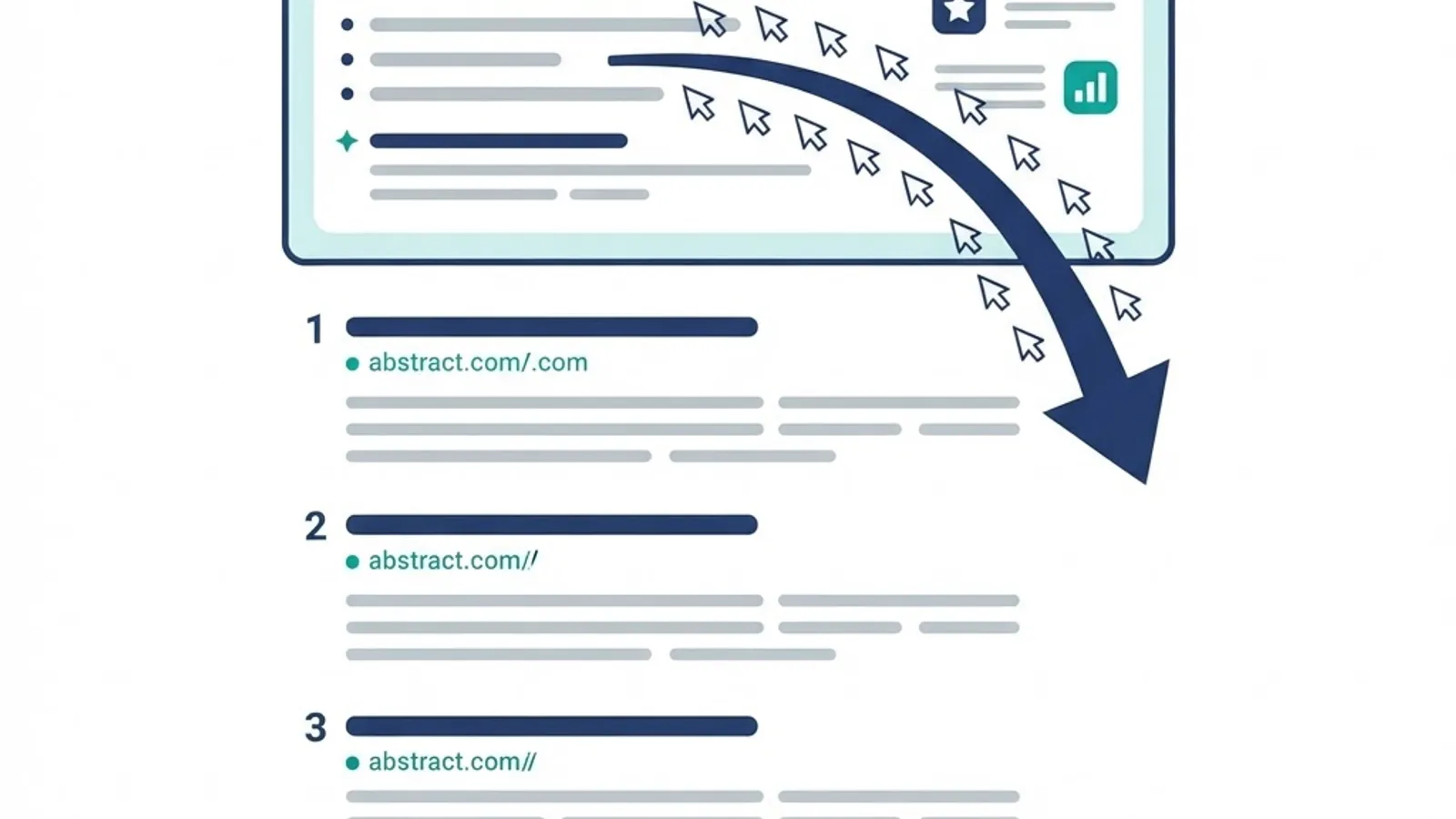
Search did not disappear in 2026. It changed shape. Instead of typing three words and scanning a list of links, people now ask full questions and receive a synthesised answer with a handful of citations attached. The click is no longer the default outcome of a search. That single shift has quietly rewritten the economics of organic traffic for every business that depends on being found.
We have spent the last two years auditing sites that lost traffic while keeping their rankings, and the pattern is remarkably consistent. Positions held. Impressions rose. Clicks fell. The problem was never the ranking. The problem was that the answer was delivered before the visitor ever reached the site. Understanding why that happens, and what to do about it, is now the core skill of modern SEO.

Quick Answer: AI search replaces ranked links with generated answers and citations, so visibility now depends on being quoted rather than clicked. Businesses stay visible by publishing clearly structured, factual, expert-authored content, strengthening entity and brand signals, adding schema markup, and tracking AI citations alongside rankings.
What AI Search Actually Means in 2026
AI search is any search experience where a language model reads multiple sources and generates a single composed answer, citing some of them. This includes Google AI Overviews and AI Mode, Bing Copilot, Perplexity, ChatGPT search, and Claude with web access. The defining characteristic is synthesis: the engine no longer hands you a shelf of documents, it hands you a paragraph it wrote from those documents.
This matters because two different systems now decide your fate. A retrieval system decides whether your page is a candidate. A generation system decides whether your page is worth quoting. Traditional SEO optimised for the first. Winning in 2026 means optimising for both.
Three Terms Every Marketing Team Should Know
- SEO (Search Engine Optimization): Optimising content and technical infrastructure so search engines can crawl, index, and rank a page in results.
- AEO (Answer Engine Optimization): Structuring content so an answer engine can extract a direct, self-contained answer from it and attribute that answer to you.
- GEO (Generative Engine Optimization): Making content easy for large language models to retrieve, understand, trust, and cite inside generated responses.
These are layers, not replacements. AEO and GEO both fail without the crawlable, fast, well-linked foundation that SEO has always provided.
The Data Behind the Shift
Two numbers explain most of what teams are seeing in their analytics.
First, Google has confirmed that AI Overviews now drive more than 200 million monthly queries in the United States alone as of its 2025 disclosures, with the feature rolled out across more than 100 countries. That is not an experiment. That is the primary interface for a large share of informational search.
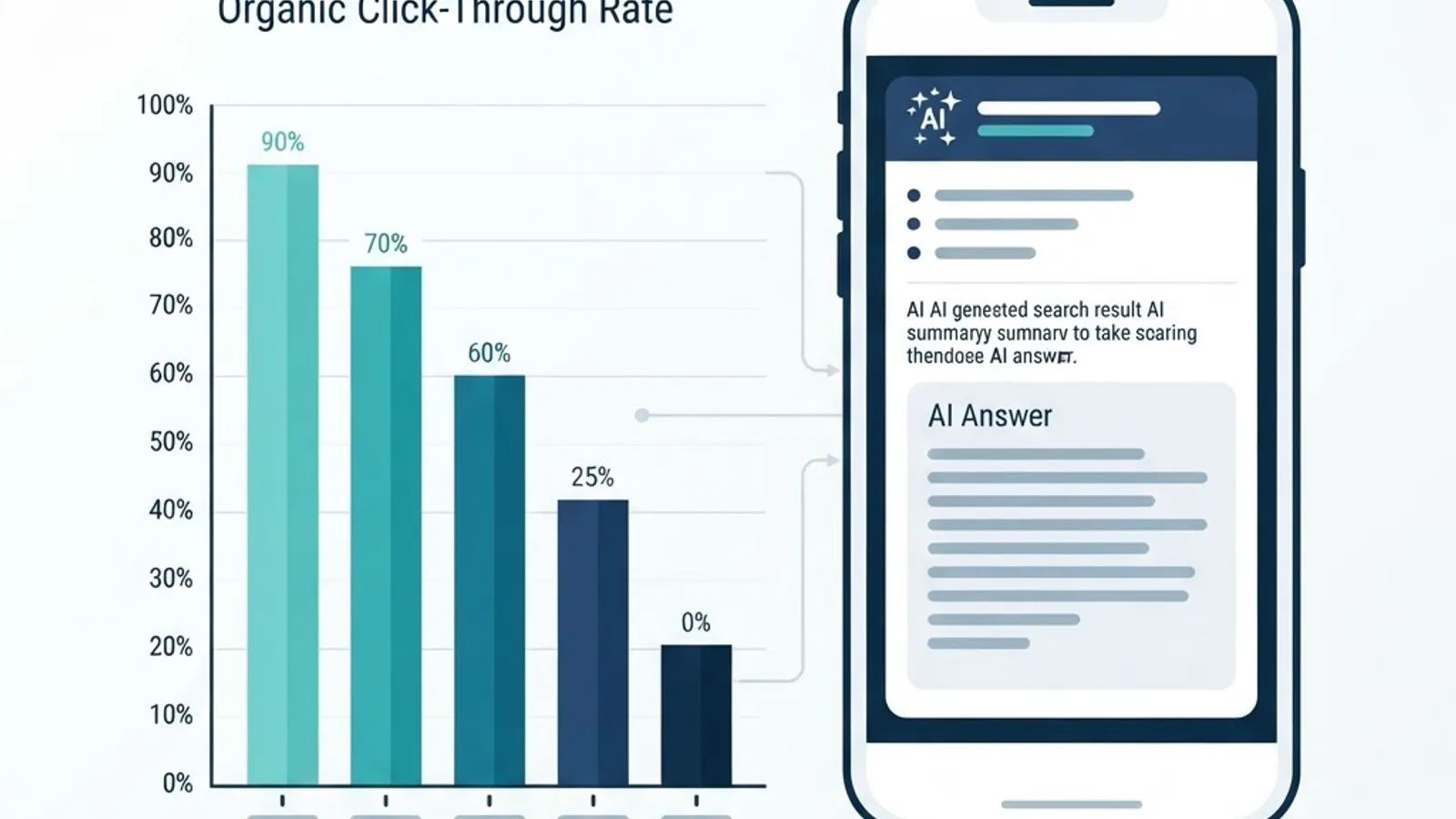
Second, according to Pew Research Center's 2025 analysis of real browsing behaviour, users who encountered an AI summary clicked a traditional search result in only 8% of visits, compared with 15% when no summary was present. Clicks were roughly halved on affected queries.
A third figure is worth internalising: Google has long reported that 53% of mobile visitors abandon a page that takes more than three seconds to load. Speed still matters, because retrieval systems crawl at scale and slow pages get sampled less thoroughly.
Put together, the message is blunt. Informational queries with obvious answers will leak clicks permanently. Commercial, comparative, and decision-stage queries still convert, and they are where budget should move.
Traditional SEO vs AI Search Optimization
| Factor | Traditional SEO (pre-2024) | AI Search Optimization (2026) |
|---|---|---|
| Primary goal | Rank in the top ten links | Be cited inside the generated answer |
| Success metric | Position and organic clicks | Citation share, brand mentions, assisted conversions |
| Ideal content shape | Long page targeting one keyword | Modular sections, each answering one question |
| Keyword approach | Exact-match phrases and density | Entities, topics, and natural conversational phrasing |
| Winning signal | Backlinks and on-page relevance | Verifiable expertise,原 first-hand data, consistent entity signals |
| Technical priority | Crawlability and Core Web Vitals | Crawlability plus schema, clean HTML, and AI crawler access |
| Typical query length | 2 to 4 words | 8 to 20 words, often a full question |
| Traffic pattern | High clicks on informational terms | Fewer but higher-intent clicks |
The right-hand column is not speculative. It reflects what we consistently observe when comparing pages that get cited against pages that merely rank.
Why Some Pages Get Cited and Others Get Ignored
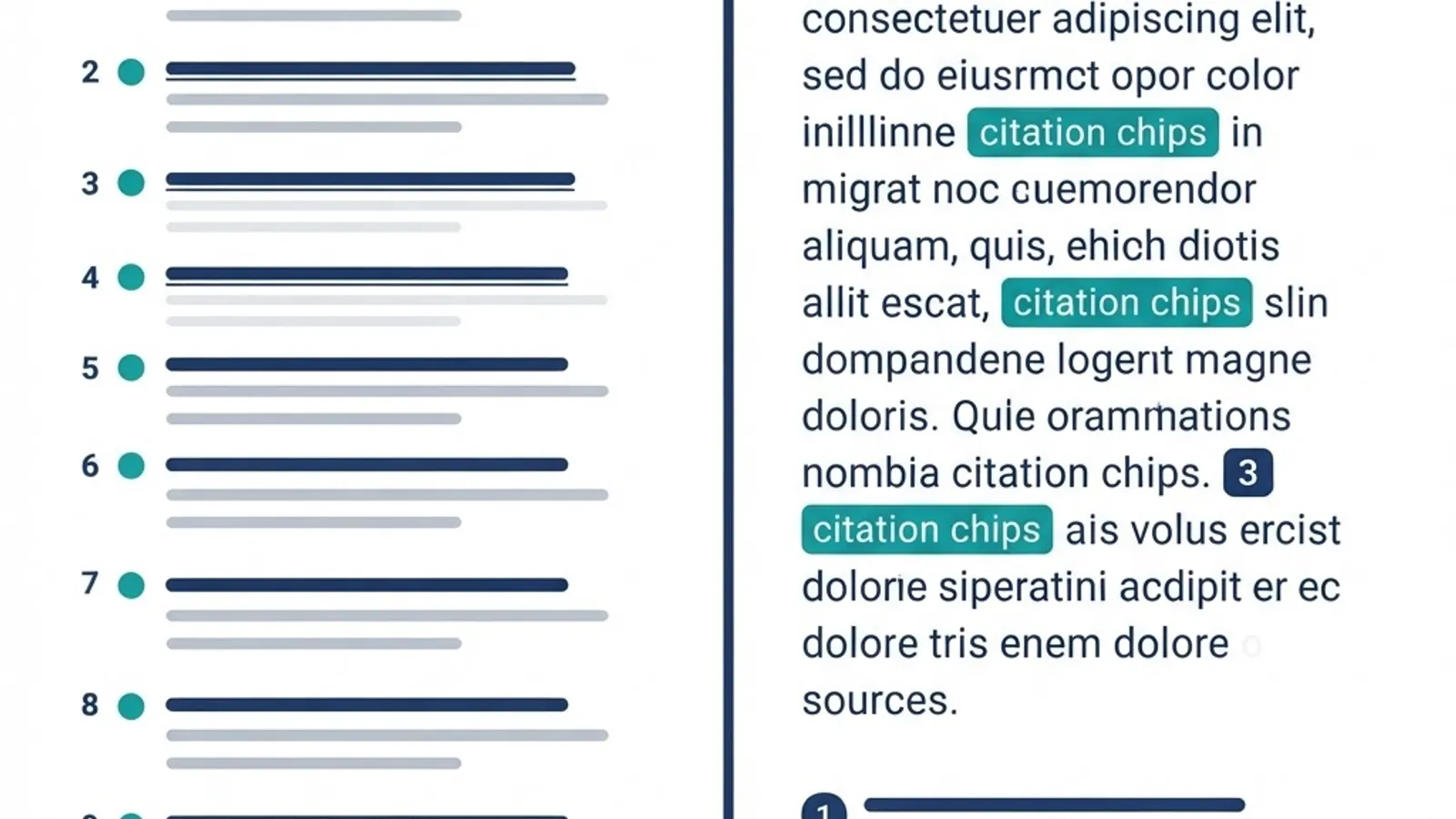
After reviewing hundreds of AI-generated answers across commercial niches, four properties separate cited pages from invisible ones.
They answer in the first two sentences. Language models extract self-contained passages. A section that opens with a direct claim, then supports it, is far easier to quote than one that builds slowly toward a conclusion.
They contain specifics a model cannot invent. Original numbers, named processes, dated observations, and concrete constraints give a generative engine something worth attributing. Generic advice is paraphrased without credit because any source could have said it.
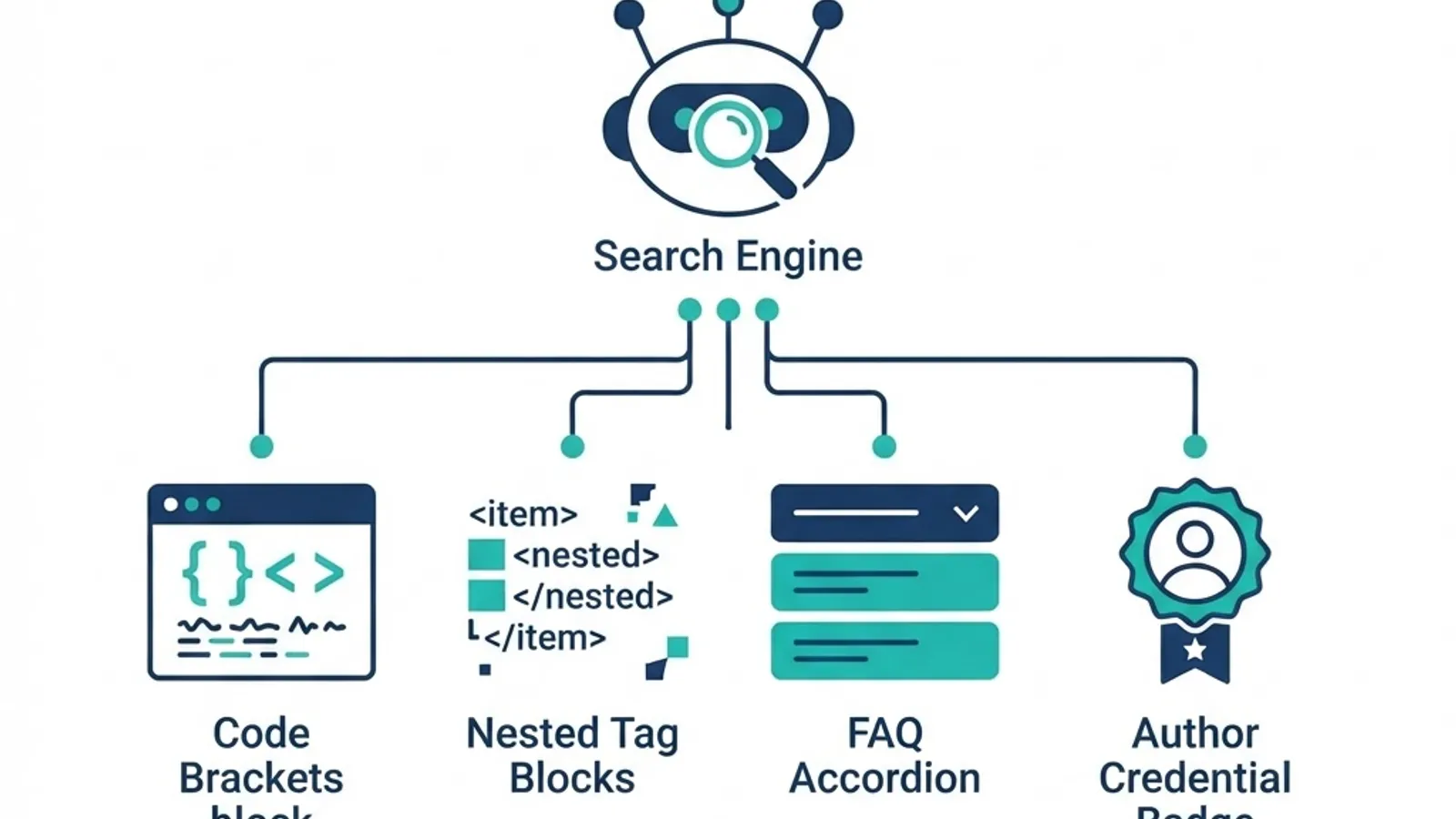
They are structurally clean. Real heading hierarchy, short paragraphs, tables, and lists create clear chunk boundaries. Content buried in JavaScript-rendered tabs, sliders, or accordions is frequently missed entirely.
They carry visible authorship. Named authors with stated credentials, publication dates, update dates, and cited sources map directly onto the trust signals both Google's systems and language models weight.
The Practical Playbook for Staying Visible
Here is the sequence we use when rebuilding a site's visibility for AI search. Work through it in order; the early steps compound.
- Segment your keywords by AI risk. Export your queries and label each one informational, comparative, or transactional. Assume informational click-through rate will fall further. Reallocate effort toward comparative and transactional intent, where AI answers still hand off to a website.
- Rewrite your top twenty pages into answerable blocks. Give every H2 and H3 a question or claim it fully resolves in 40 to 60 words before elaborating. This one change produces the fastest measurable lift in citations.
- Add original evidence. Publish internal benchmarks, pricing ranges, timelines, sample sizes, or case outcomes. Anything proprietary makes you the necessary source rather than an interchangeable one.
- Implement schema properly. Use Article, FAQPage, Product, Organization, and Person markup, and keep it consistent with the visible content. Structured data is the cheapest way to make meaning explicit.
- Strengthen your entity footprint. Ensure your organisation name, description, founders, services, and location are identical across your site, LinkedIn, Crunchbase, industry directories, and knowledge panels. Models resolve entities by cross-referencing repetition.
- Audit AI crawler access. Check your robots.txt and firewall rules for GPTBot, ClaudeBot, PerplexityBot, and Google-Extended. Decide deliberately whether to allow them. Blocking them removes you from those answer surfaces entirely.
- Pursue mentions, not just links. Being described favourably in listicles, forums, reviews, and industry publications feeds the training and retrieval data that generative engines draw from. Unlinked brand mentions now carry real weight.
- Measure citations directly. Each month, run your fifty most important questions through Google AI Mode, ChatGPT, Perplexity, and Gemini. Record whether you are mentioned, cited, or absent. That log is your new rank tracker.
The Technical Layer Businesses Keep Getting Wrong
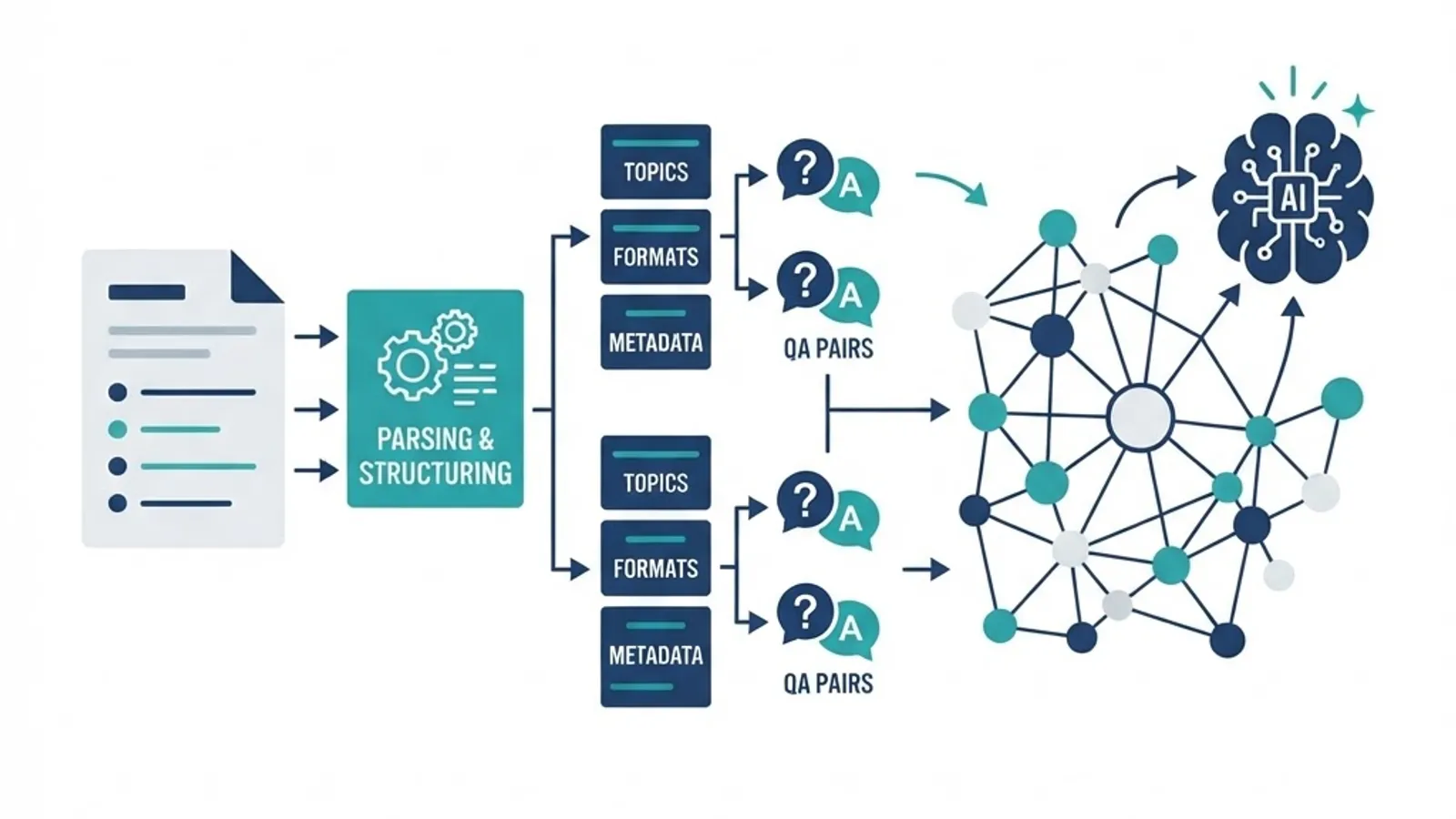
Most AI visibility failures we diagnose are technical, not editorial. Content exists, but machines cannot reliably read it.
Server-render anything that matters. If a crawler receives an empty shell and your text arrives only after client-side hydration, assume some retrieval systems will never see it. Keep critical copy in the initial HTML response.
Use semantic HTML honestly. One H1, descriptive H2s and H3s in real order, genuine table markup for tabular data, and lists for lists. Styled divs pretending to be headings destroy the structural cues that chunking depends on.
Keep pages fast and stable. Compress images to modern formats, lazy-load below-the-fold media, and hold layout shift low. The three-second abandonment threshold applies to humans, and crawl efficiency applies to machines.
Finally, maintain an accurate sitemap with truthful lastmod values, and update genuinely stale pages rather than cosmetically touching dates. Freshness signals only work when they are real.
If your current site cannot support server-rendered content, clean markup, and fast delivery, the fix is architectural rather than editorial. A modern, well-structured build is the foundation everything else sits on, which is why teams often pair a content overhaul with a technical rebuild through ZoneTechify's web development services.
What This Means for Your Reporting
Stop reporting organic sessions as your headline SEO metric. It now understates performance on the queries that matter and overstates decline on queries that were never going to convert.
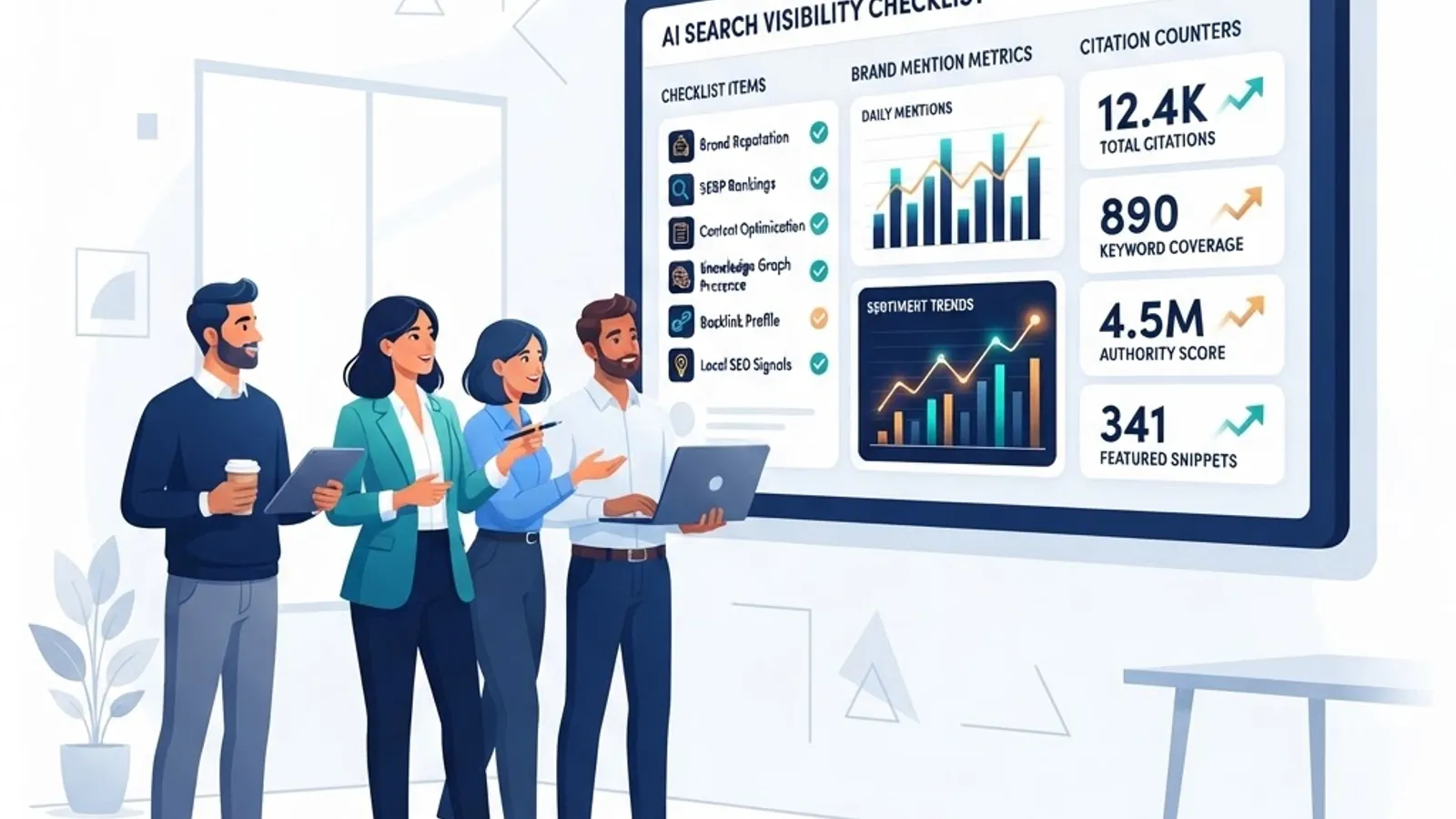
Replace it with a three-part dashboard:
- Visibility: citation and mention rate across the major AI engines for your priority questions.
- Quality of traffic: conversion rate and revenue per organic session, which typically rises as low-intent clicks disappear.
- Authority: branded search volume and direct traffic, both of which grow when AI answers repeatedly name you even without a click.
We have seen sites lose 30% of organic sessions while increasing organic revenue, purely because the visitors who still arrive have already been pre-qualified by an AI answer. Judging that outcome by session count alone would have triggered exactly the wrong strategic response.
Teams that want this operationalised, including AI-assisted content pipelines and citation monitoring, can explore the approach documented at WebPeak and the wider digital growth work at ZoneTechify.
Key Takeaways
- Google AI Overviews surpassed 200 million monthly US queries and are live in over 100 countries, making generated answers a mainstream search interface.
- Pew Research found users clicked a traditional result on just 8% of visits with an AI summary present, versus 15% without one.
- Visibility in 2026 means being cited inside answers, not only ranked beneath them.
- Pages that get cited answer directly in their first two sentences, contain original data, use clean semantic structure, and show named expert authorship.
- Schema markup, consistent entity signals across the web, and deliberate AI crawler access decisions are now baseline technical requirements.
- Informational click-through rate will keep falling; comparative and transactional queries remain the reliable conversion path.
- Report citation share, revenue per session, and branded search growth rather than raw organic sessions.
Frequently Asked Questions (FAQ)
Is SEO dead because of AI search?
No. SEO is the retrieval layer AI search depends on. Generative engines pull from indexed, crawlable pages, so crawlability, site speed, internal linking, and topical authority still decide whether you are even a candidate. What changed is the goal: earning a citation inside the answer now matters as much as ranking.
How do I get my website cited in ChatGPT and Google AI Overviews?
Write self-contained answers of 40 to 60 words directly under clear question-style headings, include original data or specifics a model cannot invent, add Article and FAQPage schema, publish under a named author with credentials, and allow AI crawlers in robots.txt. Then track citations monthly to see what actually earns attribution.
Why did my traffic drop even though my rankings stayed the same?
Because an AI summary answered the query above your listing, so the click never happened. Impressions hold, position holds, clicks fall. This mostly hits informational queries with simple answers. Check whether affected queries trigger AI Overviews, and shift effort toward comparative and transactional terms that still require a visit.
Should I block AI crawlers like GPTBot and PerplexityBot?
Only if you are certain your content's value depends on exclusivity. Blocking them removes you from those answer surfaces completely, including the citations that drive branded search and direct traffic. Most businesses gain more from being quoted and named than they lose from being summarised. Decide deliberately, not by default.
What is the difference between AEO and GEO?
AEO focuses on making a single extractable answer, formatted so an engine can lift it cleanly and attribute it to you. GEO is broader: it makes your whole brand and content retrievable, trustworthy, and citable by language models through entity consistency, original evidence, and third-party mentions. Most strategies need both.
How long does it take to see results from AI search optimization?
Structural rewrites and schema fixes often show citation changes within four to eight weeks, since AI engines re-retrieve frequently. Entity and authority signals such as consistent listings and third-party mentions take three to six months to compound. Track monthly, because AI answers fluctuate more than traditional rankings do.
Final Word
The businesses that will stay visible through 2026 are not the ones chasing every new acronym. They are the ones publishing genuinely useful, verifiably expert content in a format machines can read and humans can trust. AI search rewards clarity, specificity, and credibility more ruthlessly than the old ten blue links ever did. That is uncomfortable if your content was thin, and a significant advantage if it was not.