A practical, experience-based comparison of Python and JavaScript for absolute beginners in 2026, covering syntax, job demand, salaries, learning curve, and how to pick your first language with confidence.
Python vs JavaScript for Beginners 2026
Choosing your first programming language is the single decision that most often stalls new developers. After mentoring hundreds of career-switchers and junior developers through their first six months of code, the pattern is consistent: the people who succeed are not the ones who picked the "best" language, they are the ones who picked a language that matched what they actually wanted to build and then stopped second-guessing it. In 2026, that choice almost always comes down to Python or JavaScript.
This guide compares both languages honestly, using current data, real hiring signals, and the specific friction points beginners hit in week one, week four, and month six.
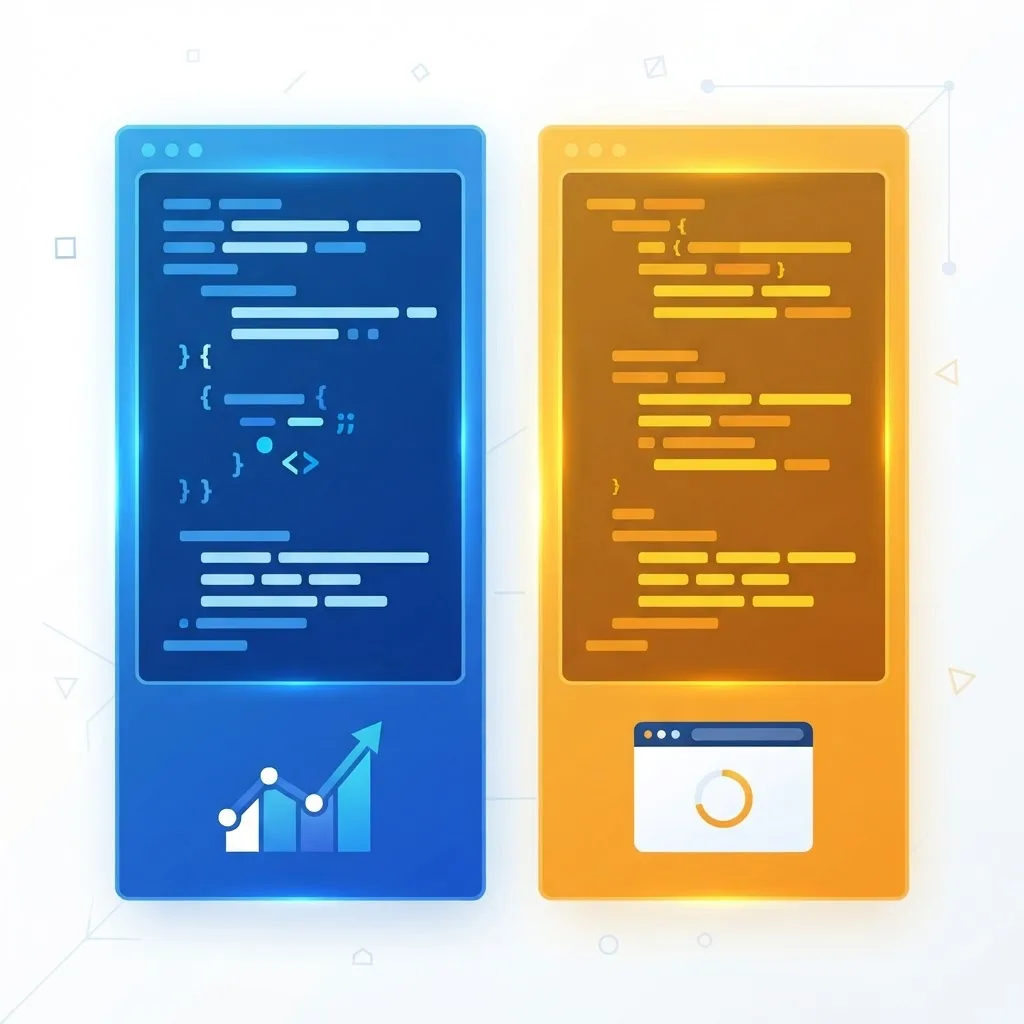
Quick Answer: Pick Python if you want data analysis, AI, or automation work, because its readable syntax gets beginners to working code fastest. Pick JavaScript if you want to build websites, web apps, or freelance sooner, since it runs natively in every browser and needs no setup. Both are excellent 2026 starting points.
What Are Python and JavaScript, Exactly?
Python is a general-purpose, interpreted programming language designed around readability. It uses indentation instead of curly braces to define code blocks, which forces beginners to write visually clean code from day one. It runs on a server or your local machine, not in a browser.
JavaScript is the only programming language that runs natively inside every web browser. It is also interpreted, and since the rise of Node.js it runs on servers too, meaning one language can power an entire application from the button a user clicks to the database query behind it.
That single distinction, browser-native versus machine-native, explains almost every other difference between them.
The 2026 Data: Which Language Is Actually Winning?
Both are winning, in different arenas, and the numbers make the split obvious.
According to the Stack Overflow Developer Survey, JavaScript has been the most commonly used programming language among professional developers for over a decade straight, used by roughly 62% of respondents. That reflects the reality that nearly every product with a screen needs a front end.
Meanwhile, the TIOBE Index has ranked Python as the number one programming language overall since 2021, and its share has grown faster than any other language in the index, driven almost entirely by AI, data science, and automation demand. GitHub's Octoverse report also found Python overtook JavaScript as the most-used language on GitHub in 2024, largely due to the explosion in machine learning repositories.
The honest reading of that data: JavaScript dominates employed developer headcount, Python dominates growth and new project creation. Neither is a dead end.
Syntax and Learning Curve: Where Beginners Struggle
Python's syntax removes noise. A beginner writing their first loop in Python types four words and an indent. The same loop in JavaScript requires parentheses, curly braces, and a semicolon, and a single misplaced brace produces an error message that means nothing to a first-week learner.
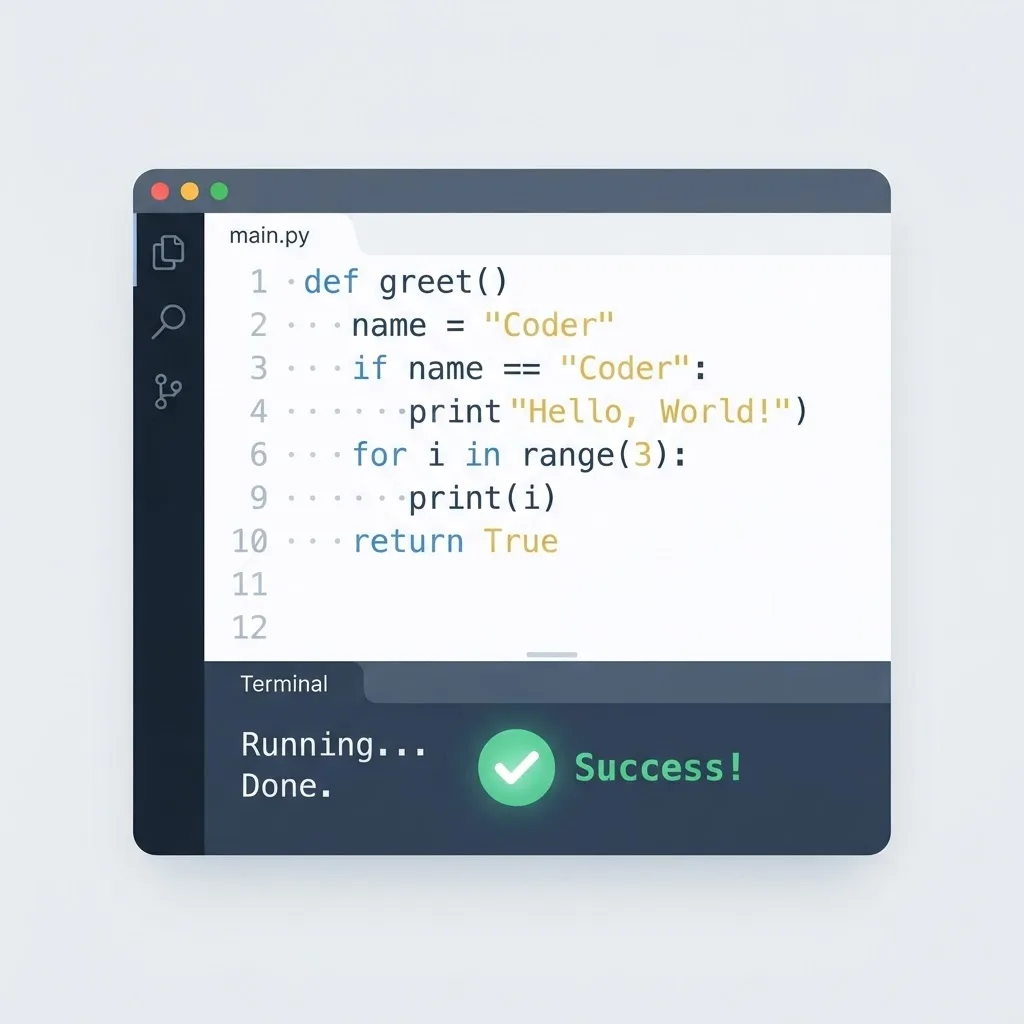
In practice, the first two weeks are noticeably easier in Python. Learners hit working output faster, which matters enormously for motivation.
But the curve inverts around month two. Python beginners eventually hit virtual environments, package managers, and version conflicts, an environment-setup wall that frustrates people who just wanted to write code. JavaScript beginners skip that entirely at first: open a browser, open the console, type code, see it run. No installation at all.
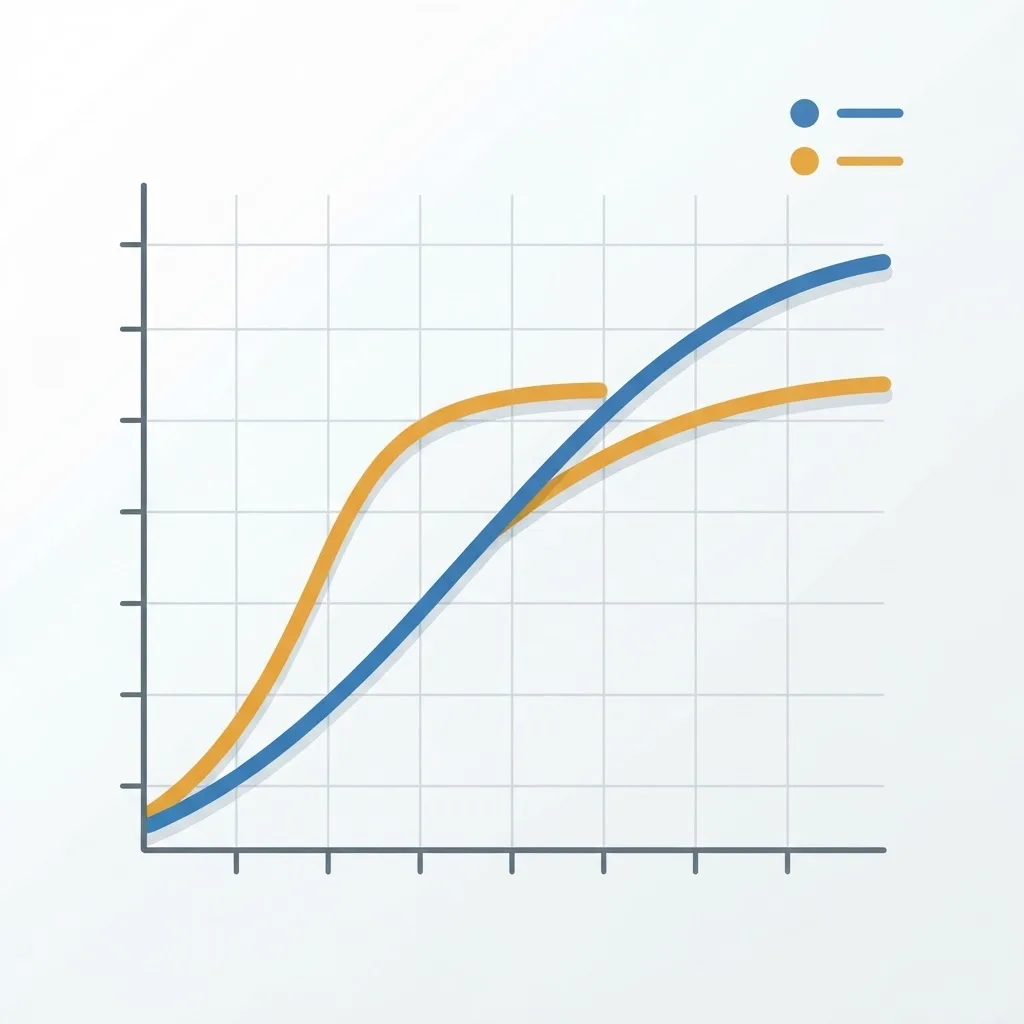
JavaScript's harder concepts arrive later instead: asynchronous code, promises, the event loop, and the sheer number of competing frameworks. Async programming is genuinely the steepest conceptual hill either language asks a beginner to climb.
The Practical Verdict on Difficulty
- Easier first week: Python, clearly.
- Easier first project you can show someone: JavaScript, because it runs in a browser and looks like a real product.
- Easier month three: JavaScript, if you stick to plain JavaScript and avoid frameworks too early.
- Fewer confusing error messages overall: Python.
Side-by-Side Comparison Table
| Factor | Python | JavaScript |
|---|---|---|
| Setup required to start | Install interpreter | None, runs in browser |
| Syntax readability for beginners | Very high | Moderate |
| Runs in the browser | No | Yes |
| Runs on servers | Yes | Yes, via Node.js |
| Primary strength | AI, data, automation, scripting | Websites, web apps, interfaces |
| Mobile app capability | Limited | Yes, via React Native |
| Time to first visible result | Fast, text output | Fast, visual output |
| Hardest beginner concept | Environments and packaging | Asynchronous code |
| Freelance-ready sooner | No | Yes |
| Best for AI and machine learning | Yes | No |
What You Can Build With Python as a Beginner
Python's value is that it turns tedious work into scripts. Within a month, a beginner can realistically build a script that renames a thousand files, scrapes prices from a website into a spreadsheet, cleans a messy dataset, or sends automated report emails.
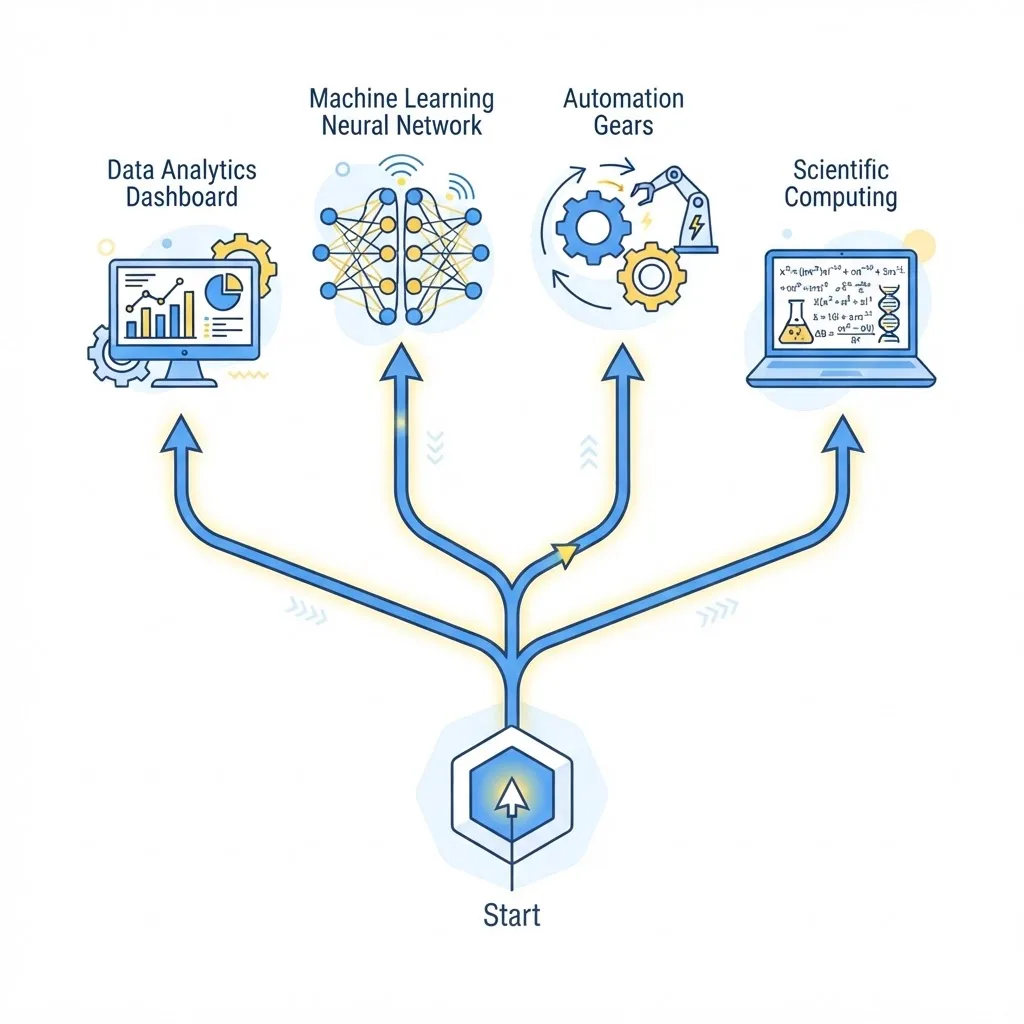
Beyond that, Python is the default language of applied AI. Every major machine learning library, from PyTorch to scikit-learn, is Python-first. If your goal involves models, data pipelines, or intelligent features, Python is not just an option, it is the industry standard. Teams building production AI systems, including the engineering work behind WebPeak's AI services, are overwhelmingly Python-based on the model side.
Where Python disappoints beginners: you cannot build a website front end with it. You will need HTML, CSS, and eventually some JavaScript anyway.
What You Can Build With JavaScript as a Beginner
JavaScript produces things people can click. That psychological difference is underrated. A beginner's third JavaScript project can be a live, shareable page with a working form, and that is what gets you hired or freelance clients early.
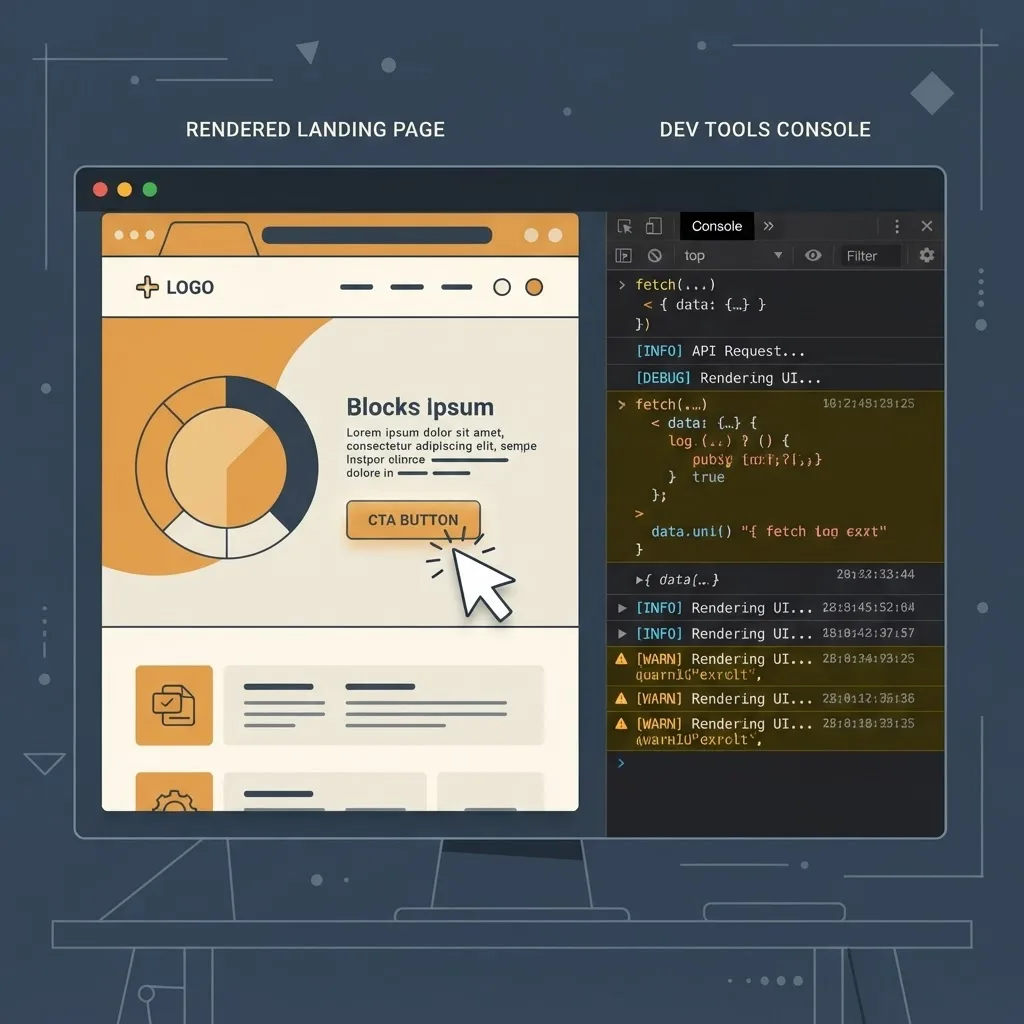
Within six months, a focused JavaScript learner can build interactive interfaces, connect to APIs, handle user authentication, and deploy a full-stack app. The same language then extends to mobile apps through React Native and desktop apps through Electron.
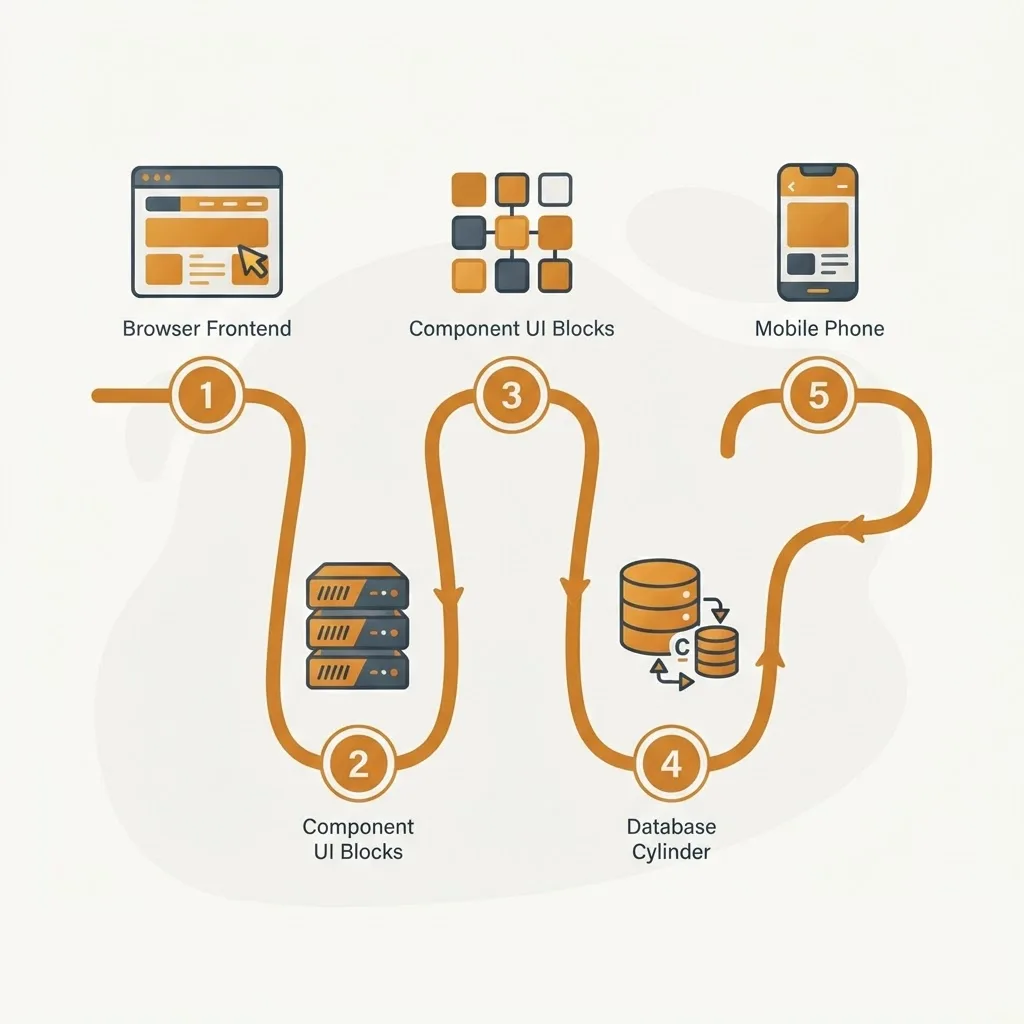
This is why agencies delivering client sites lean heavily on the JavaScript ecosystem, and why teams offering web development services treat JavaScript fluency as non-negotiable for junior hires.
Where JavaScript disappoints beginners: ecosystem fatigue. The pressure to learn a framework before you understand the language is the number one reason JavaScript learners quit.
Career and Salary Reality in 2026
Job volume favours JavaScript. There are simply more open roles that require front-end skills than roles that require data science skills, and JavaScript roles have a lower experience bar for entry.
Salary ceilings favour Python. Machine learning and data engineering roles consistently report higher median compensation than general front-end roles in developer salary surveys, because the supply of qualified candidates is smaller.
The strategic read for 2026: JavaScript gets you employed faster, Python gets you into the higher-paying specialisations later. Many senior engineers end up using both, and the transition after your first language takes weeks, not years.
How to Choose in Under Five Minutes
Stop comparing features and answer one question: what do you want to have built ninety days from now?

- A website, portfolio, or app people can visit. Choose JavaScript.
- A tool that automates a boring part of your current job. Choose Python.
- Anything involving AI, models, or data analysis. Choose Python.
- A freelance income stream as fast as possible. Choose JavaScript.
- A career change into data or research. Choose Python.
- Genuinely unsure. Choose JavaScript, because you will need it eventually regardless.
The teams at ZoneTechify and WebPeak hire from both talent pools, and the consistent differentiator in junior candidates is not language choice, it is whether they finished and deployed real projects.
The Mistake That Wastes Beginners' First Year
Switching languages every six weeks. Tutorial-hopping between Python and JavaScript feels productive because each new start is easy, but it means you never reach the difficult middle where actual skill forms.
Commit to one language for a minimum of ninety days and build three finished projects, no matter how small. Programming fundamentals such as loops, functions, data structures, and debugging transfer almost completely between Python and JavaScript. The second language you learn typically takes 20% of the effort the first one did, which is exactly why the first choice matters far less than beginners fear.
Key Takeaways
- JavaScript is used by roughly 62% of professional developers according to Stack Overflow's survey, making it the highest-volume job market.
- Python has ranked first on the TIOBE Index since 2021 and became the most-used language on GitHub in 2024, driven by AI growth.
- Python is easier for the first two weeks; JavaScript needs zero setup and gives visual results immediately.
- Python is mandatory for AI, machine learning, and data work. JavaScript is mandatory for anything with a browser interface.
- Async programming is JavaScript's hardest beginner concept; environment and package management is Python's.
- Your second language takes roughly 20% of the effort of your first, so consistency beats the perfect choice.
Frequently Asked Questions (FAQ)
Which is easier to learn first, Python or JavaScript?
Python is easier in the first few weeks because its syntax is closer to plain English and uses indentation instead of braces. JavaScript catches up quickly since it requires no installation and runs directly in your browser, giving faster visual feedback on real projects.
Can I get a job in 2026 knowing only JavaScript?
Yes. JavaScript alone, paired with HTML, CSS, and one framework, is enough for junior front-end and full-stack roles. Employers care more about deployed projects, clean code, and your ability to debug independently than about how many languages appear on your resume.
Should I learn Python if I want to work with AI?
Yes, Python is essentially required. Every major machine learning framework, including PyTorch, TensorFlow, and scikit-learn, is Python-first. Learning Python gives direct access to the libraries, tutorials, research code, and job listings that dominate the applied artificial intelligence industry today.
Is JavaScript or Python better for freelancing as a beginner?
JavaScript is better for early freelancing. Small businesses constantly need websites, landing pages, and interface fixes, which are ideal starter gigs. Python freelance work usually involves automation or data projects that clients trust only after you have demonstrated professional experience.
How long does it take to learn Python or JavaScript?
Expect three to six months of consistent daily practice to become job-ready in either language. Basic syntax takes two to four weeks. The remaining time goes into building real projects, debugging, version control, and understanding how applications connect to databases and APIs.
Can I learn both Python and JavaScript at the same time?
Avoid it as a complete beginner. Learning two syntaxes simultaneously slows both and increases confusion. Pick one, build three finished projects over ninety days, then add the second language, which will feel dramatically easier because the core logic already transfers.