
A practical, field-tested guide to making your website citable inside ChatGPT, Gemini, and Perplexity AI. Learn the crawler access, content structure, schema, and measurement steps that actually earn AI citations.
How to Optimize Your Website for AI Search Engines, ChatGPT, Gemini, and Perplexity AI
Most websites were built to win a ranked list of ten blue links. AI search engines do not show a ranked list. They read the web, synthesize an answer, and cite three to eight sources. If your page is not one of those citations, you are invisible even when you rank #1 in classic search. Over the past two years, working on client sites at ZoneTechify, we have watched this shift move from a curiosity to a measurable traffic channel — and the sites that win are not always the biggest ones. They are the ones structured so a language model can extract a clean, attributable answer.
This guide is the operational checklist we actually use: crawler access, content architecture, schema, entity clarity, and measurement. No theory without a next step.
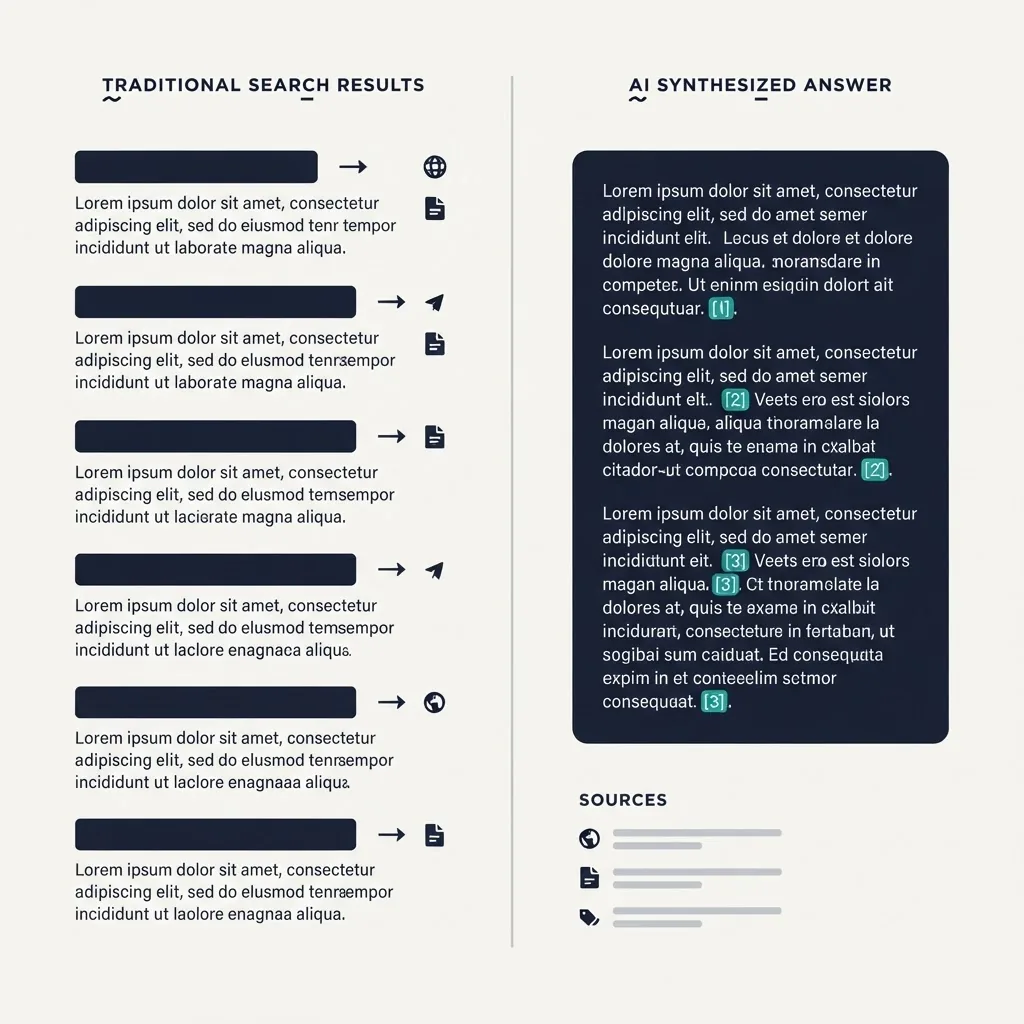
Quick Answer: To optimize for AI search engines, allow AI crawlers in robots.txt, answer each question in a 40 to 60 word paragraph directly under a descriptive heading, add Article, FAQPage, and Organization schema, keep facts specific and dated, strengthen off-site brand mentions, and track referral traffic from ChatGPT, Gemini, and Perplexity separately.
What Are AI Search Engines and Why Do They Behave Differently?
AI search engine (answer engine): a system that retrieves web documents, then uses a large language model to generate one synthesized answer with inline citations, instead of returning a ranked list of links.
The behavioral difference matters more than the technical one. A classic search user scans ten results and clicks two or three. An AI search user reads one answer and clicks a citation only when they want proof or depth. According to Google's own published research on mobile behavior, 53% of mobile visits are abandoned if a page takes longer than three seconds to load — and that impatience is amplified in AI interfaces, where the answer already appeared before any click happened. Pew Research Center's 2025 analysis of browsing behavior found users clicked a traditional result on 8% of visits to pages with an AI summary, versus 15% on pages without one, confirming that AI answers absorb clicks.
The strategic conclusion: your goal is no longer only ranking. It is being the source the model quotes, and giving the reader a reason to click through anyway.

How ChatGPT, Gemini, and Perplexity AI Actually Find Your Content
Each engine sources content differently, so a single optimization tactic does not cover all three.
| Engine | How it finds pages | Primary crawler or index | What it rewards most |
|---|---|---|---|
| ChatGPT Search | Live web retrieval plus its own crawl index | OAI-SearchBot, GPTBot | Clear direct answers, clean HTML, recognized brand entity |
| Google Gemini / AI Mode | Google's existing search index | Googlebot, Google-Extended | Traditional SEO strength, structured data, topical depth |
| Perplexity AI | Live retrieval with heavy citation weighting | PerplexityBot | Freshness, specific facts, sources that state data plainly |
| Copilot | Bing index plus live retrieval | Bingbot | Bing indexation and page authority |
| Claude | Live retrieval when browsing is used | ClaudeBot | Well-structured, unambiguous prose |
The practical takeaway: Gemini rewards you for good classic SEO, Perplexity rewards you for freshness and hard facts, and ChatGPT rewards you for clarity and brand recognition. Optimizing for all three means doing all three, not choosing.
Step 1: Make Sure AI Crawlers Can Actually Reach You
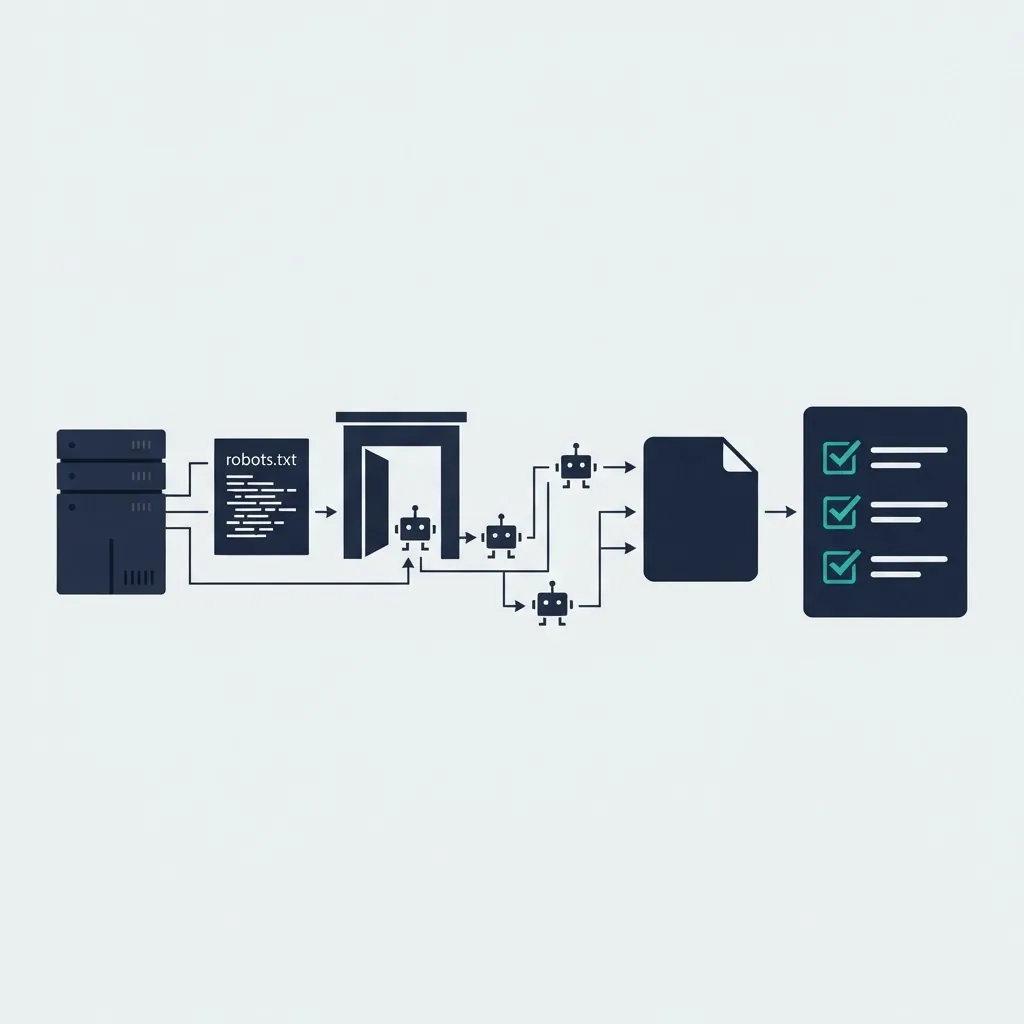
This is the single most common failure we find in audits, and it is usually accidental. Many security plugins, CDN bot rules, and copy-pasted robots.txt files block AI user agents by default. You cannot be cited from a page a crawler never fetched.
Do these four checks in order:
- Audit robots.txt. Explicitly allow the agents you want: GPTBot, OAI-SearchBot, PerplexityBot, ClaudeBot, and Google-Extended. Note that blocking GPTBot blocks training, while blocking OAI-SearchBot blocks live ChatGPT search visibility — they are separate decisions.
- Check your CDN or WAF bot rules. Cloudflare, AWS WAF, and similar services often have an aggressive "block AI bots" toggle enabled independently of robots.txt.
- Verify server-side rendering. Most AI crawlers execute little or no JavaScript. If your main content only appears after client-side hydration, the crawler sees an empty shell. Test by disabling JavaScript and reloading the page — whatever remains is roughly what the model sees.
- Confirm your XML sitemap includes lastmod dates. Freshness signals disproportionately influence Perplexity's citation choices.
Step 2: Structure Content So a Model Can Extract It
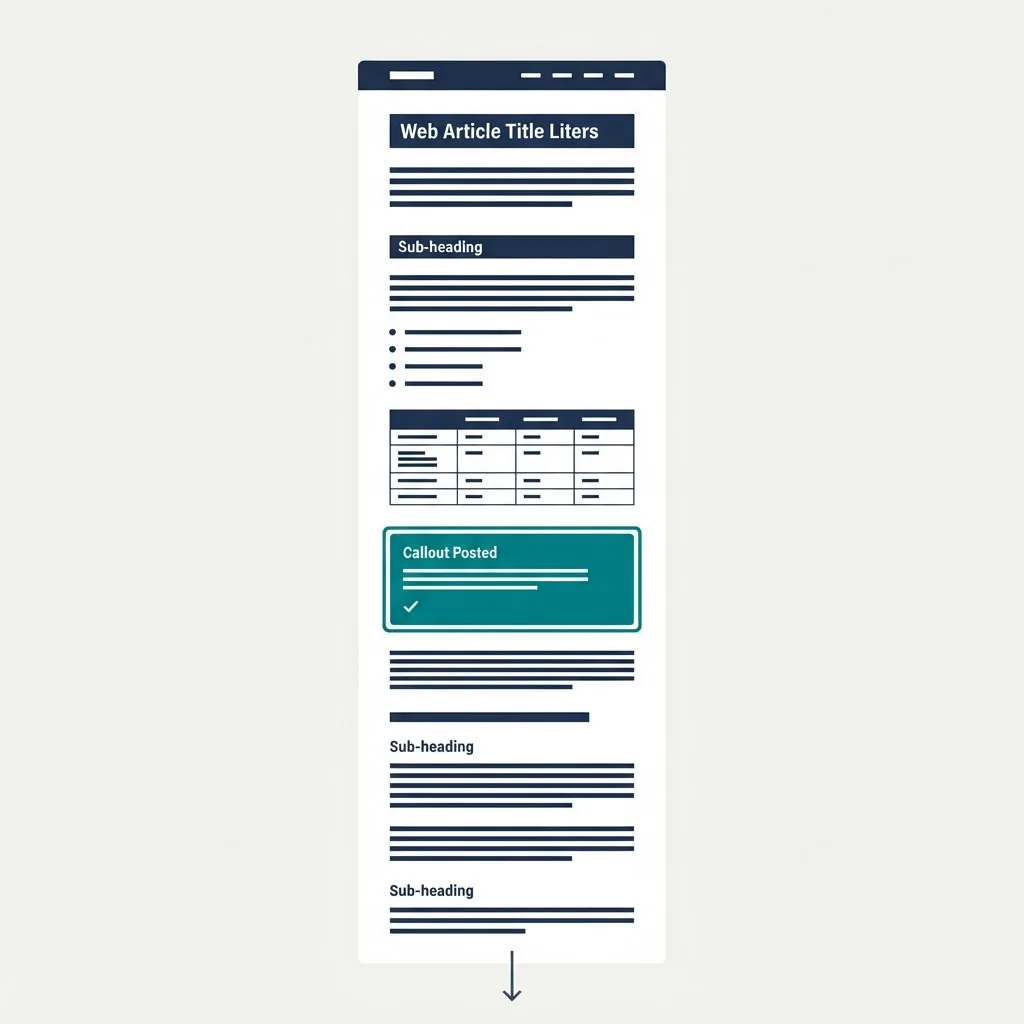
Language models do not read your page the way a human skims it. They chunk it. Retrieval systems split documents into passages, embed each passage, and match the user's question to individual chunks. That means your page is not competing as a whole document — each section competes independently.
This single insight changes how you write:
- Put the answer first, context second. Under every H2 and H3, the first 40 to 60 words should completely answer the question in that heading. Everything after is supporting depth.
- Write headings as real questions or precise claims. "How Much Does Schema Markup Improve AI Citations?" outperforms "Schema Considerations" because it matches how questions are phrased.
- Keep each section self-contained. Avoid "as mentioned above." A chunk that depends on earlier context loses meaning when retrieved alone.
- Use tables and numbered lists for comparisons and processes. These survive chunking cleanly and are quoted almost verbatim.
- Define your terms explicitly. A sentence in the form "X is a Y that does Z" is the highest-value sentence pattern for AI extraction.
Step 3: Add Schema Markup That Describes Entities, Not Just Pages
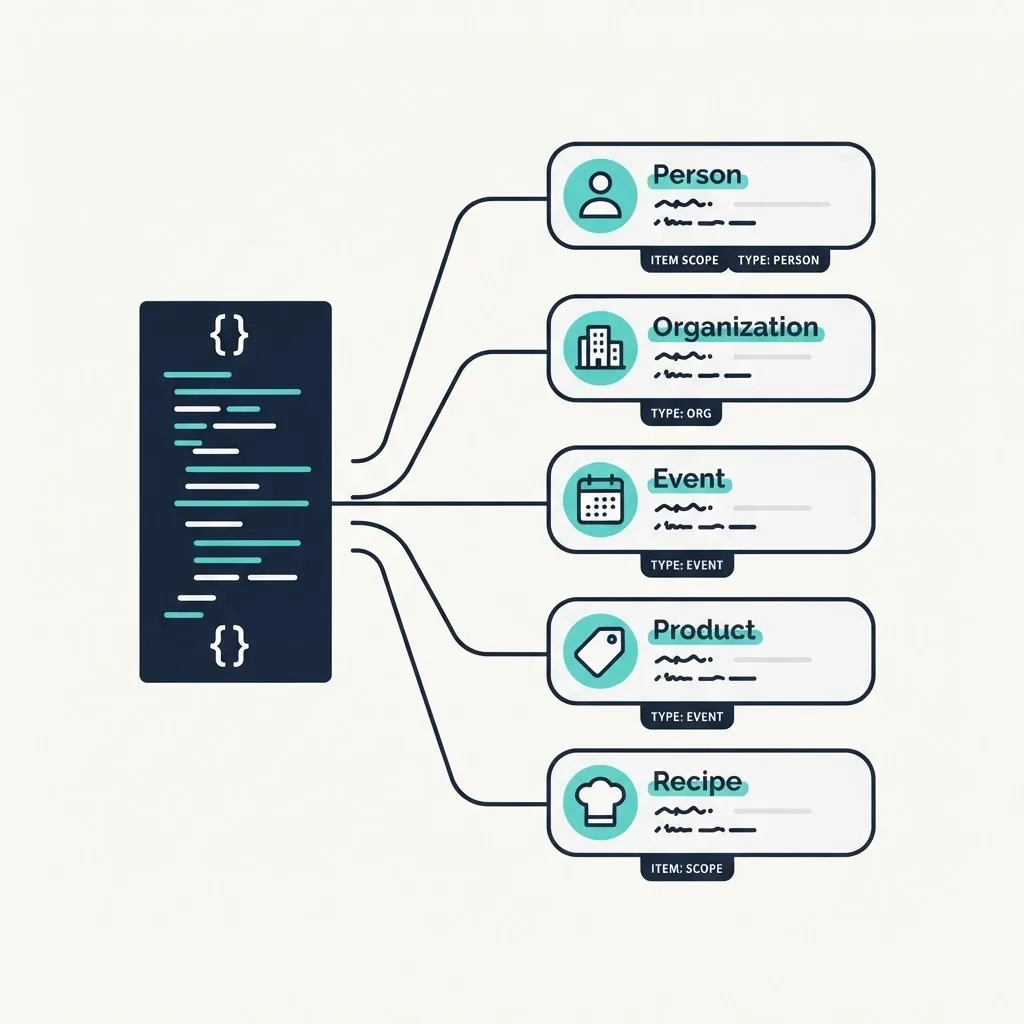
Structured data does not make a model like your writing, but it removes ambiguity about who wrote what, when, and on whose authority. That ambiguity is often the reason a page is skipped in favor of a competitor.
Implement these schema types with JSON-LD:
- Article or BlogPosting with author, datePublished, and dateModified. Dated content is preferentially cited for anything time-sensitive.
- FAQPage for your question and answer block. This is the most directly reusable format for answer engines.
- Organization with sameAs links to your verified social and business profiles, which anchors your brand as a known entity.
- Person for the author, with credentials and a real bio page. Anonymous expertise is discounted.
- BreadcrumbList so the model understands where the page sits in your topical hierarchy.
One detail teams miss: keep dateModified honest. Bumping the date without changing substance is a short-term trick that erodes trust signals across your whole domain.
Step 4: Build the Off-Site Signals That Make Models Trust You
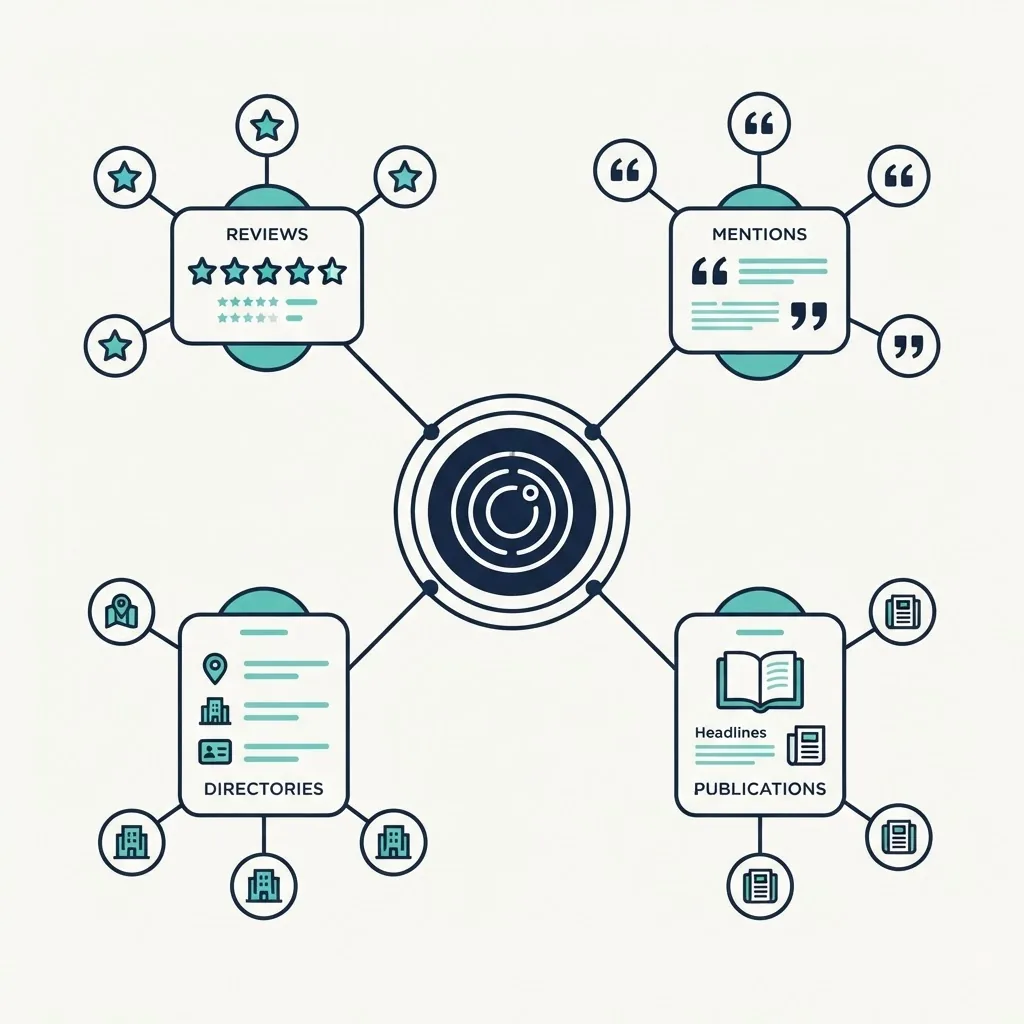
AI engines weigh corroboration heavily. When a model must decide between two pages making the same claim, it favors the source whose brand appears consistently across independent places on the web. This is why a technically perfect page from an unknown domain still loses to a mediocre page from a recognized one.
Focus on signals that are genuinely verifiable:
- Consistent NAP and description across your site, business listings, and profiles — contradictions weaken entity confidence.
- Third-party mentions and reviews on platforms with real editorial or user content. Perplexity and ChatGPT both surface review-heavy sources for commercial queries.
- Named author presence beyond your own domain, such as guest contributions or conference listings.
- Original data you publish yourself. Surveys, benchmarks, and internal case numbers get cited because no one else has them. This is the highest-leverage tactic on this list and the most underused.
If you want this handled as an ongoing program rather than a one-off project, our artificial intelligence services team at WebPeak builds AI visibility and citation-tracking workflows around exactly these signals.
Step 5: Measure AI Visibility Instead of Guessing
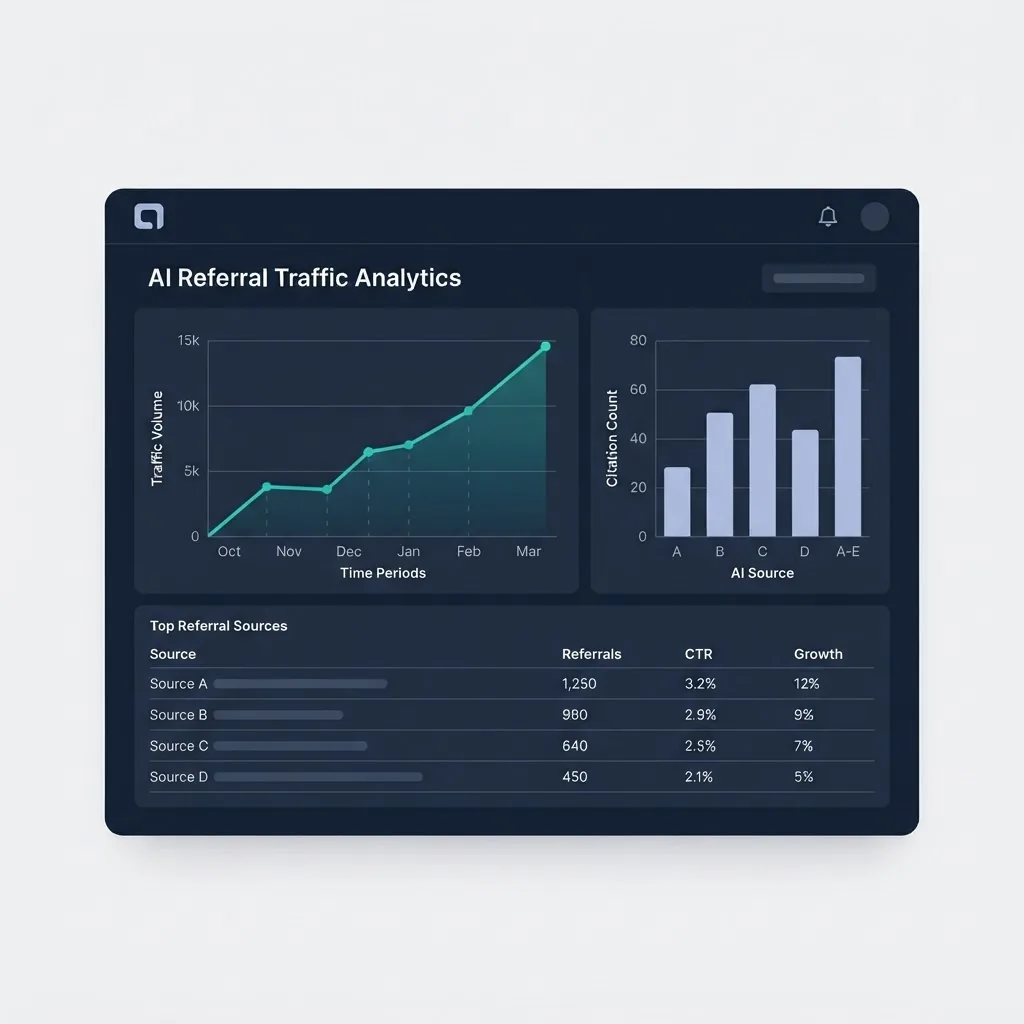
You cannot manage what you do not isolate. Standard analytics dashboards bury AI traffic inside "referral" or "direct," so build the measurement layer deliberately.
- Segment referrers. Create filters for chatgpt.com, perplexity.ai, gemini.google.com, and copilot.microsoft.com. Even small volumes reveal which pages are being cited.
- Read server logs for crawler hits. Confirm GPTBot, OAI-SearchBot, and PerplexityBot are fetching your priority URLs and getting 200 responses.
- Run prompt tests monthly. Ask each engine the ten questions your best pages target, and record whether you are cited, mentioned, or absent. This is manual, and it is the most honest metric available today.
- Track conversion quality, not just volume. In our client data, AI referral sessions are fewer but often show higher intent, because the user already read the summary and clicked for depth.
The Mistakes That Quietly Kill AI Visibility
- Burying the answer. A 300-word windup before the answer means the extractable chunk never contains it.
- Vague, unattributable claims. "Many businesses see improvements" cannot be cited. "Load time under three seconds" can.
- JavaScript-only content. If it needs hydration to exist, assume it does not exist.
- Blocking crawlers by accident. Check this before blaming your content.
- Writing for volume. Ten thin pages lose to one page that genuinely resolves the question.
Key Takeaways
- AI search engines return one synthesized answer with citations, so visibility means being cited, not just ranked.
- Google reports 53% of mobile visits are abandoned after three seconds of load time, and Pew found clicks drop from 15% to 8% when an AI summary is present.
- Gemini draws on Google's index, Perplexity favors freshness and hard facts, and ChatGPT rewards clarity plus brand recognition.
- Retrieval systems chunk pages, so every section must answer its heading in the first 40 to 60 words and stand alone.
- Article, FAQPage, Organization, and Person schema remove authorship and recency ambiguity.
- Publishing original data is the strongest citation magnet, because no competitor can duplicate it.
Frequently Asked Questions (FAQ)
How do I get my website cited by ChatGPT?
Allow OAI-SearchBot and GPTBot in robots.txt, serve content server-side so it is readable without JavaScript, and answer each target question in a direct 40 to 60 word paragraph under a clear heading. Then strengthen brand mentions off-site, since ChatGPT favors sources it recognizes as established entities.
Is AI search optimization different from regular SEO?
It builds on SEO rather than replacing it. Crawlability, page speed, and authority still matter. What changes is format: AI engines extract self-contained passages, so you optimize individual sections for direct extraction and citation instead of optimizing only whole pages for ranked positions.
Does schema markup help with AI search engines?
Yes, indirectly but meaningfully. Schema does not force a citation, but Article, FAQPage, Organization, and Person markup removes ambiguity about authorship, publication date, and entity identity. When two pages make identical claims, the one with clearer verifiable metadata is the safer citation.
How long does it take to see results from AI search optimization?
Crawler-access fixes can show effects within days once pages are refetched. Content restructuring typically shows citation changes across four to eight weeks. Brand and entity authority work compounds over several months, because it depends on independent third-party sources appearing and being re-crawled.
Should I block AI crawlers to protect my content?
Only if you genuinely prefer zero AI visibility. Blocking GPTBot limits training use, while blocking OAI-SearchBot removes you from ChatGPT search results entirely. For most businesses seeking reach, allow search crawlers and decide separately whether to permit training-focused ones.
What type of content gets cited most by Perplexity AI?
Fresh pages with specific, plainly stated facts, dates, and numbers. Perplexity leans heavily on citation-worthy detail, so original research, updated statistics, comparison tables, and step-by-step processes outperform general commentary. Accurate lastmod dates in your sitemap help it recognize genuinely updated pages.
Final Word
AI search rewards precision and punishes padding. If you write pages that state real facts plainly, structure each section so it survives on its own, keep your crawlers unblocked, and build a brand the web independently confirms, you will be cited — and the citations will keep compounding as these engines grow. Start with the crawler audit today, because everything else depends on it.