
A practical, experience-based guide to whether INFPs can succeed in computer science and tech jobs, which roles fit best, and how to build a sustainable tech career.
INFP Can They Work in Computer Science / Tech Jobs
Every few months, a version of the same question shows up in career forums: "I am an INFP, is computer science wrong for me?" It usually comes from someone who genuinely enjoys building things but has read that tech belongs to hyper-logical, argument-loving personalities. After years of hiring, mentoring, and working alongside developers, designers, and QA engineers across dozens of product teams, we can say plainly that the premise of the question is wrong. Personality type does not gate technical ability. What it does influence is which parts of tech feel sustainable and which parts drain you.
Quick Answer: Yes, INFPs can absolutely work in computer science and tech jobs. INFPs succeed in roles that reward deep focus, creativity, and empathy such as software development, UX design, technical writing, QA, and data analysis. The main challenge is environment, not ability: INFPs thrive with quiet focus time, meaningful projects, and low-conflict teams.

What Does INFP Actually Mean in a Work Context?
INFP is one of the 16 Myers-Briggs personality types, standing for Introverted, Intuitive, Feeling, and Perceiving. In workplace terms it usually translates to someone who recharges alone, thinks in patterns and possibilities, makes decisions based on personal values, and prefers flexible processes over rigid ones.
None of those four traits conflicts with programming. Writing code is a solitary, pattern-heavy, iterative activity. It is arguably one of the most introvert-friendly skilled professions ever created. What people confuse is the craft of software with the culture of some software companies. The craft suits INFPs well. Certain cultures do not.
It is also worth stating the evidence honestly: MBTI is a self-reported preference framework, not a validated predictor of job performance. Research reviews, including work published by the American Psychological Association, have repeatedly found that personality type indicators are weak predictors of career success compared with skills, experience, and conscientiousness. Use your type as a self-awareness tool for choosing environments, never as a verdict on your capability.
Do INFPs Have the Skills Computer Science Requires?
Yes. Computer science rewards abstraction, persistence, and curiosity, and INFPs typically score high on all three.

Here are the specific INFP strengths that show up as real technical advantages:
- Deep work tolerance. INFPs often prefer long uninterrupted stretches, which is exactly what debugging a race condition or learning a new framework requires. According to research by Gloria Mark at UC Irvine, it takes an average of about 23 minutes to fully refocus after an interruption, so a natural preference for uninterrupted work is a measurable productivity asset in engineering.
- Pattern-based thinking. The Intuitive preference maps well to system design, data modeling, and spotting architectural problems before they become production incidents.
- User empathy. The Feeling preference is a competitive advantage in product work. Engineers who instinctively ask "how will this confuse a user?" write better error messages, better forms, and better onboarding flows.
- Values-driven motivation. INFPs work hardest on projects they believe in. Point that at accessibility, healthcare tech, education tech, or climate software and output goes up dramatically.
- Written communication. Many INFPs express themselves better in writing than in live debate. In a remote, async, documentation-heavy industry, that is a leadership skill.
The gap to close is usually not logic. It is self-promotion, conflict tolerance, and comfort with public critique such as code reviews and sprint demos. Those are trainable behaviors, not fixed limits.
Which Tech Jobs Suit INFPs Best?
The best-fit roles combine creative problem solving with autonomy and a visible human impact.
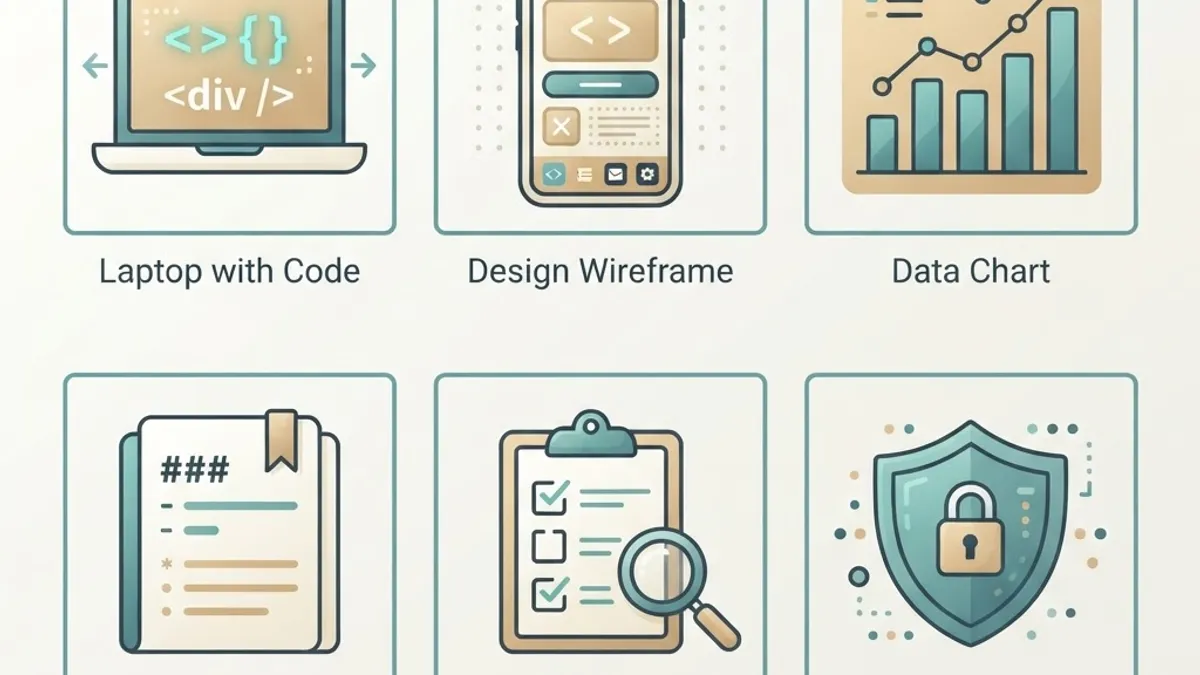
Strong Fits
- Frontend or full-stack developer. Immediate visual feedback, creative craft, and direct connection to how people experience a product.
- UX or product designer. Empathy plus pattern recognition is the entire job description.
- Technical writer or developer advocate (writing-focused). High demand, strong pay, and built around clarity rather than confrontation.
- QA and test automation engineer. Detail-oriented, methodical, and highly valued because it protects users from harm.
- Data analyst or data visualization specialist. Narrative plus numbers, largely solo execution.
- Accessibility engineer. A values-aligned specialty with growing legal and commercial urgency.
Harder Fits (Not Impossible)
- Enterprise sales engineering with constant travel and high-pressure calls.
- On-call site reliability engineering where alerts routinely break focus and sleep.
- High-conflict, politics-heavy management in aggressive corporate cultures.
These roles are still doable, and plenty of INFPs do them well. They simply cost more energy per unit of output, so choose them deliberately rather than by default.
Role Fit Comparison
| Tech Role | Deep Focus Time | Social/Conflict Load | Creative Outlet | INFP Fit |
|---|---|---|---|---|
| Frontend Developer | High | Low to Medium | High | Excellent |
| UX Designer | High | Medium | High | Excellent |
| Technical Writer | High | Low | Medium | Excellent |
| QA Automation Engineer | High | Low | Medium | Very Good |
| Data Analyst | High | Low to Medium | Medium | Very Good |
| Backend Developer | Very High | Low | Medium | Very Good |
| Engineering Manager | Low | High | Medium | Situational |
| Sales Engineer | Low | Very High | Medium | Challenging |
| On-Call SRE | Fragmented | Medium to High | Low | Challenging |
Why UX and Product Design Deserve Special Mention
UX design is often the single highest-leverage entry point for an INFP who likes technology but wants their empathy to be part of the job rather than a side quality.

UX work rewards exactly what INFPs do naturally: noticing unspoken frustration, imagining alternative flows, and advocating for the person who is not in the room. It also has a real commercial argument behind it. Google's own research on mobile experience found that 53% of mobile site visits are abandoned if a page takes longer than three seconds to load, which is a design and engineering problem with a direct revenue cost. When you can connect human experience to business outcomes, your empathy stops being a soft skill and becomes a budget justification.
If you want to see how design, development, and content work together on real client projects, the work showcased at ZoneTechify and WebPeak is a useful reference point for how these disciplines overlap in practice.
What Actually Makes Tech Hard for INFPs?
The difficulty is rarely the code. It is the surrounding environment.

The four recurring friction points we see in real teams:
- Interruption culture. Open-plan offices, constant chat pings, and back-to-back standups fragment the deep focus INFPs depend on.
- Personalized criticism. Code review comments feel neutral to some people and personal to others. Learning to read "this function is inefficient" as information rather than judgment is the single most important reframe.
- Imposter syndrome. INFPs tend to compare their internal uncertainty with other people's external confidence, then conclude they are behind when they are not.
- Meaningless work. An INFP assigned to a product they find pointless will underperform relative to their actual skill. This is a placement problem, not a talent problem.
Each of these has a practical countermeasure: block calendar focus time, ask for written feedback where possible, keep a personal log of shipped work to counter imposter feelings, and screen for mission alignment during interviews rather than after joining.
How to Build a Tech Career That Does Not Burn You Out
Environment design matters more for INFPs than for most types, so treat it as part of your job search criteria.

- Prioritize async-friendly and remote-friendly teams. Ask how many recurring meetings a typical week contains. Anything above ten hours is a warning sign.
- Ask about the code review culture. A good answer mentions written guidelines and kindness norms; a bad answer is "we are pretty blunt here."
- Choose products you believe in. Health, education, accessibility, sustainability, and creative tools consistently produce higher INFP engagement.
- Build a portfolio instead of relying on interview charisma. Shipped projects speak for you when you would rather not speak for yourself.
- Protect one deep work block daily. Two uninterrupted hours will outproduce a fragmented eight-hour day.
How Should an INFP Handle Technical Interviews?
Prepare for the performance element separately from the technical element, because they are two different skills.
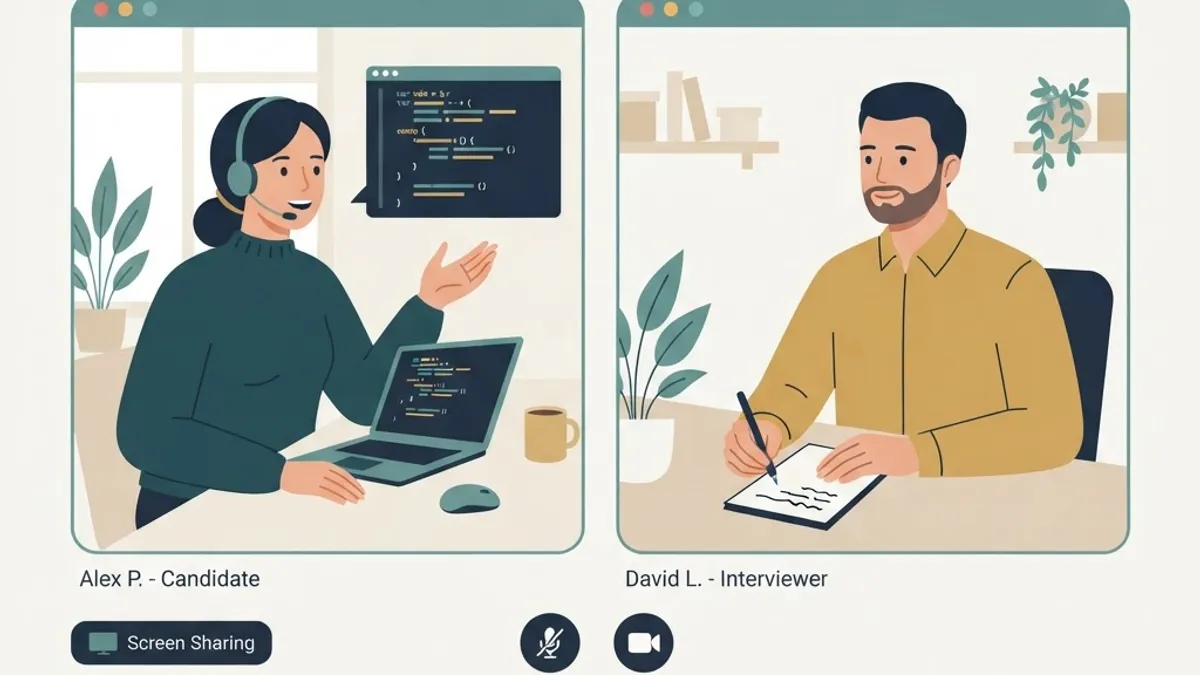
A process that works well in practice:
- Narrate your thinking out loud during practice. Live coding punishes silence, so rehearse talking through tradeoffs even when alone.
- Write three prepared stories. One project you are proud of, one failure you fixed, one time you helped a teammate. INFPs interview far better through storytelling than through boasting.
- Ask about focus time and feedback style. These questions signal seniority and also screen the company for you.
- Treat rejection as fit data. A failed interview is often a mismatch of environment, not evidence of incompetence.
What Does Long-Term INFP Growth in Tech Look Like?
The strongest long-term path for most INFPs is depth plus communication, not management for its own sake.
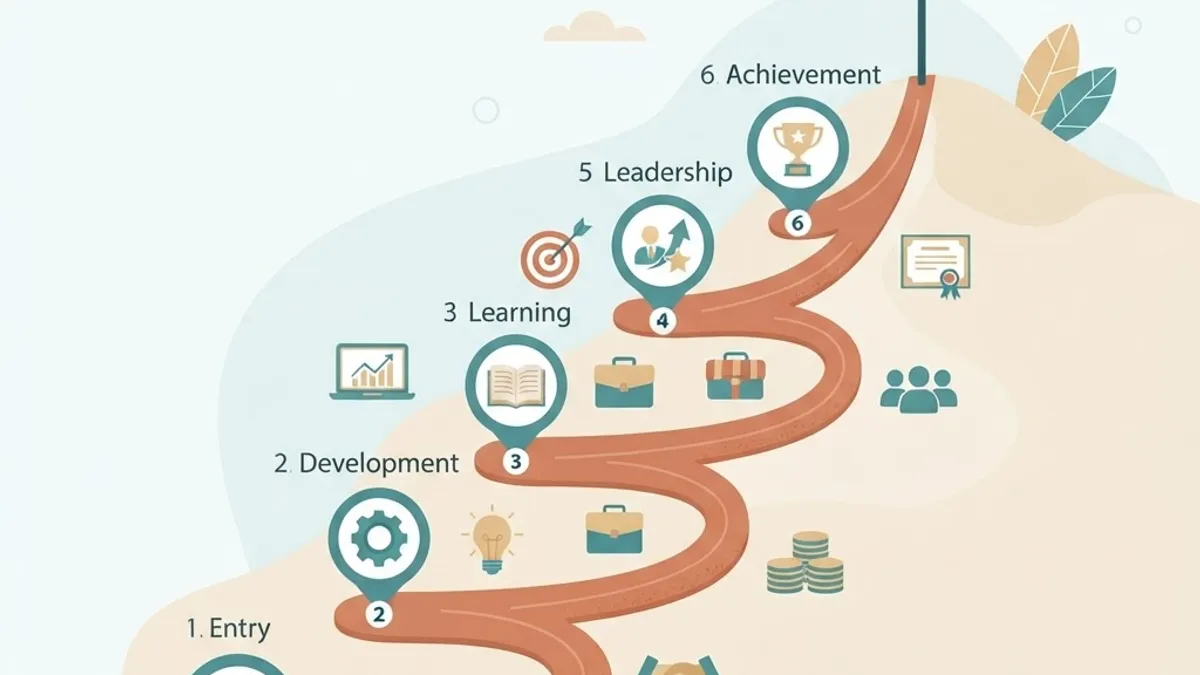
A realistic five-year arc looks like this: build one strong technical specialty in the first two years, add a communication multiplier such as documentation ownership or design systems work in years three and four, then choose between a senior individual contributor track, a design or research leadership track, or independent consulting. Consulting and freelancing suit many INFPs because they offer full control over environment, clients, and schedule while keeping the work itself creative.
Key Takeaways
- INFPs can succeed in computer science; personality type affects preferred environment, not technical capability.
- MBTI is a self-awareness tool, not a validated predictor of job performance, so never use it to disqualify yourself.
- Best-fit roles include frontend development, UX design, technical writing, QA automation, data analysis, and accessibility engineering.
- The main risks are interruption-heavy cultures, personalized criticism, imposter syndrome, and meaningless projects.
- Deep focus is measurably valuable: refocusing after an interruption takes about 23 minutes on average.
- User empathy has commercial value; Google found 53% of mobile visits are abandoned after a three-second load delay.
- Screen employers for async culture, kind code review norms, and mission alignment before accepting an offer.
Frequently Asked Questions (FAQ)
Can an INFP be a good software engineer?
Yes. Software engineering rewards deep focus, curiosity, and pattern recognition, which are common INFP strengths. Many INFPs become excellent engineers, especially in frontend, product, or accessibility work. The main adjustment is learning to treat code review feedback as neutral information rather than personal criticism.
Is computer science too logical for INFPs?
No. Logic is a learnable skill, not a personality trait. INFPs use Intuitive thinking that suits system design and abstraction very well. The Feeling preference affects how you make value-based decisions, not whether you can understand algorithms, data structures, or software architecture.
What is the best tech job for an INFP?
UX design and frontend development are usually the strongest fits because both combine creativity, autonomy, and visible human impact. Technical writing, QA automation, and data analysis are also excellent options. Choose roles with protected focus time and low daily conflict for long-term sustainability.
Do INFPs struggle in tech company culture?
Sometimes, yes. Open offices, constant notifications, aggressive debate, and meeting-heavy schedules drain INFP energy fast. The solution is environment selection rather than personality change. Remote, async, documentation-first teams with kind feedback norms typically produce far better INFP performance and retention.
Should INFPs avoid becoming engineering managers?
Not necessarily. INFP managers are often unusually good at mentoring, listening, and retaining talent. The difficulty is constant context switching and conflict mediation. If you pursue management, negotiate for a smaller team, protected focus time, and clear escalation support before accepting the role.
How can an INFP avoid burnout in a tech job?
Protect at least two hours of uninterrupted deep work daily, limit recurring meetings, and choose projects that align with your values. Keep a written log of shipped work to counter imposter syndrome. Burnout for INFPs usually comes from meaningless tasks and fragmented attention, not workload alone.