
A practical, expert comparison of the top artificial intelligence strategy consultants, including selection criteria, pricing models, ROI benchmarks, and an evaluation checklist.
Top Artificial Intelligence Strategy Consultants Comparison
Choosing the right artificial intelligence strategy consultant has become one of the most consequential decisions a modern business can make. The wrong partner burns budget on flashy pilots that never reach production; the right one turns AI from a buzzword into measurable revenue, lower costs, and faster decisions. After advising dozens of teams through AI adoption, we have seen that the difference rarely comes down to who has the smartest data scientists. It comes down to strategy, fit, and disciplined execution.
This comparison cuts through marketing claims and gives you a clear, experience-based framework for evaluating AI strategy consultants. You will learn what these specialists actually do, how the leading types of firms differ, what they cost, and how to verify that a consultant can deliver outcomes rather than slide decks.
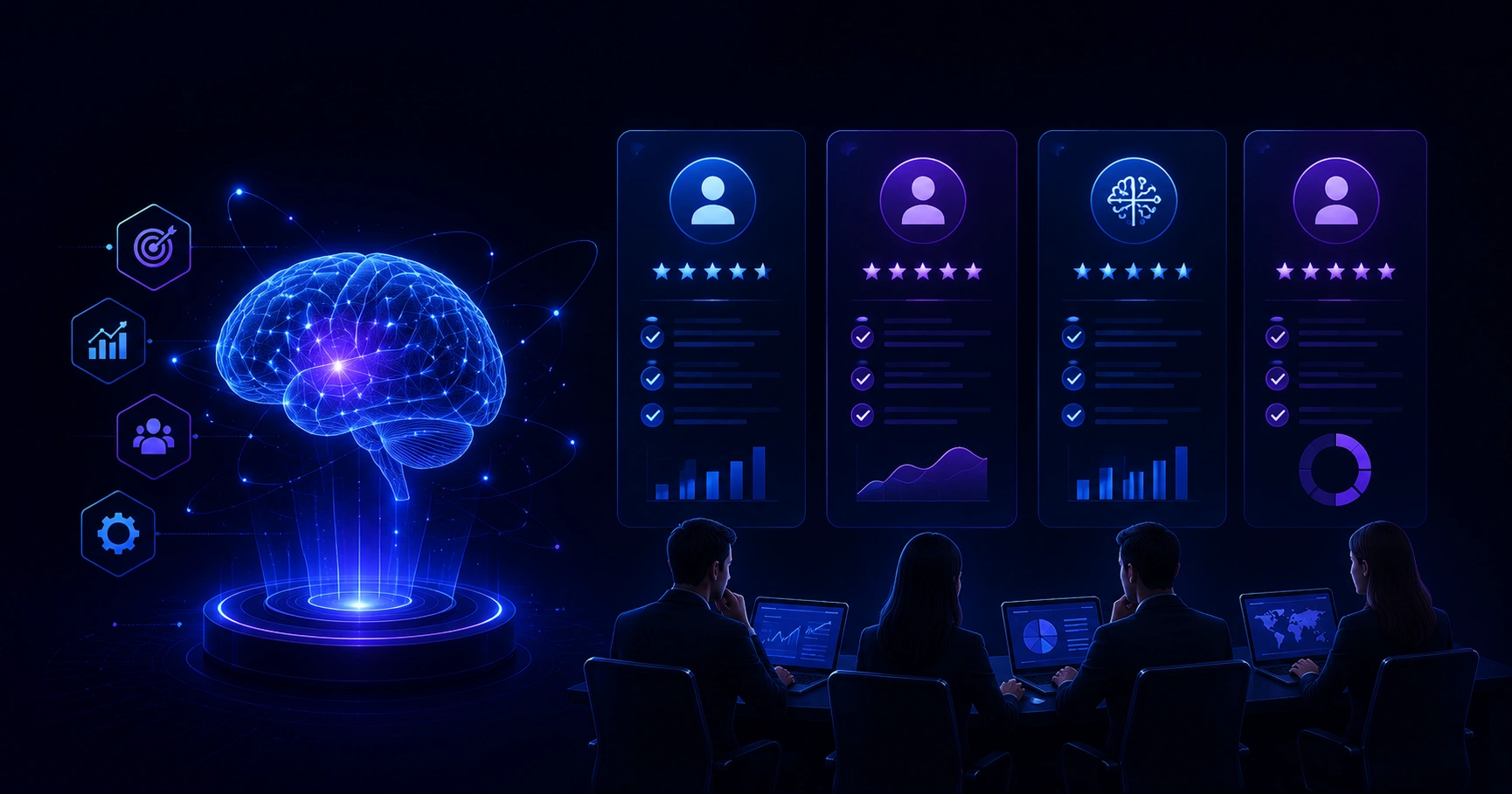
Quick Answer: The best AI strategy consultant is the one that matches your data maturity, industry, and budget. Enterprise firms (Accenture, Deloitte, McKinsey QuantumBlack, BCG X) suit large transformations, while boutique specialists and agencies like ZoneTechify deliver faster, focused AI roadmaps with stronger ROI for mid-market companies.
What Is an AI Strategy Consultant?
An AI strategy consultant is a specialist who helps organizations identify, prioritize, and implement artificial intelligence use cases that align with business goals. Unlike a general IT vendor, an AI strategy consultant focuses on the why and what before the how: which problems are worth solving with AI, what data and infrastructure are required, and how to measure success.
A strong consultant bridges three worlds: business value, data science, and change management. They translate vague ambitions like "we want to use AI" into a concrete roadmap with prioritized use cases, ROI estimates, and governance guardrails. Teams like ZoneTechify and WebPeak approach this work as a partnership rather than a one-off audit.
Why Businesses Hire AI Strategy Consultants
Most companies do not lack ideas for AI; they lack a way to separate signal from noise. According to McKinsey's 2024 State of AI report, 65% of organizations now use generative AI regularly, nearly double the prior year, yet only a fraction report material bottom-line impact. That gap between adoption and value is exactly where consultants earn their fee.
The second reason is risk. Gartner has estimated that through 2025 at least 30% of generative AI projects will be abandoned after proof of concept due to poor data quality, unclear value, or inadequate controls. A seasoned consultant front-loads those failure points, killing weak ideas early and protecting your budget for the use cases that scale.
The third reason is speed. Building internal AI expertise can take years. A consultant compresses that learning curve, bringing proven playbooks so your team avoids expensive trial and error.
How to Choose the Right AI Strategy Consultant
The right consultant is not the most famous one; it is the one whose strengths line up with your specific situation. Use these criteria to evaluate any firm.
Key Selection Criteria
- Industry experience Has the firm solved problems in your sector, with your regulatory and data realities?
- Outcome track record Can they show production deployments and measurable results, not just pilots?
- Data and engineering depth Strategy without execution capability often stalls at the proof-of-concept stage.
- Vendor neutrality Independent advisors recommend the best tool; resellers may push their own stack.
- Change management AI fails when people do not adopt it, so look for training and process redesign.
- Pricing transparency Clear scopes and deliverables prevent runaway costs.
- Governance and ethics Responsible AI practices protect you from compliance and reputational risk.
For AI-specific engagements, specialist partners such as ZoneTechify's artificial intelligence services and WebPeak's AI services combine strategy with hands-on implementation, which shortens the path from idea to working product.
Top AI Strategy Consultants Compared
The market splits into three broad tiers: global enterprise firms, specialized AI boutiques, and full-service digital agencies. Each excels in different scenarios. The table below compares them on the factors that matter most.

| Consultant Type | Best For | Typical Strength | Pricing | Speed to Value |
|---|---|---|---|---|
| Global enterprise (Accenture, Deloitte, McKinsey QuantumBlack, BCG X) | Large-scale, multi-year transformation | Brand trust, scale, change management | Very high | Slow |
| AI boutique (specialist data and ML firms) | Deep technical builds | Cutting-edge models and engineering | High | Medium |
| Digital agency (ZoneTechify, WebPeak) | Mid-market and SMB AI adoption | Strategy plus build, broad digital skills | Moderate | Fast |
| Independent advisor | Early-stage roadmapping | Flexible, vendor-neutral guidance | Low to moderate | Fast |
No single tier wins outright. A Fortune 100 bank reorganizing its entire operating model needs the scale of an enterprise firm. A growing e-commerce brand wanting AI-driven personalization will move faster and cheaper with a focused agency partner.
Boutique vs Enterprise Consultancies
The enterprise-versus-boutique decision often determines your project's economics. Enterprise firms bring deep benches, global delivery, and board-level credibility, but their day rates and layered teams can multiply costs quickly. They shine when AI is one part of a sweeping organizational change.
Boutiques and specialized agencies operate leaner. You typically work directly with senior practitioners rather than a rotating cast of junior analysts. For most mid-market companies, this means tighter feedback loops, faster iteration, and a clearer line between spend and outcome. The trade-off is capacity: a boutique may not be able to staff a thousand-person rollout. Match the firm's size to your project's true scope rather than its prestige.
Building an AI Implementation Roadmap
A credible consultant always produces a roadmap, the bridge between strategy and delivery. A strong roadmap sequences quick wins early to build momentum and fund larger bets later.
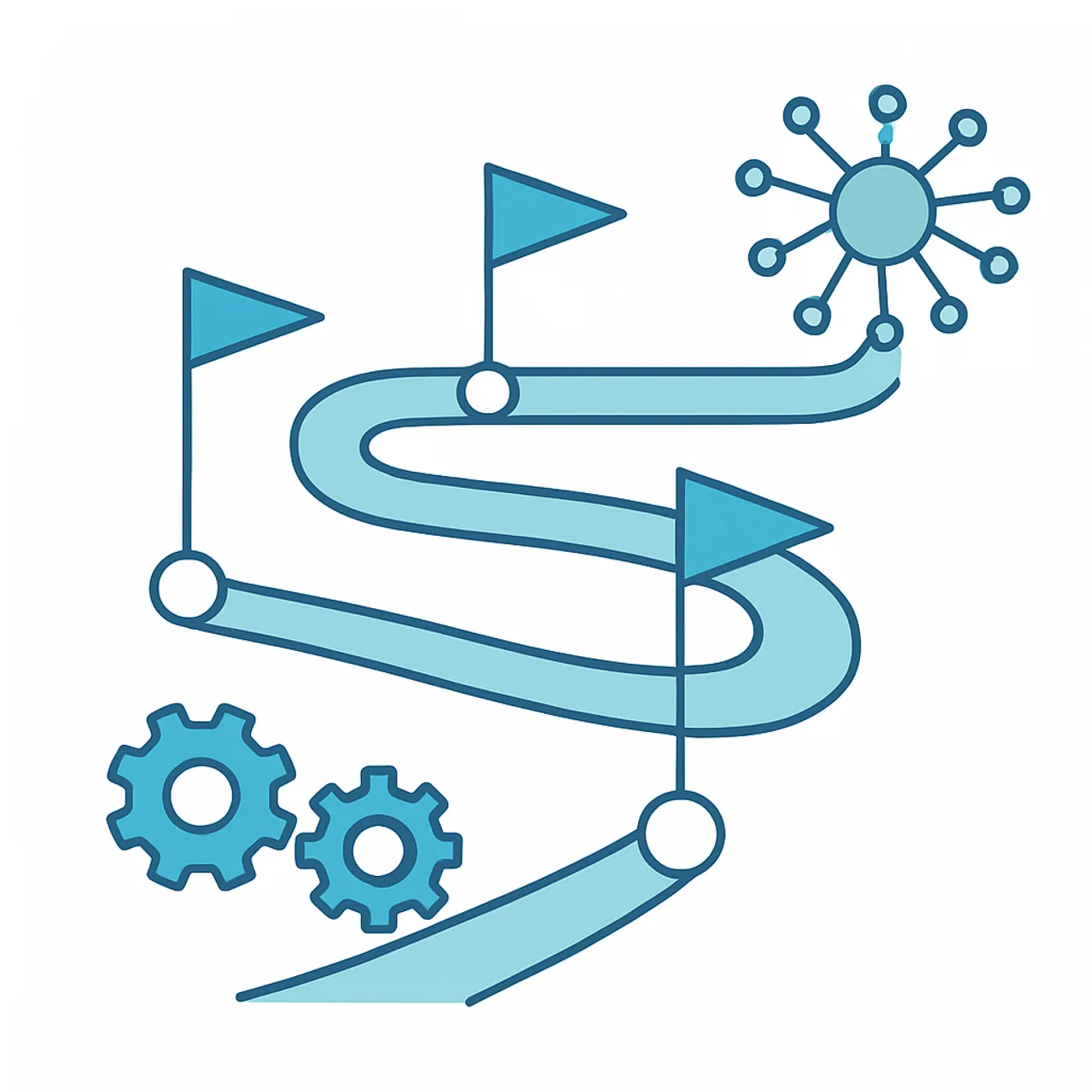
A practical roadmap typically includes:
- Use-case prioritization scored by value, feasibility, and data readiness.
- Data foundation assessing quality, access, and pipelines before modeling.
- Pilot design with clear success metrics and a defined exit decision.
- Scale plan covering infrastructure, MLOps, and integration.
- Adoption plan for training, workflows, and stakeholder buy-in.
The best roadmaps are living documents. They get revisited every quarter as data, tools, and business priorities evolve.
Measuring ROI From AI Consulting
ROI is where many AI initiatives lose credibility, so insist on measurement from day one. Define baseline metrics before the engagement begins, then track the delta. Common value levers include cost reduction through automation, revenue lift through personalization, and time savings through faster decisions.

A disciplined consultant ties every use case to a financial outcome and a confidence level. Be wary of vanity metrics like "number of models deployed." What matters is whether the model changed a business number. A simple rule we apply: if a use case cannot articulate its payback within 12 to 18 months, it is usually a research project, not a strategy priority.
Enterprise AI Strategy Frameworks
Leading consultants rely on structured frameworks to keep complex programs coherent. A framework defines how use cases, data, technology, and governance connect so the organization moves as one system rather than a set of disconnected experiments.
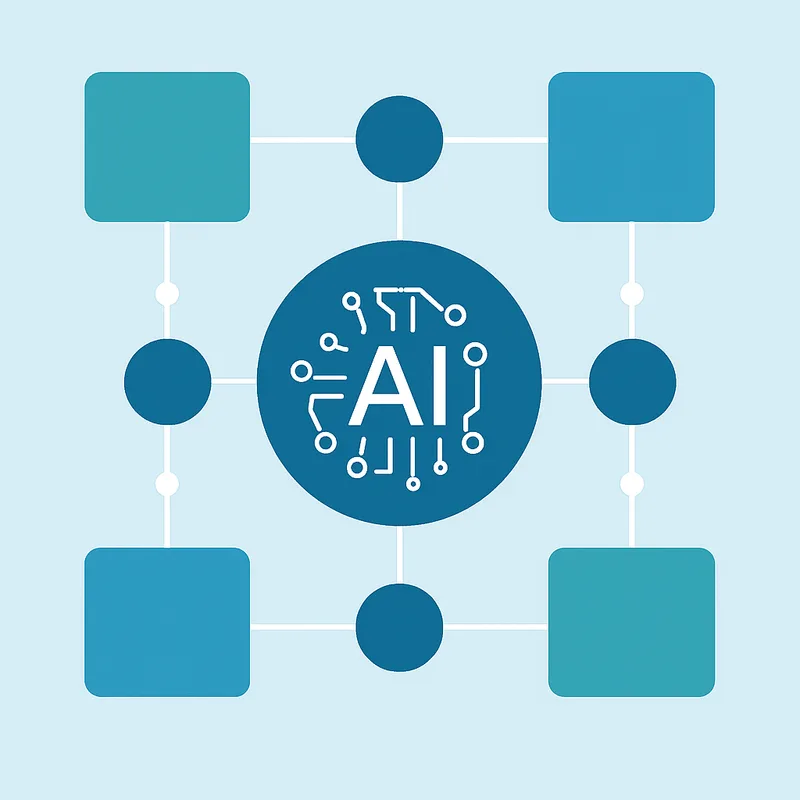
Most effective frameworks share four pillars: a value layer that ranks opportunities, a data layer that ensures quality and access, a technology layer covering models and infrastructure, and a governance layer that manages risk, ethics, and compliance. When a consultant cannot explain their framework simply, it is often a sign they lack one.
Evaluation Checklist Before You Sign
Before committing budget, run every shortlisted firm through a final checklist. This protects you from impressive pitches that lack substance.
- Can they share references and case studies with measurable outcomes?
- Do they offer both strategy and implementation, or just advice?
- Is pricing tied to clear deliverables and milestones?
- Do they own knowledge transfer so your team is not dependent forever?
- Are responsible AI and data privacy built into their process?
- Will senior experts stay involved, or hand off to juniors after signing?
If a firm hesitates on these questions, treat it as a warning sign.
Key Takeaways
- The best AI strategy consultant is the one matched to your data maturity, industry, and budget, not the most famous brand.
- McKinsey reports 65% of organizations now use generative AI regularly, but value, not adoption, is the real benchmark.
- Gartner warns at least 30% of generative AI projects may be abandoned after proof of concept, so early risk screening is essential.
- Enterprise firms suit large transformations; boutiques and agencies deliver faster, more affordable ROI for mid-market companies.
- Demand a roadmap, clear ROI metrics, a governance framework, and knowledge transfer before signing any contract.
Frequently Asked Questions (FAQ)
What does an AI strategy consultant actually do?
An AI strategy consultant identifies high-value AI use cases, assesses your data readiness, builds a prioritized roadmap, and guides implementation. They align AI investments with business goals, estimate ROI, manage risk and governance, and help your team adopt the technology so it delivers measurable results rather than abandoned pilots.
How much do AI strategy consultants cost?
Pricing varies widely by firm tier. Global enterprise consultancies can charge hundreds of thousands for multi-month programs, while specialist agencies and independent advisors offer focused engagements at a fraction of that. Always tie cost to defined deliverables and milestones rather than open-ended hourly rates to control spend.
Are big firms better than boutique AI consultants?
Not always. Enterprise firms excel at large, multi-year transformations needing scale and change management. Boutiques and agencies move faster, cost less, and give you direct access to senior experts, making them ideal for mid-market companies. Match the firm's size to your project's real scope, not its reputation.
How do I measure ROI from AI consulting?
Define baseline metrics before the engagement, then track the change. Tie every use case to a financial outcome such as cost savings, revenue lift, or time reduction, with a target payback window. Avoid vanity metrics like models deployed; measure whether AI actually moved a business number.
How long does an AI strategy engagement take?
A focused strategy and roadmap engagement usually takes four to eight weeks. Full implementation depends on scope, ranging from a few months for a single use case to over a year for enterprise-wide transformation. Reputable consultants sequence quick wins early so you see value within the first quarter.
Choosing an AI strategy consultant is ultimately about fit, evidence, and execution. Use the criteria and checklist above, demand measurable outcomes, and you will partner with a firm that turns artificial intelligence into durable competitive advantage.