
Discover why a career in digital marketing offers high demand, strong salaries, remote flexibility, and future-proof growth in an increasingly online-first economy.
Why Choose a Career in Digital Marketing

Digital marketing has quietly become one of the most reliable career paths of the modern economy. While traditional industries fluctuate, businesses everywhere continue moving budgets online, creating steady demand for people who understand how to attract, convert, and retain customers on the internet. If you are weighing your options, a career in digital marketing offers something rare: high demand, low barriers to entry, remote flexibility, and near-limitless room to grow.
Having worked alongside marketing teams across startups and established brands, I have seen firsthand how quickly someone with the right skills can move from entry-level to leadership. This guide breaks down exactly why digital marketing is worth pursuing, what the earning potential looks like, the skills you need, and how to start. Brands like ZoneTechify and WebPeak rely on skilled marketers daily, and that demand is only accelerating.
Quick Answer: You should choose a career in digital marketing because it offers strong job demand, competitive salaries, remote work flexibility, and continuous growth. It suits creative and analytical minds alike, requires no expensive degree to start, and remains future-proof as businesses shift budgets increasingly toward online channels.
What Is Digital Marketing?
Digital marketing is the practice of promoting products, services, or brands using online channels such as search engines, social media, email, and websites. It replaces guesswork with measurable data, letting marketers track every click, conversion, and dollar spent.
Unlike traditional advertising, digital marketing is trackable, adjustable, and scalable in real time. A campaign that underperforms can be paused within minutes, while a winning one can be scaled instantly. This measurability is precisely why companies invest so heavily in it, and why skilled practitioners are in constant demand.

Reason 1: Demand Far Exceeds Supply
The single strongest argument for entering digital marketing is simple economics: there are more open roles than qualified people to fill them. According to LinkedIn's Emerging Jobs and Skills reports, digital marketing specialist roles consistently rank among the most in-demand positions worldwide, with the "digital marketing specialist" title cited by LinkedIn as one of the top 10 most sought-after jobs.
Every business that sells online, from local bakeries to global SaaS companies, needs someone to manage its visibility. This creates a talent gap that keeps salaries healthy and job security strong. When demand outpaces supply, you gain leverage: the ability to negotiate pay, choose employers, and work independently if you prefer.
Why the Demand Keeps Growing
- Budget migration: Advertising spend continues shifting from TV and print to digital. According to Google, 53% of shoppers say they always research online before buying, forcing brands to compete for online attention.
- Small business adoption: Even tiny businesses now need websites, social profiles, and ads.
- Constant platform change: New tools and algorithms mean companies always need updated expertise.
Reason 2: Strong and Scalable Earning Potential
Digital marketing pays well, and pay scales quickly with results. Because your work directly generates revenue, employers can clearly see your value, which translates into raises, bonuses, and promotions faster than in many other fields.
Entry-level roles offer comfortable starting salaries, while specialists in high-demand niches like paid media, SEO, and marketing analytics command premium rates. Freelancers and consultants can earn even more by serving multiple clients at once.

Typical Digital Marketing Salary Ranges
| Role | Experience Level | Typical Annual Range (USD) |
|---|---|---|
| Marketing Coordinator | Entry | $40,000 - $55,000 |
| SEO Specialist | Mid | $55,000 - $80,000 |
| PPC / Paid Media Manager | Mid | $60,000 - $90,000 |
| Content Marketing Manager | Mid to Senior | $70,000 - $100,000 |
| Digital Marketing Director | Senior | $110,000 - $160,000+ |
Ranges vary by region, company size, and specialization, but the trajectory is clear: results-driven marketers see consistent upward movement in compensation.
Reason 3: Flexibility and Remote-First Culture
Digital marketing is one of the most remote-friendly careers available. Because the work happens on laptops and cloud tools, you can perform it from anywhere with an internet connection.
This flexibility opens doors that many careers cannot. You can work full-time for a company, freelance for global clients, or build your own agency. Parents, travelers, and career-changers all find digital marketing accommodating because output matters more than location or fixed hours.

Ways to Structure a Digital Marketing Career
- In-house employee: Work for a single brand's marketing team.
- Agency professional: Manage multiple client accounts under one roof.
- Freelancer: Serve your own clients on your own schedule.
- Consultant: Advise businesses on strategy at a premium rate.
- Entrepreneur: Build and grow your own online business using your skills.
Reason 4: Low Barrier to Entry
Unlike medicine, law, or engineering, digital marketing does not require an expensive degree or years of certification. What matters most is demonstrable skill and results. Many successful marketers are self-taught through free and affordable resources, then prove themselves with real projects.
This accessibility makes it an ideal career for people switching industries or starting fresh. You can build a portfolio by managing your own blog, running small ad campaigns, or offering services to a local business, then use those results to land bigger opportunities. Agencies such as ZoneTechify's digital marketing team frequently value practical, portfolio-backed skill over formal credentials.
Reason 5: Variety That Prevents Burnout
Digital marketing is not one job; it is a family of related disciplines. This variety lets you find the niche that matches your strengths, whether you lean creative, analytical, or strategic.
Core Digital Marketing Specializations
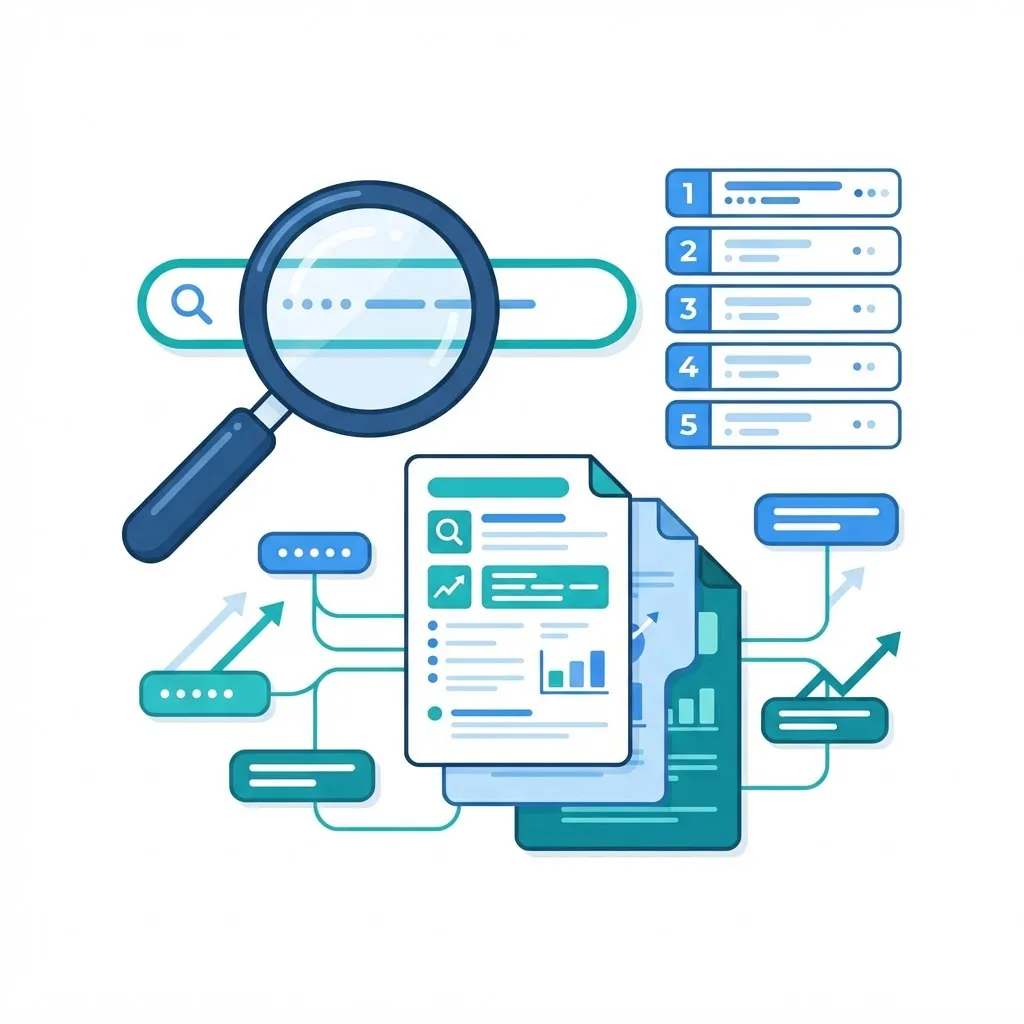
- Search Engine Optimization (SEO): Improving organic visibility on Google.
- Content Marketing: Creating articles, videos, and guides that attract audiences.
- Paid Advertising (PPC): Managing Google Ads and social media ad campaigns.
- Social Media Marketing: Building brand presence and engagement.
- Email Marketing: Nurturing leads and driving repeat sales.
- Analytics: Measuring performance and optimizing campaigns.
If one area stops exciting you, you can pivot to another without leaving the field entirely, which keeps long-term careers fresh and engaging.

Reason 6: A Future-Proof, AI-Enhanced Field
Some worry that automation will replace marketers, but the opposite is happening. Artificial intelligence tools are becoming assistants that make skilled marketers faster and more effective, not obsolete. The marketers who learn to direct AI tools are more valuable, not less.
Rather than replacing strategy, judgment, and creativity, AI handles repetitive tasks like drafting, data sorting, and reporting. Professionals who understand both marketing fundamentals and modern AI workflows are positioned for the strongest long-term careers.

Skills You Need to Succeed
Success in digital marketing comes from blending analytical and creative abilities. You do not need all of these on day one, but building them over time compounds your value.
Essential Skills Checklist
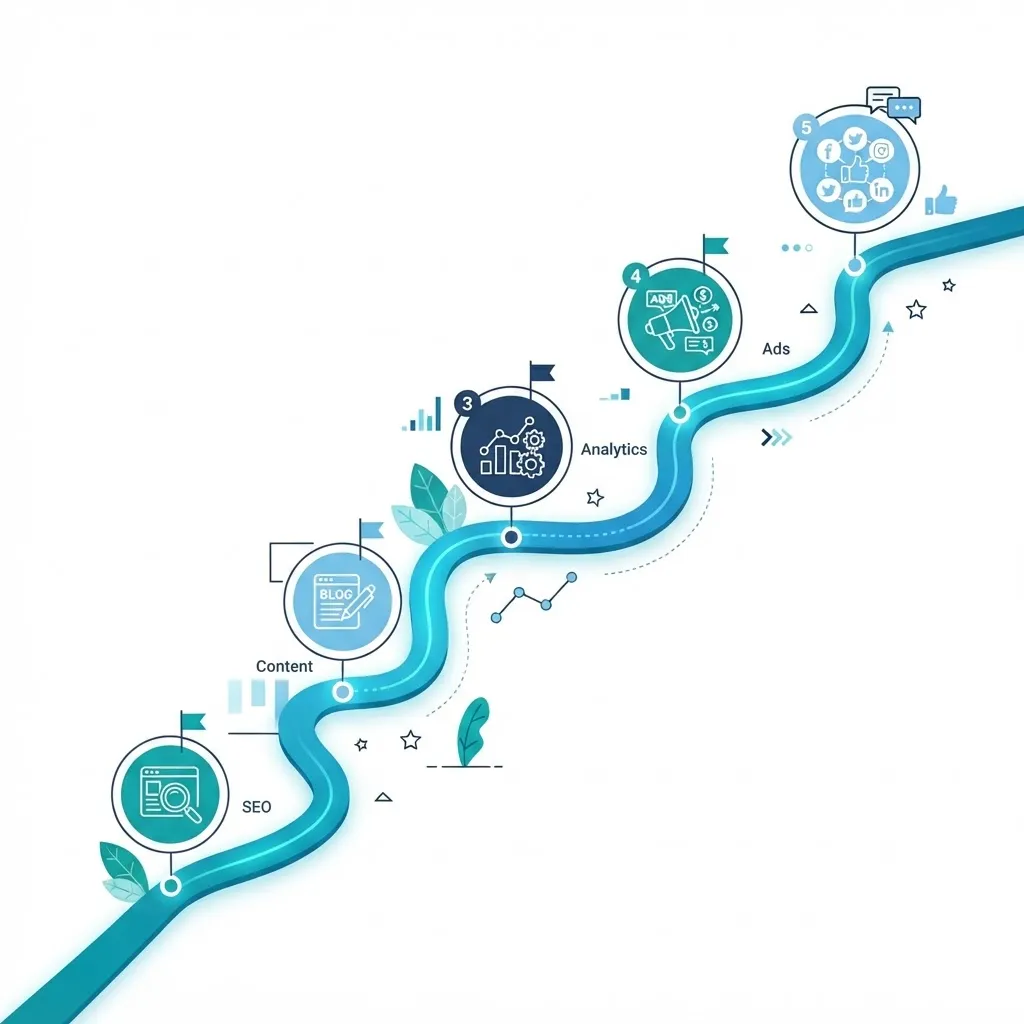
- Communication and writing: Clear messaging is the foundation of all marketing.
- Data literacy: Reading analytics to make informed decisions.
- SEO fundamentals: Understanding how search engines rank content.
- Basic design sense: Creating or directing appealing visuals.
- Adaptability: Keeping up with fast-changing platforms and algorithms.
- Curiosity: Testing ideas and learning continuously.
Traditional Careers vs. Digital Marketing
| Factor | Digital Marketing | Many Traditional Careers |
|---|---|---|
| Entry barrier | Low, skill-based | High, degree-based |
| Remote potential | Very high | Often limited |
| Salary growth speed | Fast, results-driven | Slower, tenure-based |
| Learning cost | Low | Often expensive |
| Job demand | Rising sharply | Varies widely |
How to Start Your Digital Marketing Career
Getting started is more straightforward than most people expect. Follow a practical, project-based path rather than waiting until you feel fully qualified.
- Learn the fundamentals through free courses like Google Digital Garage and HubSpot Academy.
- Pick a specialization that matches your interests, such as SEO or paid ads.
- Practice on a real project, whether your own site or a volunteer client.
- Build a portfolio documenting your strategy and measurable results.
- Apply or freelance, using your portfolio as proof of ability.
Key Takeaways
- Digital marketing specialist roles rank among LinkedIn's most in-demand jobs, driven by talent shortages.
- According to Google, 53% of shoppers research online before buying, fueling constant demand for online marketing.
- Salaries scale quickly because the work directly generates measurable revenue.
- The field is highly remote-friendly, supporting freelance, agency, and entrepreneurial paths.
- Low entry barriers make it accessible to career-changers and self-taught learners.
- AI enhances rather than replaces skilled marketers, keeping the field future-proof.
Frequently Asked Questions (FAQ)
Is digital marketing a good career in 2026?
Yes, digital marketing remains a strong career choice. Demand consistently exceeds the supply of skilled professionals, salaries scale with performance, and remote flexibility is common. As businesses keep shifting budgets online and adopting AI tools, skilled marketers stay valuable and in high demand across nearly every industry.
Do I need a degree to work in digital marketing?
No, a degree is not required for most digital marketing roles. Employers prioritize demonstrable skills and real results over formal credentials. Free courses, certifications, and a portfolio built from personal or client projects are often enough to land your first job or start freelancing successfully.
How much can a digital marketer earn?
Earnings vary by role and region, but entry-level positions typically start around $40,000, while senior directors can exceed $150,000 annually. Because your work directly drives revenue, compensation tends to grow quickly, and freelancers serving multiple clients can often earn even more than salaried employees.
Which digital marketing skill should I learn first?
Start with SEO and content fundamentals, since they underpin nearly every other channel and are always in demand. Once comfortable, layer in analytics and paid advertising. Building one strong specialization first, then expanding, is more effective than trying to master everything at once.
Will AI replace digital marketing jobs?
No, AI is unlikely to replace digital marketers. Instead, it automates repetitive tasks like drafting and reporting, freeing professionals to focus on strategy, creativity, and judgment. Marketers who learn to use AI tools effectively become more productive and more valuable, strengthening rather than threatening their careers.
Final Thoughts
Choosing a career in digital marketing means entering a field with rising demand, fast salary growth, remote flexibility, and genuine long-term stability. It rewards curiosity and results over expensive credentials, making it one of the most accessible high-opportunity careers today. Whether you want to work in-house, freelance, or build your own agency like the teams at ZoneTechify and WebPeak, the path is open, practical, and worth pursuing.