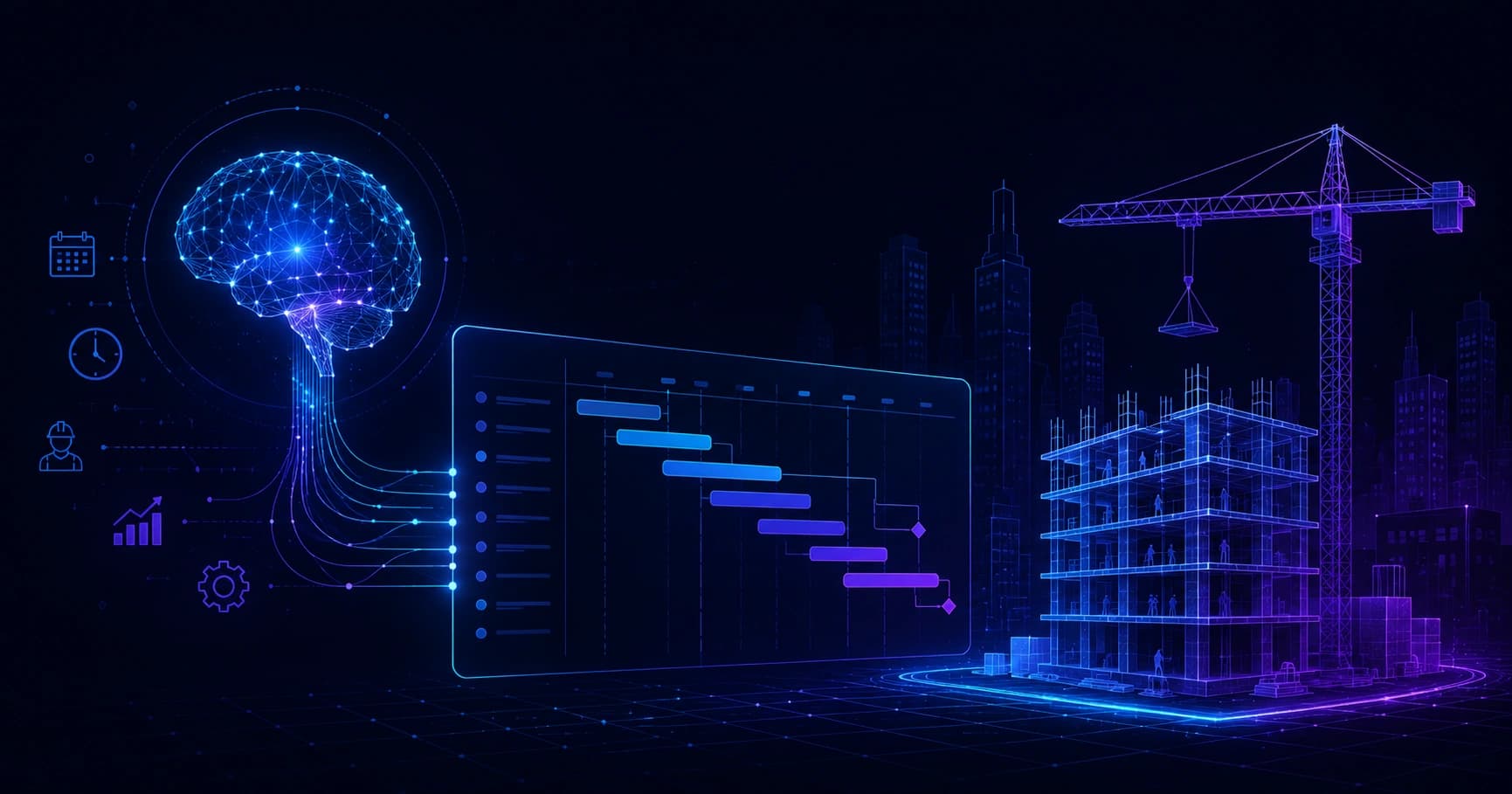
Discover how Artificial Intelligence in Construction Scheduling improves accuracy, reduces delays, optimizes resources, and reshapes modern project planning.
Artificial Intelligence in Construction Scheduling
Construction projects rarely go exactly as planned. Weather, supply chain hiccups, labor shortages, and last-minute design changes can throw even the most carefully built timeline into chaos. For decades, project managers relied on spreadsheets, gut instinct, and static Gantt charts to keep things moving. Today, that approach is being transformed by Artificial Intelligence in Construction Scheduling, a technology that analyzes vast amounts of project data to predict, plan, and adapt in real time.
At its core, AI-driven scheduling brings a level of precision and foresight that manual planning simply cannot match. Instead of reacting to delays after they happen, teams can anticipate them and adjust before they cause expensive ripple effects. This shift is helping contractors deliver projects faster, safer, and within budget. Companies like ZoneTechify and WebPeak are part of a growing movement applying intelligent automation to industries that were once slow to digitize.
What Is AI-Powered Construction Scheduling?
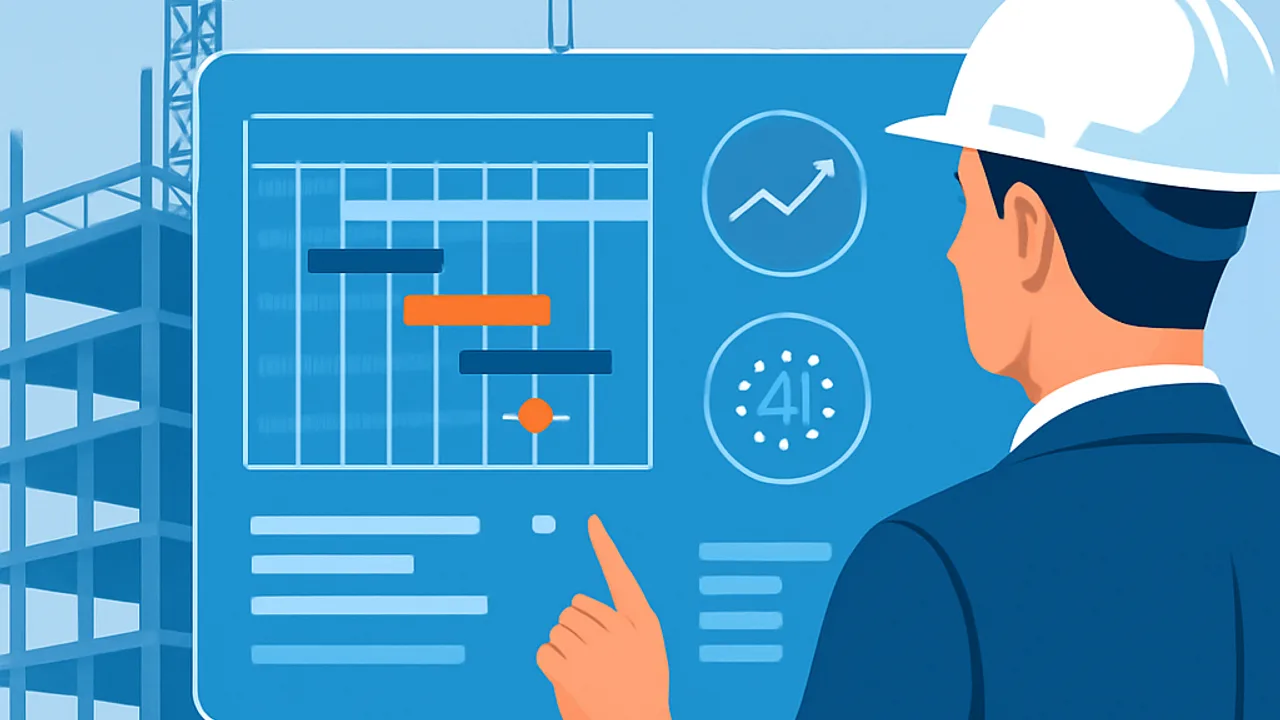
AI-powered construction scheduling uses machine learning algorithms to process historical and live project data, then generate optimized timelines automatically. Rather than depending solely on a planner's experience, the system learns from thousands of past projects to understand how tasks interact, where bottlenecks form, and which sequences deliver the best outcomes.
These tools ingest data from many sources: project blueprints, equipment availability, crew productivity rates, material lead times, and even weather forecasts. The AI then builds a schedule that accounts for dependencies and constraints that a human might overlook. As conditions change on site, the model recalculates and recommends adjustments instantly.
The result is a living schedule rather than a static document. It evolves with the project, flagging risks early and suggesting practical solutions. This is a fundamental change from traditional planning, where a single delay could quietly cascade for weeks before anyone noticed.
Why Traditional Scheduling Falls Short
Classic scheduling methods like the Critical Path Method (CPM) remain valuable, but they were designed for a slower, more predictable era. A traditional schedule is only as good as the assumptions baked into it on day one. When reality diverges, updating the plan manually is tedious and error-prone.
Consider a few common problems:
- Static plans become outdated the moment work begins.
- Updates depend heavily on one or two experienced planners.
- Risk is identified reactively, not proactively.
- Data lives in silos, disconnected from the field.
These limitations lead to the industry's chronic challenges: cost overruns, missed deadlines, and disputes. Artificial intelligence addresses these gaps by keeping data connected, current, and actionable.

Key Benefits of AI in Construction Scheduling
The advantages of adopting intelligent scheduling extend across the entire project lifecycle. Here are the most impactful benefits teams are seeing today.
1. Greater Accuracy and Realistic Timelines
Because AI learns from real performance data, the schedules it produces reflect how work actually unfolds, not how planners hope it will. This produces more realistic durations and fewer surprises.
2. Faster Planning Cycles
What once took planners days can now happen in minutes. AI can generate, test, and compare multiple schedule scenarios rapidly, freeing teams to focus on strategy instead of data entry.
3. Reduced Costs
By minimizing idle equipment, preventing rework, and avoiding penalty-triggering delays, intelligent scheduling directly protects the bottom line.
4. Improved Collaboration
When everyone works from the same continuously updated schedule, communication improves between office and field teams, subcontractors, and clients.
Predictive Analytics: Seeing Problems Before They Happen
One of the most powerful aspects of AI is predictive analytics. By recognizing patterns in historical data, machine learning models can forecast the likelihood of delays, budget overruns, or safety incidents with surprising accuracy.
For example, if a model notices that concrete pours scheduled during a certain season historically face weather delays, it can recommend rescheduling or adding buffer time. If a particular subcontractor consistently runs behind on similar tasks, the system flags that risk early so managers can intervene.
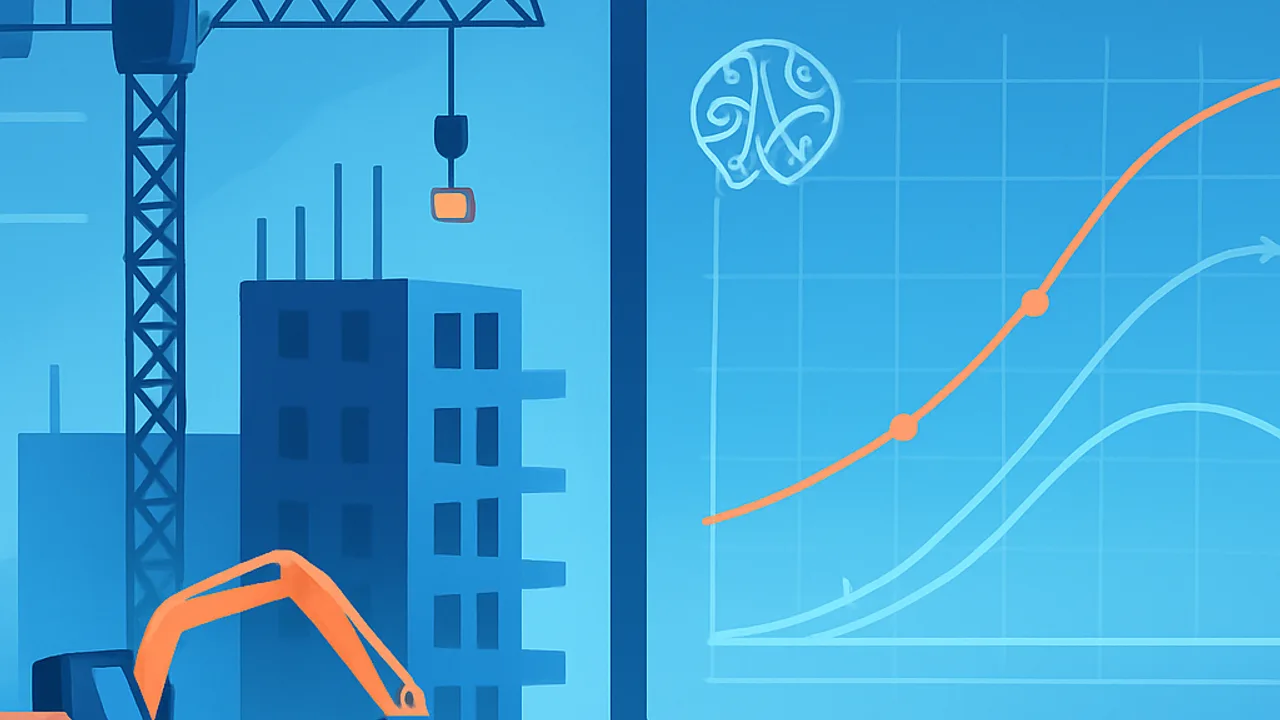
This predictive capability transforms project management from firefighting into strategic planning. Instead of explaining delays after the fact, managers prevent them. Businesses exploring this kind of advanced automation often partner with specialists in artificial intelligence services to build models tailored to their unique workflows and data.
Optimizing Resource Allocation
Resources, crews, machinery, and materials, are the lifeblood of any construction project, and they are also the most expensive things to waste. AI excels at allocating these resources efficiently across competing demands.
An intelligent scheduler can determine the optimal crew size for each phase, ensure equipment is shared smartly between tasks, and time material deliveries so nothing sits idle or runs short. When a delay occurs in one area, the system can automatically reassign resources to keep other parts of the project moving.
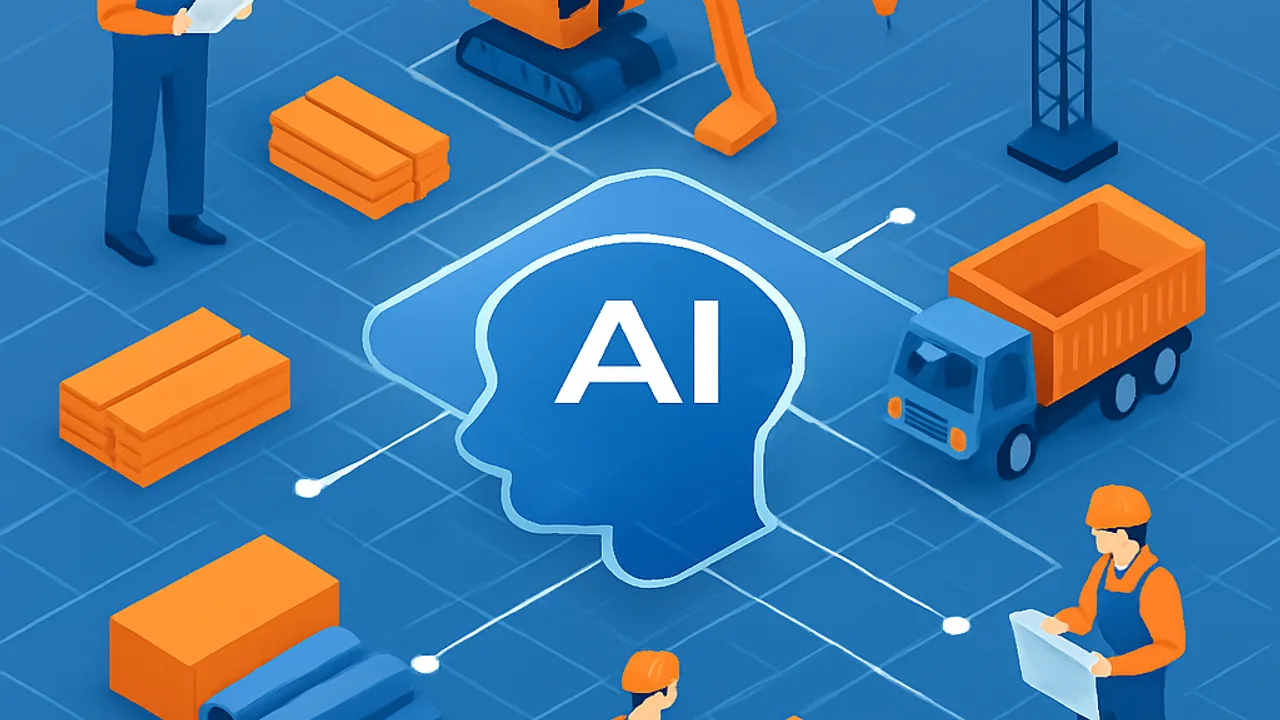
This level of optimization is nearly impossible to achieve manually on large, complex projects with hundreds of interdependent activities. AI handles the combinatorial complexity effortlessly, balancing dozens of variables at once to find the most efficient path forward.
Managing Risk and Improving Safety
Safety and risk management are deeply connected to scheduling. A rushed timeline often leads to cut corners and accidents, while poor sequencing can put crews in dangerous situations. AI helps mitigate these dangers by analyzing schedules through a risk-aware lens.
The technology can identify when too many trades are working in the same space simultaneously, flag high-risk task combinations, and ensure adequate time is allotted for safety-critical activities. By simulating different scenarios, managers can choose the sequence that minimizes both schedule risk and safety hazards.
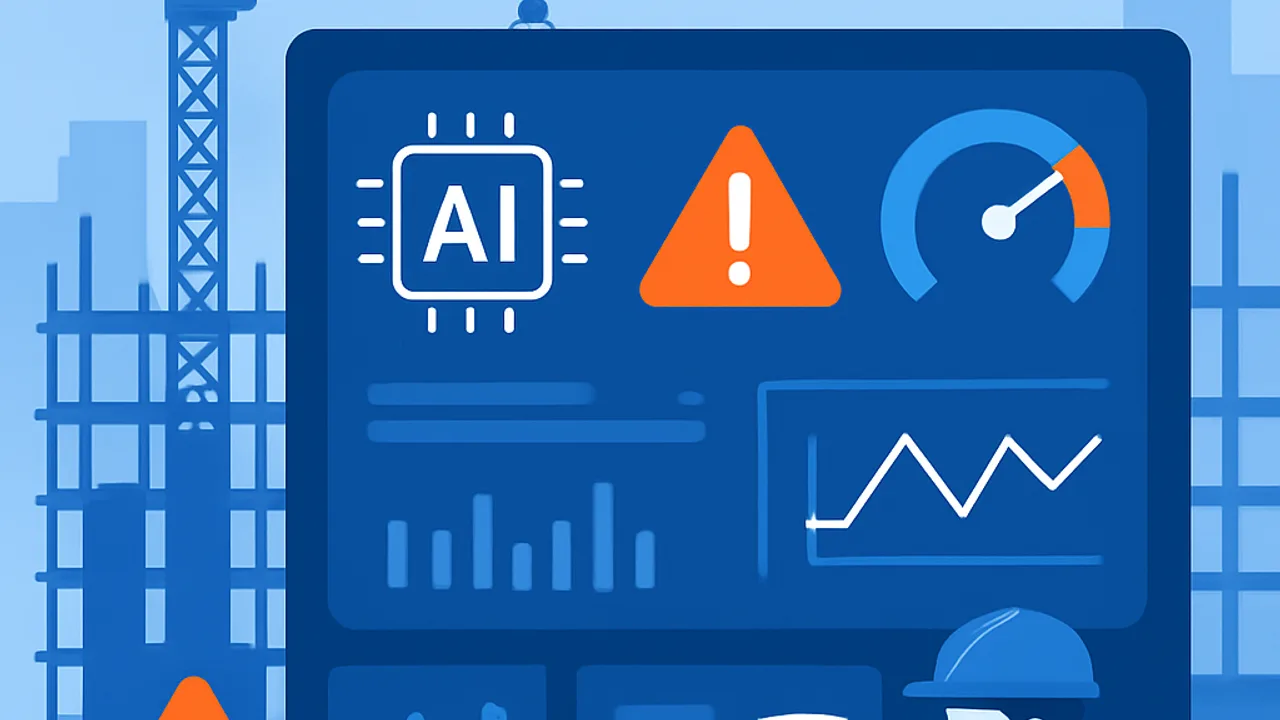
When integrated with on-site sensors and wearables, AI scheduling can even respond to live conditions, pausing or rerouting work when hazards are detected. This proactive stance protects both workers and project momentum.
Popular AI Construction Scheduling Tools
The market for intelligent scheduling software has expanded quickly. Below is a simple comparison of the kinds of capabilities teams should look for when evaluating solutions.
| Feature | Traditional Tools | AI-Powered Tools |
|---|---|---|
| Schedule updates | Manual | Automatic |
| Delay prediction | No | Yes |
| Resource optimization | Limited | Advanced |
| Scenario planning | Slow | Instant |
| Real-time adaptation | No | Yes |
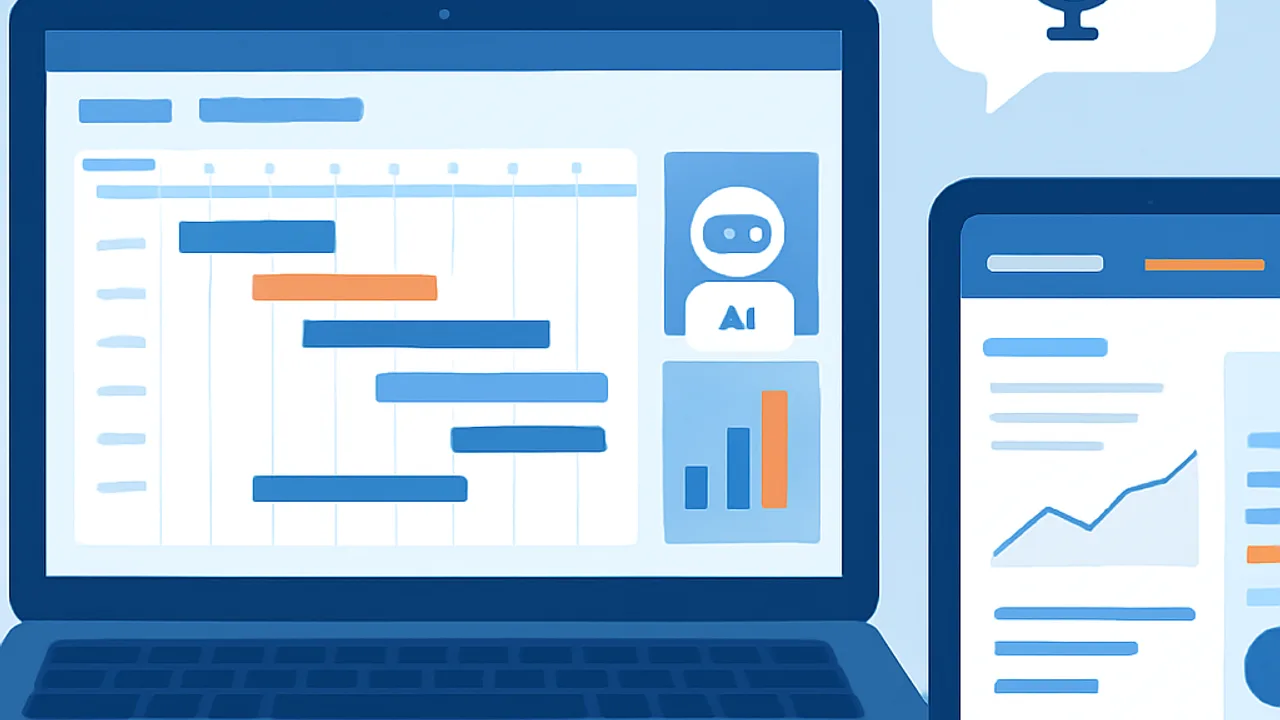
Many leading platforms now integrate directly with Building Information Modeling (BIM) systems, project management suites, and field reporting apps. This connectivity ensures the AI always works from accurate, current data. When selecting a tool, prioritize ease of integration, transparency in how recommendations are made, and the quality of the underlying data the model relies on.
How to Implement AI Scheduling Successfully
Adopting AI is not simply about buying software. Success depends on thoughtful implementation and a willingness to adapt established processes. Here are practical steps for getting started.
Start With Clean Data
AI is only as good as the data it learns from. Begin by organizing historical project records, standardizing how information is captured, and ensuring field teams report progress consistently.
Pilot Before Scaling
Choose a single project or phase to test the technology. A focused pilot lets you measure results, build internal confidence, and refine your approach before a company-wide rollout.
Invest in Training
Your team needs to trust and understand the tool. Provide training that explains not just how to use the software, but how to interpret its recommendations critically.
Keep Humans in the Loop
AI is a decision-support tool, not a replacement for experienced judgment. The best outcomes come from combining machine intelligence with human expertise. Organizations that need custom solutions often work with experienced artificial intelligence teams to integrate these systems into their existing operations smoothly.
The Future of AI in Construction Scheduling
The trajectory of this technology points toward even greater autonomy and integration. As models grow more sophisticated and data becomes more abundant, AI scheduling will move from advisory to increasingly autonomous management of project timelines.
Digital twins, virtual replicas of physical projects, will pair with AI to simulate entire builds before a single shovel hits the ground. Autonomous equipment will report its own progress and availability, feeding real-time data back into the schedule. Generative AI may soon draft complete project plans from a brief description, then refine them through conversation with the project manager.
We are also likely to see deeper integration with sustainability goals. AI can optimize schedules not only for time and cost but for carbon footprint, sequencing work to reduce energy use and waste. As regulations around sustainable building tighten, this capability will become a competitive advantage.
Overcoming Common Concerns
Despite the clear benefits, some teams hesitate to adopt AI scheduling. Common concerns include the cost of implementation, fear of job displacement, and skepticism about reliability.
It helps to reframe AI as a tool that augments rather than replaces people. It eliminates tedious data work so planners can focus on high-value strategy and relationships. The cost of adoption is typically recovered quickly through reduced delays and waste. And while no model is perfect, transparent systems that explain their reasoning earn trust over time.
The construction industry has historically been cautious about new technology, and for good reason, the stakes are high. But the firms embracing intelligent scheduling today are building a meaningful advantage in efficiency, safety, and profitability.
Conclusion
Artificial Intelligence in Construction Scheduling is no longer a futuristic concept; it is a practical tool delivering real results on job sites around the world. By turning static plans into dynamic, data-driven systems, AI helps teams predict problems, optimize resources, manage risk, and finish projects on time and on budget.
The transition requires clean data, smart implementation, and a commitment to blending technology with human expertise. But the payoff, fewer delays, lower costs, and safer sites, makes it well worth the effort. As the technology continues to mature, those who adopt it now will be best positioned to lead the next era of construction. To explore how intelligent solutions can transform your operations, visit ZoneTechify or WebPeak to learn more.