Is graphic design hard to learn? Discover the real learning curve, essential skills, timelines, and expert tips to master graphic design faster in 2026.
Is Graphic Design Hard
Every week, our design team at ZoneTechify hears the same question from career changers, students, and small business owners: is graphic design hard? After training junior designers and shipping hundreds of client projects, our honest answer is that graphic design is learnable for almost anyone, but it is harder than most beginners expect in specific, predictable ways. The tools are easy. The thinking is not.
This guide breaks down exactly which parts of graphic design are difficult, which parts are surprisingly easy, how long each stage realistically takes, and the proven shortcuts working designers use to compress the learning curve.
Quick Answer: Graphic design is moderately hard to learn. Software basics take 1 to 3 months, but developing strong design judgment — typography, color, layout, and visual hierarchy — typically takes 1 to 2 years of deliberate practice. It requires no natural drawing talent, but it does demand consistent practice, feedback, and the ability to accept critique.
What Makes Graphic Design Hard (and What Doesn't)
Graphic design is the practice of communicating a specific message visually using typography, color, imagery, and layout. That definition matters, because the hard part of design is the communication, not the decoration.
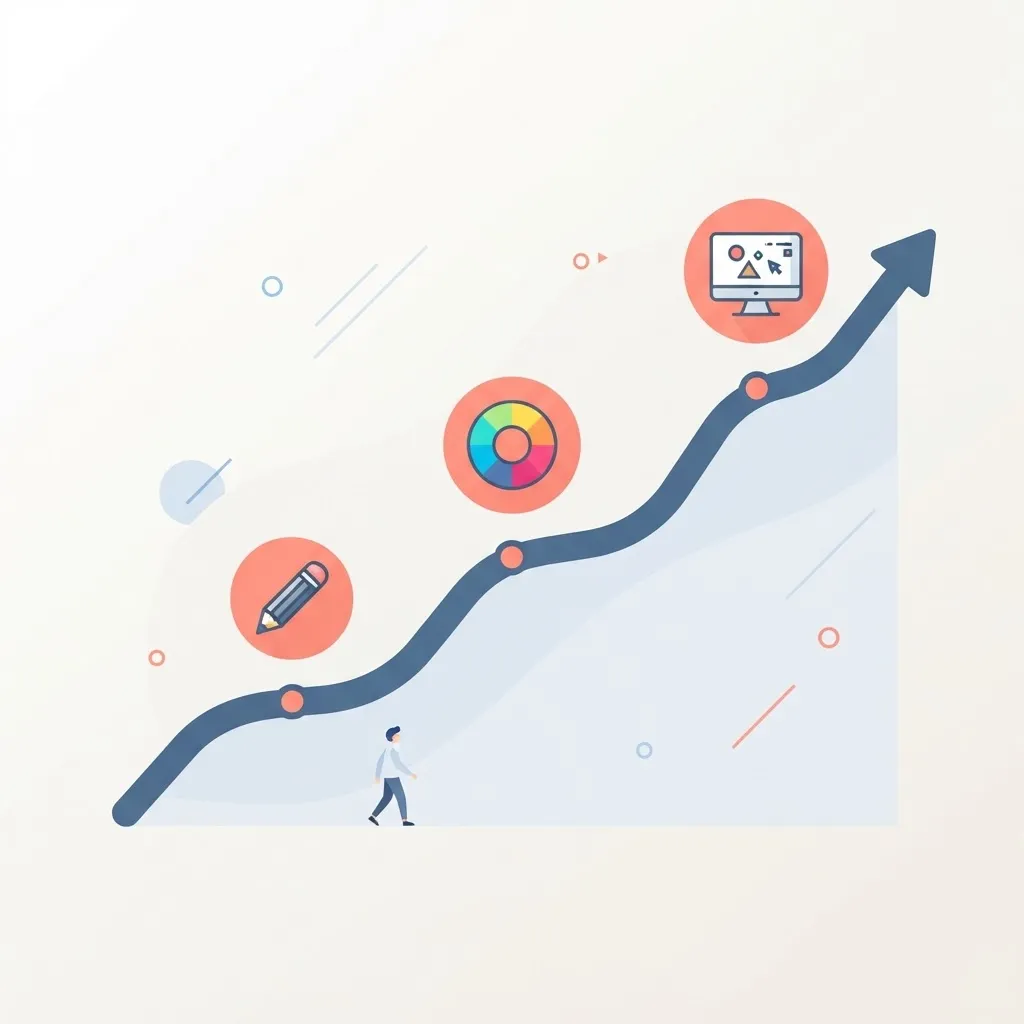
In our experience onboarding new designers, difficulty splits cleanly into two categories.
The Genuinely Hard Parts
- Design judgment. Knowing why a layout feels unbalanced or why two fonts clash takes years of exposure. Beginners can copy good work long before they can explain it.
- Client communication. Translating vague feedback like "make it pop" into concrete visual changes is a skill no tutorial teaches directly.
- Consistency under constraints. Real projects come with brand guidelines, deadlines, and file specifications. Working inside constraints is harder than designing freely.
- Handling critique. Your early work will be revised, rejected, and redone. Emotional resilience is an underrated design skill.
The Surprisingly Easy Parts
- Software. Tools like Figma and Canva are dramatically easier than the Photoshop-only era. Most people reach basic competence in weeks.
- Access to education. Free, high-quality courses now cover what once required a $40,000 degree.
- Templates and systems. Grid systems, type scales, and color palette generators remove much of the early guesswork.
The key insight: nobody quits design because the software is too hard. They quit because their taste outpaces their skill — they can see their work isn't good yet, and that gap is uncomfortable. Designers who push through that gap succeed.
The 4 Core Skills You Actually Need to Learn
Beginners often assume graphic design requires drawing ability. It does not. Most professional designers rarely draw. Instead, the field rests on four learnable skills.
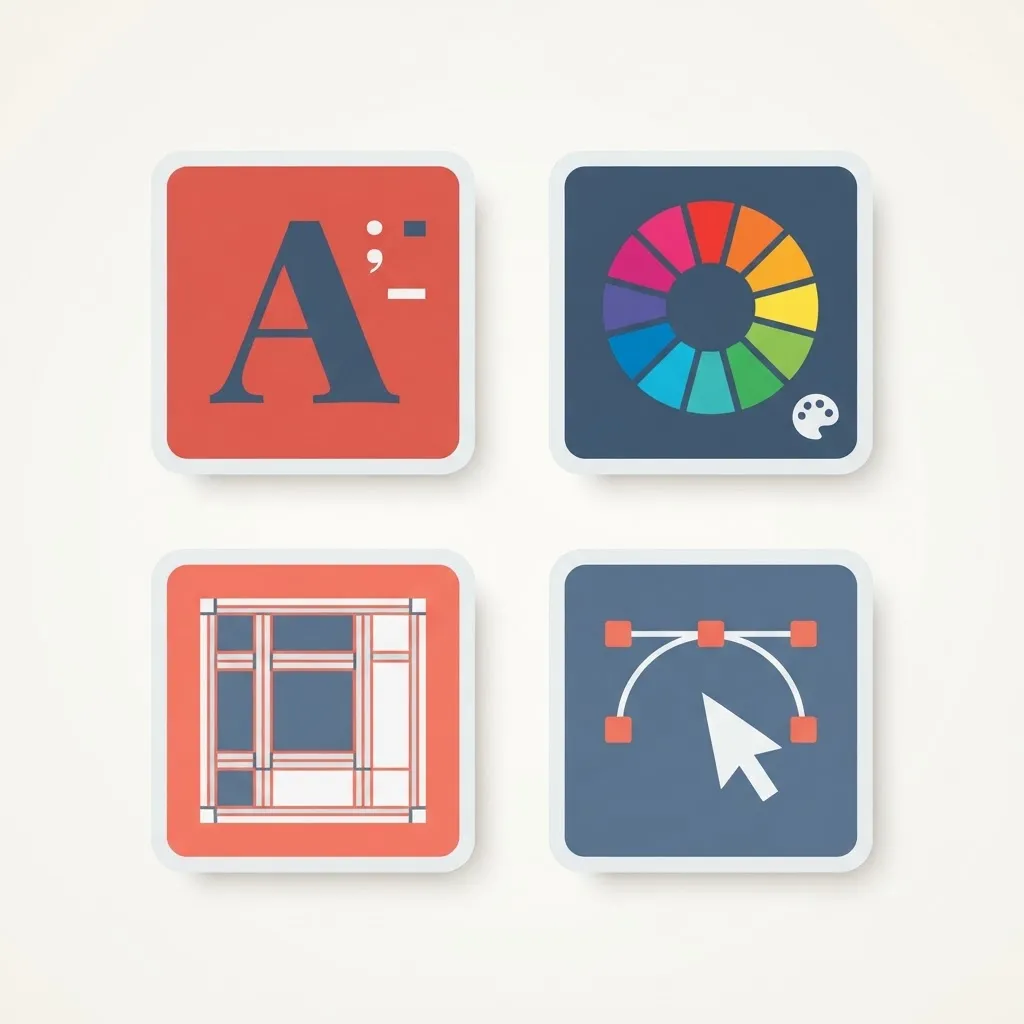
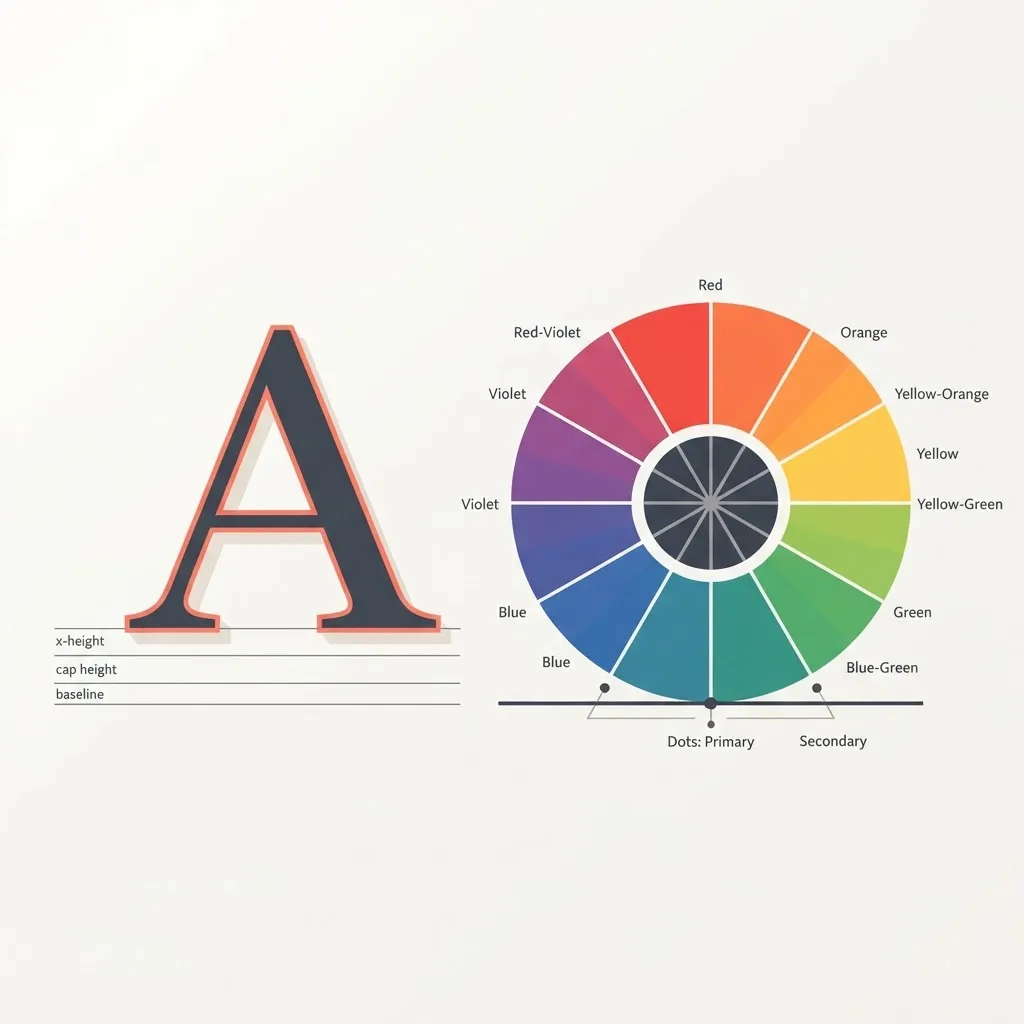
1. Typography
Typography is the arrangement of type to make written language legible and visually appealing. It is roughly 80% of most design work — websites, logos, posters, and packaging are all typography-first. Learn font pairing, hierarchy, line spacing, and letter spacing before anything else.
2. Color Theory
Color theory is the framework for choosing colors that work together and evoke intended emotions. Start with the 60-30-10 rule: 60% dominant color, 30% secondary, 10% accent. This single rule prevents most beginner color mistakes.
3. Layout and Composition
Layout is how elements are arranged on a page or screen. Grids, alignment, white space, and visual hierarchy determine whether a viewer's eye moves where you want it to. This is the skill that most separates amateurs from professionals.
4. Software Proficiency
You need working fluency in one vector tool (Illustrator or Figma), one raster tool (Photoshop), and one layout tool (InDesign or Figma). Figma alone now covers most digital design work, which is why we recommend beginners start there.
How Long Does It Take to Learn Graphic Design?
Based on the progression we see in junior designers, here is a realistic timeline with consistent practice of 5 to 10 hours per week.
| Stage | Timeframe | What You Can Do |
|---|---|---|
| Software basics | 1-3 months | Navigate Figma or Illustrator, recreate existing designs |
| Fundamental principles | 3-6 months | Apply typography, color, and layout rules deliberately |
| Portfolio-ready work | 6-12 months | Produce original designs good enough for entry-level jobs |
| Professional judgment | 1-2 years | Solve client problems, defend design decisions, work fast |
| Senior-level mastery | 3-5+ years | Lead brand systems, mentor others, set creative direction |
Two data points put this in context. The U.S. Bureau of Labor Statistics reports the median graphic designer salary at roughly $58,910 per year, with about 21,600 job openings projected annually through the early 2030s — meaning the market consistently absorbs new designers despite AI tools. And according to research popularized by the Nielsen Norman Group, users form impressions of visual design in as little as 50 milliseconds, which is exactly why businesses keep paying for skilled designers: first impressions are decided before a single word is read.

Self-Taught vs. Formal Education: Which Path Is Harder?
Both routes produce working professionals. The difficulty is distributed differently.

| Factor | Self-Taught | Design Degree |
|---|---|---|
| Cost | $0 - $2,000 | $30,000 - $120,000 |
| Time to job-ready | 12-24 months | 3-4 years |
| Structured feedback | No - must seek it out | Yes - built into critique culture |
| Portfolio quality | Depends on discipline | Guided by instructors |
| Hiring barrier | Portfolio must prove everything | Degree opens some doors |
| Discipline required | Very high | Moderate |
Our take, having hired both: portfolios beat credentials in this industry. A self-taught designer with 10 strong, well-explained projects will out-interview a graduate with a thin portfolio every time. The self-taught path is harder day to day because you must manufacture your own structure and feedback — but it is faster and cheaper if you stay disciplined.
The Feedback Problem (and How to Solve It)
The single biggest disadvantage of learning alone is the absence of critique. Fix it deliberately:
- Post work to design communities like Dribbble, Behance, or Reddit's design critique threads weekly.
- Recreate professional designs, then compare yours side by side and list every difference.
- Find one designer further along than you and trade feedback monthly.
A Practical 6-Month Plan to Make Design Less Hard
Difficulty drops sharply when learning is sequenced correctly. This is the order we recommend to every beginner we mentor.

- Month 1: Learn Figma only. One tool, every day, 30 minutes minimum. Recreate real app screens and posters pixel by pixel.
- Month 2: Typography deep dive. Study 5 classic typefaces, practice pairing, and redesign badly typeset flyers you find in the real world.
- Month 3: Color and layout. Apply the 60-30-10 rule and an 8-point grid to every exercise. Constraints accelerate learning.
- Month 4: Copy the masters. Recreate 10 award-winning designs, then write one paragraph per piece explaining why it works.
- Month 5: Original projects. Design 3 fictional brand identities end to end — logo, palette, type system, and one applied mockup.
- Month 6: Portfolio and feedback. Publish your 5 best pieces with written case studies, then iterate based on community critique.
Designers who follow a sequence like this consistently outpace those who bounce between random tutorials, because each skill compounds on the previous one.
Is Graphic Design Still Worth Learning in the AI Era?
Yes — but the bar has moved. AI tools now generate passable social graphics in seconds, which has eliminated demand for purely decorative, low-skill design work. What AI has not replaced is design judgment: understanding a business problem, choosing the right visual strategy, maintaining brand consistency across dozens of touchpoints, and defending decisions to stakeholders.
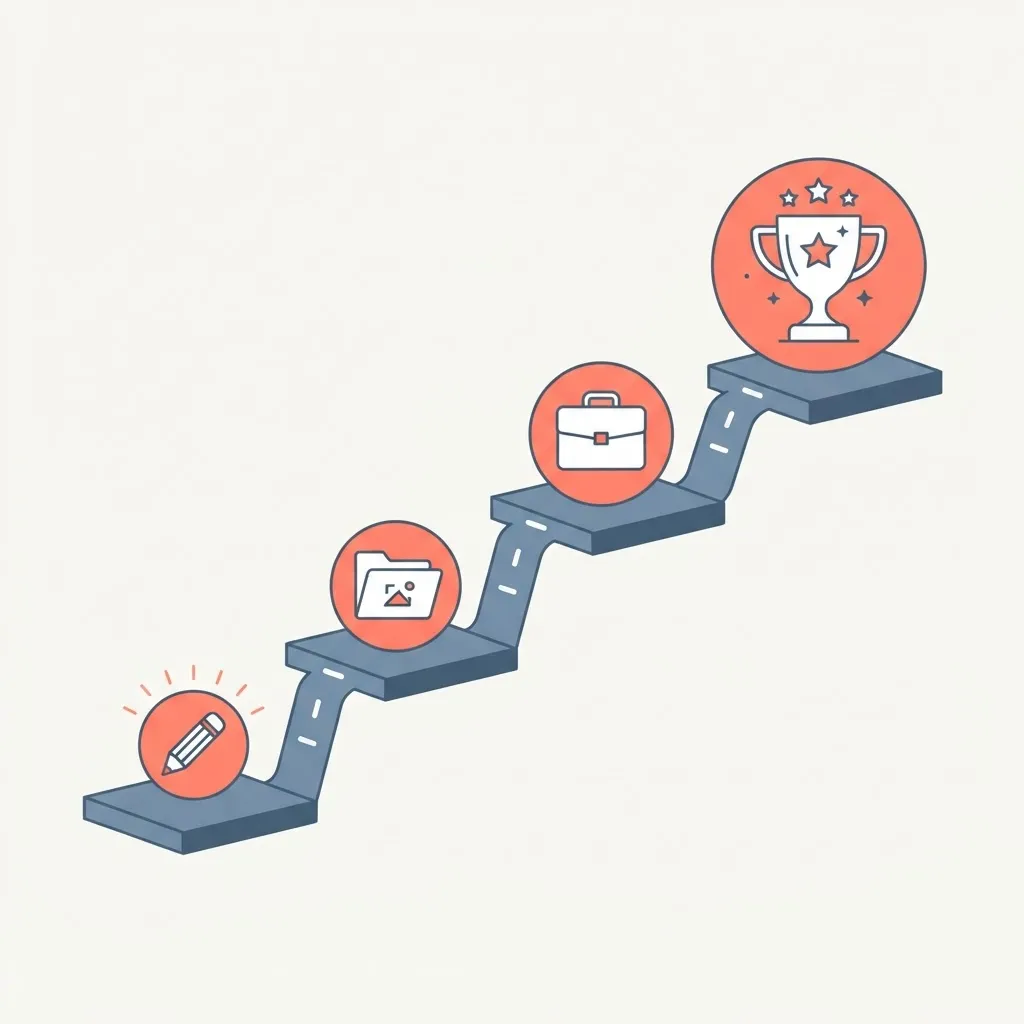
In practice, we see AI making skilled designers faster rather than obsolete — production tasks that took hours now take minutes, shifting the designer's value toward strategy and direction. That is precisely why businesses that need brand-consistent, conversion-focused visuals still invest in professional graphic design services rather than relying on generated output alone. Teams like WebPeak see the same pattern across digital projects: tools change quickly, but the demand for trained visual judgment keeps growing.
The honest conclusion: graphic design is harder to be mediocre at than it used to be, and exactly as hard as it always was to be genuinely good at.
Key Takeaways
- Graphic design is moderately hard: software takes 1-3 months, but professional design judgment takes 1-2 years of deliberate practice.
- No drawing talent is required — typography, color theory, layout, and software fluency are the four core learnable skills.
- The median U.S. graphic designer salary is about $58,910, with roughly 21,600 annual job openings projected through the early 2030s.
- Users judge visual design in as little as 50 milliseconds, which is why skilled design directly affects business results.
- Self-taught designers can reach job-ready level in 12-24 months for under $2,000, but must deliberately seek critique.
- Portfolios beat degrees in hiring — 5 strong, well-explained projects outperform credentials.
- AI has eliminated low-skill decorative work but increased the value of design strategy and judgment.
Frequently Asked Questions (FAQ)
Is graphic design hard for beginners?
The first three months are the easiest part — modern tools like Figma and Canva are beginner-friendly. The genuinely hard stretch comes later, when your taste exceeds your skill and your work looks worse than you want. Beginners who practice daily and seek critique push through this gap within a year.
Can I learn graphic design without knowing how to draw?
Yes, absolutely. Most professional graphic designers rarely draw. The job centers on typography, color, layout, and visual problem-solving, not illustration. Drawing helps with quick concept sketching, but stick figures are enough. Illustration is a separate specialty you can ignore entirely and still build a successful design career.
How long does it take to become a graphic designer?
With 5 to 10 hours of weekly practice, expect software competence in 1 to 3 months, a job-ready portfolio in 6 to 12 months, and confident professional judgment in 1 to 2 years. Full-time immersive learners compress this timeline significantly, sometimes reaching entry-level readiness in 6 months.
Is graphic design a good career in 2026?
Yes, for designers who develop strategic judgment. The U.S. median salary sits near $58,910, and demand remains steady with tens of thousands of openings each year. AI has removed low-skill production work, so the career now rewards designers who solve brand and communication problems, not just decorate.
Is graphic design harder than web development?
They are hard in different ways. Web development has a steeper technical learning curve early on, with strict logic and syntax. Graphic design is easier to start but harder to master, because success depends on subjective judgment that takes years to calibrate. Many professionals find design's ambiguity more challenging than code.
Do I need a degree to get a graphic design job?
No. Most employers hire based on portfolio quality, not credentials. A self-taught designer with five strong, well-documented case studies regularly beats degree holders with weak portfolios. A degree provides structure, critique, and networking, but free courses plus disciplined practice can achieve the same job outcome for far less money.