
Learn whether graphic design is included in web design, how the two disciplines overlap, what each covers, and which specialist your project actually needs.
Is Graphic Design Included in Web Design
If you have ever requested a quote for a new website and wondered whether the logo, color palette, and imagery are part of the deal, you are asking one of the most common questions in the industry. Business owners frequently assume web design and graphic design are the same service, then discover mid-project that branding, illustrations, or print-ready assets were never in the scope. That confusion costs real money in change orders and delays.
Having scoped and delivered hundreds of website projects at agencies like ZoneTechify and WebPeak, our team has seen exactly where these two disciplines overlap and where they split. This guide gives you the direct answer, a practical breakdown of what each service includes, and a clear framework for deciding who to hire.
Quick Answer: Yes, graphic design is partially included in web design. Web designers apply core graphic design principles like typography, color theory, layout, and visual hierarchy to build websites. However, web design does not automatically include standalone graphic design deliverables such as logo creation, full brand identity systems, or print materials, which usually require a dedicated graphic designer.
What Is Graphic Design?
Graphic design is the discipline of communicating ideas visually through typography, imagery, color, and composition. A graphic designer creates static visual assets: logos, brand identity systems, brochures, packaging, social media graphics, posters, infographics, and advertising creative. The output can live in print or on screen, but the core skill is the same, which is arranging visual elements so a message lands clearly and memorably.
Graphic design is measured by communication effectiveness. Does the logo feel trustworthy? Does the brochure guide the eye to the offer? Does the ad stop the scroll? Those are graphic design questions.
What Is Web Design?
Web design is the practice of planning and designing the visual layout, user interface, and user experience of websites. It covers page structure, navigation systems, responsive behavior across screen sizes, interactive states like hovers and form validation, and accessibility. Modern web design also accounts for loading performance, because visual choices directly affect how fast a page renders.
Web design is measured by usability and outcomes. Can a visitor find the pricing page in two clicks? Does the checkout work on a phone? Does the layout guide people toward a conversion? Those are web design questions.
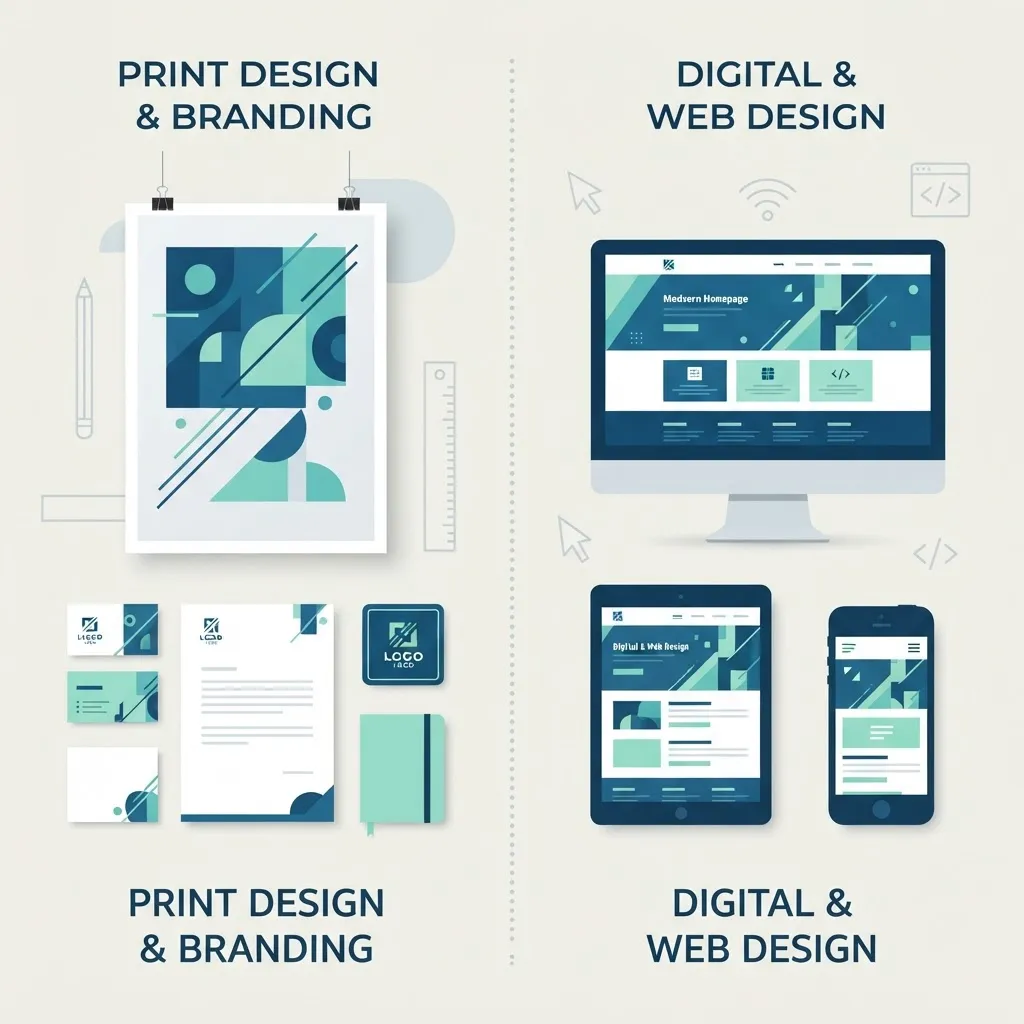
Is Graphic Design Included in Web Design? The Direct Answer
Graphic design is included in web design as a foundational skill set, but not as a full standalone service. Every competent web designer uses graphic design principles daily: establishing visual hierarchy on a homepage, pairing fonts for headings and body text, choosing a color system with proper contrast, and composing hero sections that balance imagery with copy. In that sense, web design is a specialized branch of graphic design applied to interactive screens.
What a standard web design engagement usually does not include is the creation of original brand assets. If you arrive without a logo, brand guidelines, or product photography, most web design contracts expect you to supply them. Some studios bundle branding into a larger package, but that is an explicit add-on, not a default. The practical takeaway: always confirm in writing whether logo design, custom illustration, icon creation, and image sourcing are inside your web design scope.
The stakes are high because visuals drive first impressions online. According to research published by Google, users form an aesthetic judgment of a web page in as little as 50 milliseconds, which means visual design quality is evaluated before a single word is read. Separately, the Stanford Web Credibility Project found that roughly 75% of users judge a company's credibility based on its website design. Skimping on the graphic design layer of a website is not a cosmetic decision; it is a credibility decision.

Where Graphic Design Shows Up Inside Web Design
Understanding exactly where graphic design lives inside a web project helps you scope work accurately. Here are the main touchpoints.
Brand Identity and Logo Usage
A web designer applies your existing logo and brand guidelines to the site: correct clear space, approved color variants, and proper placement in the header and footer. Creating that logo or defining the brand system in the first place is graphic design work. If your brand assets are outdated or missing, a dedicated graphic design service should happen before the website build, because retrofitting a new brand into a finished site means redoing color tokens, imagery, and layouts.
Typography and Color Systems
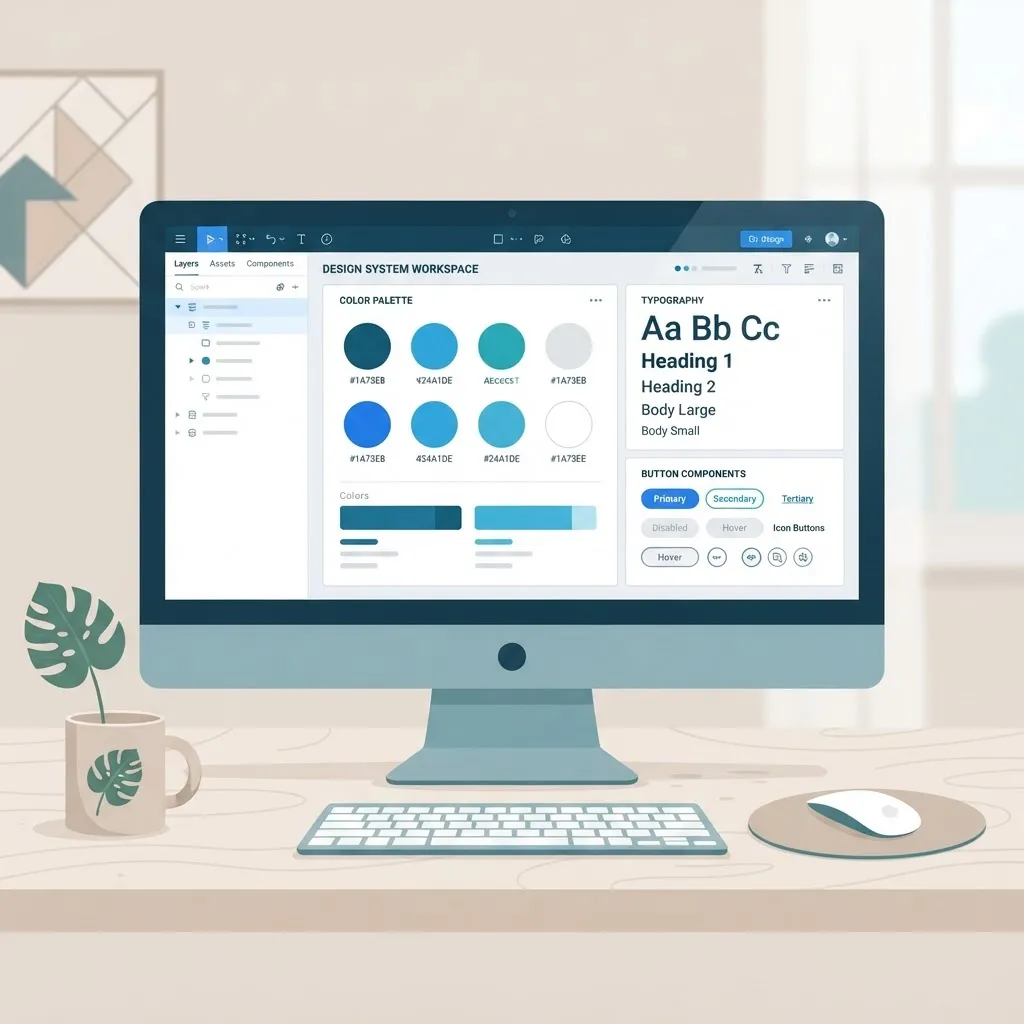
Web designers make graphic design decisions constantly here: selecting a maximum of two font families, defining a type scale for headings and body copy, and building a color palette that meets WCAG contrast ratios for accessibility. These choices come straight from classic graphic design theory, adapted for screens where rendering, licensing, and loading weight matter.
Imagery, Icons, and Illustration
Hero images, product photos, custom icons, and illustrations are graphic design assets embedded in a web layout. A web designer will place and crop them expertly, but producing original illustrations or a custom icon set is typically a separate graphic design deliverable with its own budget line.
Graphic Design vs Web Design: Key Differences
The fastest way to see the boundary is a side-by-side comparison of how each discipline operates.
| Aspect | Graphic Design | Web Design |
|---|---|---|
| Primary output | Static visuals (logos, print, graphics) | Interactive websites and interfaces |
| Medium | Print and digital images | Browsers and devices |
| Key skills | Typography, composition, branding | Layout, UX, responsive design, accessibility |
| Interactivity | No | Yes (clicks, forms, navigation) |
| Responsive constraints | No | Yes (must adapt to all screen sizes) |
| Performance concerns | No | Yes (file size affects load speed) |
| Common tools | Illustrator, Photoshop, InDesign | Figma, HTML/CSS knowledge, design systems |
| Success metric | Message clarity and brand recall | Usability, engagement, conversions |
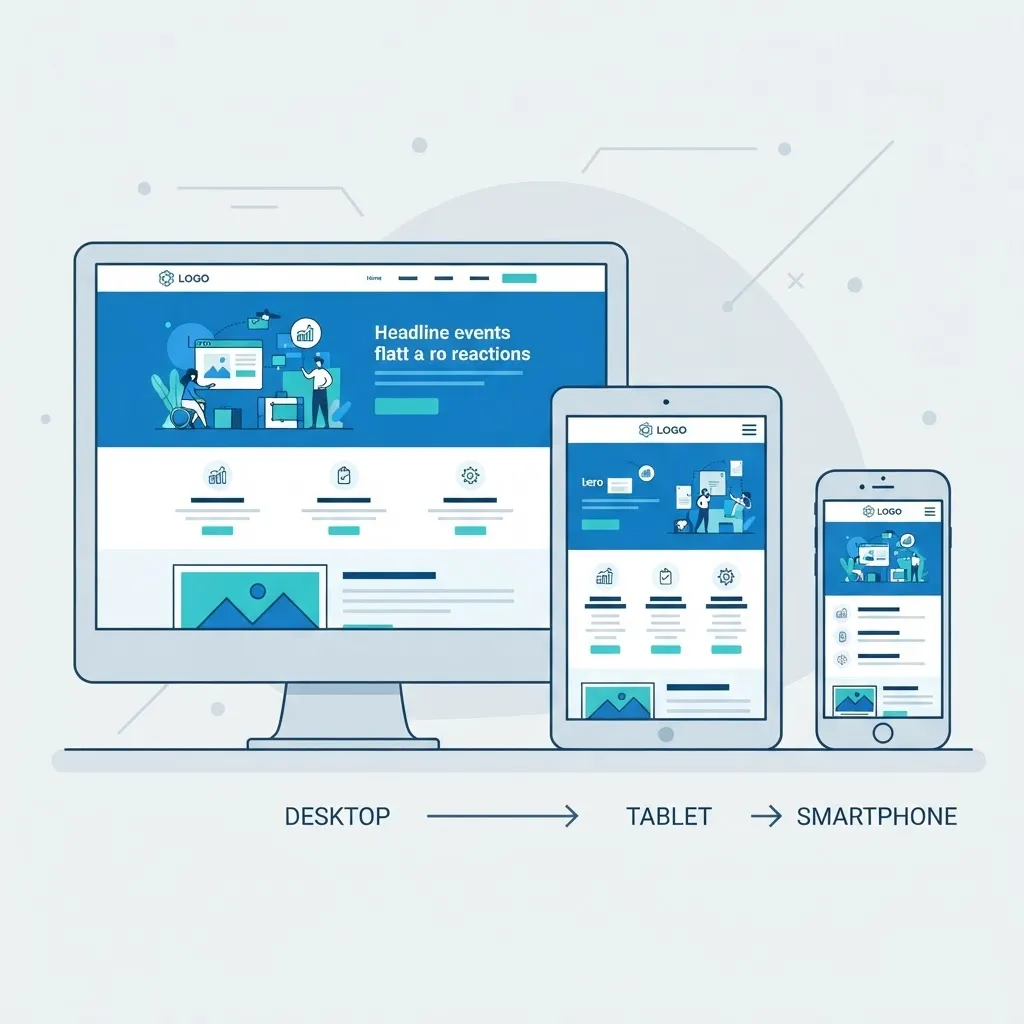
The biggest practical difference is that web design is never final in the way a printed poster is final. A website must adapt to a 320-pixel phone screen and a 27-inch monitor, respond to user input, and load quickly on slow connections. Graphic designers control every pixel of a fixed canvas; web designers design flexible systems that behave predictably under conditions they cannot fully control.
What Web Design Adds Beyond Graphic Design
Web design layers several competencies on top of visual design that pure graphic design does not require. First is responsive design: since Google moved to mobile-first indexing, a layout that breaks on phones actively harms search visibility, so web designers plan mobile layouts before desktop ones. Second is interaction design, covering button states, form feedback, menus, and transitions that give users confidence the interface is responding. Third is accessibility, meaning keyboard navigation, screen reader compatibility, and color contrast compliance. Fourth is performance awareness: an unoptimized 2 MB hero image is a design failure on the web, because visitors abandon slow pages. Adobe research found that 38% of visitors will stop engaging with a website if the content or layout is unattractive, and slow, broken layouts read as unattractive instantly.
This is also why website imagery gets exported in modern formats like WebP at compressed sizes, why fonts get subset, and why decorative flourishes get weighed against load time. A professional web development team treats every visual asset as both a design element and a performance budget item.
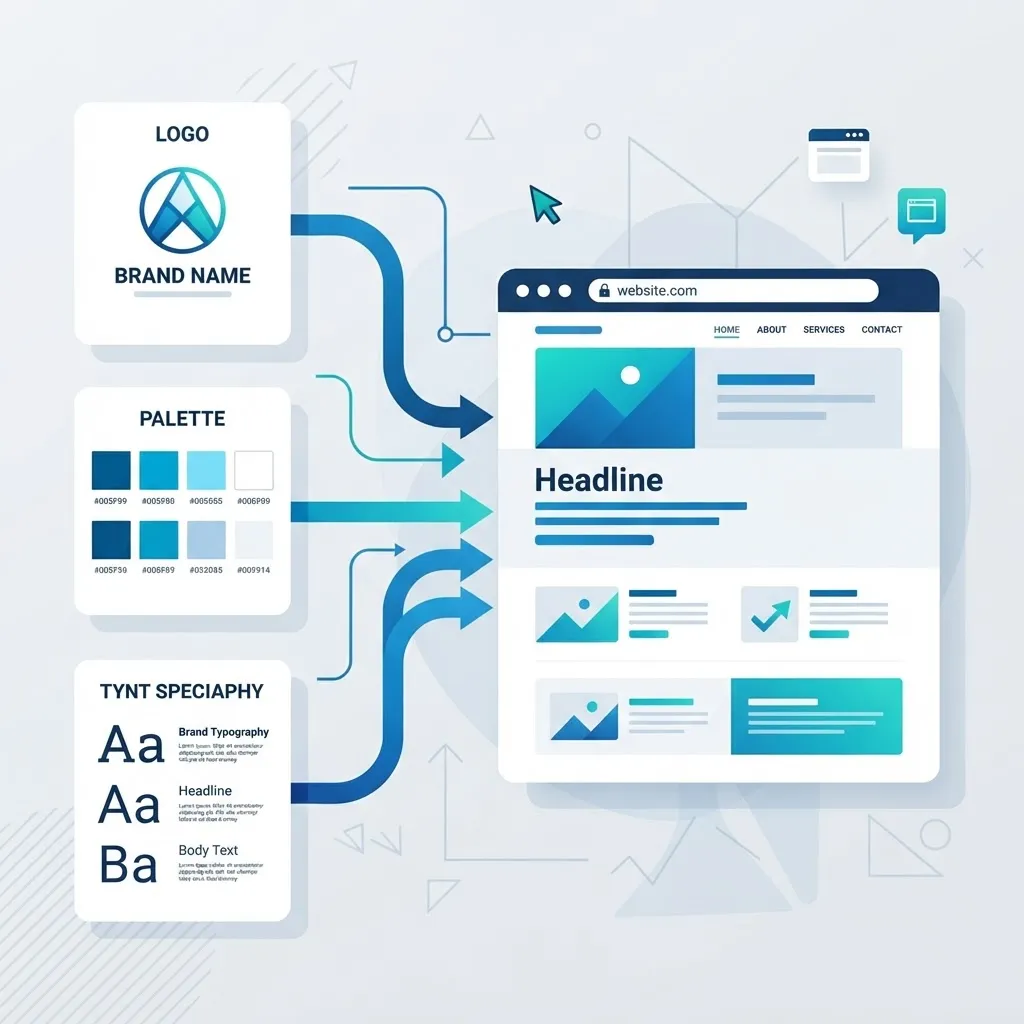
How Graphic Design and Web Design Work Together in a Real Project
In a well-run project, the two disciplines operate in a deliberate sequence rather than in competition. Based on the delivery process we use across client work, here is the workflow that consistently avoids rework:
- Brand foundation first. A graphic designer finalizes the logo, color palette, typography, and brand guidelines. This becomes the single source of truth.
- Design system translation. The web designer converts brand guidelines into digital tokens: web-safe color values, font loading strategy, spacing scales, and reusable components.
- Wireframes and layout. Page structures are planned around user goals and content priorities before any polish is applied.
- High-fidelity design. Graphic design assets (photography, icons, illustrations) are integrated into responsive page designs.
- Build and optimize. Assets are exported, compressed, and implemented, then tested across devices and audited for accessibility.
When this order is respected, the brand feels consistent from business card to homepage. When it is skipped, you get a site whose visuals fight the brand, which erodes the credibility that design exists to build.

Should You Hire a Graphic Designer or a Web Designer?
Use this decision framework, which mirrors how agencies scope inbound projects:
- Hire a graphic designer if you need a logo, brand identity, print materials, packaging, social media templates, or ad creative, and your website is already handled.
- Hire a web designer if your brand assets exist and you need a new site, a redesign, landing pages, or UX improvements.
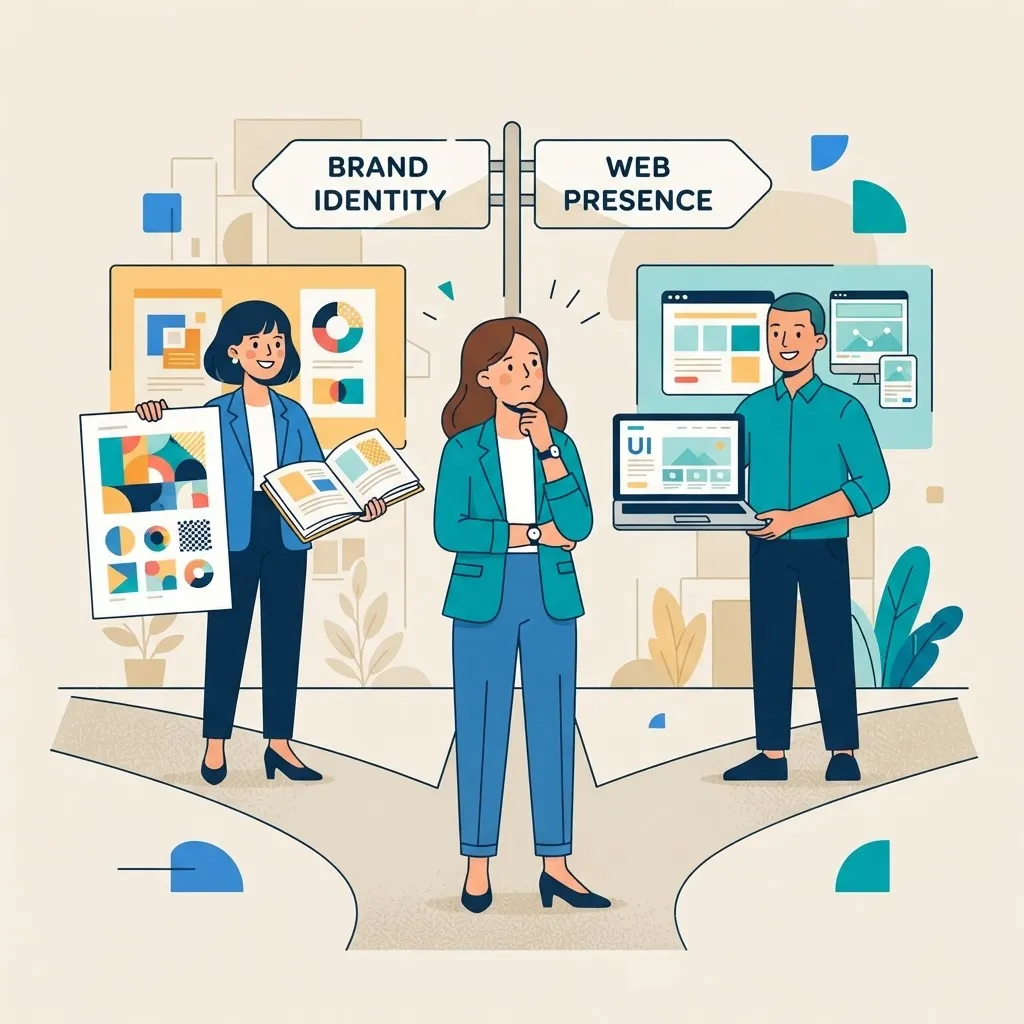
- Hire both (or a full-service team) if you are launching a new business or rebranding, because building a website on top of an unfinished brand guarantees expensive revisions.
One warning from experience: a strong graphic designer is not automatically a strong web designer, and vice versa. Portfolios tell the truth. Ask a graphic designer to show live websites they designed, and ask a web designer to show brand systems they created. If either portfolio is thin in the area you need, hire a specialist for that piece rather than hoping one person covers both.
Key Takeaways
- Graphic design principles (typography, color, hierarchy, composition) are built into web design, so every web design project includes graphic design thinking.
- Standalone graphic design deliverables like logos, brand identities, custom illustrations, and print assets are usually not included in a standard web design scope.
- Users form aesthetic judgments of web pages in about 50 milliseconds according to Google research, making visual design quality a first-impression factor.
- The Stanford Web Credibility Project found roughly 75% of users judge company credibility by website design.
- Adobe research shows 38% of visitors stop engaging with unattractive layouts, tying visual design directly to engagement.
- Web design adds responsive layouts, interactivity, accessibility, and performance optimization on top of graphic design fundamentals.
- The correct project sequence is brand identity first, then web design, to avoid costly rework.
- Always confirm in writing which visual assets are included in your web design contract before signing.
Frequently Asked Questions
Do web designers also do graphic design?
Most web designers have working graphic design skills because typography, color, and layout are core to their job. However, many do not offer specialized services like logo creation or print design. Always review a web designer's portfolio for the specific graphic design deliverables you need before assuming they are included.
Do I need a graphic designer if I already have a web designer?
You need a graphic designer if you lack a logo, brand guidelines, or custom visual assets like illustrations and icons. If your brand identity already exists and you only need it applied to a website, a skilled web designer can typically handle the project without additional graphic design support.
Which should come first, graphic design or web design?
Graphic design should come first. Your logo, colors, and typography form the foundation that the entire website is built on. Designing a website before the brand is finalized forces expensive revisions later, because every page, component, and image must be updated to match the new identity.
Is web design harder than graphic design?
Neither is harder; they demand different skills. Web design adds technical constraints like responsive layouts, accessibility standards, interactivity, and page speed that graphic design does not have. Graphic design demands deeper mastery of branding, print production, and pure visual communication. Difficulty depends entirely on which skill set you are starting from.
Can one person do both graphic design and web design?
Yes, hybrid designers exist and can be excellent for small projects with limited budgets. For larger projects, specialists usually produce stronger results because each discipline is deep. Verify a hybrid designer's portfolio shows professional-level work in both areas, not strong work in one and average work in the other.
How much graphic design is included in a typical website package?
A typical website package includes layout design, typography selection, color application, stock image sourcing, and basic image editing. It usually excludes logo design, brand identity creation, custom illustration, custom iconography, and print materials. Ask for an itemized deliverables list so nothing you expect is silently out of scope.
Final Thoughts
Graphic design is woven into web design at the level of principles, but it is not bundled in at the level of deliverables. Treat them as two connected services: build the brand first, then design the website that expresses it. If you scope both correctly from day one, you get a site that looks credible in 50 milliseconds and keeps working long after the first impression.