A clear, human-first guide to the everyday AI things that quietly shape your apps, work, and decisions — plus how to use them wisely.
Just AI Things
Artificial intelligence stopped being a science-fiction plot a long time ago. Today it quietly recommends your next song, filters your spam, autocompletes your sentences, and reroutes your commute. These are the "just AI things" we barely notice anymore — small, invisible acts of intelligence stitched into daily life. Yet most people still cannot explain how any of it actually works, or where the real limits are.
This guide breaks down the AI things that matter most: what they are, how they operate, where they help, and where they quietly fail. It is written for humans first — no hype, no jargon walls — so you leave understanding AI well enough to use it confidently and question it intelligently.
Quick Answer: "Just AI things" refers to the everyday, often invisible ways artificial intelligence shows up in modern life — recommendations, autocomplete, spam filters, chatbots, and automation. These tools learn from data to make predictions or generate content, saving time while still requiring human judgment, oversight, and verification.
What Do We Actually Mean by "AI Things"?
AI things are the practical, real-world features powered by artificial intelligence that most people use without realizing it. They are not robots or sentient machines. They are pattern-recognition systems trained on large amounts of data to predict, classify, or generate something useful.
A useful definition: Artificial Intelligence is software that performs tasks normally requiring human intelligence — such as understanding language, recognizing images, or making decisions — by learning statistical patterns from data rather than following hand-written rules.
That distinction matters. Traditional software follows explicit instructions. AI systems infer their own rules from examples. When Netflix suggests a show or Gmail finishes your sentence, no engineer wrote "if user likes X, show Y." The system learned the association from millions of prior interactions.
The Everyday AI Things You Already Use
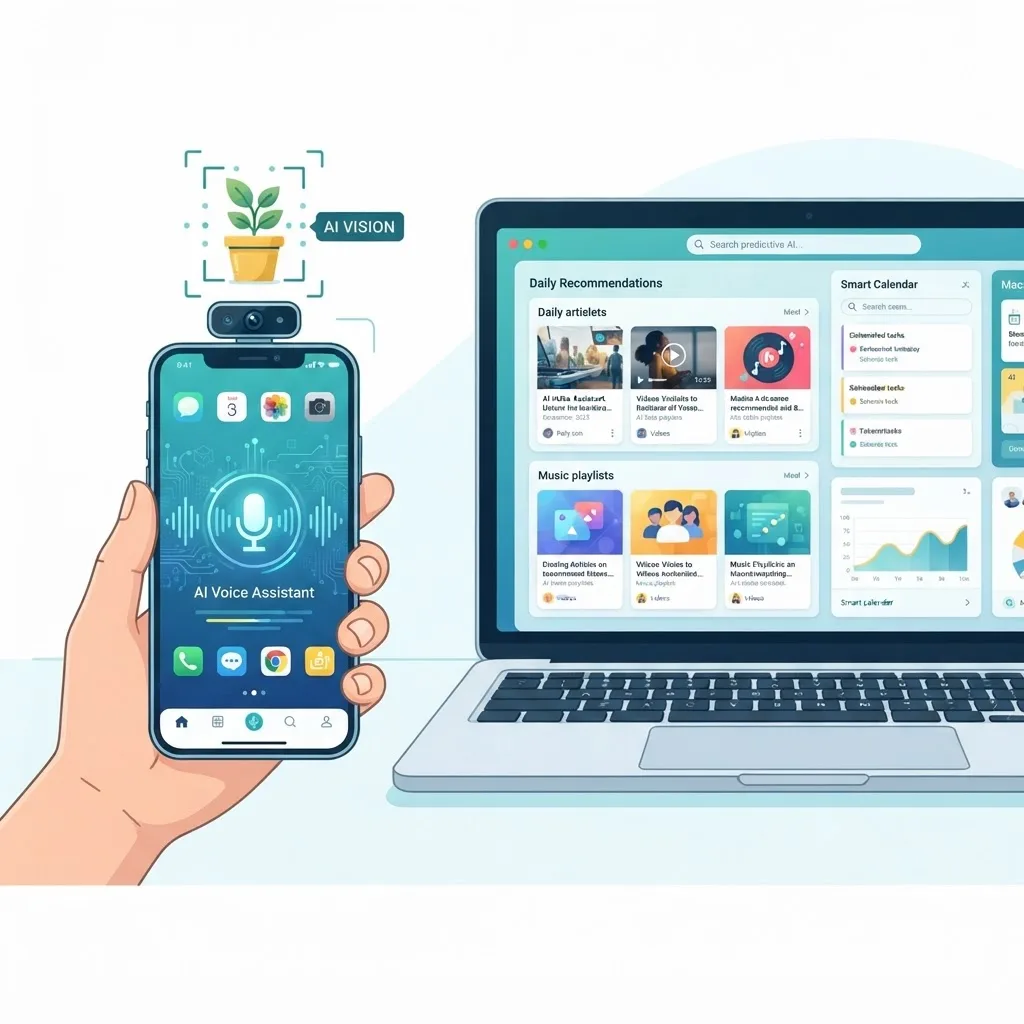
Most people interact with AI dozens of times before lunch. Here are the most common examples and what each one is really doing:
- Recommendation engines (Netflix, Spotify, YouTube, Amazon) predict what you will engage with next based on your history and similar users.
- Smart replies and autocomplete (Gmail, iMessage, search bars) predict the most likely next word or phrase.
- Spam and fraud filters classify incoming messages or transactions as safe or suspicious.
- Voice assistants (Siri, Alexa, Google Assistant) convert speech to text, interpret intent, then respond.
- Navigation apps (Google Maps, Waze) forecast traffic and reroute in real time.
- Photo tools automatically tag faces, enhance images, and remove backgrounds.
The common thread is prediction. Every one of these tools turns your past behavior and mountains of data into a best guess about what happens next. According to Google, more than 15% of daily searches are entirely new queries it has never seen before, which is exactly why AI-based ranking — rather than fixed rules — is essential to return useful results.
How the Machine Actually Learns
Machine learning is the engine behind nearly every AI thing you touch. Instead of programming answers, engineers feed a model labeled examples and let it adjust itself until its predictions match reality.
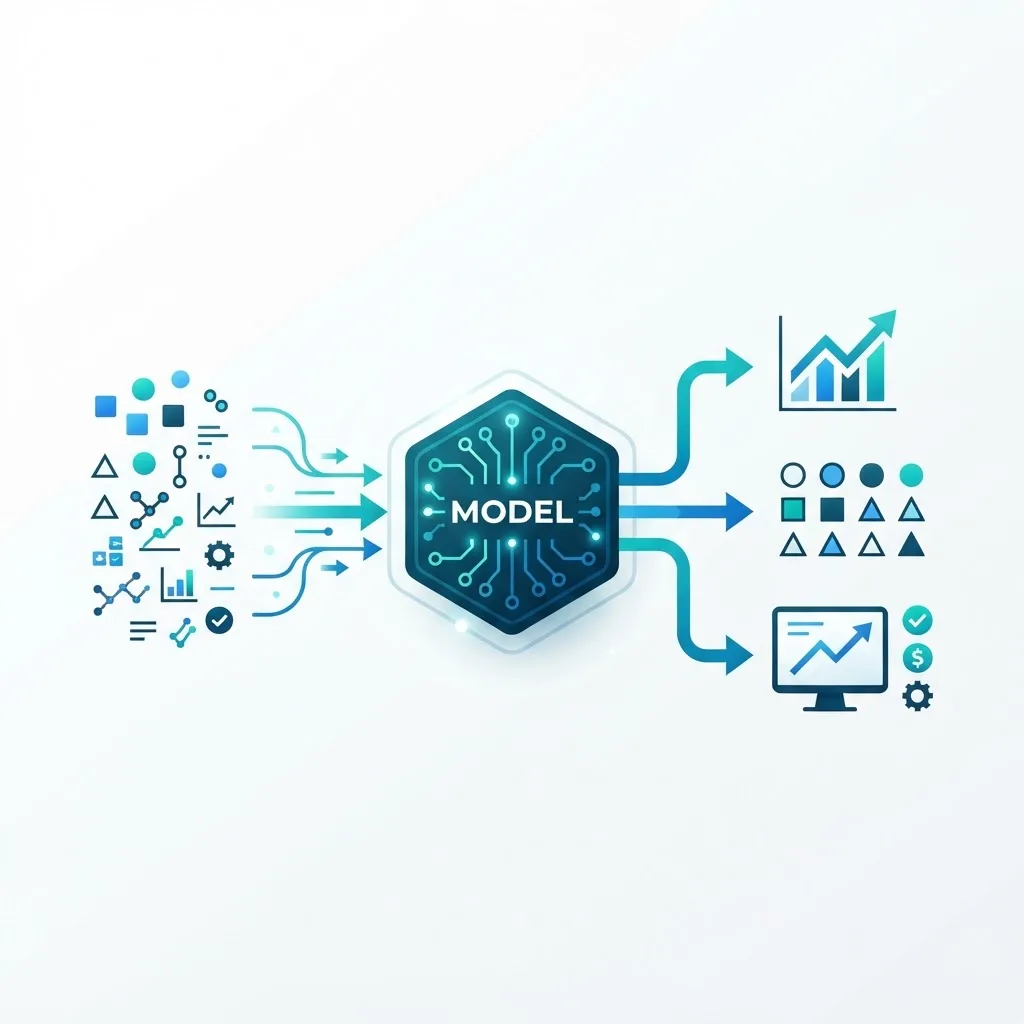
Think of teaching a child to recognize a dog. You do not list every breed and rule. You point at dogs repeatedly until the pattern clicks. Machine learning works the same way, at massive scale. A spam filter sees millions of emails marked "spam" or "not spam," then learns the signals — suspicious links, urgent language, mismatched sender addresses — on its own.
The three broad learning styles are:
- Supervised learning: trained on labeled data (this is spam, this is not).
- Unsupervised learning: finds hidden groupings without labels (customer segments).
- Reinforcement learning: learns by trial, reward, and error (game-playing agents, robotics).
Understanding this removes the magic and replaces it with something more useful: realistic expectations. A model is only as good as the data it learned from, which is why bias and errors are engineering problems, not mysteries.
Generative AI: The New Class of AI Things
Generative AI is the category that made everyone pay attention. Instead of only classifying or predicting, these models create — text, images, code, audio, and video — from a simple prompt.
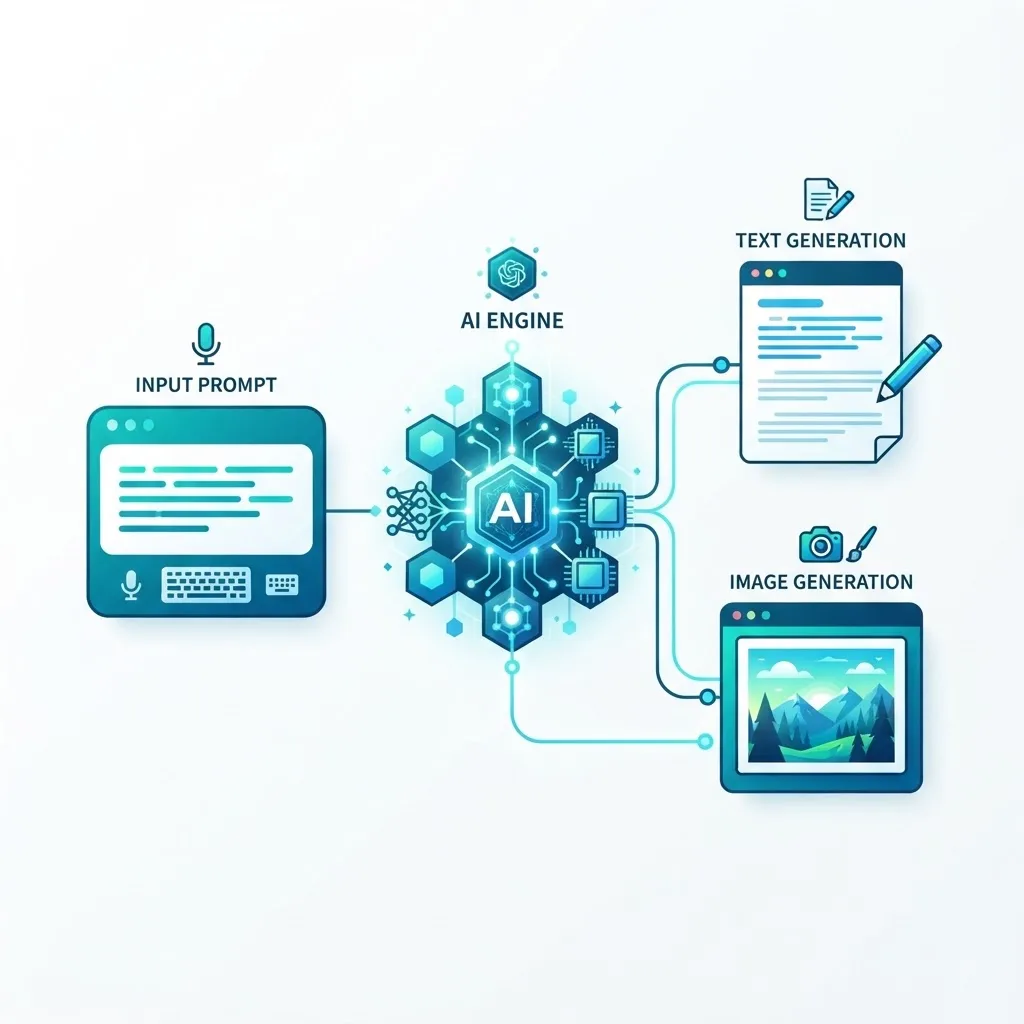
Tools like ChatGPT, Gemini, Claude, and Midjourney are trained on enormous text and image datasets. They predict the next most likely token (a word fragment or pixel pattern) over and over until a coherent result appears. That is why they feel creative yet also confidently produce wrong answers — a behavior known as "hallucination."
The practical takeaway is that generative AI is a powerful first-draft machine, not a final authority. It excels at brainstorming, summarizing, drafting, translating, and coding assistance. It struggles with facts it was never reliably trained on and with reasoning that requires up-to-date or verified information. Teams building real products around these models — like those at ZoneTechify — pair generative output with human review and data validation to keep quality high.
If you want to go deeper on building with these models responsibly, specialist AI development services can help integrate them into real workflows without the guesswork.
AI Things at Work: Automation That Pays Off
The biggest business impact of AI is not replacing people — it is removing repetitive work. Invoice processing, data entry, customer triage, report generation, and lead scoring are increasingly handled by AI, freeing humans for judgment-heavy tasks.
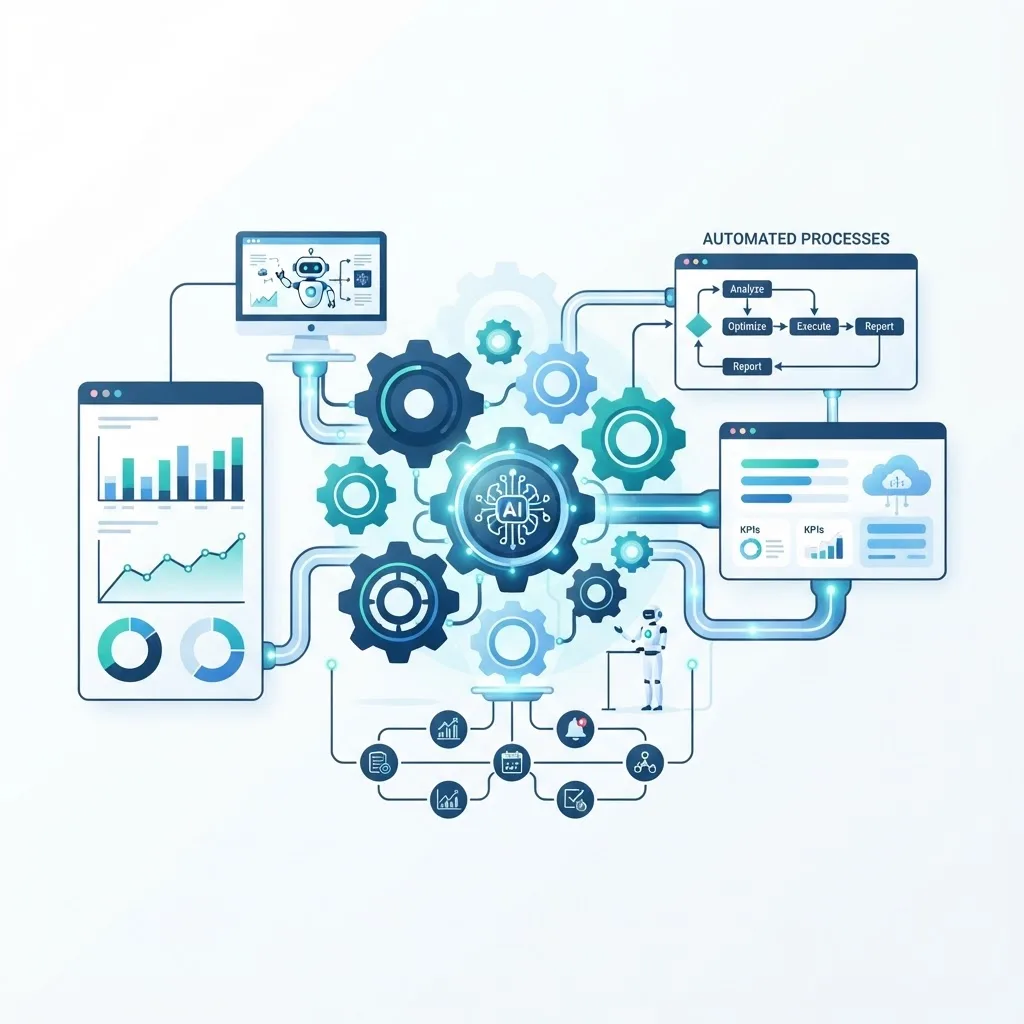
McKinsey research estimates that current technologies could automate roughly 60–70% of the time employees spend on routine tasks, with generative AI accelerating that shift. The winners are not companies that fire everyone; they are the ones that redirect saved hours toward strategy, creativity, and customer relationships.
A realistic automation rollout usually looks like this:
- Identify a repetitive, rules-heavy task that drains hours weekly.
- Pilot an AI tool on a small slice of that task.
- Measure accuracy and time saved against the manual baseline.
- Keep a human in the loop to catch edge cases and errors.
- Scale only once quality is proven and monitored.
This measured approach beats the "automate everything overnight" fantasy that leaves teams cleaning up expensive mistakes.
AI Things vs. Traditional Software
Understanding the difference clarifies when AI is the right tool and when it is overkill.
| Factor | Traditional Software | AI-Powered Systems |
|---|---|---|
| Logic source | Human-written rules | Patterns learned from data |
| Best for | Fixed, predictable tasks | Fuzzy, changing, data-rich tasks |
| Output | Deterministic and repeatable | Probabilistic and variable |
| Errors | Bugs in code | Bias and wrong predictions |
| Improvement | Manual updates | Retraining on new data |
| Transparency | High, easy to trace | Often a "black box" |
The practical rule: use traditional software when the rules are clear and stable, and reach for AI when the problem is too messy, too large, or too fast-changing for hand-written logic.
The Trust Problem: Ethics, Bias, and Oversight
Every AI thing inherits the strengths and flaws of its training data. If the data reflects historical bias, the model will too — sometimes amplifying it. This is why trustworthy AI depends on transparency, testing, and human accountability.
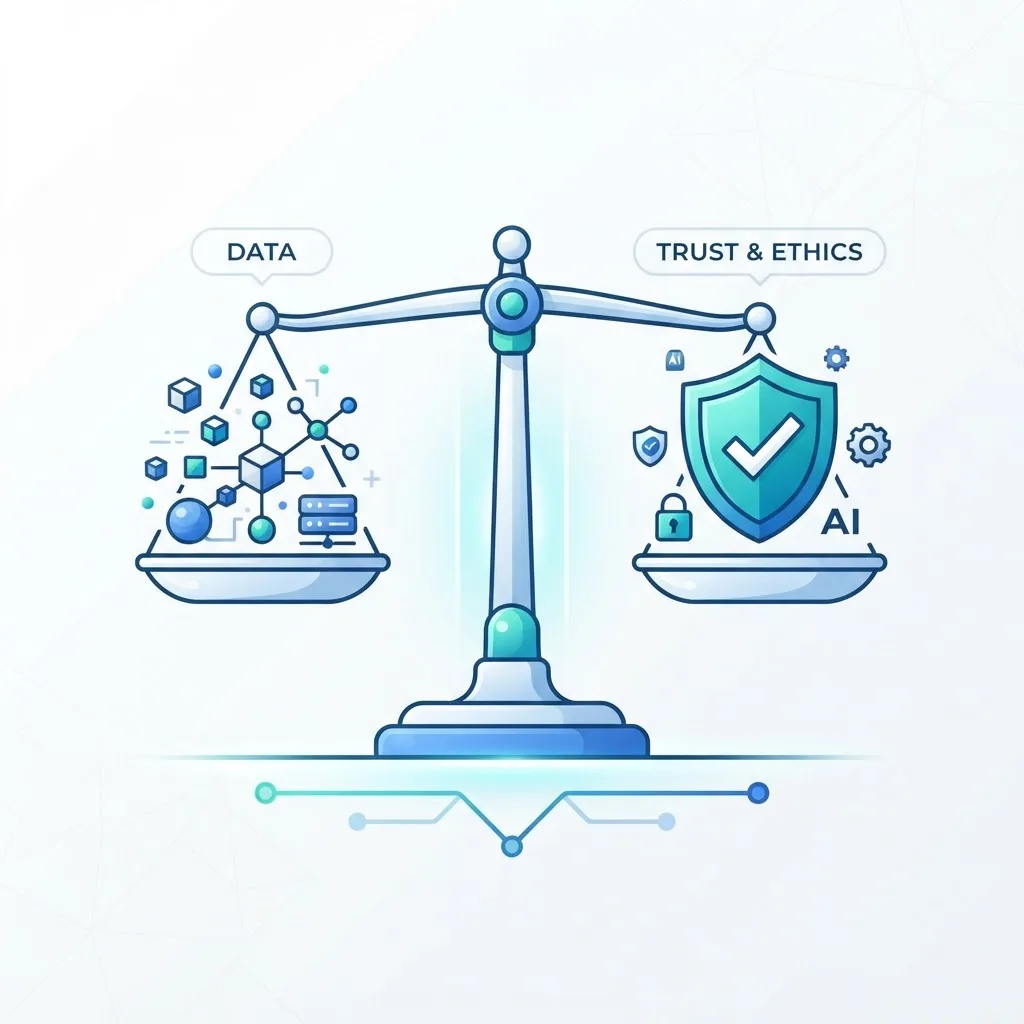
Responsible use comes down to a few honest habits:
- Verify important outputs. Treat AI answers as drafts, especially for medical, legal, or financial decisions.
- Protect private data. Do not paste sensitive information into public AI tools.
- Demand explainability. For high-stakes decisions, insist on knowing why a model decided what it did.
- Keep humans responsible. A model cannot be held accountable; the people deploying it must be.
Trust is not automatic. It is earned through testing, disclosure, and a willingness to admit when a system is wrong.
Getting Started With AI the Smart Way
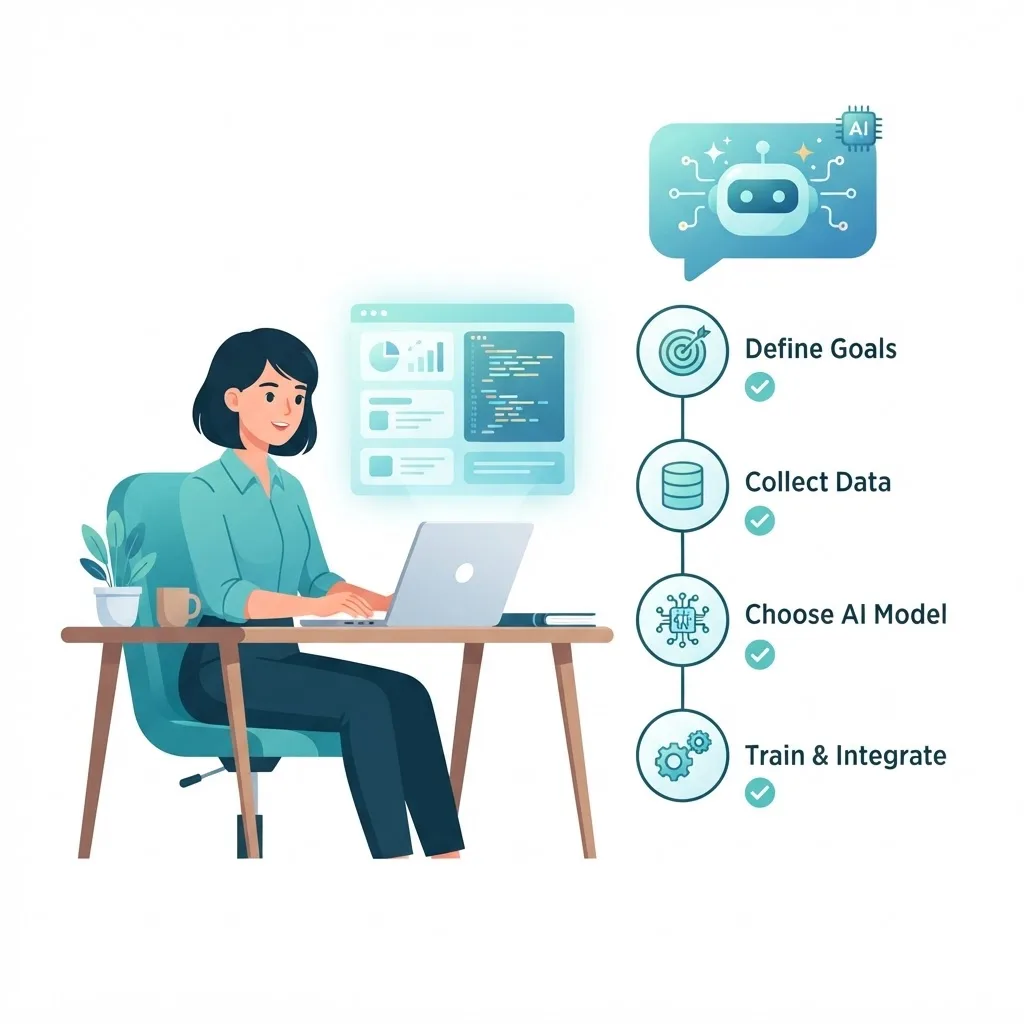
You do not need a computer science degree to benefit from AI. Start small and specific:
- Pick one real task you repeat often — writing emails, summarizing notes, or drafting posts.
- Try a mainstream tool free before paying for anything.
- Write clear prompts. Specify role, goal, format, and tone.
- Always review the output before using it.
- Track your results so you know whether it actually saves time.
This experimentation-first mindset builds real intuition faster than any course.
The Future of Everyday AI

The next wave of AI things will be more agentic — systems that do not just answer but take multi-step actions on your behalf, from booking travel to managing routine admin. They will also become more multimodal, blending text, image, voice, and video seamlessly. The core advice stays the same: powerful assistant, imperfect authority. Keep a human in the loop.
Key Takeaways
- AI things are prediction engines trained on data, not rule-following programs or sentient machines.
- You already use AI constantly — recommendations, spam filters, autocomplete, and navigation.
- Generative AI creates content but can hallucinate, so it needs human verification.
- McKinsey estimates 60–70% of routine task time could be automated with current technology.
- Trust depends on transparency, data quality, and human accountability, not blind faith.
- Start small: automate one repetitive task, verify results, then scale.
Frequently Asked Questions (FAQ)
What are "just AI things" in simple terms?
They are the everyday, often invisible ways artificial intelligence shows up in your life — recommendations, autocomplete, chatbots, spam filters, and navigation. Each one uses patterns learned from data to predict or generate something useful, saving you time while still needing your judgment and verification.
Is AI actually thinking or just guessing?
AI is not thinking like a human. It calculates the statistically most likely output based on patterns in its training data. It is sophisticated pattern-matching and prediction, not consciousness or true understanding. That is why it can sound confident while still being completely wrong about facts.
Can I trust what AI tools tell me?
Treat AI output as a smart first draft, never as final truth. It is excellent for brainstorming, summarizing, and drafting, but it can hallucinate facts. Always verify important information — especially anything medical, legal, or financial — against reliable, up-to-date human-checked sources before acting on it.
Will AI replace my job?
AI is more likely to change your job than erase it. It automates repetitive, rules-based tasks, freeing time for creative, strategic, and relationship work that humans do best. The people who thrive learn to use AI as a tool, redirecting saved hours toward higher-value work.
How do I start using AI without getting overwhelmed?
Pick one repetitive task, like writing emails or summarizing notes, and try a free mainstream tool on it. Write clear, specific prompts, review every output, and measure whether it truly saves time. Starting small builds practical intuition faster than any lengthy course or tutorial.