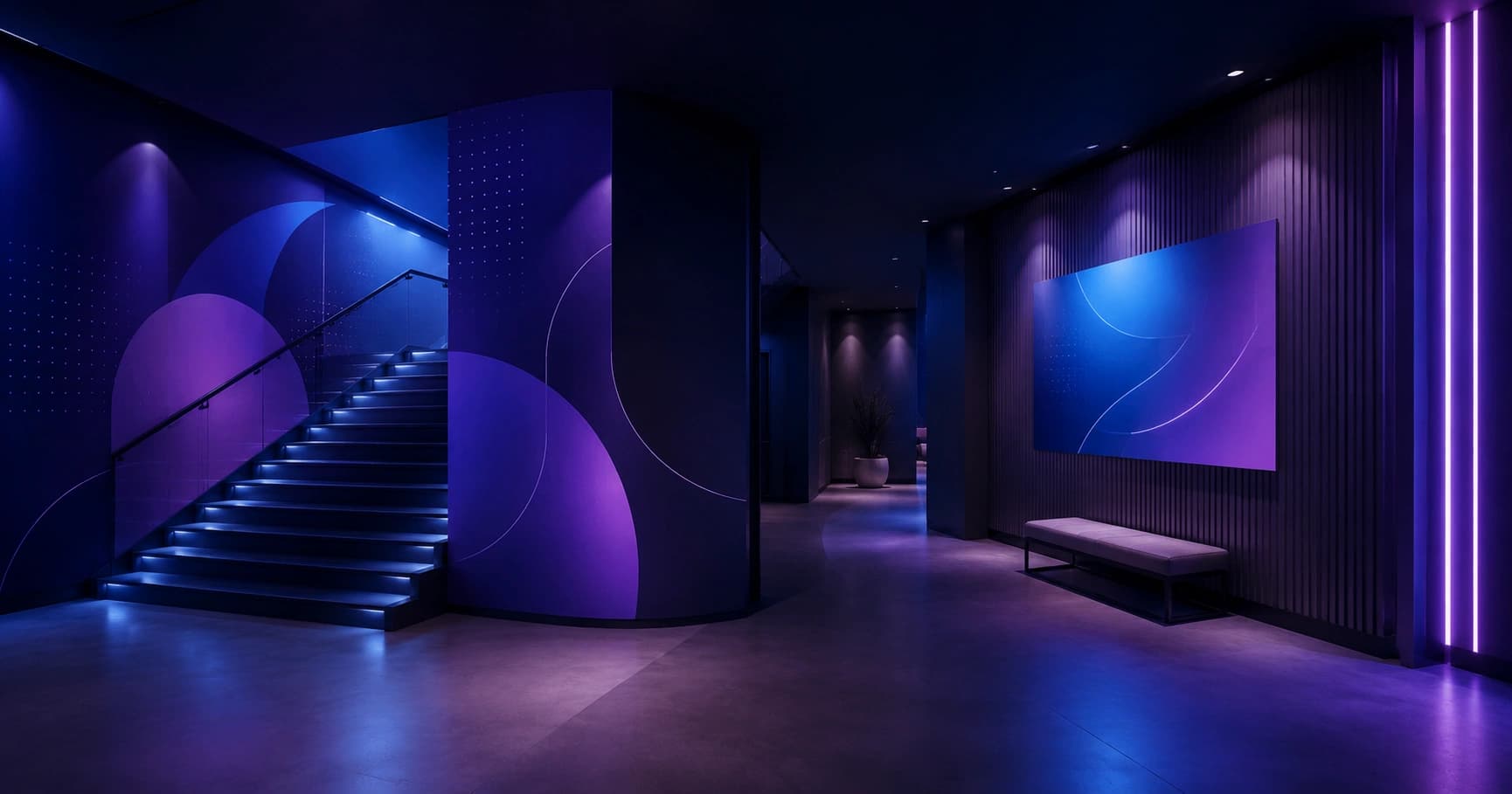
Discover what environmental graphic design is, how wayfinding, signage, and branded spaces work, plus real examples, process steps, and 2026 EGD trends.
What Is Environmental Graphic Design
Walk into any well-designed airport, hospital, museum, or corporate headquarters and you experience environmental graphic design before you consciously notice it. The directional signs that guide you to your gate, the supergraphic mural that tells you which company you just walked into, the exhibit panels that turn a hallway into a story — all of it is the work of environmental graphic designers. At ZoneTechify, we have seen firsthand how clients who invest in spatial branding consistently report stronger visitor engagement and fewer navigation complaints, and this guide distills that experience into a practical explanation of the discipline.
Quick Answer: Environmental graphic design (EGD) is the practice of combining graphic design, architecture, and interior design to visually connect people to physical spaces. It includes wayfinding systems, signage, branded interiors, exhibition graphics, and placemaking installations that help people navigate, understand, and emotionally connect with built environments like offices, hospitals, airports, and retail stores.
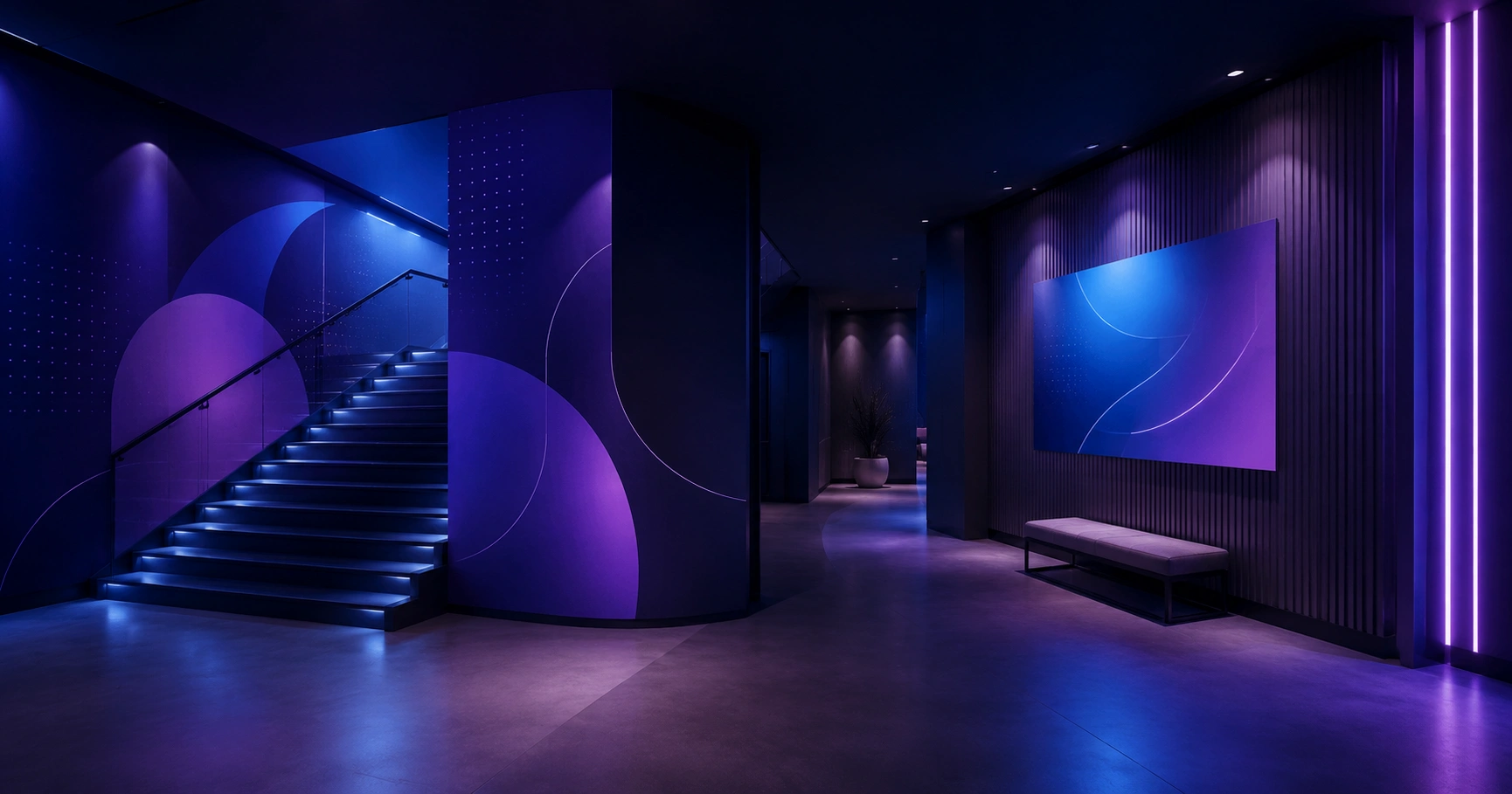
Environmental Graphic Design Defined
Environmental graphic design (EGD) is a multidisciplinary field that applies graphic design principles to the built environment. Instead of designing for a screen or a printed page, EGD practitioners design for walls, floors, ceilings, facades, and entire districts. The Society for Experiential Graphic Design (SEGD), the field's leading professional organization, defines the practice as design that "embraces many design disciplines including graphic, architectural, interior, landscape, and industrial design, all concerned with the visual aspects of wayfinding, communicating identity and information, and shaping the idea of creating experiences that connect people to place."
The field is increasingly called experiential graphic design because the deliverable is not a sign — it is the experience a person has moving through a space. That distinction matters: a printed poster communicates a message, while an EGD system changes how someone behaves, feels, and remembers a place.
Why Environmental Graphic Design Matters for Businesses
EGD directly affects revenue, safety, and brand perception. Research published by Deloitte found that a signage or wayfinding failure has real cost: in healthcare settings alone, studies cited by SEGD estimate that poor wayfinding costs a typical large hospital over $220,000 per year in staff time spent giving directions. On the commercial side, FedEx-commissioned research reported that 76% of American consumers said they entered a store they had never visited before based simply on its signage.
Those two data points reveal the dual role of EGD: it reduces friction (people find what they need faster) and it creates attraction (people are drawn into spaces that communicate clearly). For a business, that translates into shorter service times, fewer missed appointments, higher foot traffic, and a physical brand presence that no competitor can copy with a website template.
The Five Core Types of Environmental Graphic Design
EGD is not one thing. In practice, projects fall into five overlapping categories, and most large projects combine at least three of them.
1. Wayfinding Systems
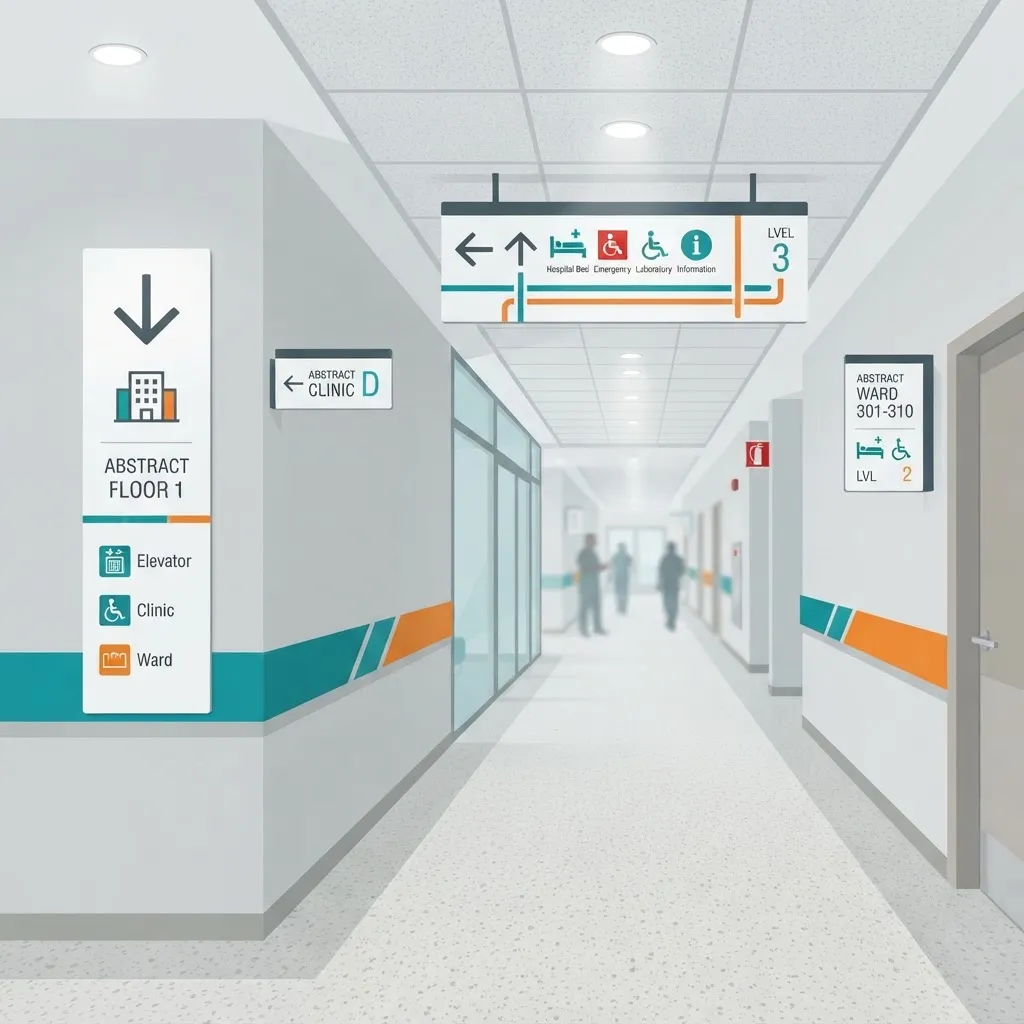
Wayfinding is the navigational backbone of EGD. It includes directional signs, directories, floor and room identification, maps, and pictograms that guide people through complex environments. Effective wayfinding follows a hierarchy: orientation (where am I?), route decision (which way do I go?), route monitoring (am I still on track?), and destination recognition (have I arrived?). Airports, hospitals, universities, and transit systems are the classic wayfinding clients because a navigation failure there has immediate human cost.
2. Branded Environments
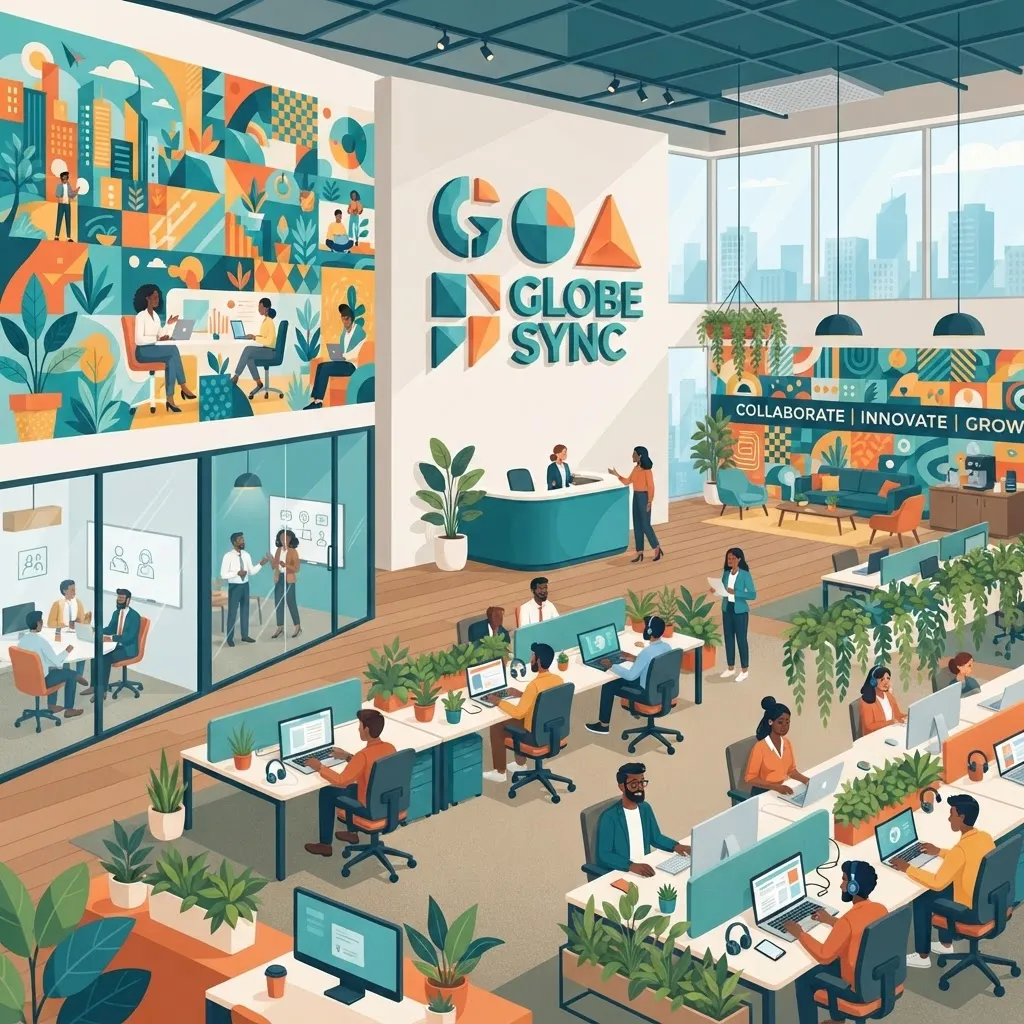
A branded environment translates a company's visual identity into three-dimensional space. Think of dimensional logo walls, mission-statement supergraphics, brand-colored architectural accents, and history walls in corporate lobbies. The goal is for an employee or visitor to feel the brand, not just see it. In our project work at ZoneTechify, branded office environments are the fastest-growing EGD request, driven by companies redesigning workplaces to make in-office days feel worth the commute.
3. Exhibition and Interpretive Design
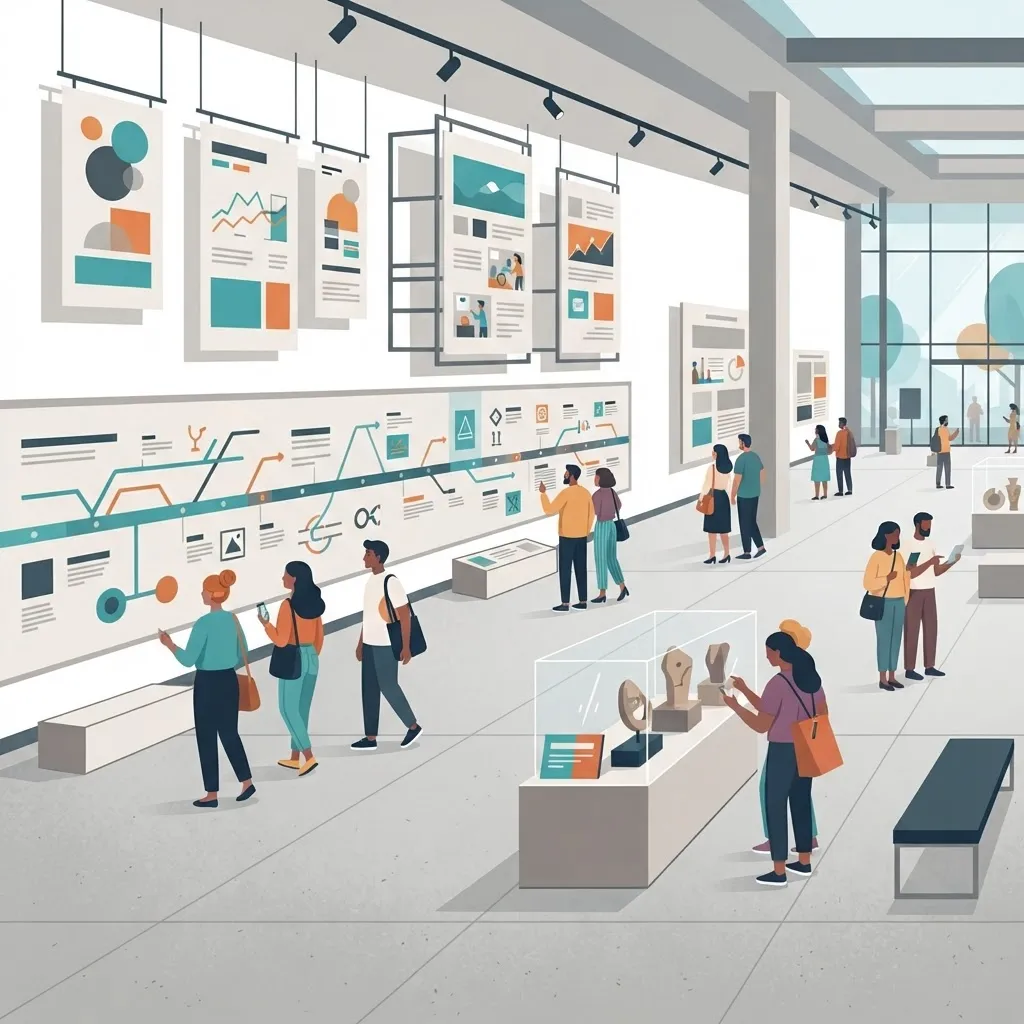
Exhibition graphics tell stories in space. Museums, visitor centers, brand showrooms, and trade show booths use interpretive panels, timelines, large-format imagery, and interactive displays to educate and engage. Interpretive design is where EGD gets closest to editorial work: designers must establish reading hierarchies, pacing, and narrative flow that function while a visitor is standing, walking, or surrounded by crowds.
4. Retail and Commercial Graphics
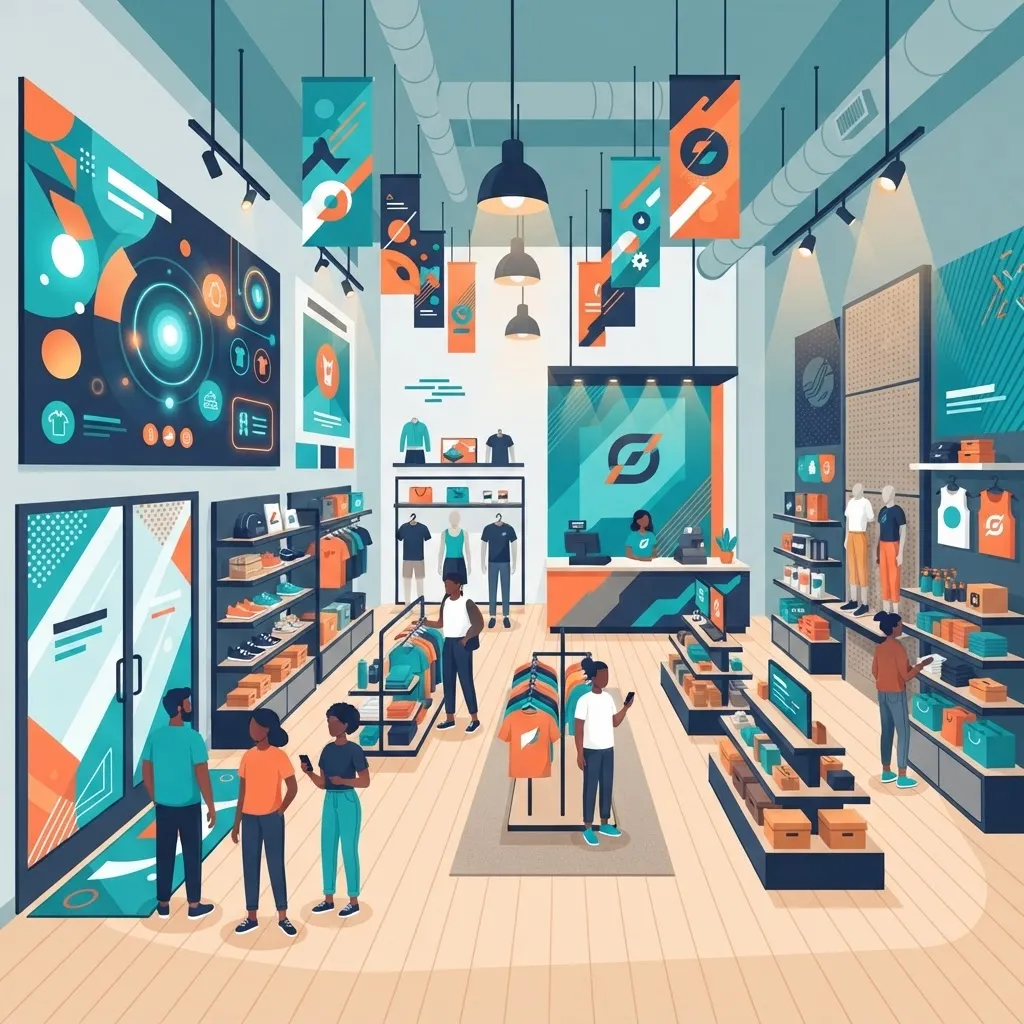
Retail EGD covers storefront graphics, window displays, in-store promotional systems, department identification, and menu boards. Because retail graphics change seasonally, these systems are designed as flexible frameworks — fixed hardware with swappable graphic inserts — so stores can refresh messaging without rebuilding the environment.
5. Placemaking and Public Installations
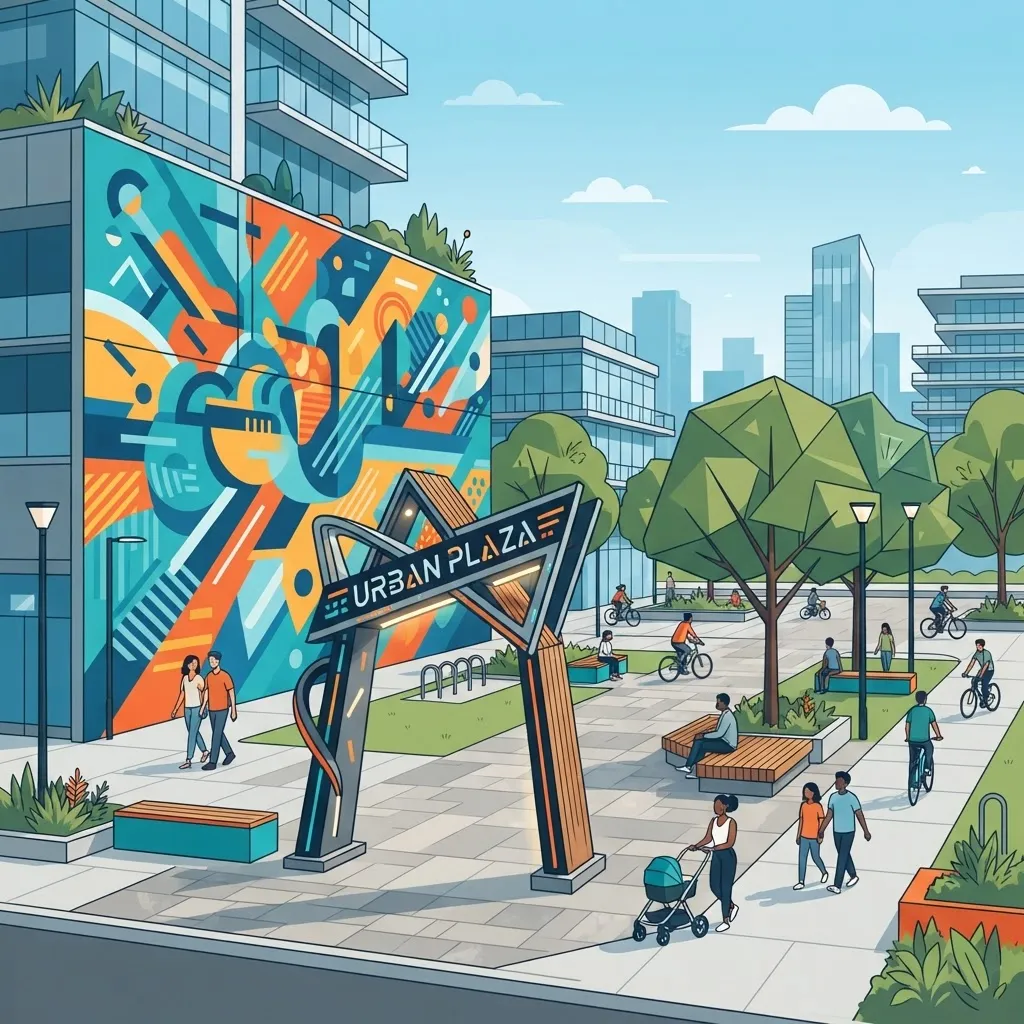
Placemaking uses murals, gateway monuments, sculptural typography, and district identity systems to give neighborhoods and civic spaces a memorable character. City governments and real estate developers commission placemaking to increase district recognition, community pride, and property value. A single well-placed supergraphic can become the most photographed landmark in a district — free, ongoing marketing generated by the environment itself.
Environmental Graphic Design vs. Traditional Graphic Design
The two disciplines share visual fundamentals — typography, color, hierarchy — but they diverge sharply in constraints, deliverables, and collaborators.
| Factor | Traditional Graphic Design | Environmental Graphic Design |
|---|---|---|
| Medium | Print and digital screens | Architecture and physical space |
| Scale | Inches to feet | Feet to entire buildings |
| Key deliverables | Logos, layouts, websites, ads | Signage, wayfinding, murals, exhibits |
| Viewing context | Static, controlled | In motion, variable light and distance |
| Materials knowledge required | Paper, pixels | Metal, acrylic, vinyl, LED, concrete |
| Regulatory requirements | Minimal | ADA, building codes, fire codes |
| Typical collaborators | Marketers, developers | Architects, fabricators, contractors |
| Lifespan of work | Weeks to years | Years to decades |
The regulatory row deserves emphasis. In the United States, permanent room identification signage must comply with ADA standards — including tactile characters, Grade 2 braille, specific mounting heights, and minimum contrast ratios. An EGD designer who ignores accessibility is not just designing badly; they are exposing the client to legal liability.
The Environmental Graphic Design Process: 6 Steps
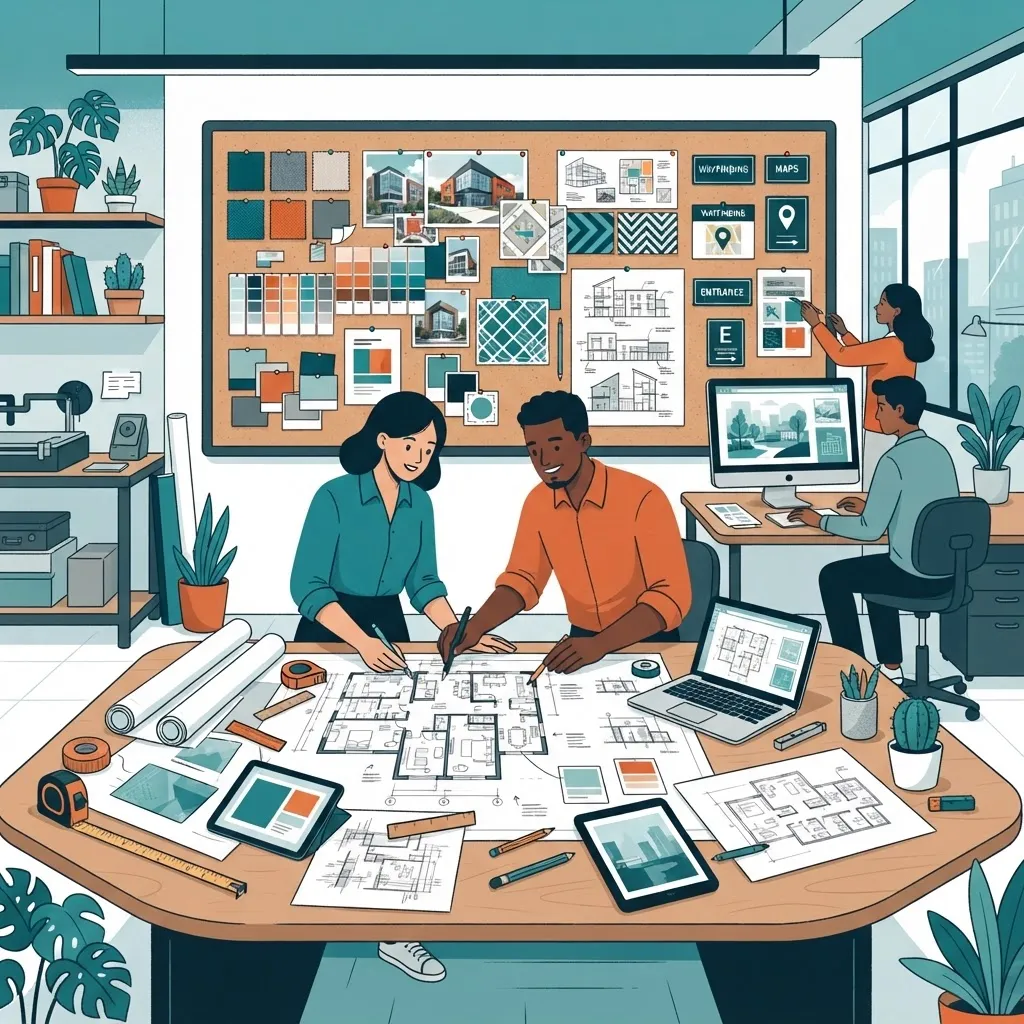
Based on our studio experience, successful EGD projects follow a consistent sequence:
- Discovery and site audit. Designers walk the physical space, photograph decision points, review architectural drawings, and interview stakeholders about how people actually move through the environment.
- Strategy and programming. The team maps every required sign or graphic element into a sign location plan and defines the message hierarchy for each zone.
- Schematic design. Initial concepts explore typography, color, materials, and form — usually presented as renderings placed into photos of the actual space.
- Design development. Approved concepts are refined into detailed specifications: exact dimensions, materials, finishes, mounting methods, and ADA compliance details.
- Documentation and fabrication. Construction-ready drawings go to fabricators, and designers review shop drawings and material samples before production.
- Installation and evaluation. Designers supervise installation, then evaluate the system in use — watching whether real people navigate successfully and adjusting where they do not.
If your organization needs this kind of end-to-end visual system — from brand identity through spatial application — the graphic design services at ZoneTechify cover exactly this workflow, and partners like WebPeak extend it into the digital experiences that complement physical spaces.
Skills and Tools Environmental Graphic Designers Use
EGD sits at the intersection of several skill sets. Practitioners typically need:
- Graphic fundamentals: typography at architectural scale, color theory under varied lighting, and information hierarchy for viewers in motion.
- Spatial literacy: the ability to read architectural plans, elevations, and sections, and to think in three dimensions.
- Materials and fabrication knowledge: understanding how aluminum, acrylic, vinyl, wood, glass, and LED systems behave, weather, and cost.
- Code fluency: working knowledge of ADA requirements, local sign ordinances, and fire egress signage rules.
- Software: Adobe Illustrator for graphics, SketchUp or Rhino for 3D modeling, AutoCAD or Revit for architectural coordination, and rendering tools for client presentations.
Trends Shaping Environmental Graphic Design in 2026
Three shifts are redefining the field right now. First, digital integration: static signs are increasingly paired with LED walls, e-paper room signs, and interactive directories that update in real time, which means EGD designers now design content systems, not just objects. Second, sustainability: clients are specifying recycled aluminum, PVC-free films, and modular systems designed for disassembly, because a sign program that lasts twenty years is inherently greener than one replaced every five. Third, data-informed wayfinding: sensor and mobile data now show designers exactly where people hesitate or get lost, allowing evidence-based sign placement rather than intuition alone.

How to Get Started With an EGD Project
Start small and strategic. Audit your current space by walking it as a first-time visitor: note every point where you would hesitate, every blank wall that could carry your brand, and every sign that is outdated or non-compliant. Prioritize fixes in this order — safety and code compliance first, wayfinding second, brand experience third. Then engage a design partner early, before construction or renovation drawings are finalized, because integrating graphics into architecture always costs less than retrofitting them afterward.
Key Takeaways
- Environmental graphic design (EGD) connects people to physical spaces through wayfinding, signage, branded interiors, exhibitions, and placemaking.
- Poor wayfinding costs a typical large hospital over $220,000 per year in staff time, according to research cited by SEGD.
- 76% of American consumers have entered an unfamiliar store based on its signage alone, per FedEx-commissioned research.
- EGD differs from traditional graphic design in scale, materials, regulatory requirements (including ADA compliance), and lifespan.
- A professional EGD process runs through six steps: discovery, strategy, schematic design, design development, fabrication documentation, and installation.
- 2026 trends include digital signage integration, sustainable materials, and data-informed wayfinding placement.
Frequently Asked Questions
What does an environmental graphic designer do?
An environmental graphic designer creates visual systems for physical spaces — wayfinding signs, branded interiors, murals, exhibits, and public installations. They collaborate with architects and fabricators, produce construction-ready drawings, select durable materials, and ensure every element meets accessibility codes while expressing the client's brand within the built environment.
Is environmental graphic design the same as signage design?
No. Signage design is one component of environmental graphic design. EGD is broader — it includes wayfinding strategy, branded environments, exhibition graphics, placemaking, and digital displays. A signage designer produces individual signs; an EGD practitioner designs the entire spatial experience those signs live within.
How much does environmental graphic design cost?
Costs vary widely by scope. A small office branding package with a logo wall and basic room signs may run a few thousand dollars, while comprehensive wayfinding for a hospital or campus can reach six or seven figures. Design fees typically represent 10-20% of total fabrication and installation budgets.
What software is used for environmental graphic design?
Most EGD professionals use Adobe Illustrator for graphic artwork, SketchUp or Rhino for 3D modeling, and AutoCAD or Revit to coordinate with architectural drawings. Rendering tools like Enscape or Photoshop composites help clients visualize graphics in real spaces before anything is fabricated or installed.
Do environmental graphics need to be ADA compliant?
Yes, in the United States permanent room identification signs must meet ADA standards, including tactile raised characters, Grade 2 braille, non-glare finishes, minimum contrast, and mounting heights between 48 and 60 inches. Directional and informational signs have separate legibility requirements. Non-compliance creates legal liability for building owners.
Why is environmental graphic design important for branding?
Physical spaces create brand impressions that digital channels cannot replicate. A branded environment surrounds visitors and employees with a company's identity, builds memorability, and signals professionalism. Since 76% of consumers report entering stores based on signage, spatial branding directly influences foot traffic and revenue.