Stay ahead with the latest governance AI news, covering frameworks, regulations, risk management, and compliance tools shaping responsible artificial intelligence in 2026.
Governance AI News
Artificial intelligence is no longer a futuristic concept confined to research labs. It now powers hiring decisions, medical diagnostics, financial approvals, and the content we consume every day. With this rapid adoption comes a pressing question: who keeps AI accountable? That is exactly why governance AI news has become one of the most followed topics across boardrooms, government agencies, and tech communities. In this guide, we break down what AI governance means, why it matters, and the latest developments you need to know to stay compliant and competitive.
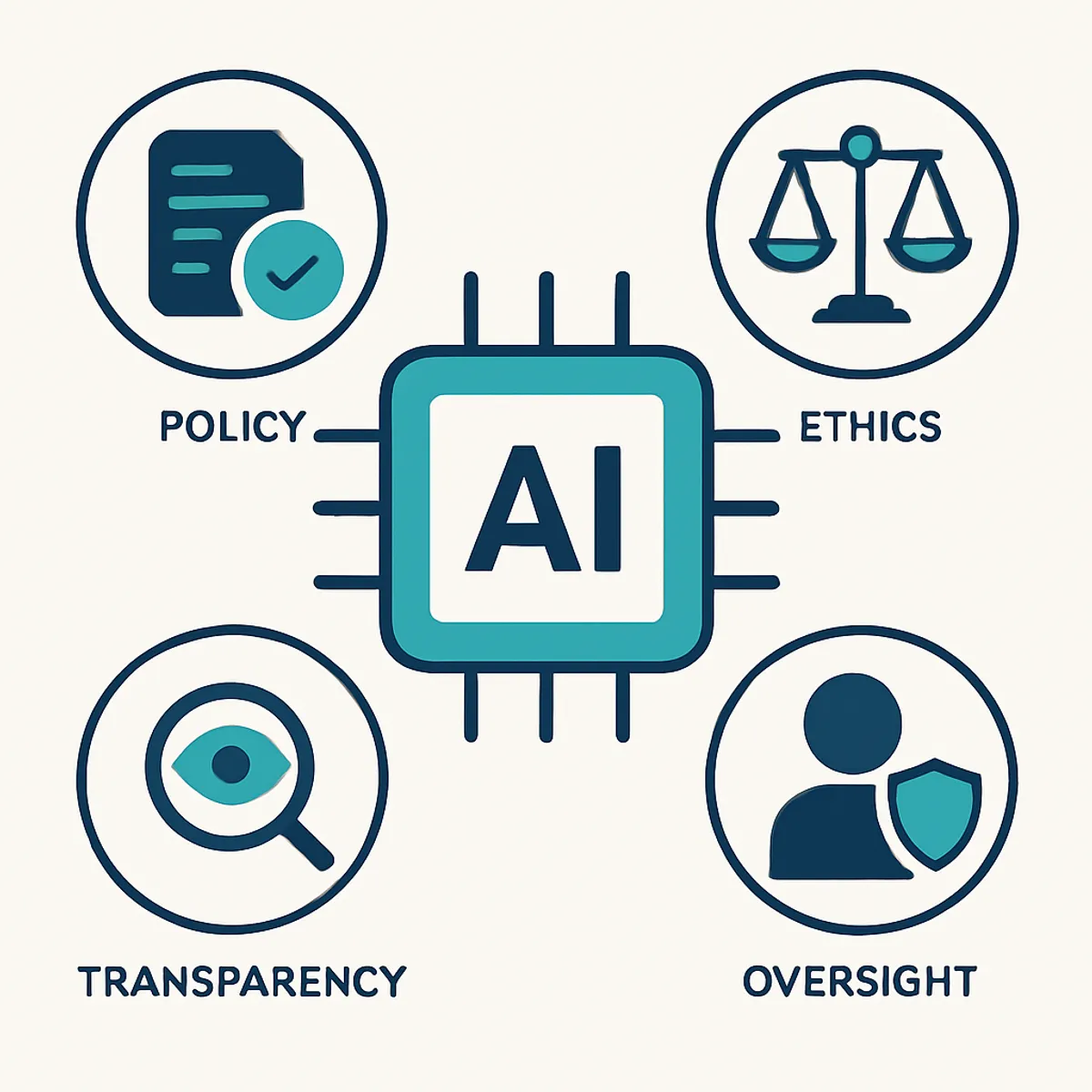
At its core, AI governance is the set of policies, processes, and controls that ensure artificial intelligence is built and deployed responsibly. It covers fairness, transparency, accountability, privacy, and safety. As organizations race to integrate intelligent systems, governance is the guardrail that prevents reputational damage, legal exposure, and ethical missteps. Companies like ZoneTechify and WebPeak increasingly help businesses align their AI adoption with these emerging standards.
Why AI Governance Is Dominating the Headlines
The surge in generative AI tools has forced regulators and businesses to act fast. When a single model can generate misinformation, leak sensitive data, or produce biased outcomes at scale, the stakes are enormous. Governance AI news today is filled with stories about model audits, algorithmic transparency mandates, and new oversight bodies being formed across continents.
Three forces are driving this momentum. First, public trust in automated decision-making is fragile, and a few high-profile failures can erode confidence in an entire industry. Second, governments are catching up with legislation that treats AI risk much like financial or environmental risk. Third, enterprises themselves recognize that strong governance is a competitive advantage, not just a compliance burden.
The Shift From Optional to Mandatory
For years, ethical AI was a voluntary commitment. That era is ending. Regulators now expect documented evidence that AI systems are tested, monitored, and explainable. Organizations that treat governance as an afterthought are finding themselves unprepared for audits and procurement requirements.
Understanding Modern AI Governance Frameworks
A governance framework provides the structure that turns good intentions into measurable practice. Rather than relying on ad-hoc judgment, frameworks define roles, responsibilities, and checkpoints across the AI lifecycle.

The most widely referenced frameworks share several pillars:
- Accountability: Clear ownership of every model and its outcomes.
- Transparency: Documentation of how systems work and what data they use.
- Fairness: Active testing to detect and reduce bias.
- Robustness: Ensuring models behave reliably under real-world conditions.
- Privacy: Protecting personal data throughout collection and processing.
The NIST AI Risk Management Framework, the OECD AI Principles, and ISO/IEC 42001 have become reference points worldwide. They do not prescribe a single tool but instead offer a common language that businesses, auditors, and regulators can rally around. Adopting one of these frameworks early gives teams a head start when formal regulations arrive.
Building Governance Into the Lifecycle
Effective governance is not a final review stage. It begins at data collection and continues through model design, validation, deployment, and ongoing monitoring. Embedding checkpoints at each phase ensures issues are caught before they reach production, where they are far more expensive to fix.
The Latest Global AI Regulations
Regulatory activity is accelerating, and keeping track of it is a full-time job. The European Union's AI Act remains the most comprehensive legislation, categorizing systems by risk level and imposing strict requirements on high-risk applications such as biometric identification and critical infrastructure.
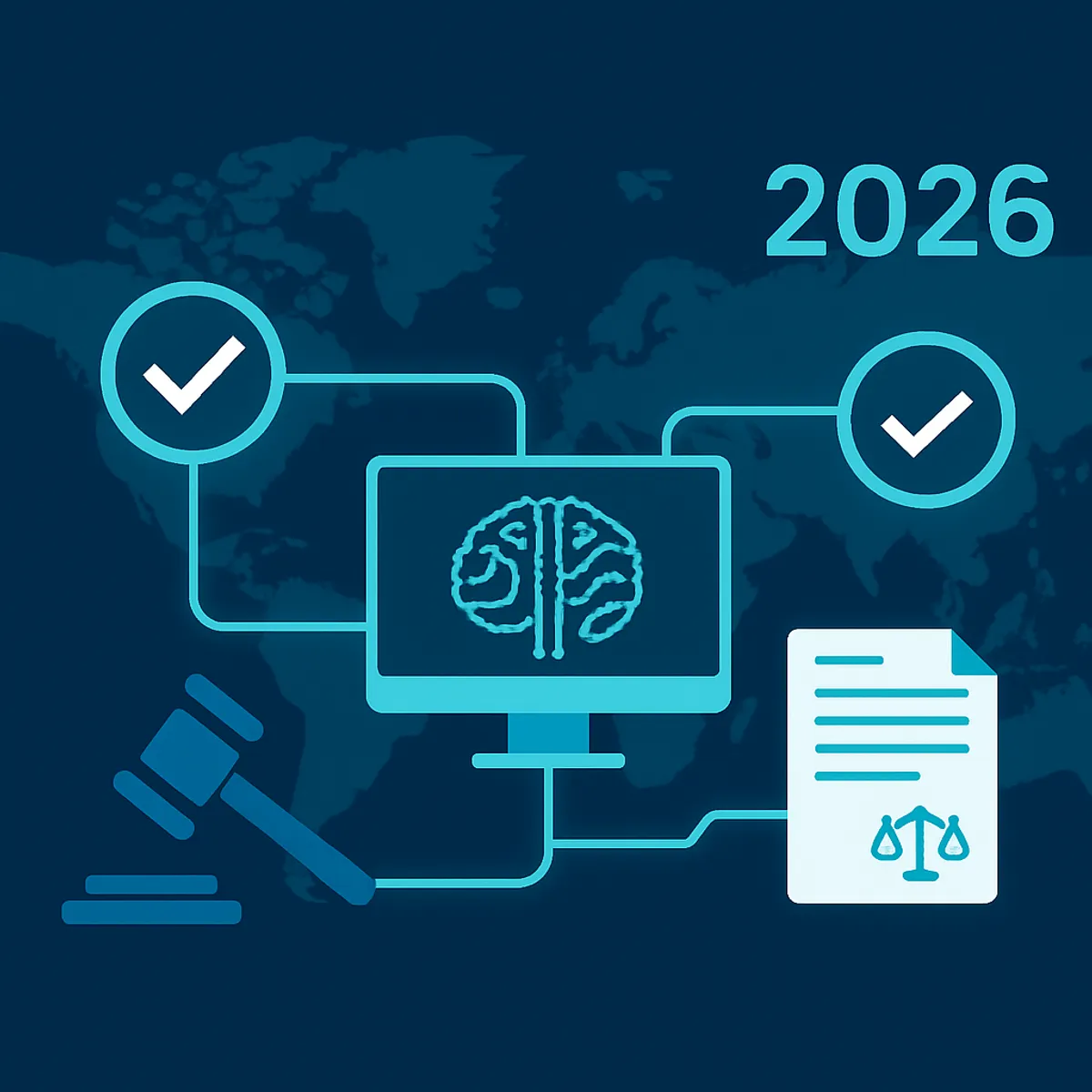
Elsewhere, the picture is equally dynamic. The United States continues to refine sector-specific guidance and executive directives focused on safety testing and transparency. The United Kingdom favors a principles-based, regulator-led approach. Nations across Asia, the Middle East, and Latin America are publishing their own strategies, many borrowing concepts from the EU model.
For multinational organizations, this patchwork creates real complexity. A product compliant in one jurisdiction may fall short in another. The practical takeaway is to design for the strictest applicable standard, then adapt locally. This approach reduces rework and protects your brand across borders.
What This Means for Businesses
Compliance is shifting from a legal department task to a cross-functional priority. Engineering, product, legal, and leadership must collaborate. Many companies now appoint dedicated AI governance officers and form ethics committees to interpret evolving rules and translate them into internal policy. Partnering with experts in artificial intelligence services can accelerate this transition for teams without in-house specialists.
Staying Current With Governance AI News
The pace of change makes continuous learning essential. What was best practice six months ago may already be outdated. Following reliable sources, regulator bulletins, and industry analysis helps teams anticipate rather than react.
Here are practical ways to stay informed without drowning in noise:
- Subscribe to official regulator updates so you hear about changes directly from the source.
- Follow reputable industry publications that summarize and contextualize developments.
- Join professional communities where practitioners share real implementation lessons.
- Attend webinars and briefings that translate dense legal text into actionable steps.
- Maintain an internal newsletter so your whole organization stays aligned.
The goal is not to read everything but to build a trusted filter that surfaces what truly affects your operations.
AI Risk Management: The Heart of Governance
Governance without risk management is little more than paperwork. Identifying, assessing, and mitigating risk is where policy meets practice. Risks span technical failures, biased outputs, security vulnerabilities, and misuse of systems.
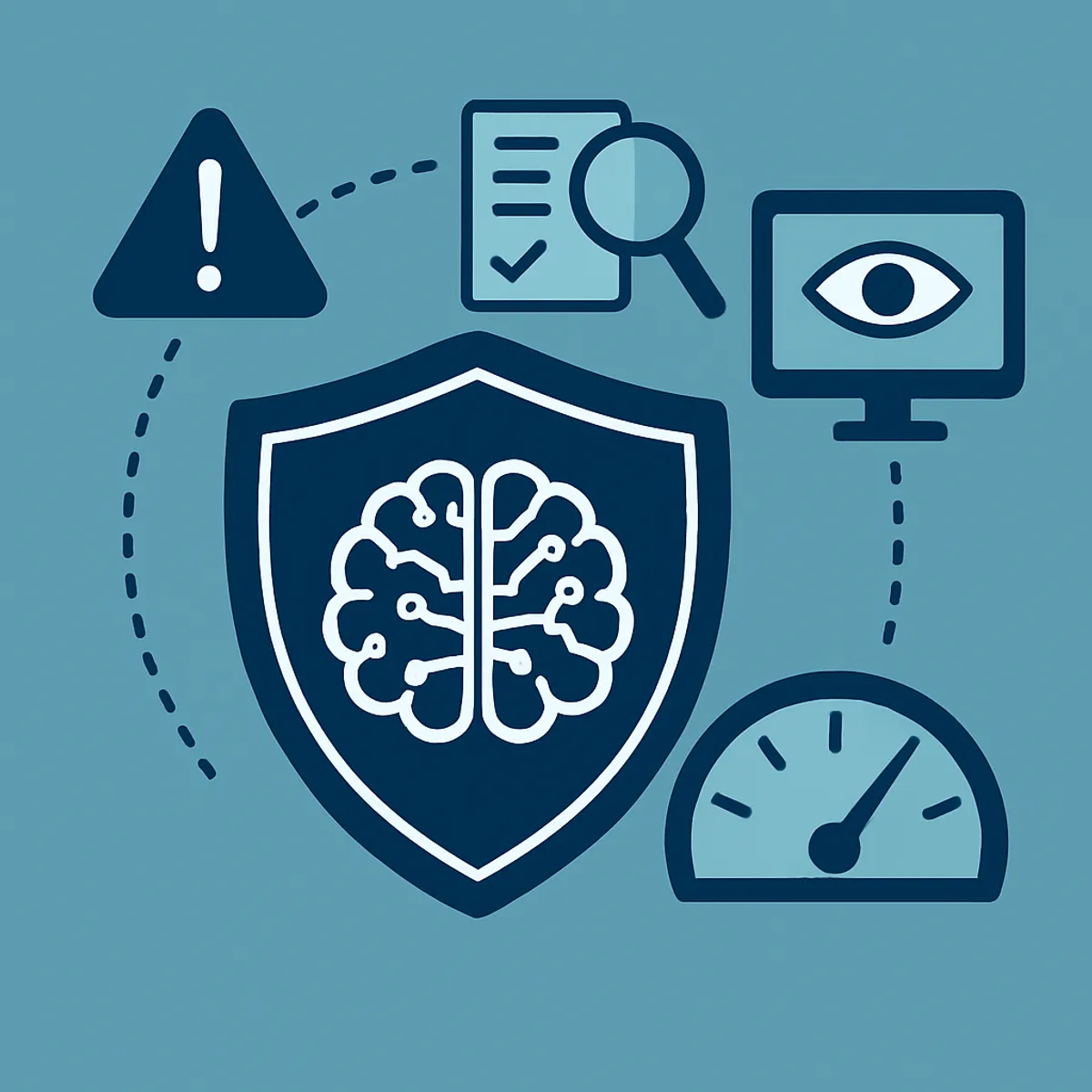
A mature risk program classifies AI use cases by potential harm. A recommendation engine for music carries far less risk than an algorithm screening loan applications. By mapping each system to a risk tier, teams can allocate oversight resources where they matter most.
Key risk management practices include:
| Practice | Purpose |
|---|---|
| Model documentation | Record design choices and data sources |
| Bias testing | Detect unfair outcomes across groups |
| Human oversight | Keep people in the loop for critical decisions |
| Incident response | Plan for failures before they happen |
| Continuous monitoring | Catch drift and degradation over time |
This structured approach transforms abstract ethical concerns into concrete, repeatable actions that withstand scrutiny.
The Role of Explainability
Regulators and customers alike want to understand why an AI system reached a decision. Explainability techniques help translate complex model behavior into human-readable reasoning. This is especially vital in regulated sectors such as healthcare, finance, and employment, where individuals have a right to understand decisions that affect them.
Compliance Tools That Make Governance Practical
Managing governance manually does not scale. As model portfolios grow into the hundreds, organizations turn to specialized tooling to automate documentation, monitoring, and reporting.
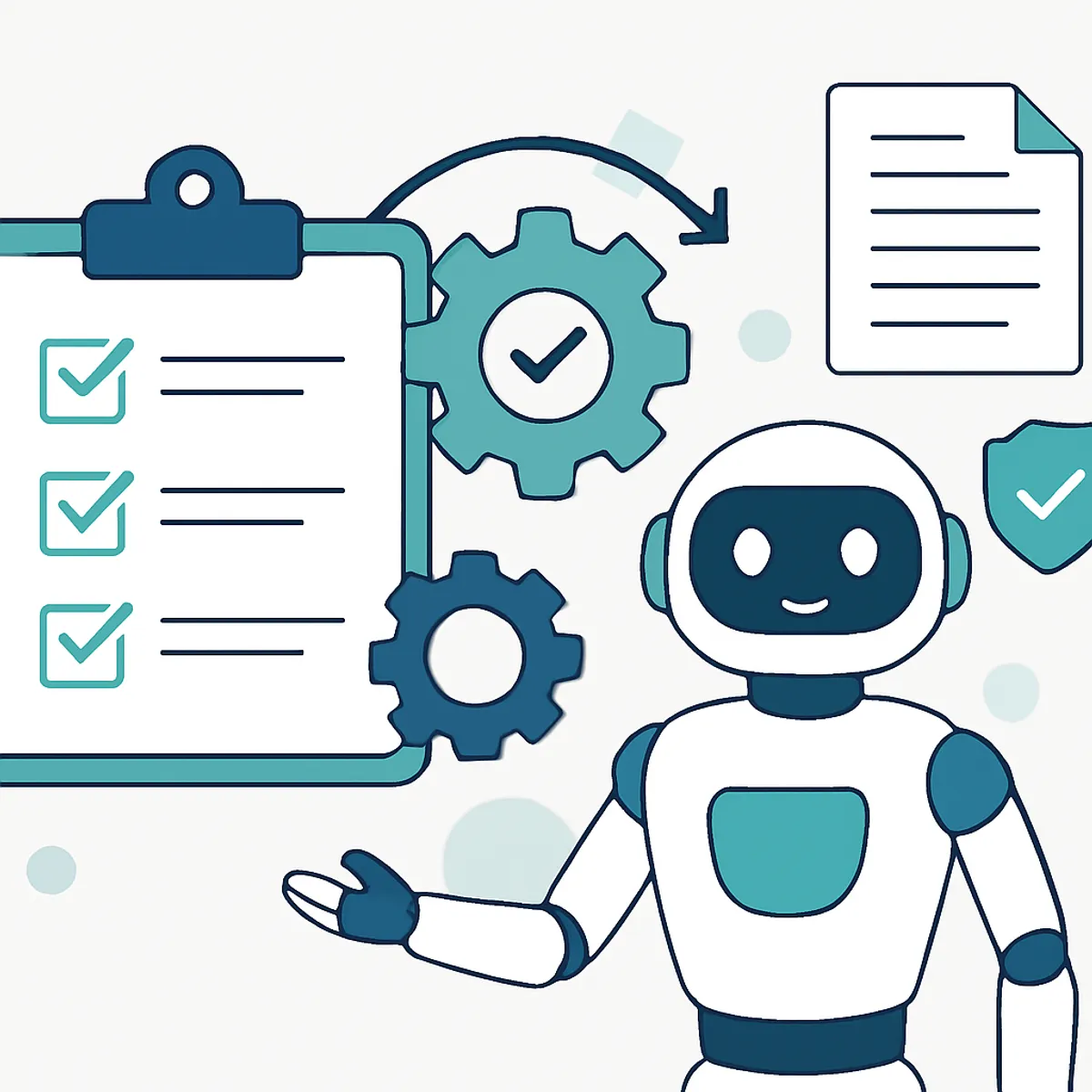
Modern compliance platforms offer model registries, automated bias scans, audit trails, and dashboards that give leadership a real-time view of AI risk. These tools reduce the human effort required to stay compliant and create the paper trail auditors expect. For organizations building custom solutions, working with a partner offering AI services ensures governance is engineered in from day one rather than bolted on later.
When evaluating tooling, prioritize solutions that integrate with your existing data pipelines, support the frameworks you have adopted, and scale with your needs. Avoid the temptation to buy the most feature-rich platform if your team will only use a fraction of its capabilities. Start with the controls that address your highest-risk systems and expand from there.
Documentation Is Your Best Defense
If an issue arises, thorough documentation is what protects your organization. Records of testing, decisions, and monitoring demonstrate due diligence. Many governance disputes are resolved not by proving perfection but by showing a responsible, well-documented process.
The Future of AI Governance
Looking ahead, AI governance will become more standardized and more deeply embedded in everyday operations. We can expect greater international cooperation as nations seek interoperable rules, reducing the burden of fragmented compliance.

Several trends are likely to define the next phase. Automated governance, where compliance checks run continuously alongside models, will replace periodic manual reviews. Industry-specific standards will mature, giving sectors clearer guidance. And as AI agents take on more autonomous tasks, governance will expand to cover how these systems interact, escalate, and defer to human judgment.
The organizations that thrive will treat governance not as a brake on innovation but as an enabler of trust. Customers, partners, and regulators increasingly reward those who can prove their AI is fair, safe, and accountable. In a crowded market, demonstrable responsibility becomes a genuine differentiator.
Final Thoughts
Governance AI news will only grow louder as artificial intelligence weaves itself deeper into society. The path forward is clear: adopt a recognized framework, stay informed about evolving regulations, build robust risk management, and invest in tools that make compliance sustainable. Doing so protects your organization while unlocking the full potential of AI.
Whether you are just beginning your governance journey or refining an established program, the principles remain constant. Be transparent, be accountable, and keep people at the center of every decision. Explore more insights and expert support at ZoneTechify and WebPeak, and turn responsible AI from a challenge into your competitive advantage.