Explore how Jeopardy artificial intelligence works, from natural language processing and machine learning to the real-world business uses shaping AI today.
Jeopardy Artificial Intelligence
When a computer stepped onto the bright stage of a televised quiz show and out-buzzed two of the greatest human champions of all time, the world watched a turning point in technology unfold in real time. Jeopardy artificial intelligence is not just a trivia story; it is one of the clearest, most public demonstrations of what machines can do when they truly understand human language. This moment proved that AI could read a riddle, weigh evidence, and answer with confidence in seconds.
In this guide, we break down how Jeopardy-style AI actually works, why it mattered, and how the same ideas now power tools used by businesses every day. Whether you are a curious reader or a company exploring artificial intelligence services, the lessons from this famous showdown still shape the AI landscape.
What Made Jeopardy a Perfect Test for AI
Most quiz games are simple for computers because facts can be looked up instantly. Jeopardy is different. The game presents answers as clues, often wrapped in puns, wordplay, sarcasm, and cultural references, and contestants must respond with the matching question. That twist makes the challenge brutally hard for a machine.
To win, an AI cannot simply search a database. It must understand the meaning behind tricky phrasing, figure out exactly what is being asked, and do all of this faster than a human thumb can hit a buzzer. Because the clues span history, science, pop culture, and language tricks, the game became a near-perfect benchmark for genuine machine understanding rather than basic data retrieval.
That is why researchers chose it. Beating a human at Jeopardy required progress across many fields at once: language comprehension, reasoning, confidence estimation, and split-second decision-making.
The System Behind the Buzzer
The most famous Jeopardy AI was IBM's Watson, a question-answering system built to read natural language and respond with measured confidence. Watson was not connected to the internet during the match. Instead, it stored a massive library of text in its memory and processed everything locally using hundreds of parallel computing cores.
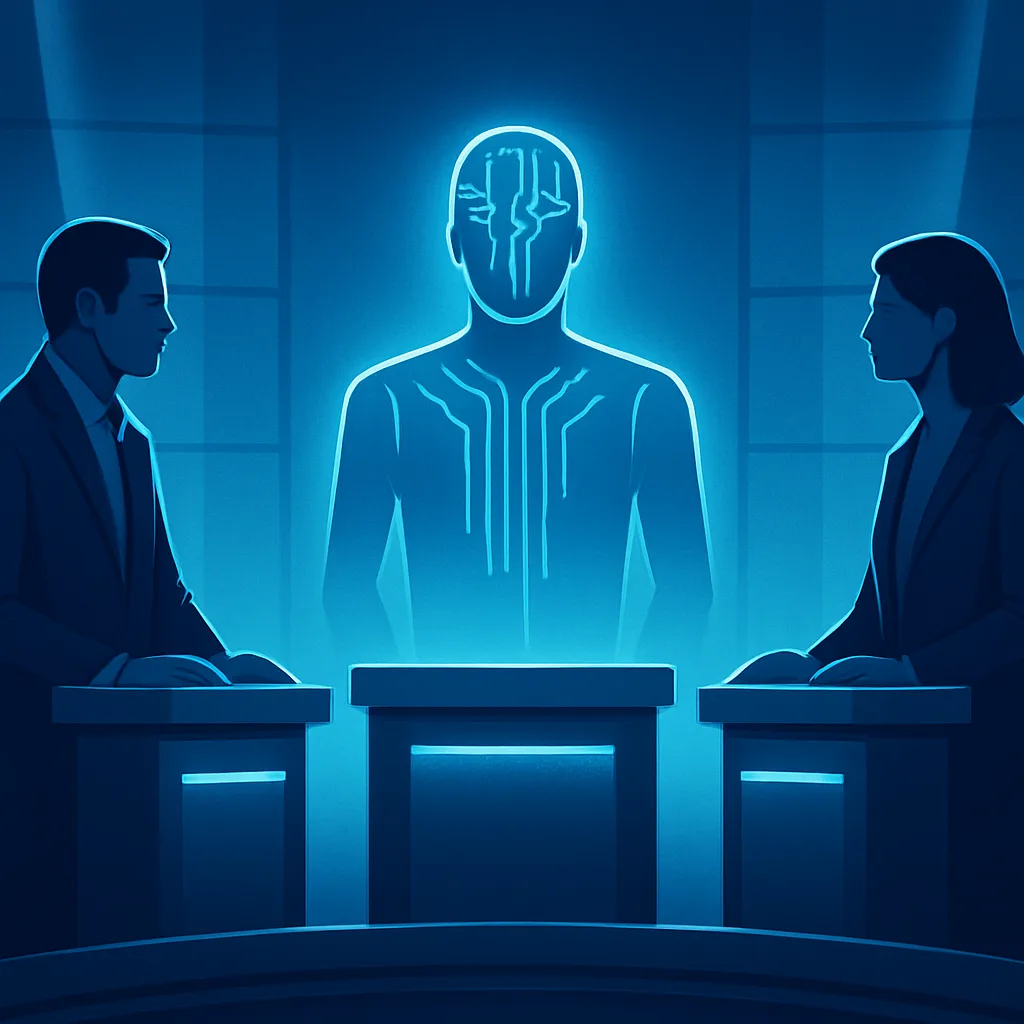
When a clue appeared, the system ran many algorithms at the same time, each proposing possible answers. It then scored those candidates, compared evidence, and calculated how confident it was in each one. Only when its confidence passed a threshold would it buzz in. This blend of speed and self-awareness, knowing what it did not know, was the real breakthrough.
Parallel Processing for Speed
Speed was everything. The machine had only a few seconds to interpret a clue, generate hundreds of possibilities, rank them, and decide whether to risk an answer. Running these tasks in parallel across many processors made that possible, turning a slow research process into a real-time competitor.
How Natural Language Processing Powers It
At the heart of Jeopardy artificial intelligence sits natural language processing (NLP), the technology that lets computers read and interpret human words. NLP breaks a sentence into parts, identifies the subject, detects relationships between words, and tries to capture the actual intent behind the phrasing.
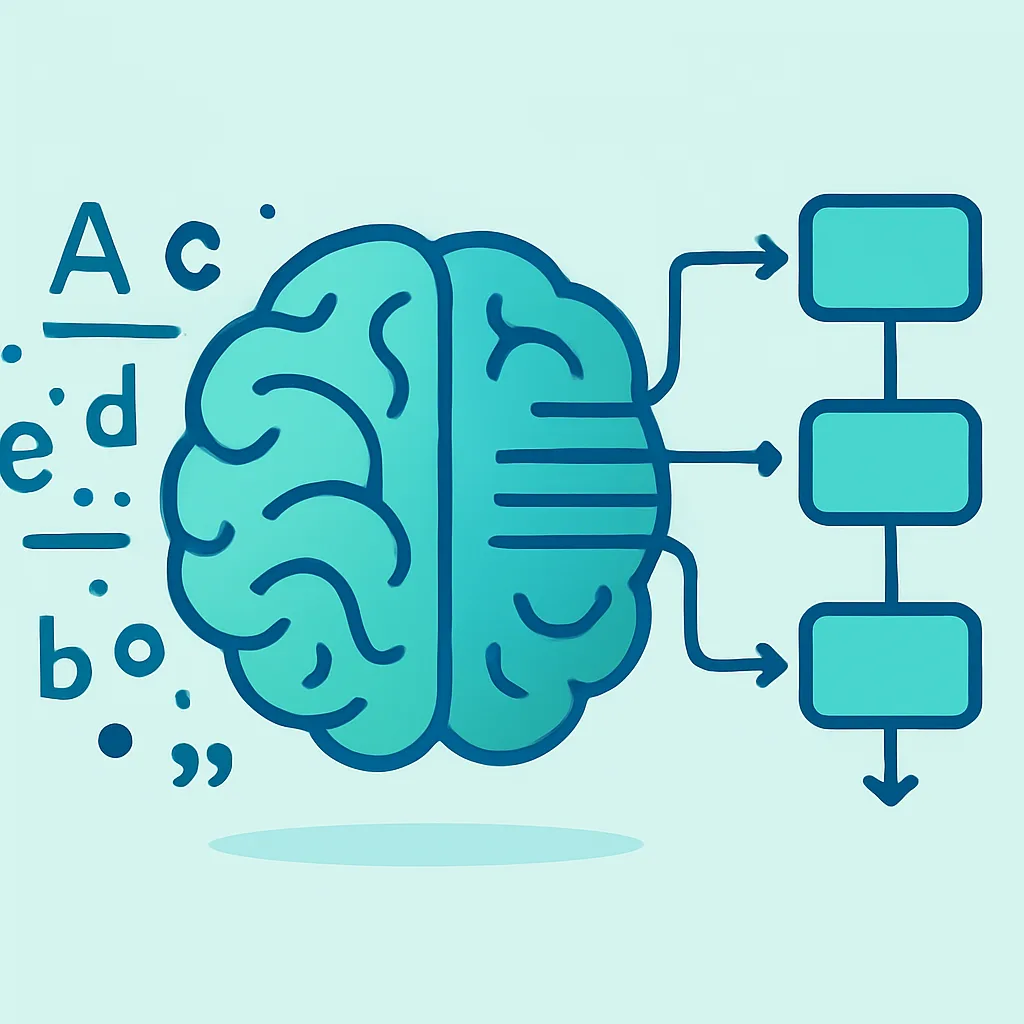
Consider a clue full of metaphor or a deliberately misleading pun. A human untangles it almost instantly using lifelong context. The AI must replicate that skill through statistical models trained on enormous amounts of text. It learns that certain word patterns tend to point toward certain meanings, and it uses those patterns to narrow down the right response.
This is the same family of technology now found in chatbots, search engines, voice assistants, and translation apps. The Jeopardy challenge simply pushed NLP to perform under unusually fierce time pressure and ambiguity.
Machine Learning and Training the Model
NLP alone is not enough. The system also relies on machine learning, where the AI improves by studying thousands of past examples rather than following fixed rules written by hand. Engineers fed it many previous Jeopardy clues and correct responses so it could learn which strategies produced accurate answers.
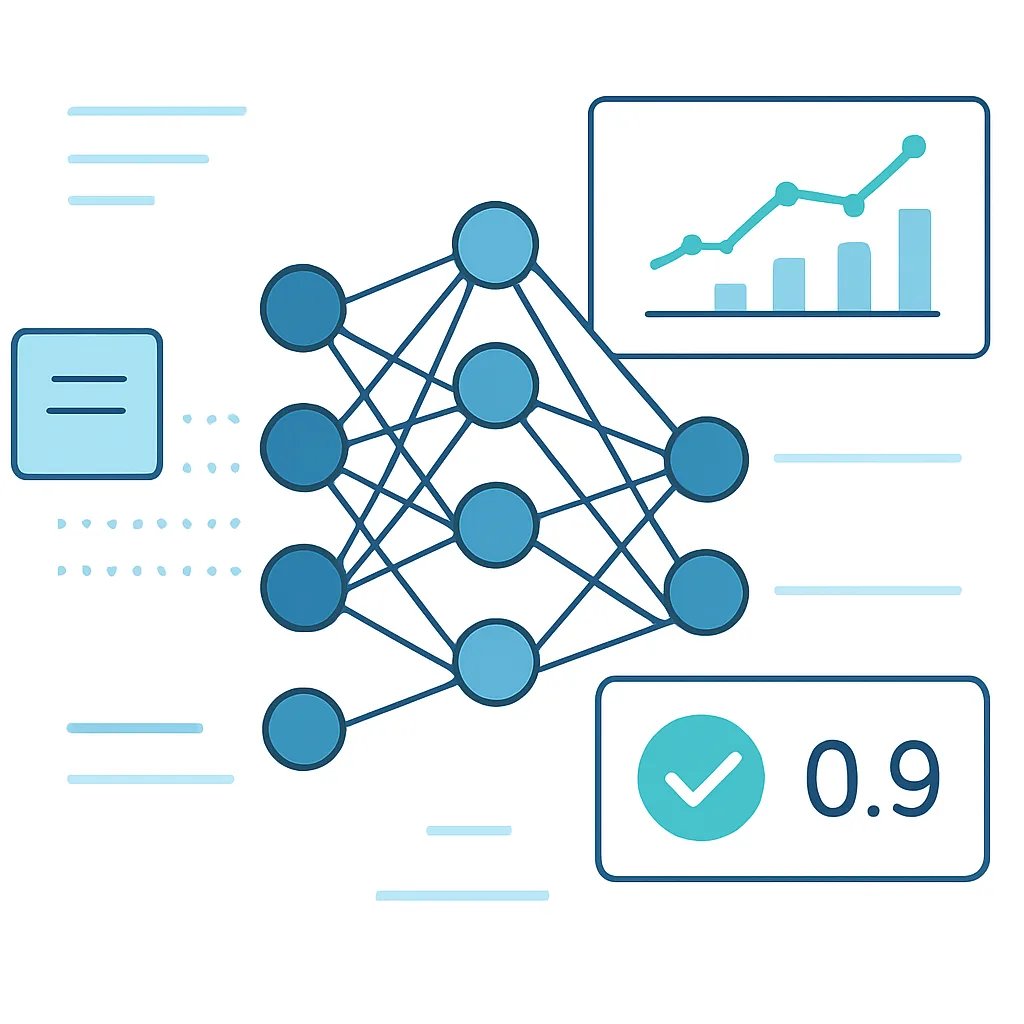
Over time, the model learned to weigh different clues differently. It discovered which sources of evidence were trustworthy, how to combine multiple weak hints into one strong answer, and how to estimate the probability that a candidate response was correct. Each training round sharpened its judgment.
The table below shows the core capabilities that worked together to make the system competitive:
| Capability | What It Does | Why It Matters |
|---|---|---|
| Natural Language Processing | Reads and interprets clues | Understands tricky human phrasing |
| Candidate Generation | Proposes many possible answers | Increases chance of finding the right one |
| Evidence Scoring | Ranks answers by supporting proof | Filters out weak guesses |
| Confidence Estimation | Measures certainty before buzzing | Avoids costly wrong answers |
| Parallel Computing | Runs tasks simultaneously | Delivers answers in seconds |
This combination is why the machine could appear almost intuitive, even though every decision came from cold mathematics and probability.
Game Strategy: More Than Just Right Answers
Knowing the answer is only half the battle. Winning Jeopardy also demands strategy, and the AI was surprisingly good at it. It calculated wagers on the high-value clues, decided when buzzing in was worth the risk, and chose board positions that maximized its scoring potential.
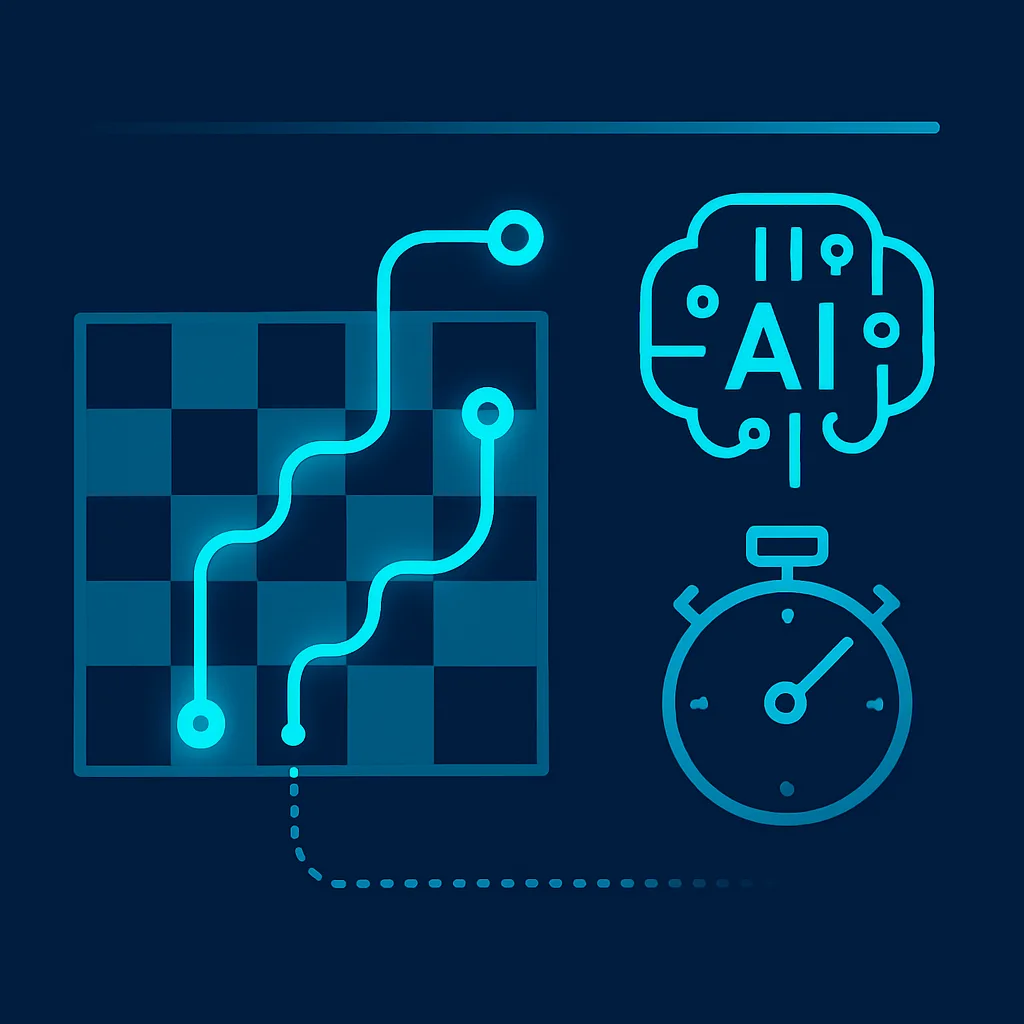
Because the machine could compute exact probabilities, its wagering was often more disciplined than a human's. It did not get nervous, did not chase losses emotionally, and did not second-guess solid math. On the final clue, it could weigh its score, its opponents' scores, and the odds of answering correctly, then place a bet designed to win as often as possible.
This strategic layer is a reminder that real-world AI rarely makes a single decision in isolation. It constantly balances risk, reward, and uncertainty, which is exactly what businesses need when they apply these systems to pricing, logistics, or forecasting.
From the Game Show to Real Business Value
The Jeopardy victory was a spectacle, but its true purpose was to prove a point: machines could understand language well enough to be useful far beyond entertainment. The same engine that answered trivia was soon adapted for serious work.
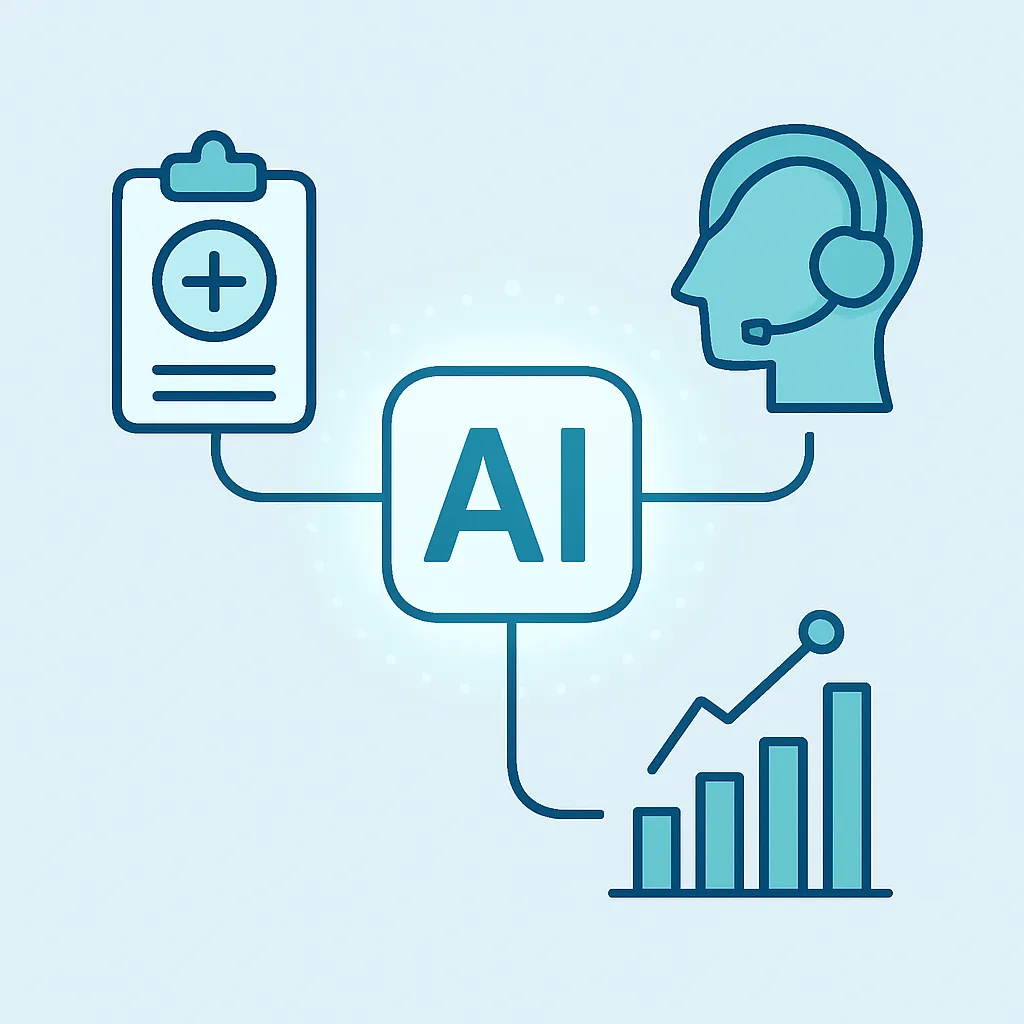
In healthcare, similar systems help analyze medical literature and support diagnostic decisions. In customer service, language-understanding AI powers chatbots that resolve questions instantly. In finance and legal work, it sifts through mountains of documents to surface the few facts that matter. The ability to read context and rank evidence is valuable in almost every industry.
Forward-thinking companies now use these capabilities to automate research, personalize customer experiences, and make faster decisions. If your organization wants to put this technology to work, professional artificial intelligence services can help you design, train, and deploy systems tailored to your goals. The trivia showdown was simply the public proof that such tools were ready for the real world.
The Limits Worth Understanding
For all its brilliance, Jeopardy AI also revealed clear limits. The system occasionally produced answers that no human would ever give, because it lacked true common sense. It manipulated language patterns expertly but did not actually understand the world the way people do.
It also depended heavily on the quality of its stored knowledge. Gaps, errors, or biases in the source text could lead to confident but wrong responses. These weaknesses are still relevant today: modern AI can sound authoritative while being mistaken, which is why human oversight remains essential. Recognizing these boundaries helps companies use AI responsibly rather than treating it as flawless.
The Future of Jeopardy Artificial Intelligence
The technology that once dazzled audiences on a game show now feels almost ordinary, because its descendants are everywhere. Today's large language models read, write, summarize, and converse at a level that would have seemed impossible during that original match. Yet the foundation remains the same: interpret language, gather evidence, estimate confidence, and respond.
Looking ahead, these systems will keep getting faster, more accurate, and more deeply integrated into daily tools. They will reason over richer information, handle more nuance, and require less hand-holding. The Jeopardy moment will be remembered as the spark that made the public believe AI could genuinely understand us.
For businesses and creators wanting to stay ahead, the message is simple: the same ideas that won a quiz show are now within reach for everyday products and services. Explore practical guidance and resources at ZoneTechify and WebPeak to see how language-driven AI can fit your own projects.
Final Thoughts
Jeopardy artificial intelligence earned its place in history not because a computer won a game, but because it showed the world that machines could finally grasp the messy, clever, ambiguous way humans communicate. From natural language processing to machine learning and smart strategy, every piece of that system continues to influence the AI tools we rely on today.
Understanding how it worked gives you a clearer picture of both the power and the limits of modern AI. As these technologies keep advancing, the lessons from that famous buzzer battle remain as relevant as ever, reminding us that great AI is built on understanding, evidence, and disciplined decision-making.