
A practical guide to earning an online Master of Science in Artificial Intelligence for under $18,000, covering tuition costs, programs, funding, and career payoff.
Online Master of Science Artificial Intelligence Tuition Under 18000

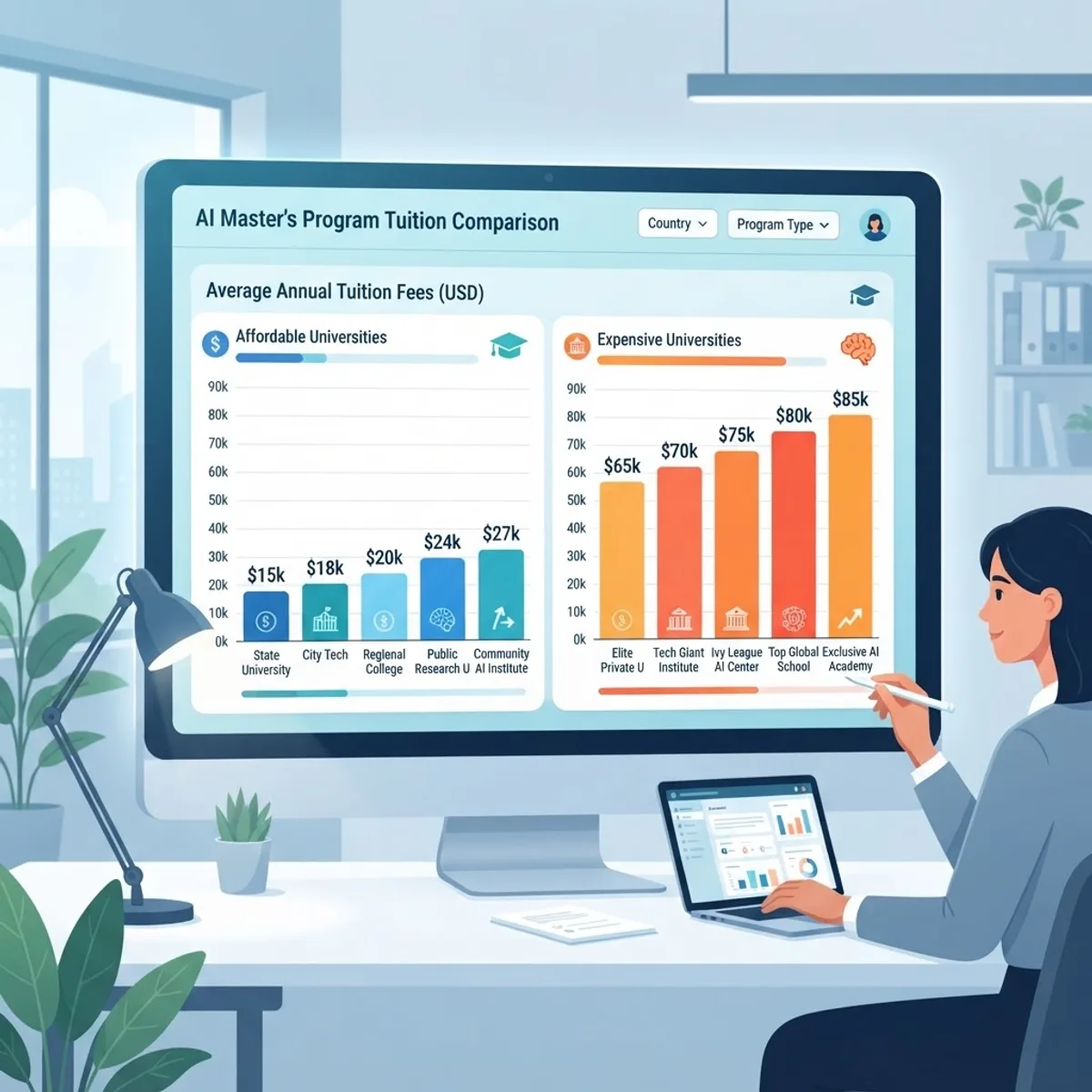
The idea that a graduate degree in artificial intelligence must cost six figures is outdated. Over the past five years, accredited universities have launched fully online Master of Science in Artificial Intelligence programs priced deliberately low to widen access. Today, a working professional can complete a respected MSc in AI for less than $18,000 in total tuition without relocating, quitting a job, or taking on crushing debt.
This guide breaks down exactly how that price point is possible, which programs deliver it, what you actually study, and whether the return on investment justifies the spend. Everything here is written for people making a real financial and career decision, not for search rankings.
Quick Answer: Yes, you can earn an accredited online Master of Science in Artificial Intelligence for under $18,000. Programs like Georgia Tech OMSCS (AI specialization), UT Austin MSAI, and several UK and EU universities offer per-credit pricing that keeps total tuition well below traditional on-campus costs.
Why AI Master's Tuition Dropped So Sharply
The collapse in online AI tuition is not a discount gimmick. It is driven by scale. When a top university teaches one recorded lecture to 8,000 students instead of 80, the fixed cost per student falls dramatically. Georgia Tech pioneered this with its Online Master of Science in Computer Science (OMSCS), which charges roughly $180 per credit hour, delivering a full degree near $7,000 to $8,000.
According to the U.S. Bureau of Labor Statistics, computer and information research scientist roles, which include AI specialists, are projected to grow 26% between 2023 and 2033, far faster than the 4% average across all occupations. Universities responded to that demand by scaling affordable online pathways to fill the talent gap. Lower price attracts higher enrollment, and higher enrollment sustains the low price. That flywheel is why sub-$18,000 tuition is now realistic rather than aspirational.
What "Under 18000" Actually Buys You
A common fear is that cheap tuition signals a low-quality or unaccredited program. In the strongest budget programs, the opposite is true. The affordability comes from delivery format, not academic dilution. You typically receive the same core curriculum, the same faculty-designed assignments, and the same diploma as on-campus students, minus the campus overhead.
Here is what a well-chosen program under $18,000 should include:
- Regional or national accreditation recognized by employers and other universities
- Graduate-level coursework in machine learning, deep learning, and AI reasoning
- Hands-on projects using Python, PyTorch, or TensorFlow
- A capstone or thesis demonstrating applied competence
- The same credential printed on your degree as full-price students receive
If a program cannot confirm accreditation and does not disclose faculty credentials, treat the low price as a warning rather than a bargain.
Comparing the Best Affordable Online MSc AI Programs
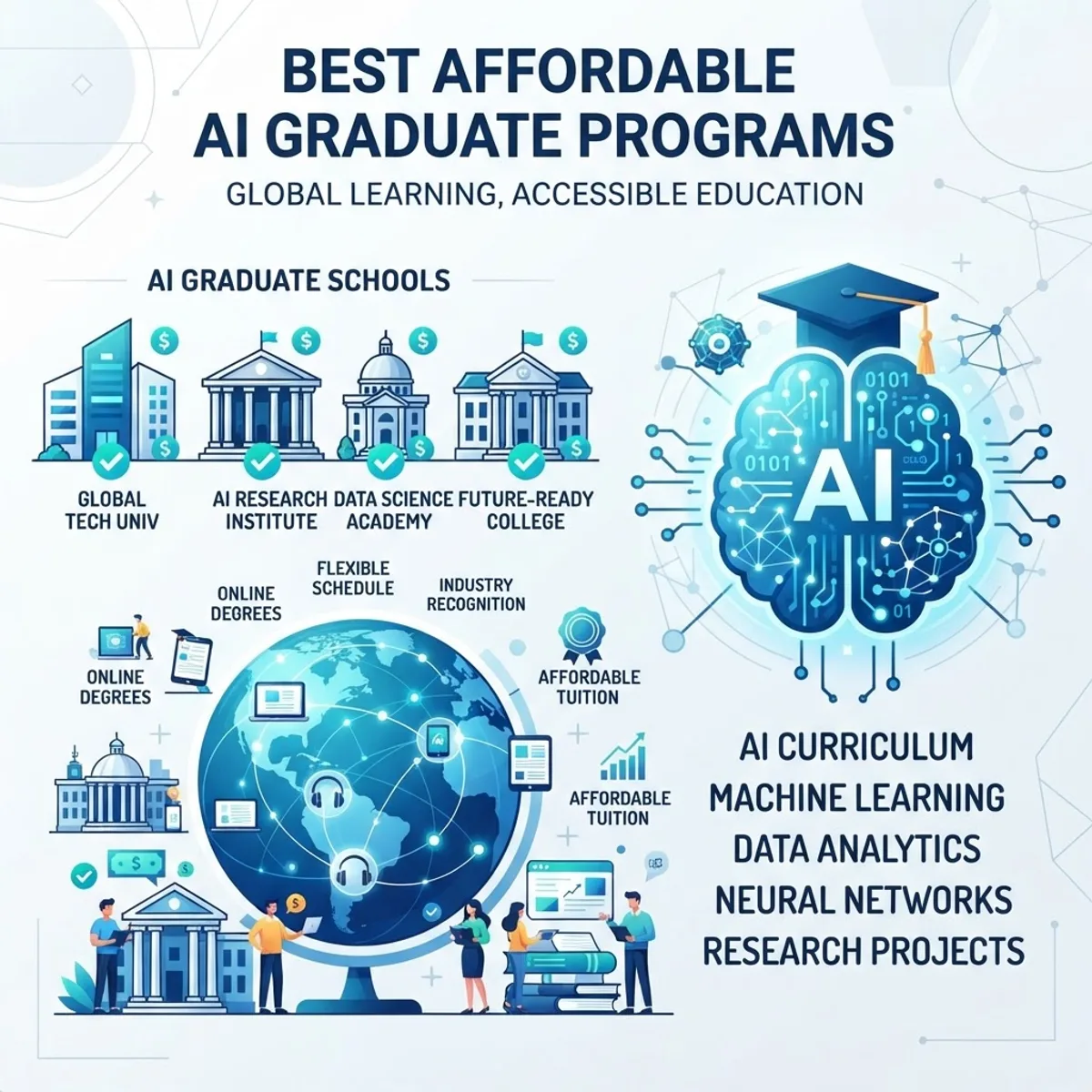
The table below compares widely recognized options that fall under the $18,000 threshold. Prices are approximate total tuition and can shift with residency status and fees, so always verify on the official university site before enrolling.
| Program | Approx. Total Tuition | Duration | Standout Strength |
|---|---|---|---|
| Georgia Tech OMSCS (AI track) | $7,000 - $8,000 | 2-3 years | Lowest cost, elite reputation |
| UT Austin MSAI | $10,000 | 1.5-3 years | Top-ranked CS school, low price |
| University of Bath (Online MSc AI) | $14,000 - $17,000 | 2-3 years | UK accreditation, flexible |
| University of Texas / edX partners | $10,000 - $15,000 | 1.5-3 years | Career-aligned projects |
| Various EU public universities | $2,000 - $12,000 | 2 years | Low or subsidized EU tuition |
Georgia Tech and UT Austin consistently offer the strongest value for North American learners, while several European public universities charge even less because tuition is partly state-subsidized. If you build tools or applications around these skills, resources like ZoneTechify and WebPeak can help translate academic AI knowledge into real client-facing products.
The Curriculum: What You Will Actually Learn
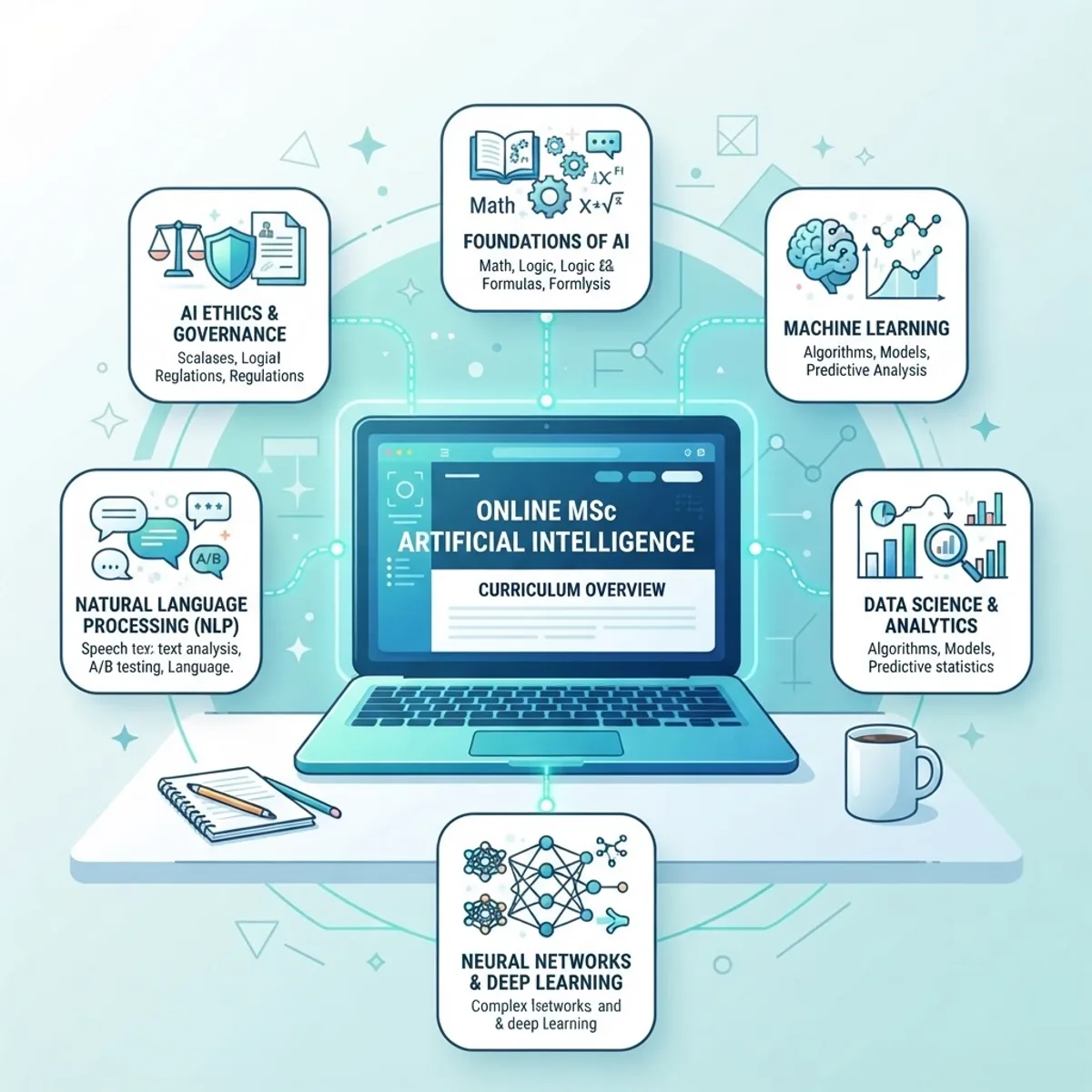
An online MSc in Artificial Intelligence is not a watered-down bootcamp. It is a rigorous graduate program that assumes you can code and understand college-level math. Expect to strengthen linear algebra, probability, and statistics early, because those subjects underpin every model you will build.
Core subjects almost always include:
- Machine Learning - supervised, unsupervised, and reinforcement learning fundamentals
- Deep Learning - neural networks, CNNs, RNNs, and transformer architectures
- Natural Language Processing - text classification, embeddings, and large language models
- Computer Vision - image recognition and object detection
- AI Ethics and Safety - bias, fairness, and responsible deployment
- Capstone Project - an applied problem solved end to end
Definition: A capstone project is a culminating, independent piece of applied work where a student solves a realistic AI problem from data collection through model deployment, demonstrating mastery of the full program.
The biggest predictor of success is not intelligence but consistency. Most affordable programs are asynchronous, meaning you set your own weekly pace. Students who block fixed study hours finish. Those who wait for motivation stall.
How to Fund a Degree Even Below $18,000
Even an affordable degree deserves a funding plan. The good news is that low tuition makes financing dramatically easier, because you are covering thousands rather than tens of thousands of dollars.
Practical funding routes include:
- Employer tuition assistance - many tech and finance firms reimburse $5,000 or more per year for job-relevant degrees
- Pay-as-you-go per-credit billing - you only pay for the courses you enroll in each term, spreading cost over years
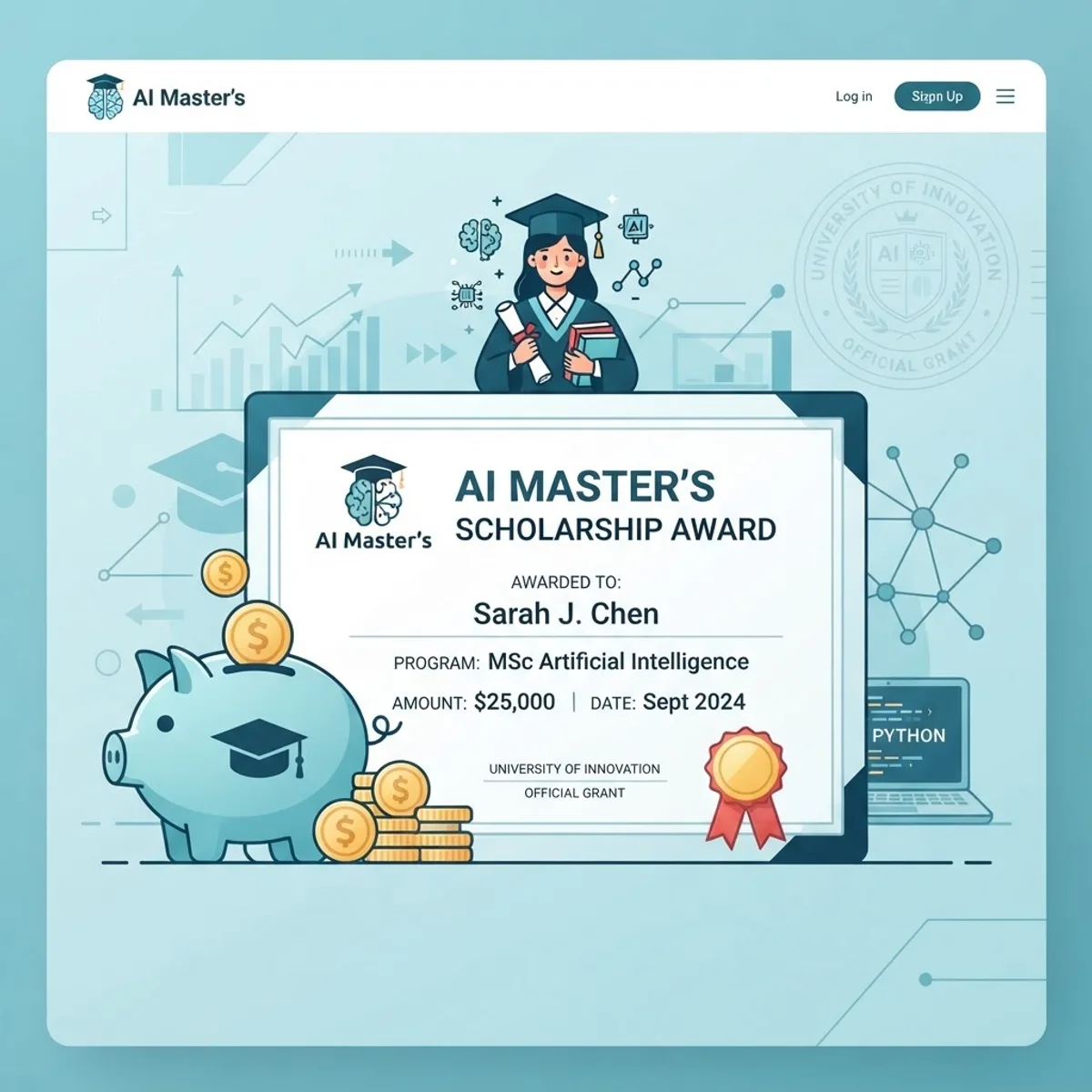
- Scholarships and grants - departmental awards, women-in-tech grants, and regional scholarships
- Interest-free installment plans - offered directly by several universities
Because per-credit programs let you pause between terms, you can align tuition payments with your cash flow. That flexibility is often more valuable than a lump-sum discount.
Is the Return on Investment Worth It?
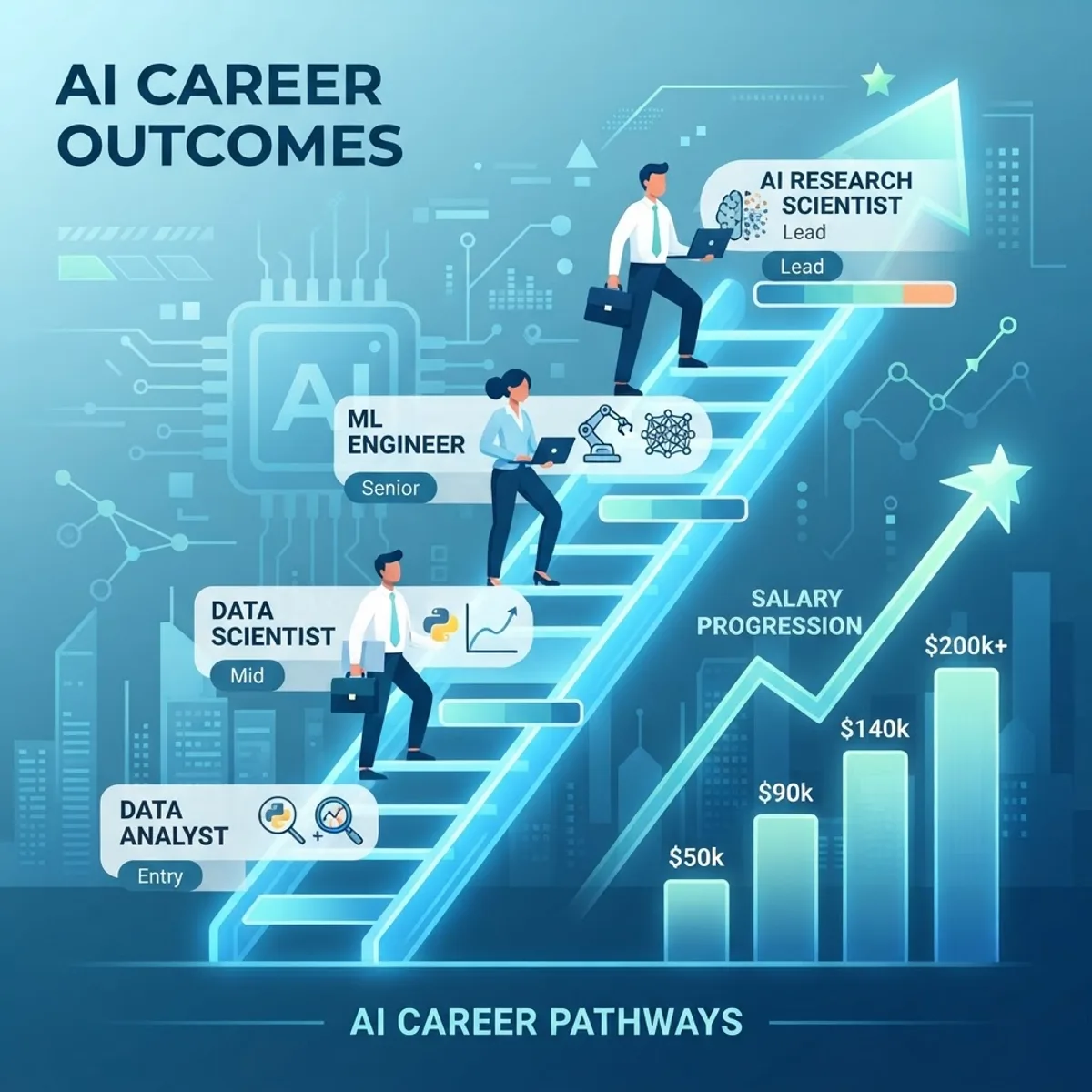
The math strongly favors an affordable AI master's. If total tuition is $15,000 and the degree lifts your salary by even $12,000 per year, the payback period is roughly 15 months. According to industry salary surveys, machine learning engineers and AI specialists in the United States commonly earn six-figure compensation, and demand continues outpacing supply.
The degree also signals credibility. In a field crowded with self-taught practitioners and short courses, an accredited MSc from a recognized university reassures employers that you have completed sustained, evaluated graduate work. That trust shortens hiring cycles and strengthens negotiating power.
Just as important, the projects you build become portfolio evidence. A well-documented capstone often carries as much weight in interviews as the diploma itself, so treat every assignment as a public work sample rather than a private exam.
How to Choose the Right Program for You
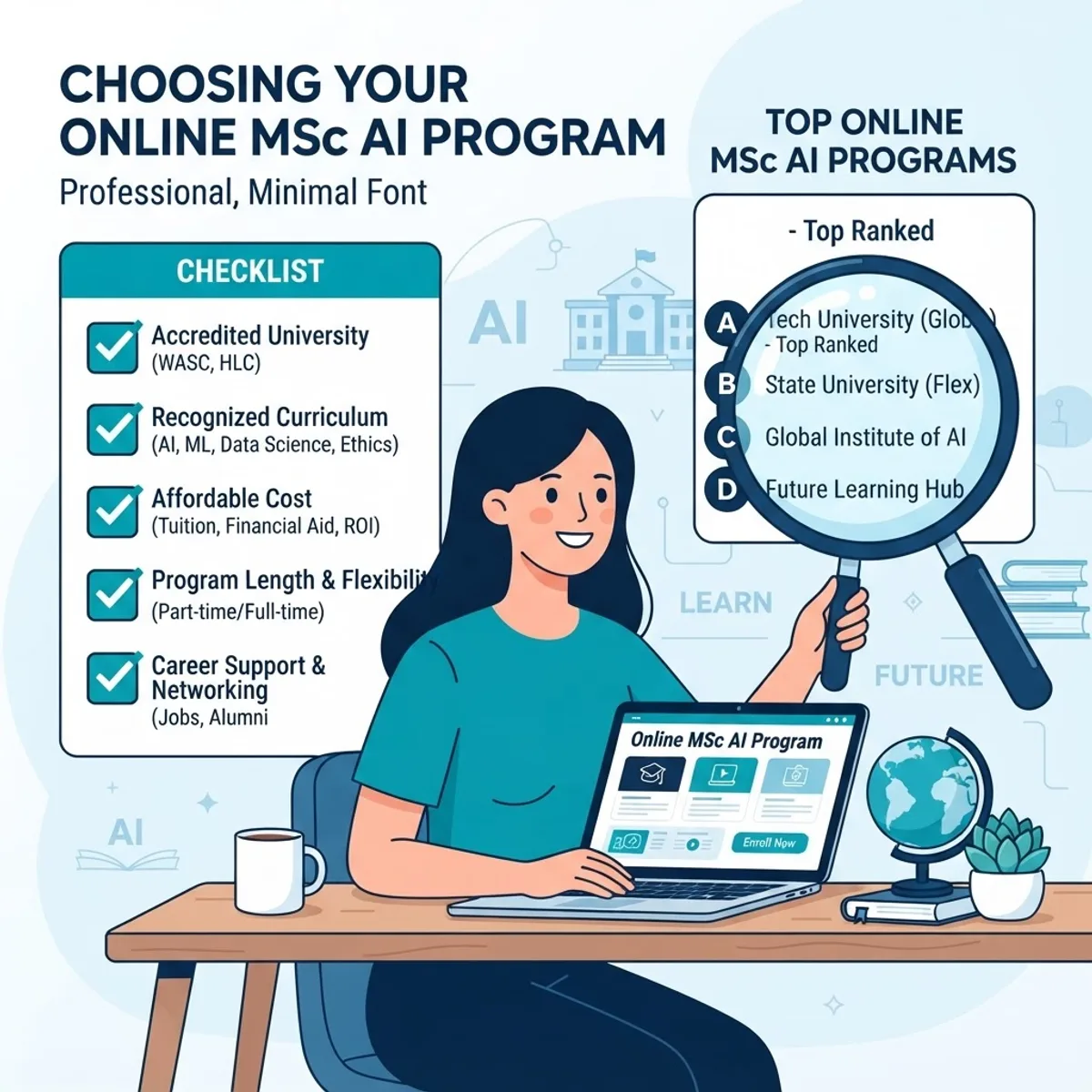
Selecting the right program is a filtering exercise, not a ranking chase. Start with non-negotiables, then optimize for fit. Use this checklist in order:
- Confirm accreditation - reject anything unaccredited regardless of price
- Verify total cost - add fees, not just per-credit tuition
- Check admission requirements - some need a CS background or GRE
- Review the curriculum - ensure it covers the AI subfields you care about
- Assess flexibility - asynchronous formats suit full-time workers best
- Read student outcomes - look for graduate employment and project examples
Apply the checklist to two or three finalists rather than a dozen. Analysis paralysis delays enrollment far more often than a bad shortlist does, and the difference between the top affordable programs is smaller than most applicants assume.
Key Takeaways
- An accredited online MSc in Artificial Intelligence is achievable for under $18,000, with some programs near $7,000.
- Low tuition comes from scaled online delivery, not reduced academic quality.
- Computer and information research roles are projected to grow 26% from 2023 to 2033 (U.S. Bureau of Labor Statistics).
- Georgia Tech OMSCS and UT Austin MSAI offer the strongest value for most learners.
- Employer reimbursement and per-credit billing make even a cheap degree easier to fund.
- With typical salary gains, the payback period is often under 18 months.
Frequently Asked Questions (FAQ)
Can I really get a Master's in AI for under $18,000?
Yes. Accredited programs such as Georgia Tech OMSCS and UT Austin MSAI charge low per-credit tuition, bringing total costs between roughly $7,000 and $17,000. The savings come from scaled online delivery, not reduced quality, so you earn the same recognized degree as on-campus students.
Are affordable online AI degrees respected by employers?
Absolutely, provided the program is accredited and from a recognized university. Employers care about the institution, curriculum rigor, and your project portfolio far more than the delivery format. A degree from schools like Georgia Tech carries the same weight whether earned online or on campus.
Do I need a computer science background to enroll?
Most programs expect programming ability, usually Python, plus college-level math in statistics, probability, and linear algebra. Some accept applicants from adjacent fields who complete prerequisite courses first. Check each program's admission page, since requirements vary and a few offer bridging modules for career changers.
How long does an online MSc in AI take to complete?
Most affordable, asynchronous programs take between one and a half and three years, depending on your pace. Because many bill per credit, you can accelerate during lighter work periods or slow down when busy. Full-time professionals typically finish in two to three years comfortably.
What jobs can I get after an online AI master's degree?
Graduates commonly move into roles like machine learning engineer, data scientist, AI research assistant, NLP engineer, and AI product specialist. These positions are in high demand, with computer and information research roles growing 26% through 2033, and many offer six-figure salaries in the United States.