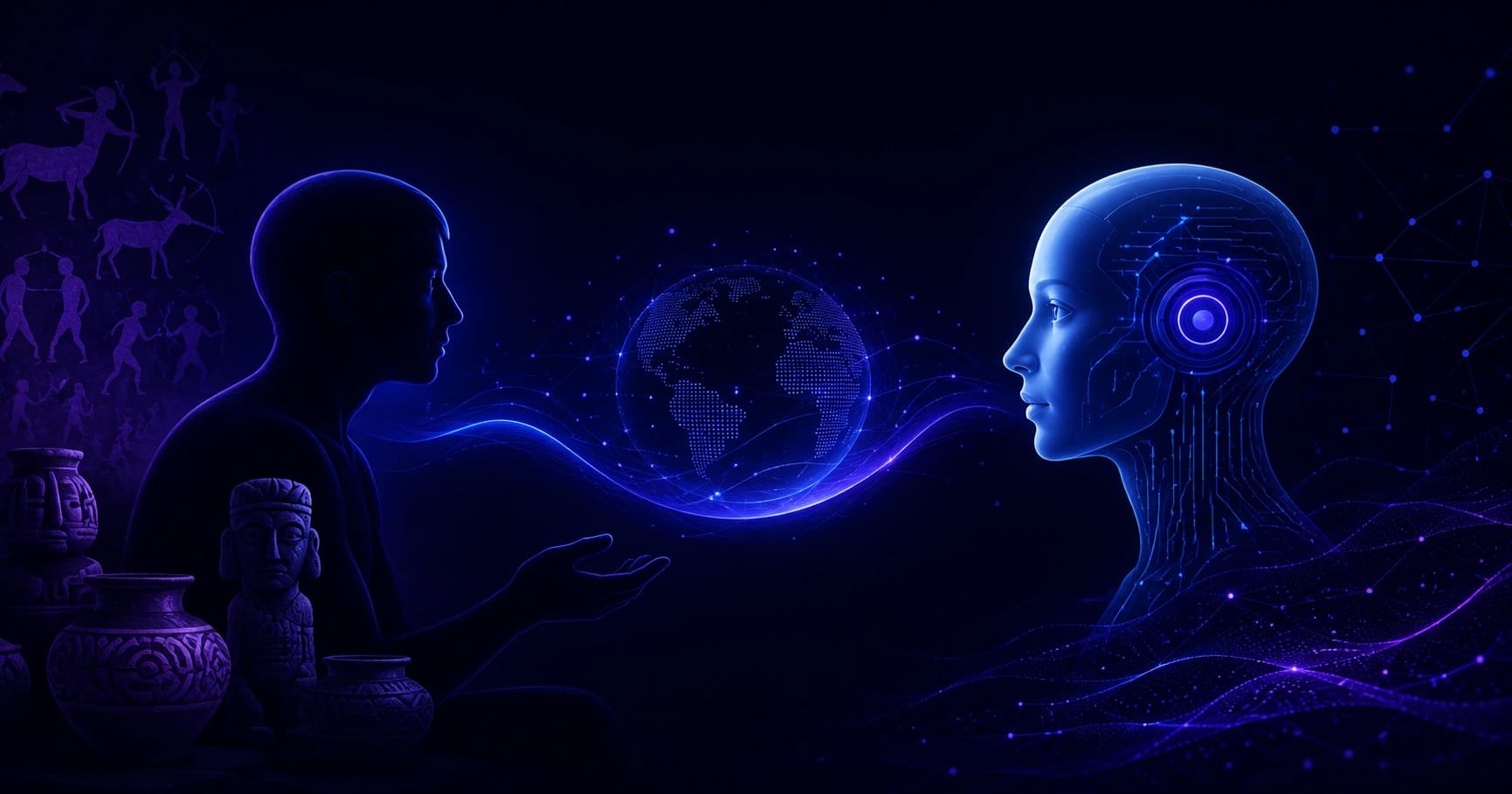
Explore how anthropology and artificial intelligence intersect, reshaping cultural research, ethics, and the study of human behavior in the modern data-driven world.
Anthropology Artificial Intelligence
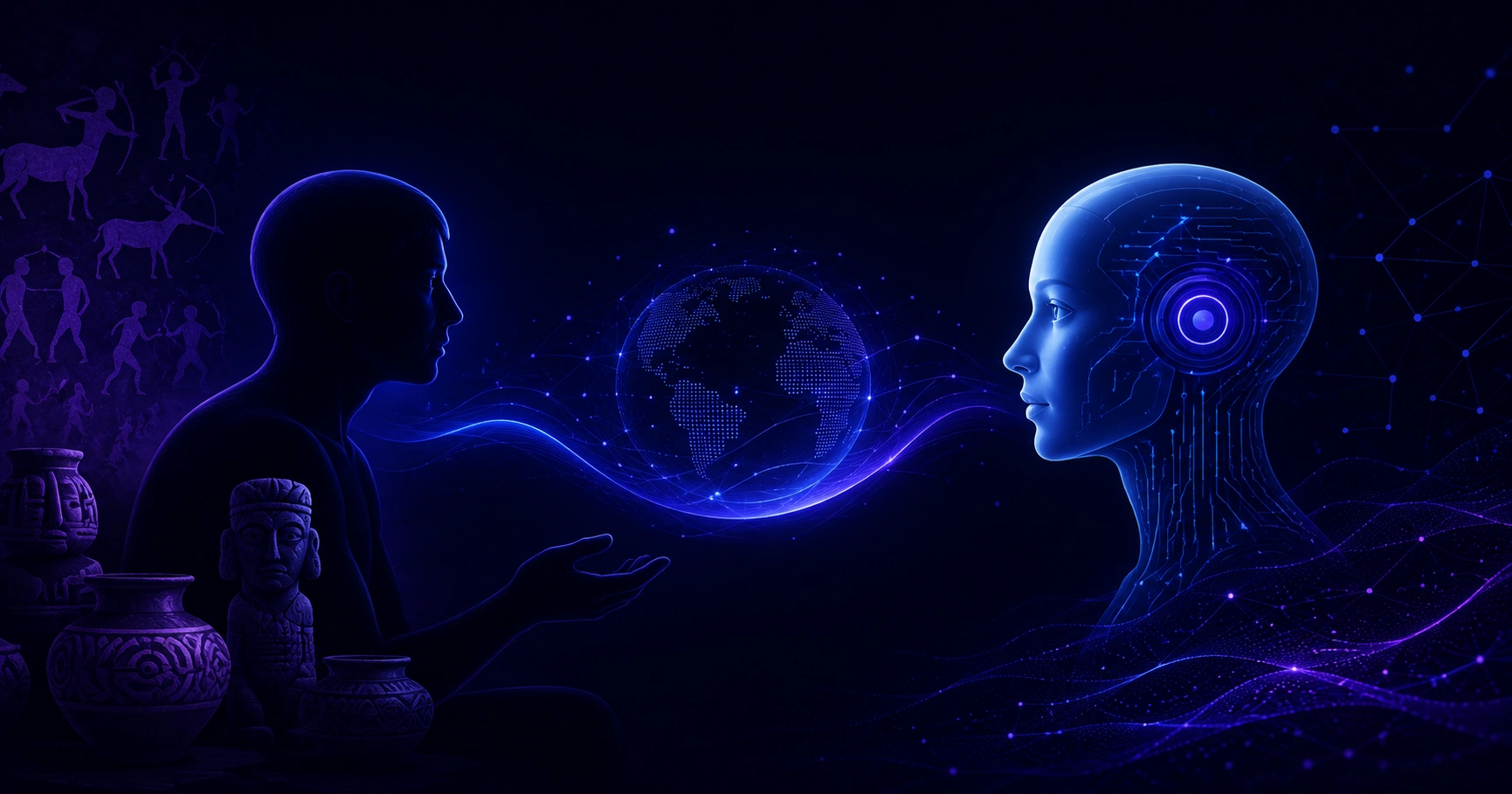
The meeting point of anthropology and artificial intelligence is one of the most quietly transformative shifts in modern research. Anthropology studies humans, their cultures, behaviors, and social systems, while AI processes patterns at a scale no human team could match. When these two fields combine, they create new ways to understand how people live, communicate, and evolve. This is not science fiction. Anthropologists today use machine learning to analyze thousands of interviews, map migration patterns, and preserve dying languages. At the same time, anthropology gives AI something it badly needs: cultural context and a human-centered conscience. This article explains exactly how the two disciplines connect, where they clash, and what it means for researchers, businesses, and everyday users.
Quick Answer: Anthropology and artificial intelligence intersect when AI tools analyze human cultural and behavioral data, while anthropological insight ensures that AI systems are designed ethically, contextually, and inclusively. Together they help researchers study societies faster and build technology that genuinely respects human diversity.
What Does Anthropology and Artificial Intelligence Mean?
Anthropology and artificial intelligence describe a two-way relationship: AI accelerates the analysis of human cultural data, and anthropology shapes AI to reflect real human values. Anthropology is the study of humanity across time and place, covering language, behavior, biology, and culture. Artificial intelligence is the field of building machines that perform tasks requiring human-like reasoning, such as recognizing speech or detecting patterns.
When merged, the result is often called "digital anthropology" or "computational anthropology." Researchers use algorithms to sort enormous datasets, such as decades of ethnographic field notes, social media conversations, or archaeological records. The anthropologist still asks the human questions; AI simply helps surface answers buried in data that would take a lifetime to read manually.
Why This Intersection Matters Right Now
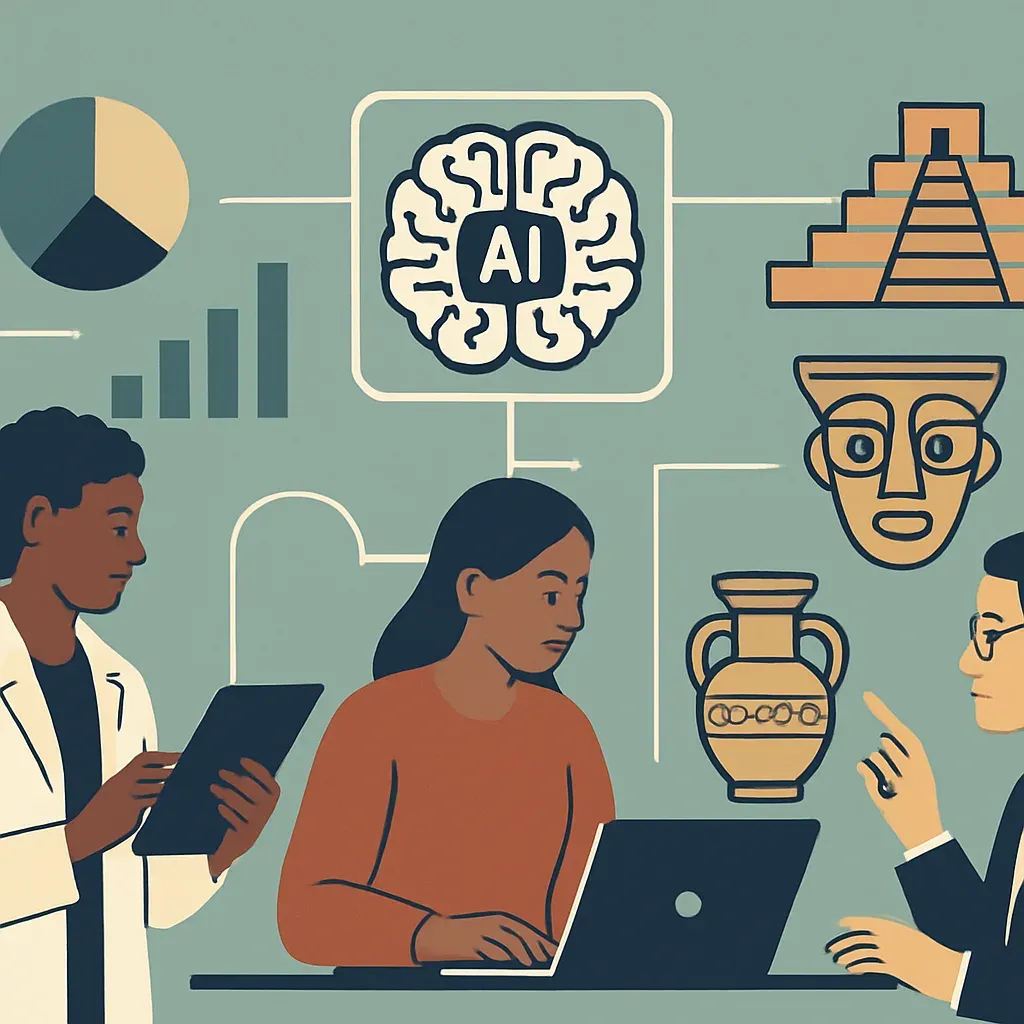
The timing is critical because AI systems are already making decisions that affect billions of people, often without cultural awareness. According to Stanford's AI Index Report, private investment in AI reached well over 90 billion dollars in a single recent year, yet most of that funding focused on capability rather than cultural understanding. This gap is exactly where anthropology becomes essential.
Consider facial recognition systems that performed poorly on darker skin tones, or chatbots that misread cultural nuance. These failures are not just technical bugs; they are anthropological blind spots. A study widely cited by MIT researchers found error rates of up to 34 percent for darker-skinned women in some commercial facial analysis tools, compared to under 1 percent for lighter-skinned men. Anthropologists help teams recognize that "the user" is not one universal person but a mosaic of cultures, languages, and lived realities.
Businesses building AI products increasingly rely on this perspective. Teams offering artificial intelligence services now bring in cultural researchers to audit datasets before launch, reducing bias and protecting brand trust.
How Anthropologists Actually Use AI in Their Work
Modern anthropology is no longer limited to notebooks and tape recorders. Researchers apply AI across several stages of their work:
- Transcription and translation of recorded interviews in minutes instead of weeks.
- Pattern detection across thousands of documents to spot recurring social themes.
- Image and artifact analysis to classify pottery, tools, or skeletal remains.
- Predictive mapping of ancient settlements using satellite and terrain data.
- Sentiment and discourse analysis of online communities at massive scale.
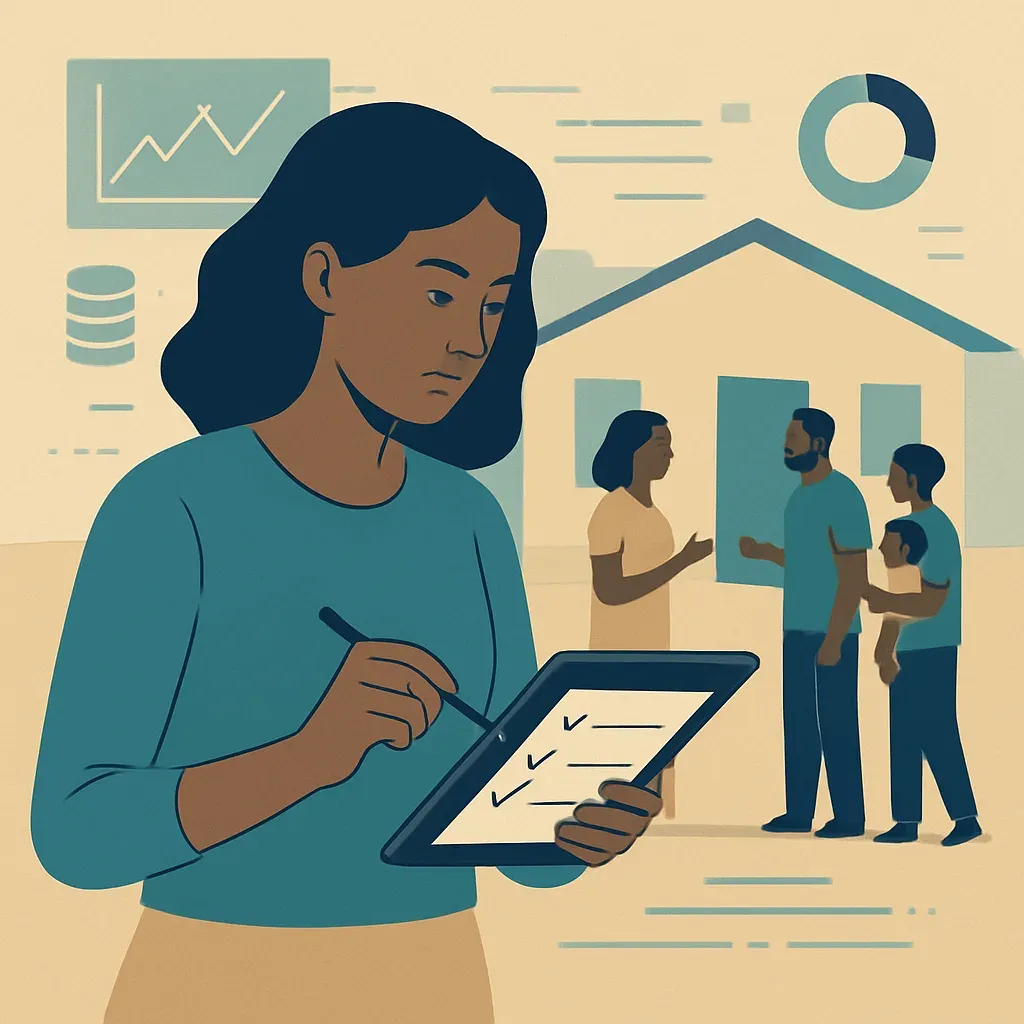
These tools do not replace fieldwork. An algorithm cannot sit in a village, build trust, and understand a ritual's meaning. Instead, AI handles the heavy lifting of data processing so the anthropologist can focus on interpretation, the part that requires genuine human judgment.
Machine Learning and Cultural Data: A Powerful but Delicate Pairing
Machine learning is the branch of AI where systems learn from data without being explicitly programmed for every rule. When applied to cultural data, it can reveal connections humans might miss, such as subtle links between language structure and social hierarchy. However, cultural data is messy, deeply contextual, and easy to misinterpret.
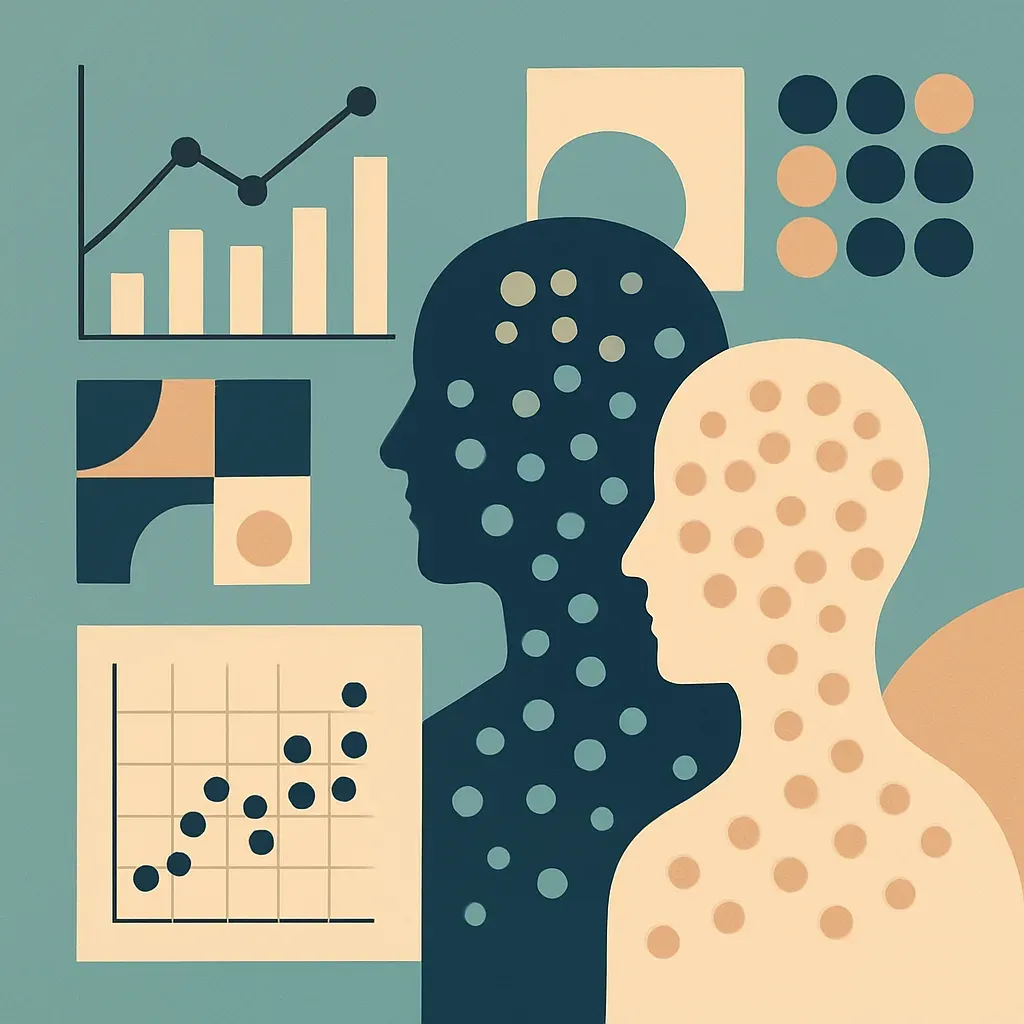
For example, a model might detect that certain words appear frequently together, but it cannot understand sarcasm, taboo, or sacred meaning without human framing. This is why anthropologists insist on "thick data," the rich qualitative context that gives numbers their true meaning. The combination of big data and thick data produces far more reliable insights than either alone.
The Ethics of Studying Humans Through Machines
Ethics sits at the heart of anthropology and artificial intelligence. Anthropology has long operated under strict principles of consent, dignity, and "do no harm." AI, by contrast, has historically scraped data first and asked questions later. Bringing anthropological ethics into AI development is one of the most valuable contributions this intersection offers.
Key ethical concerns include:
- Consent: Did people agree to have their cultural data analyzed?
- Bias: Does the training data overrepresent some groups and erase others?
- Ownership: Who controls indigenous knowledge once it is digitized?
- Surveillance: Could the same tools be used to monitor or oppress communities?
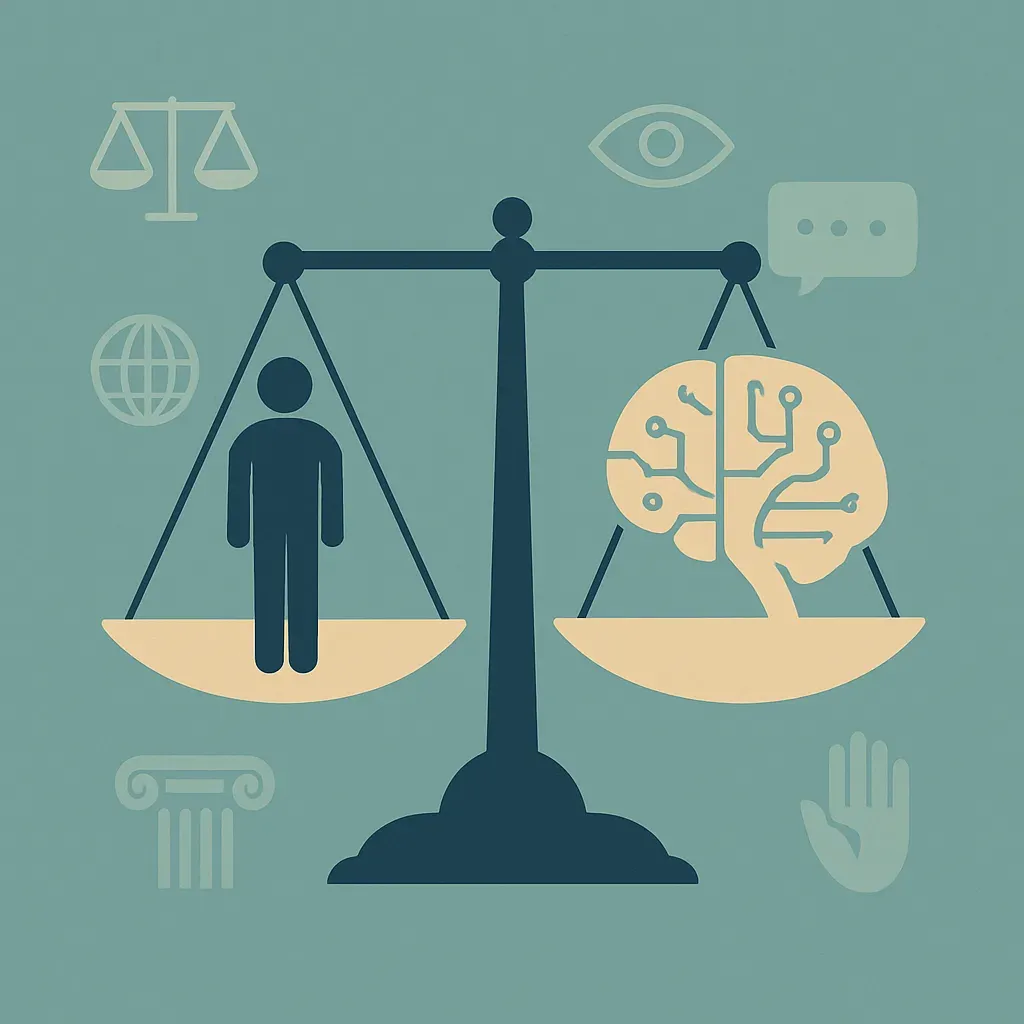
Anthropologists trained in ethics act as a safeguard, asking uncomfortable but necessary questions before harmful systems reach the public. This is the kind of expertise that separates responsible AI from reckless automation.
Comparing Traditional Anthropology and AI-Assisted Anthropology
The table below shows how AI changes anthropological practice without erasing its core values.
| Aspect | Traditional Anthropology | AI-Assisted Anthropology |
|---|---|---|
| Data volume | Limited by human reading speed | Millions of records analyzed quickly |
| Speed of analysis | Months to years | Hours to days |
| Cultural nuance | Very high, human-led | Needs human framing to stay accurate |
| Bias risk | Researcher bias | Researcher plus dataset bias |
| Cost over time | High labor cost | Lower per-record, higher setup cost |
| Best use | Deep meaning, fieldwork | Scale, pattern detection, sorting |
The clear takeaway is that AI is a multiplier, not a replacement. The strongest research teams blend both columns rather than choosing one.
Preserving Languages and Cultures With AI
One of the most inspiring applications is language preservation. UNESCO estimates that a language disappears roughly every two weeks, taking centuries of knowledge with it. AI-powered speech models can now record, transcribe, and help teach endangered languages, giving communities tools to keep their heritage alive.
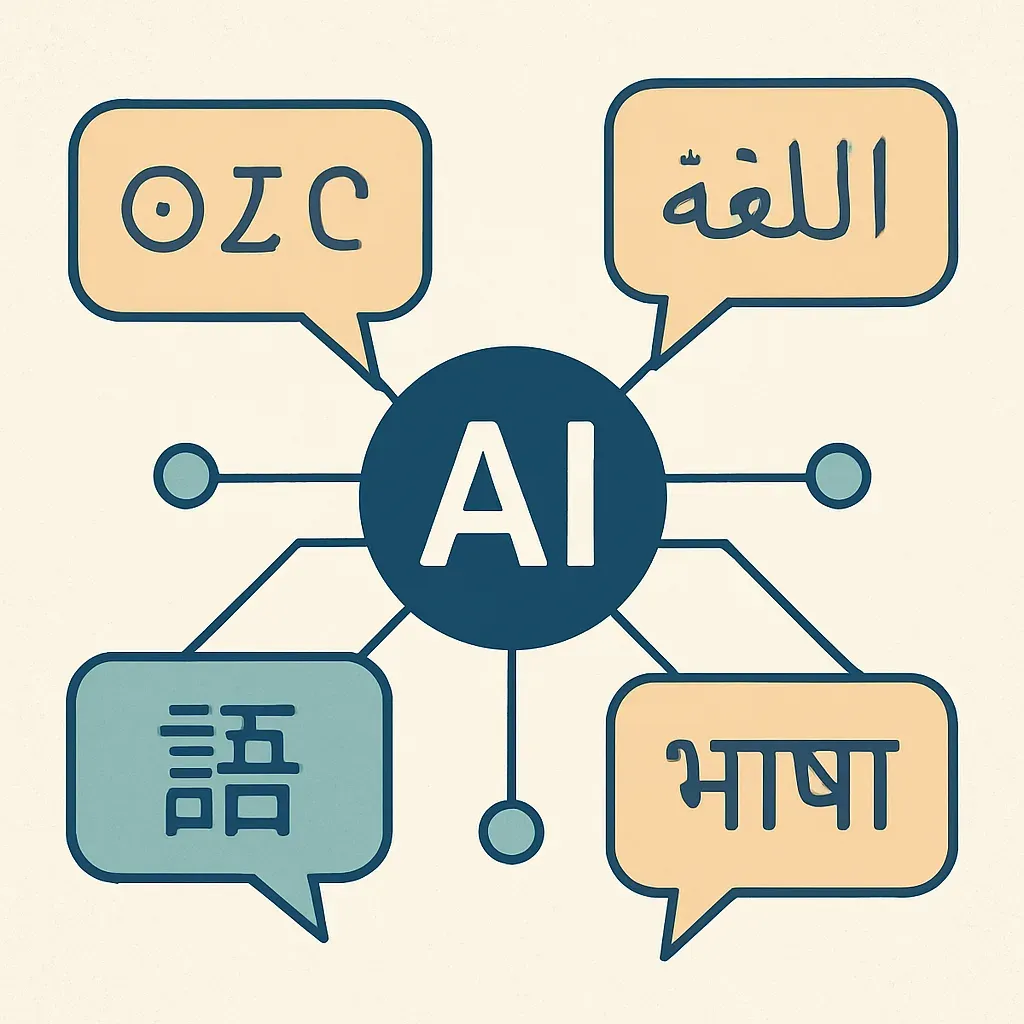
Projects around the world pair native speakers with machine learning to build dictionaries, pronunciation guides, and interactive lessons. Here, anthropology ensures the work is community-led rather than extractive, while AI provides the scale to act before knowledge is lost forever.
Practical Steps for Teams Adopting This Approach
If you run a research team, product company, or content studio, you can apply these lessons directly:
- Include cultural expertise early. Add an anthropologist or cultural researcher during design, not after launch.
- Audit your data. Check whose voices are missing before training any model.
- Keep humans in the loop. Use AI for sorting and drafting, but reserve interpretation for people.
- Document consent. Track where data came from and whether people agreed to its use.
- Test across cultures. Validate outputs with diverse, real users.
Companies that want a structured partner for this work often turn to specialists in artificial intelligence solutions to combine technical builds with ethical, human-centered design. You can learn more about full-service digital expertise at ZoneTechify and WebPeak.
The Future of Anthropology and Artificial Intelligence
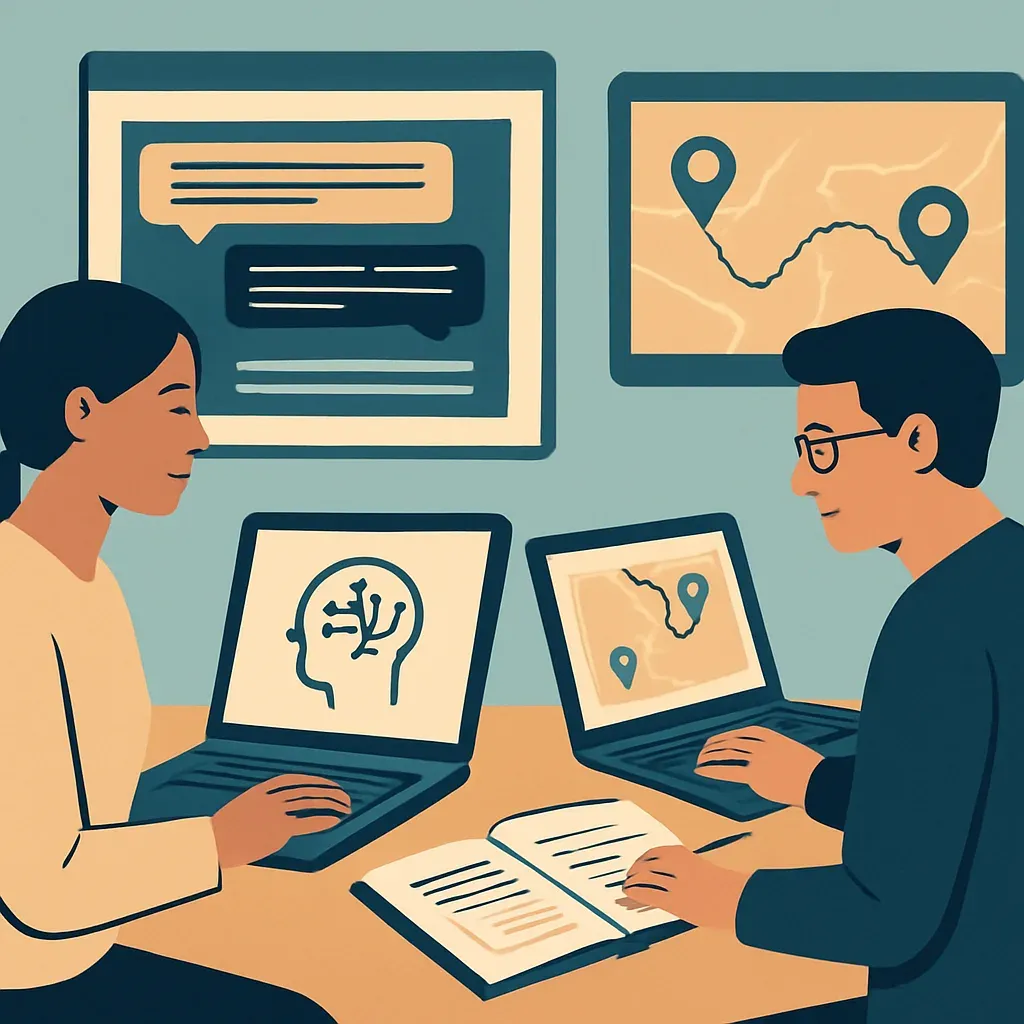
The future points toward genuine collaboration rather than competition. As AI grows more capable, the demand for people who understand human meaning will rise, not fall. Anthropologists will increasingly work inside tech companies, shaping recommendation systems, content moderation, and global product design. Meanwhile, AI will give anthropology superpowers, allowing a single researcher to study patterns across entire civilizations.
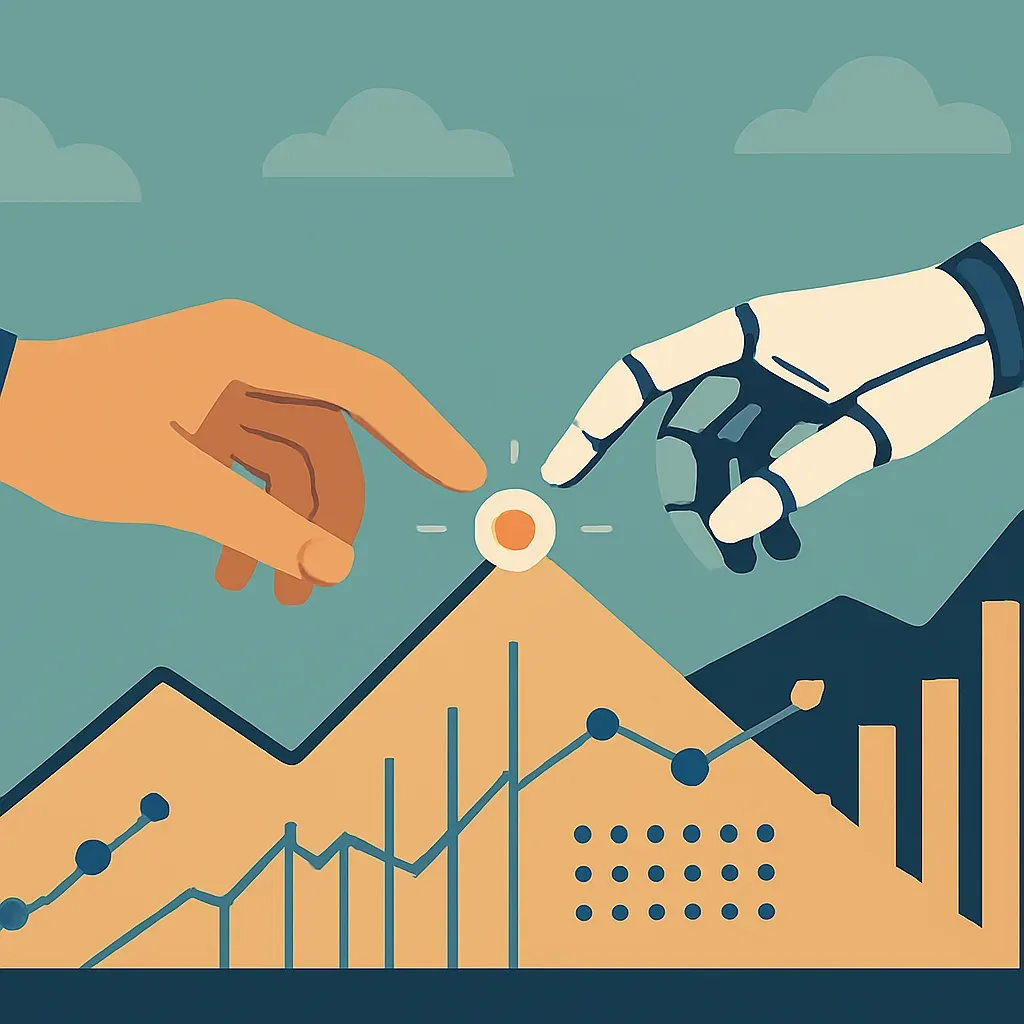
The most successful organizations will treat culture as a feature, not an afterthought. The lesson is simple but profound: technology built without an understanding of humanity will eventually fail the humans it serves.
Key Takeaways
- Anthropology and artificial intelligence form a two-way relationship where AI scales data analysis and anthropology supplies cultural and ethical context.
- Some facial analysis tools showed error rates up to 34 percent for darker-skinned women, proving the cost of cultural blind spots in AI.
- UNESCO estimates a language dies roughly every two weeks, and AI is now used to help preserve endangered languages.
- AI is a multiplier for anthropology, handling scale while humans handle meaning and interpretation.
- Ethical principles like consent, ownership, and bias control are essential when machines study human cultures.
Frequently Asked Questions (FAQ)
What is the connection between anthropology and artificial intelligence?
Anthropology and artificial intelligence connect through data and ethics. AI analyzes large amounts of human cultural and behavioral data quickly, while anthropology provides the context, meaning, and ethical guidance needed to interpret that data responsibly and build technology that respects diverse human cultures.
Can artificial intelligence replace anthropologists?
No, AI cannot replace anthropologists. AI processes data and detects patterns, but it cannot build trust, understand sacred rituals, or interpret cultural meaning. Anthropologists provide human judgment and ethical oversight, using AI as a powerful tool to handle scale rather than as a replacement for fieldwork.
How do anthropologists use AI in their research?
Anthropologists use AI to transcribe interviews, translate languages, detect patterns across thousands of documents, classify artifacts, and map ancient settlements with satellite data. These tools speed up time-consuming tasks, freeing researchers to focus on interpretation and the deeply human side of their work.
Why is anthropology important for building ethical AI?
Anthropology is important for ethical AI because it brings principles of consent, dignity, and harm prevention into technology. Anthropologists identify cultural blind spots, reduce dataset bias, and ensure systems work fairly across different communities, helping companies avoid harmful failures and build trustworthy, inclusive products.
What is digital anthropology?
Digital anthropology is the study of how humans interact with digital technologies and how those technologies shape culture. It also includes using computational tools and AI to analyze cultural data at scale. It blends traditional anthropological methods with modern data science to understand modern human behavior.
Is AI used to preserve endangered languages?
Yes, AI is actively used to preserve endangered languages. Machine learning models help record, transcribe, and teach languages at risk of extinction. Paired with native speakers and anthropologists, these tools build dictionaries and lessons, helping communities protect cultural heritage before it disappears permanently.