A clear, expert breakdown of Melanie Mitchell's Artificial Intelligence: A Guide for Thinking Humans, its key ideas, and where to access the book legally.
Artificial Intelligence a Guide for Thinking Humans PDF
If you searched for the Artificial Intelligence a Guide for Thinking Humans PDF, you are likely trying to understand one of the most balanced, jargon-free books ever written about AI. Authored by computer scientist Melanie Mitchell and published in 2019 by Farrar, Straus and Giroux, this roughly 336-page book cuts through both hype and fear to explain what AI can actually do today. This guide explains what the book covers, why it matters, how to read it legally, and the core lessons every thinking human should take away.
Quick Answer: Artificial Intelligence: A Guide for Thinking Humans is a 2019 book by Melanie Mitchell that explains modern AI in plain language. It argues today's AI lacks genuine understanding and common sense. Buy or borrow it legally from publishers, libraries, or audiobook services rather than unauthorized PDFs.
What Is Artificial Intelligence: A Guide for Thinking Humans?
Artificial Intelligence: A Guide for Thinking Humans is a non-technical book that explains how machine learning, neural networks, and modern AI systems really work. Melanie Mitchell, a professor at the Santa Fe Institute and a former student of AI pioneer Douglas Hofstadter, wrote it to answer a simple question: how close are we to machines that truly think?
The book stands out because it neither sells you a robot utopia nor warns of an imminent apocalypse. Instead, Mitchell explains the real capabilities and the real limits of current systems. She draws on decades of hands-on research, making the book one of the most trustworthy entry points for anyone curious about AI without a programming background.
Why this book still matters in the AI era
Even though it was published before the generative AI boom, the book's core arguments have aged remarkably well. Mitchell predicted that scaling data and computing power alone would not produce human-like understanding, a debate that continues today as large language models impress us yet still make basic reasoning mistakes.
Where to Legally Read the Book Instead of an Unofficial PDF
The most common reason people search for a free PDF is cost or convenience. However, downloading an unauthorized copy can expose your device to malware and harms the author. Here are the safe, legal ways to access it:
- Buy the ebook on Kindle, Apple Books, or Google Play Books.
- Borrow it free from your local library through apps like Libby or OverDrive.
- Listen to the audiobook via Audible or Spotify.
- Purchase the paperback or hardcover from major bookstores.
- Check academic access if your university subscribes to ebook databases.
Choosing a legal source guarantees you get the complete, correctly formatted text, including the book's helpful diagrams that pirated PDFs often strip out or corrupt.
The Core Ideas You Will Learn
Mitchell structures the book around the technologies that power modern AI and the philosophical questions they raise. Below are the central themes, explained simply.
Machine learning and neural networks
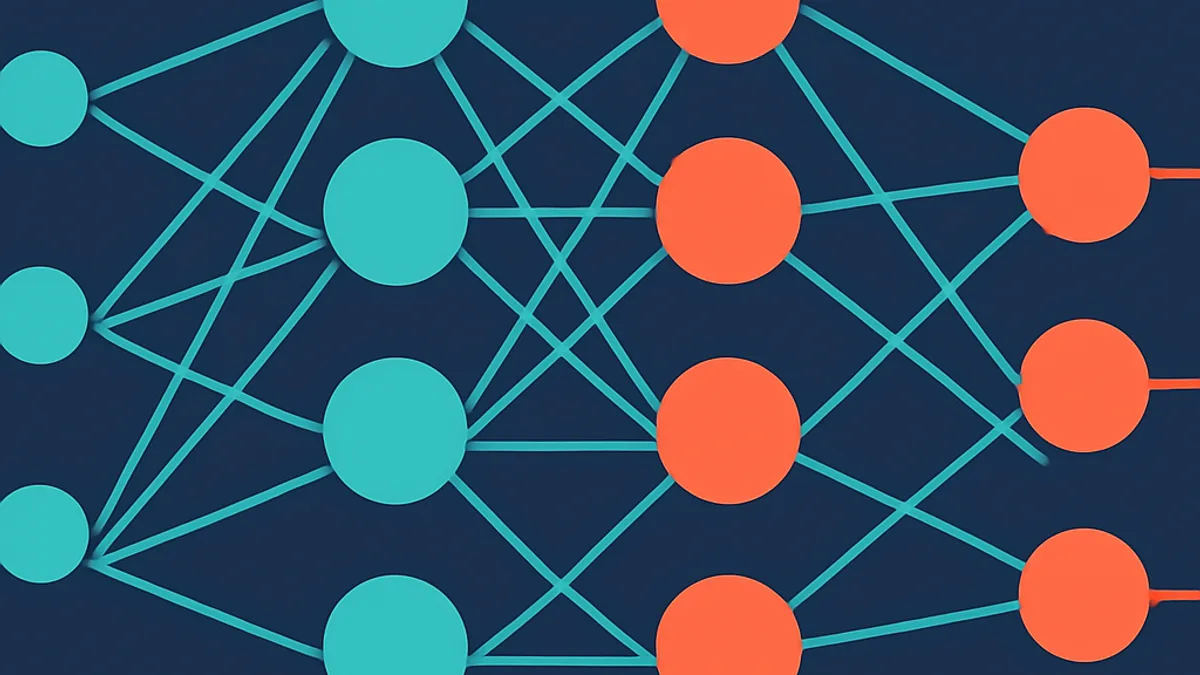
The book defines machine learning as a method where computers learn patterns from data rather than following hand-coded rules. Mitchell explains how artificial neural networks, loosely inspired by the brain, adjust millions of internal weights to recognize patterns. Crucially, she clarifies that these networks do not understand meaning the way humans do; they detect statistical correlations.
Deep learning and computer vision
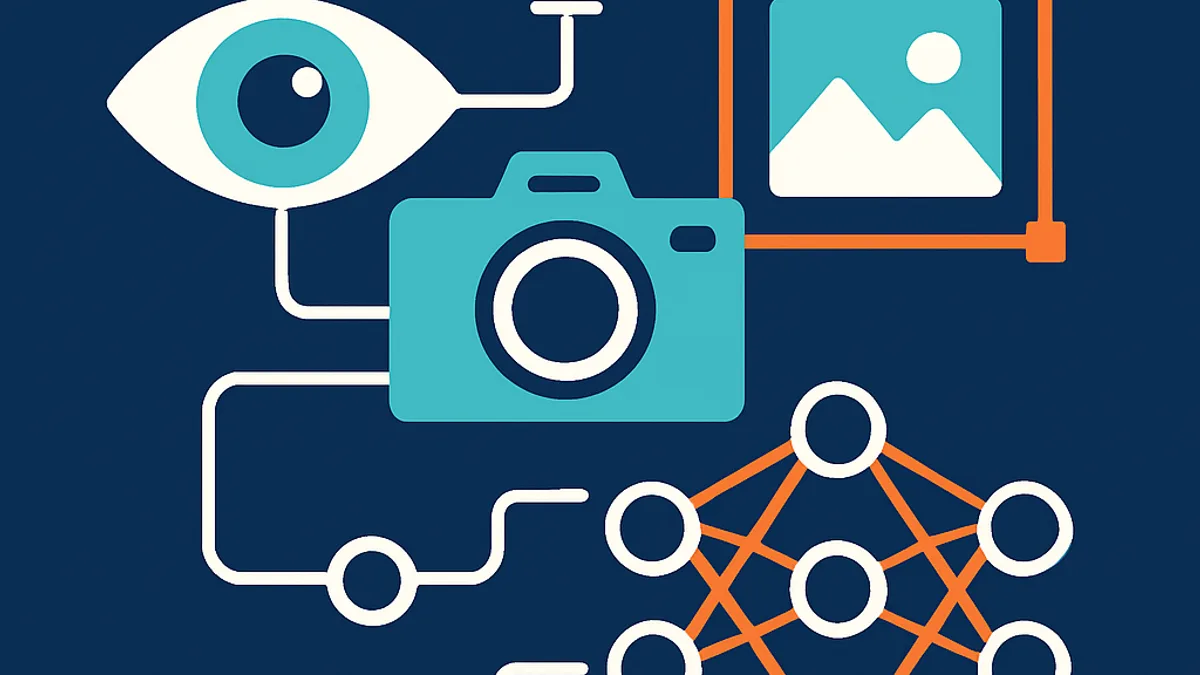
Mitchell devotes substantial attention to deep learning, the layered neural networks behind image recognition. She uses real research to show both the breakthroughs and the fragility of these systems. One striking example: image classifiers can be fooled into mislabeling a school bus as an ostrich by altering just a few pixels invisible to humans. This illustrates how AI "sees" very differently from us.
The common-sense problem
The most memorable lesson of the book is what Mitchell calls the barrier of meaning. Humans rely on common sense, intuitive physics, and social understanding that we acquire effortlessly as children. AI systems lack this background knowledge, which is why they fail at tasks a four-year-old finds trivial. This gap, she argues, is the central unsolved challenge in the field.

Natural language and understanding
Mitchell explores how machines process language and why translating words is not the same as understanding them. She demonstrates that a system can produce fluent sentences while having no grasp of what they mean, a point that feels even more relevant in today's chatbot era. Genuine comprehension, she insists, requires grounding language in real-world experience.
Human Intelligence vs Current AI: A Clear Comparison
One of the book's strengths is showing exactly where machines fall short of people. The table below summarizes the contrast Mitchell draws throughout her chapters.
| Capability | Human Intelligence | Current AI Systems |
|---|---|---|
| Common sense reasoning | Strong and intuitive | Very weak |
| Learning from few examples | Yes | Usually needs huge datasets |
| Understanding meaning | Deep and contextual | Statistical, surface-level |
| Transferring skills to new tasks | Natural | Limited and brittle |
| Handling novel situations | Flexible | Often fails unexpectedly |
| Speed on narrow tasks | Slower | Extremely fast |
This comparison helps readers calibrate their expectations. AI is superhuman at narrow, well-defined tasks but remains far from the flexible, general intelligence humans display every day.
Who Should Read This Book
This guide is ideal for several types of readers. Mitchell writes for the intelligent non-specialist, so no math or coding is required.
- Students and professionals entering tech who want an honest foundation.
- Business leaders deciding how to invest in AI without falling for hype.
- Writers, marketers, and content teams who need accurate AI literacy.
- Curious general readers who want to separate science fiction from science.
For teams building real AI products rather than just reading about them, partnering with specialists matters. Agencies such as ZoneTechify and WebPeak help businesses apply these concepts responsibly. If you want practical implementation, explore professional artificial intelligence services that translate theory into working systems.
How to Get the Most From the Book
Reading actively will dramatically improve what you retain. Based on experience guiding teams through AI literacy, here is a practical approach:
- Take notes on definitions. Mitchell's clear explanations of terms like neural networks and deep learning are reference-worthy.
- Pause at the examples. The adversarial image and language cases reveal more than the abstract theory.
- Connect ideas to today's tools. Ask how each lesson applies to the chatbots and image generators you already use.
- Discuss it. The book's questions about meaning and consciousness are best processed in conversation.
This method turns a single read into lasting AI literacy rather than passive consumption.

The Bigger Picture: Why Honest AI Literacy Matters
The AI field is growing at a remarkable pace. According to Stanford University's AI Index report, private investment in artificial intelligence has surged into the tens of billions of dollars annually, and AI capabilities now top human performance on several narrow benchmarks. Yet the same research confirms that machines still struggle with reasoning, planning, and common sense, exactly the gaps Mitchell identified years earlier.
This is why the book remains essential. As AI tools spread into hiring, healthcare, and education, citizens and decision-makers need accurate mental models. Overestimating AI leads to dangerous trust; underestimating it leads to missed opportunity. Mitchell gives readers the balanced judgment required to navigate both risks.
Key Takeaways
- Artificial Intelligence: A Guide for Thinking Humans is a 2019 book by Melanie Mitchell, a Santa Fe Institute professor, spanning roughly 336 pages.
- The book explains machine learning, neural networks, deep learning, and natural language processing in plain, non-technical language.
- Its central argument is that today's AI lacks genuine understanding and common sense, what Mitchell calls the barrier of meaning.
- Access it legally through ebooks, libraries, or audiobooks rather than unauthorized PDFs, which risk malware and harm authors.
- Stanford's AI Index confirms AI excels at narrow tasks but still trails humans in reasoning, validating the book's core thesis.
Frequently Asked Questions (FAQ)
Is there a free legal PDF of Artificial Intelligence: A Guide for Thinking Humans?
There is no official free PDF released by the publisher. You can read it free by borrowing the ebook from your local library through apps like Libby or OverDrive. This is fully legal, costs nothing, and supports the author far better than unauthorized downloads.
Who wrote Artificial Intelligence: A Guide for Thinking Humans?
The book was written by Melanie Mitchell, a professor at the Santa Fe Institute and a respected AI researcher. She studied under cognitive scientist Douglas Hofstadter. Her decades of hands-on experience make the book one of the most credible, balanced introductions to artificial intelligence available today.
Is this book good for AI beginners?
Yes, it is excellent for beginners. Mitchell writes for intelligent non-specialists, so no coding or math background is needed. She clearly defines technical terms and uses real-world examples, making complex topics like neural networks and deep learning accessible to almost any curious reader.
Is the book outdated given how fast AI moves?
The book was published in 2019, before the generative AI boom, but its core arguments remain highly relevant. Mitchell's points about AI lacking common sense and true understanding still apply to today's chatbots, which is why the book is frequently recommended and cited.
What is the main message of the book?
The main message is that artificial intelligence is powerful but far less intelligent than headlines suggest. Machines excel at narrow tasks yet lack genuine understanding, meaning, and common sense. Mitchell encourages readers to think critically about AI rather than fearing or overhyping it.
Final Thoughts
Artificial Intelligence a Guide for Thinking Humans deserves a permanent place on the shelf of anyone who wants honest, expert insight into AI. Rather than chasing a risky PDF download, invest a few dollars or a library card to read it properly. The clarity you gain about what machines can and cannot do will pay off every time you use, build, or evaluate AI for years to come.