
Discover how artificial intelligence transforms indirect procurement with smarter spend analysis, automated purchasing, supplier insights, and measurable cost savings.
Artificial Intelligence Indirect Procurement

Indirect procurement, the buying of goods and services that keep a business running but never appear in the final product, has long been the messiest corner of corporate spending. Office supplies, software licenses, marketing services, travel, and facilities maintenance often slip through cracks because they are scattered across hundreds of small transactions. Artificial intelligence is now reshaping how organizations control this spend, turning a chaotic, manual process into a measurable, strategic advantage. After years advising procurement teams, I have seen AI shift indirect buying from reactive firefighting to proactive control.
Quick Answer: Artificial intelligence in indirect procurement uses machine learning to automate purchasing, classify spend, evaluate suppliers, and predict needs. It reduces maverick spending, accelerates approvals, and uncovers savings hidden across fragmented, low-value transactions that traditional manual processes routinely overlook.
What Is Indirect Procurement?
Indirect procurement refers to the purchase of goods and services a company consumes internally rather than reselling or building into its products. Think IT software, consulting, office equipment, utilities, and contractor services. Unlike direct procurement, which is tightly tracked because it ties to revenue, indirect spend is fragmented across departments and rarely centralized.
This fragmentation is exactly why it bleeds money. Deloitte's Global Chief Procurement Officer surveys have consistently shown that indirect categories can account for 15% to 30% of total organizational spend, yet they receive a fraction of the strategic attention given to direct categories. That neglect is the opportunity AI is built to capture.
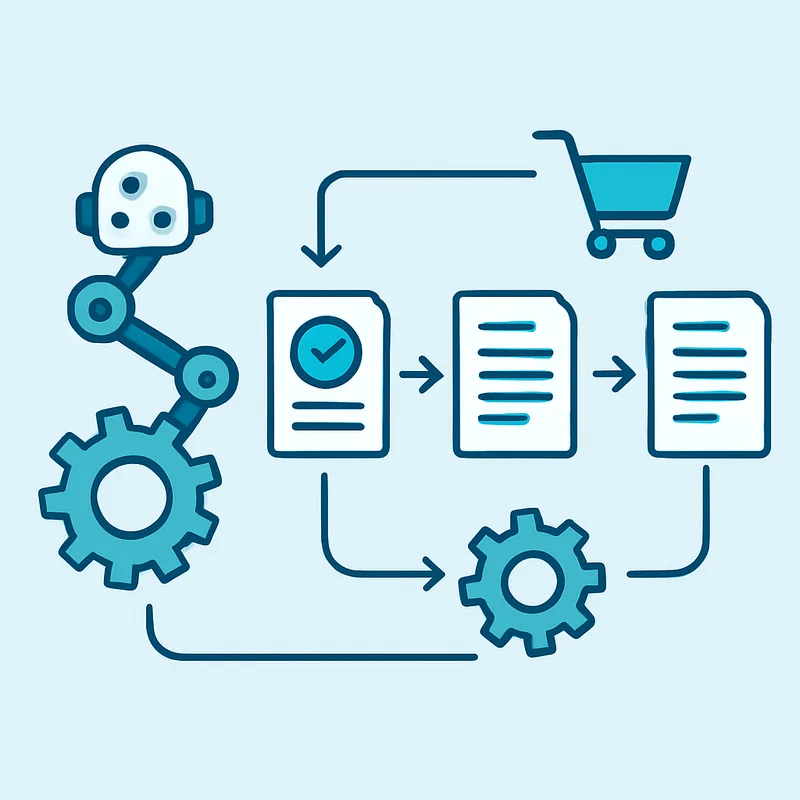
Why Indirect Procurement Needs Artificial Intelligence
The core problem with indirect procurement is volume and inconsistency. A single enterprise may process tens of thousands of low-value purchases through dozens of suppliers, with little standardization. Humans simply cannot review every transaction for compliance, pricing accuracy, or savings potential.
Artificial intelligence solves three persistent pain points:
- Spend visibility: AI classifies and tags transactions automatically, even when descriptions are inconsistent or incomplete.
- Maverick spending: Machine learning flags off-contract purchases in real time, before they become budget leaks.
- Manual workload: Automation handles repetitive approvals, invoice matching, and data entry that drain procurement teams.
In practice, I have watched teams that once spent days reconciling expense categories reduce that work to minutes once an AI model learned their spending patterns. The technology does not replace buyers, it frees them to negotiate and strategize.
How AI Transforms the Indirect Procurement Process
Intelligent Spend Classification
The foundation of smart procurement is clean data. AI-driven spend classification reads messy invoice text, supplier names, and general ledger codes, then assigns each line item to the correct category with high accuracy. Instead of analysts guessing whether a charge belongs to "IT" or "facilities," the model learns from historical decisions and improves over time.
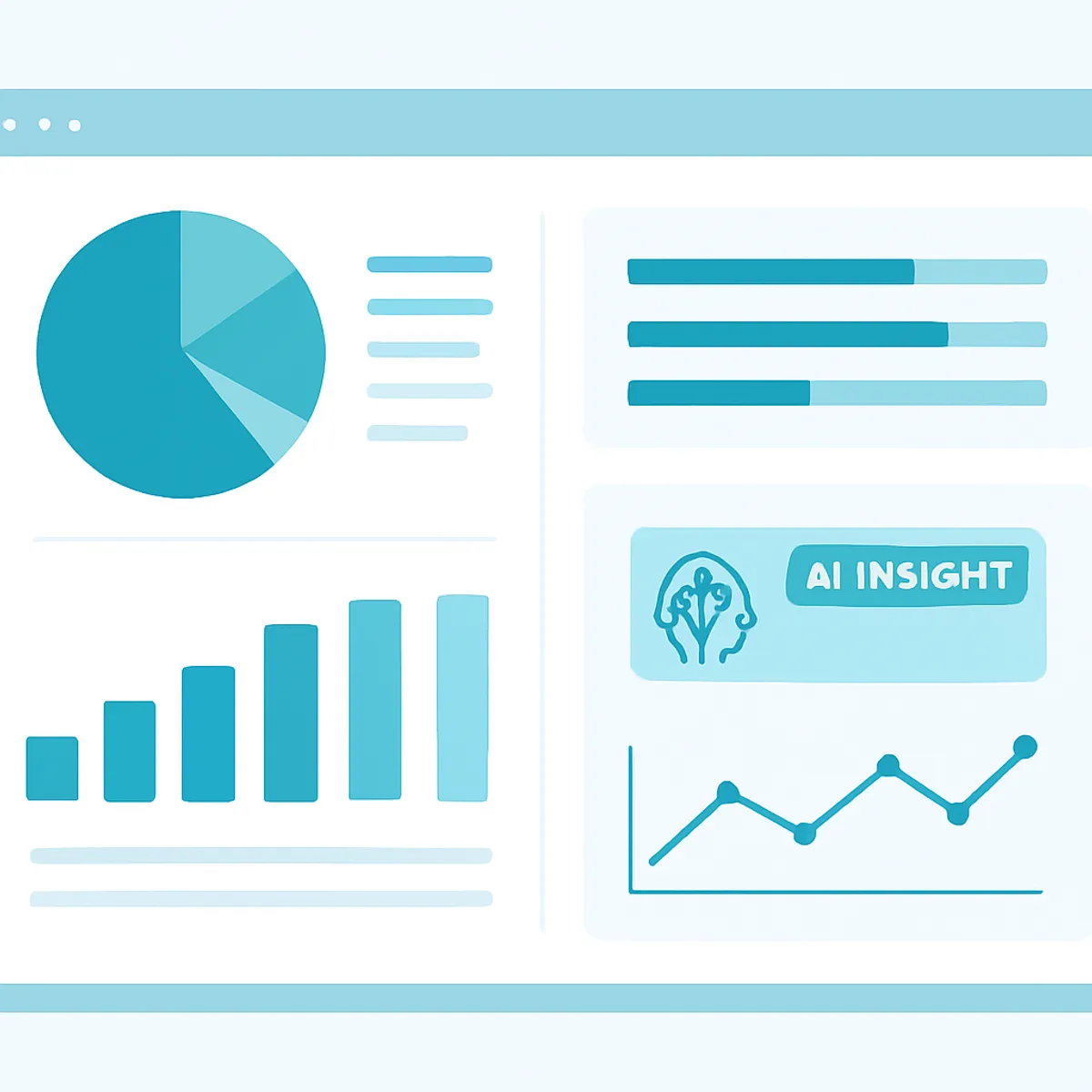
This matters because you cannot manage what you cannot see. Once spend is accurately categorized, leaders finally understand where money actually goes, often discovering duplicate software subscriptions or fragmented buying across regions.
Automated Purchasing and Approvals
AI streamlines the purchase-to-pay cycle by routing requests intelligently. Low-risk, on-contract orders can be auto-approved, while exceptions are escalated to humans. This is where a strong artificial intelligence solution pays for itself, compressing approval cycles from days to hours.
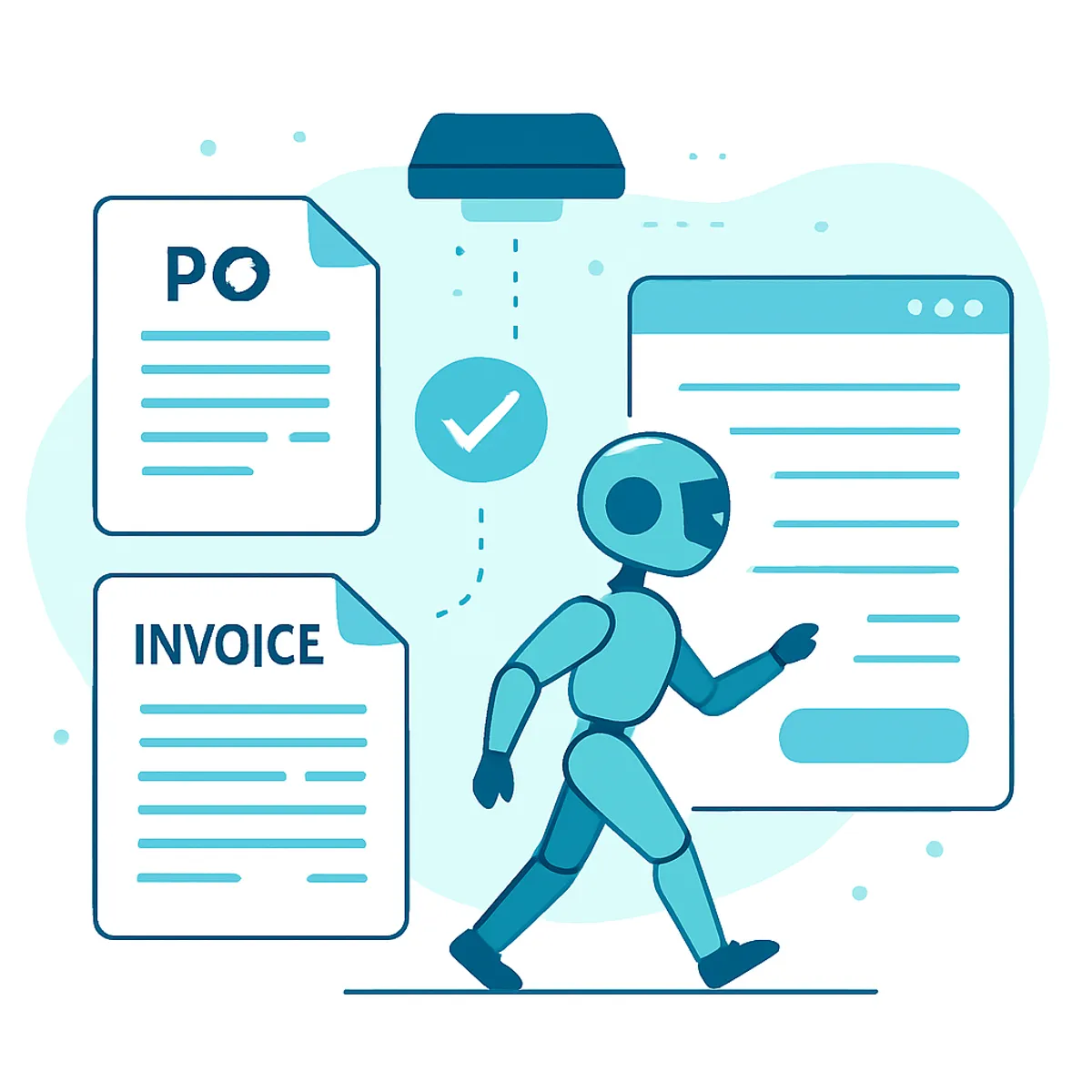
Natural language processing also enables conversational buying. An employee can request "a new laptop within policy," and the system recommends compliant options, generates the purchase order, and tracks delivery, all without manual intervention.
Supplier Selection and Risk Management
AI continuously evaluates suppliers using performance history, delivery reliability, pricing trends, and external risk signals such as financial health or geopolitical exposure. Instead of static annual reviews, procurement teams get living supplier scorecards.
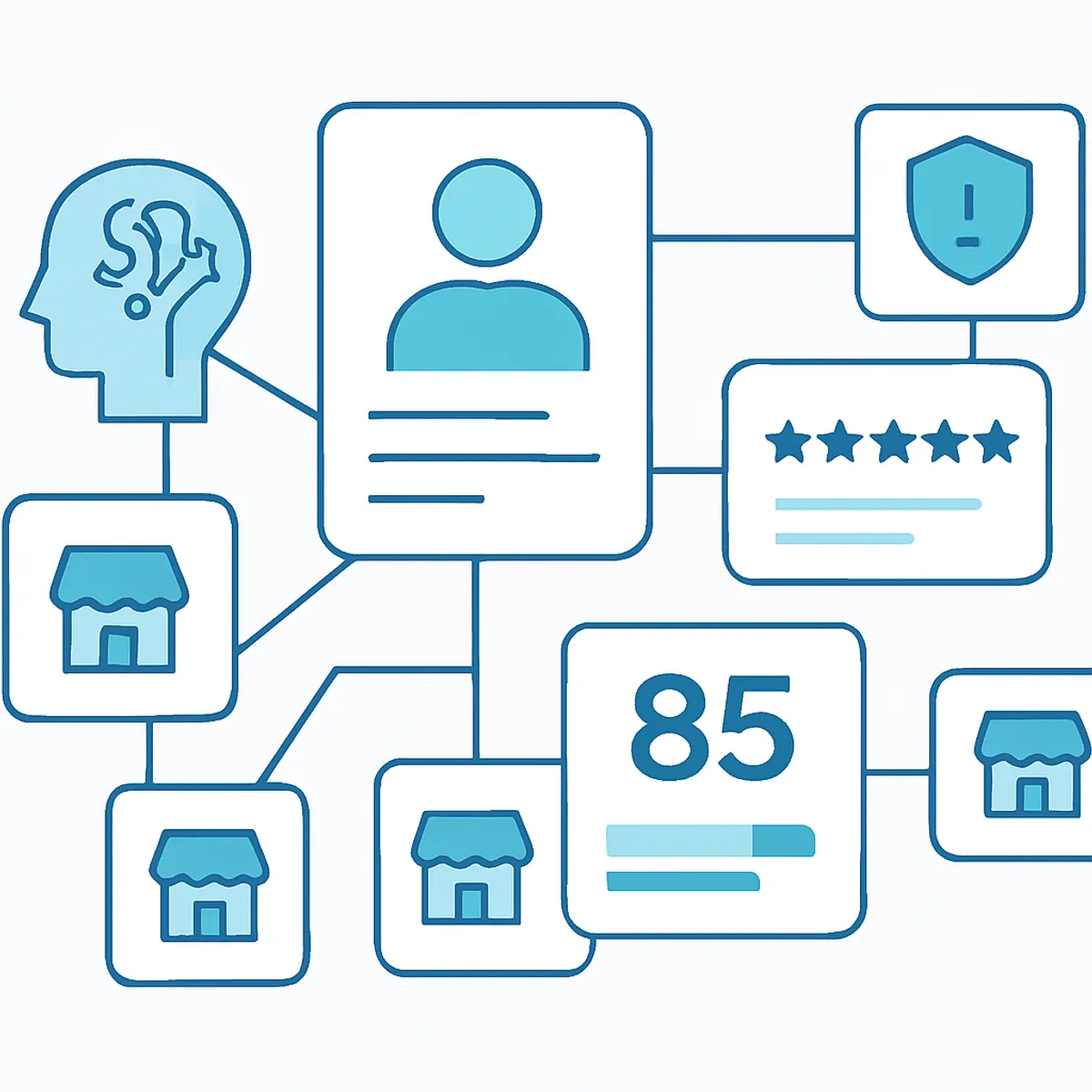
This predictive view helps avoid disruptions. If a vendor shows early warning signs, the system suggests alternatives before a shortage hits, protecting operations and reputation.
AI vs Traditional Indirect Procurement
The difference between legacy methods and AI-driven procurement becomes obvious when compared side by side.
| Capability | Traditional Procurement | AI-Powered Procurement |
|---|---|---|
| Spend classification | Manual, inconsistent | Automated, continuously learning |
| Approval speed | Days to weeks | Minutes to hours |
| Maverick spend detection | Reactive, after the fact | Real-time alerts |
| Supplier evaluation | Annual, static | Continuous, predictive |
| Savings identification | Limited, sampled | Comprehensive, full data set |
| Scalability | Headcount-dependent | Scales without added staff |
The table reflects a consistent reality: AI does not just speed up existing tasks, it changes what is possible to manage at scale.
Measurable Benefits of AI in Indirect Procurement
The value of artificial intelligence in indirect procurement is not theoretical. According to McKinsey research on procurement analytics, organizations applying advanced analytics and automation to spend management can unlock 3% to 8% in additional savings on addressable spend, with indirect categories among the largest beneficiaries.
The most common, measurable wins include:
- Cost savings: Eliminating duplicate purchases, consolidating suppliers, and enforcing contract pricing.
- Faster cycles: Automated approvals and invoice matching that shorten procure-to-pay timelines.
- Compliance: Higher contract adherence as off-policy buying is caught instantly.
- Better forecasting: Predictive models that anticipate demand and prevent rush orders.
- Team productivity: Buyers spending time on strategy instead of data entry.
These outcomes compound. A team that reclaims hours each week reinvests them into negotiations that generate even deeper savings.
How to Implement AI in Indirect Procurement
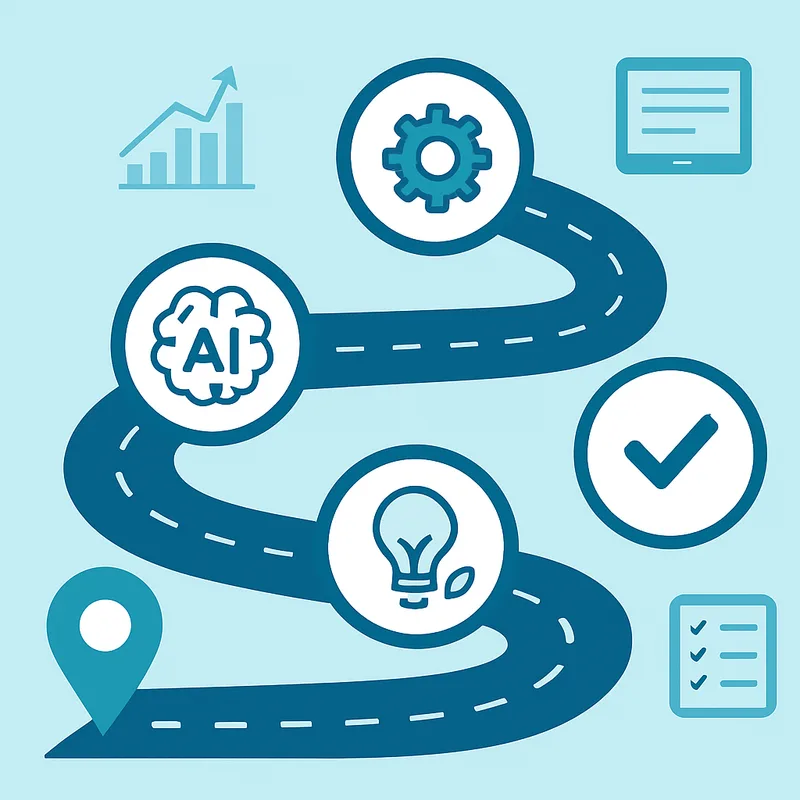
Successful adoption follows a deliberate sequence rather than a rushed technology rollout. Based on real implementations, this roadmap works:
- Audit your spend data. Consolidate transaction history from every system. AI is only as good as the data feeding it.
- Define clear goals. Decide whether your priority is savings, speed, compliance, or visibility, then measure against it.
- Start with one category. Pilot AI on a single high-volume area like software or office supplies before scaling.
- Integrate with existing systems. Connect AI tools to your ERP and procurement platforms for seamless data flow.
- Train and trust gradually. Let the model learn from human decisions, then expand automation as accuracy proves out.
- Measure and iterate. Track savings, cycle times, and compliance monthly, refining rules continuously.
Organizations needing help connecting these systems often partner with specialists in AI and automation services to accelerate integration and avoid common pitfalls. The right partner shortens the learning curve dramatically.
Common Mistakes to Avoid
Even strong AI initiatives fail when teams skip fundamentals. The biggest mistake is deploying AI on dirty, fragmented data and expecting clean insights. Another frequent error is automating too aggressively, removing human judgment from high-risk or strategic purchases where context still matters.
Finally, many organizations treat AI as a one-time project rather than an evolving capability. Models drift as spending patterns change, so ongoing tuning is essential. Treating AI as a living system, not a finished tool, separates lasting success from short-lived novelty.
The Future of AI in Indirect Procurement
The next wave is autonomous procurement, where AI agents negotiate routine contracts, reorder inventory, and resolve invoice discrepancies with minimal human input. Generative AI is already drafting supplier communications, summarizing contracts, and answering buyer questions instantly.
We are moving toward procurement systems that not only react but recommend, telling leaders where to consolidate, when to renegotiate, and which suppliers to develop. For businesses building this foundation today, resources from ZoneTechify and WebPeak offer practical guidance on aligning AI strategy with real operational goals. The organizations investing now will set the procurement standard for the decade ahead.
Key Takeaways
- Indirect procurement can represent 15% to 30% of total organizational spend yet is often poorly managed.
- AI automates spend classification, approvals, supplier evaluation, and risk monitoring at a scale humans cannot match.
- McKinsey research indicates advanced analytics can unlock 3% to 8% additional savings on addressable spend.
- Real-time detection of maverick spending improves contract compliance and reduces budget leakage.
- Successful implementation depends on clean data, phased rollout, and continuous model tuning.
- The future points toward autonomous, generative AI agents handling routine procurement decisions.
Frequently Asked Questions (FAQ)
What is artificial intelligence in indirect procurement?
It is the use of machine learning and automation to manage non-product purchases like software, services, and supplies. AI classifies spend, automates approvals, evaluates suppliers, and detects off-contract buying, giving procurement teams visibility and control that manual processes cannot deliver across thousands of small transactions.
How does AI reduce procurement costs?
AI reduces costs by eliminating duplicate purchases, consolidating suppliers, enforcing negotiated contract pricing, and flagging maverick spending instantly. It analyzes the full transaction data set rather than samples, revealing hidden savings. These combined efficiencies commonly unlock several percentage points of savings on addressable indirect spend.
Is AI procurement only for large enterprises?
No. While large enterprises see big absolute savings, small and mid-sized businesses benefit too. Affordable, cloud-based AI tools now integrate with common accounting and ERP systems, letting smaller teams automate approvals and gain spend visibility without hiring large procurement departments or building custom software.
Will AI replace procurement professionals?
No, AI augments rather than replaces them. It handles repetitive data entry, classification, and routine approvals, freeing buyers to focus on negotiation, supplier relationships, and strategy. The most effective teams pair human judgment on complex decisions with AI speed on high-volume, low-risk transactions for stronger results.
How long does it take to implement AI in procurement?
A focused pilot on one spend category can show results within weeks, while full deployment across an organization may take several months. Timelines depend on data quality, system integration complexity, and team readiness. Starting small and scaling gradually consistently produces faster, more reliable outcomes than a full rollout.
What data does AI need for indirect procurement?
AI needs historical transaction records, invoices, supplier details, contract terms, and general ledger codes. The cleaner and more consolidated this data, the better the results. Many organizations begin with a data audit to unify fragmented records before training models, since accurate insights depend entirely on quality inputs.