
Discover the primary goal of branding in graphic design: building instant recognition, trust, and emotional connection through consistent visual identity.
What Is the Primary Goal of Branding in Graphic Design

Ask ten designers what branding is for and you will hear ten variations of the same word: recognition. After more than a decade of building visual identities for startups, ecommerce stores, and B2B firms at ZoneTechify, our team has watched one pattern repeat: brands that invest in a clear, consistent visual system win attention faster, convert more visitors, and spend less on advertising over time. This article explains exactly what branding is supposed to achieve in graphic design, how each visual element contributes to that goal, and how to measure whether your brand is actually doing its job.
Quick Answer: The primary goal of branding in graphic design is to create instant, consistent recognition that builds trust and emotional connection with your audience. Every visual element, including logo, color, typography, and imagery, works together to make your business identifiable in seconds, memorable over time, and clearly distinct from every competitor in your market.
Defining Branding in Graphic Design
Branding in graphic design is the deliberate creation of a visual system, comprising a logo, color palette, typography, imagery style, and layout rules, that communicates who a business is and what it stands for without a single word being read. It is not decoration. It is strategic communication compressed into visual form.
A useful distinction: a logo is a mark, an identity is the full visual system, and a brand is the perception people hold in their minds. Graphic design controls the first two directly and shapes the third over time. When designers talk about the primary goal of branding, they mean using the identity system to shape that perception intentionally rather than leaving it to chance.

The Primary Goal: Recognition That Builds Trust
The core answer is straightforward: branding exists to make your business instantly recognizable and consistently trustworthy. Everything else, including differentiation, emotional connection, and perceived value, flows from recognition being achieved first.
Here is why recognition sits at the top. Research from MIT neuroscientists found that the human brain can process an image in as little as 13 milliseconds. Your audience forms a visual impression of your brand before conscious thought begins. If your visuals are inconsistent, that split-second impression changes every time someone encounters you, and no stable perception can form. If your visuals are consistent, each exposure reinforces the last, and familiarity compounds.
Familiarity then converts into trust. According to a widely cited Lucidpress (now Marq) brand consistency study, consistent brand presentation across all platforms can increase revenue by up to 33%. That figure is not magic; it reflects the simple reality that people buy from businesses they recognize and trust, and they distrust businesses that look different every time they appear.
The Three-Layer Goal Structure
In practice, the primary goal breaks into three layers that build on each other:
- Recognition: Your audience identifies you in under a second, whether on a shelf, a search result, or a social feed.
- Trust: Consistent, professional visuals signal reliability and competence before any interaction happens.
- Preference: Over repeated exposures, recognition plus trust becomes emotional preference, which is what actually drives purchase decisions.
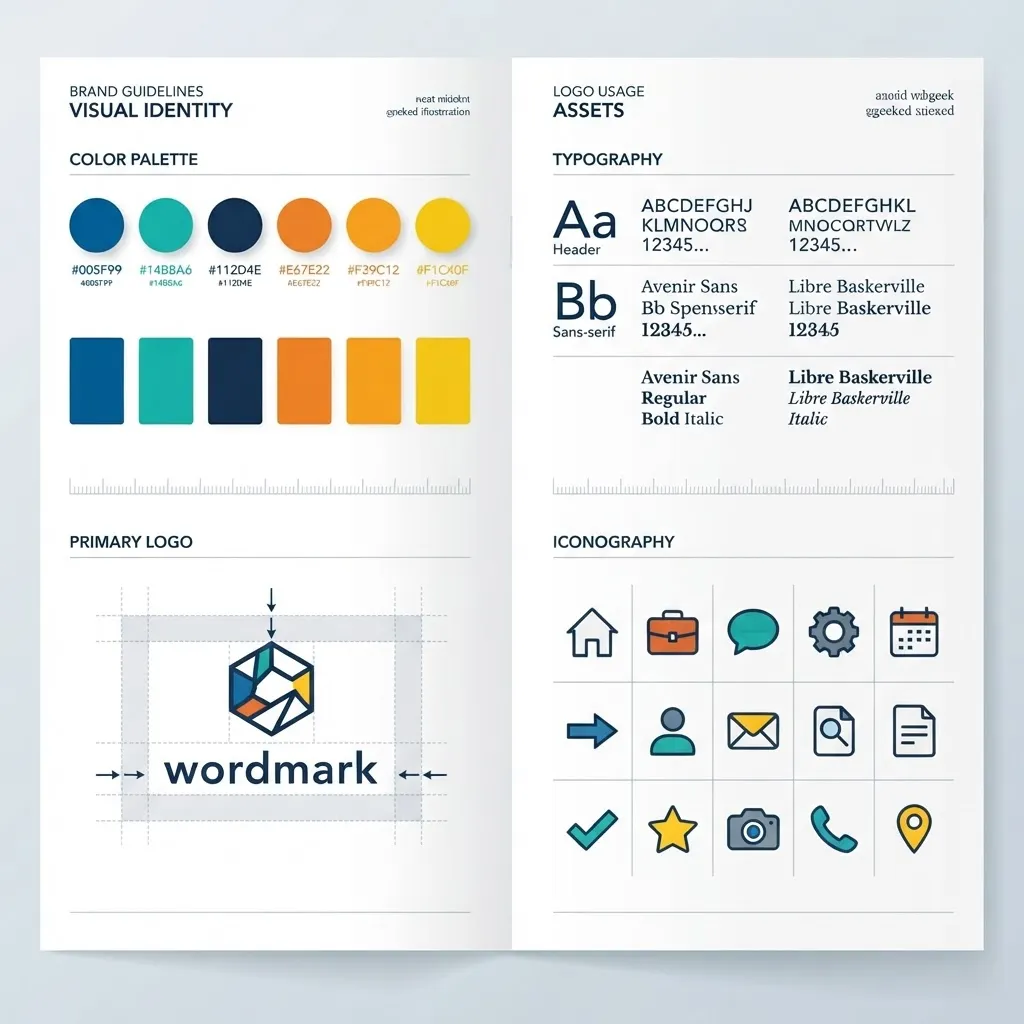
Skip layer one and the other two never form. That is why experienced designers obsess over consistency rules that clients sometimes find tedious, such as exact hex codes, minimum logo clear space, and approved font weights. Those rules are the mechanics of recognition.

How Each Design Element Serves the Goal
Every component of a visual identity has a specific job in achieving recognition and trust. Understanding these jobs helps you brief designers better and evaluate work objectively.
Logo: The Compression Point
A logo compresses your entire brand into one mark. Its job is not to explain what you do; its job is to be remembered and retrieved. The most effective logos, such as those for Apple, Nike, and Target, are simple enough to redraw from memory. In client work at ZoneTechify, we test logo candidates by showing them for two seconds, hiding them, and asking people to sketch what they saw. Marks that survive that test survive in the market.
Color: The Fastest Signal
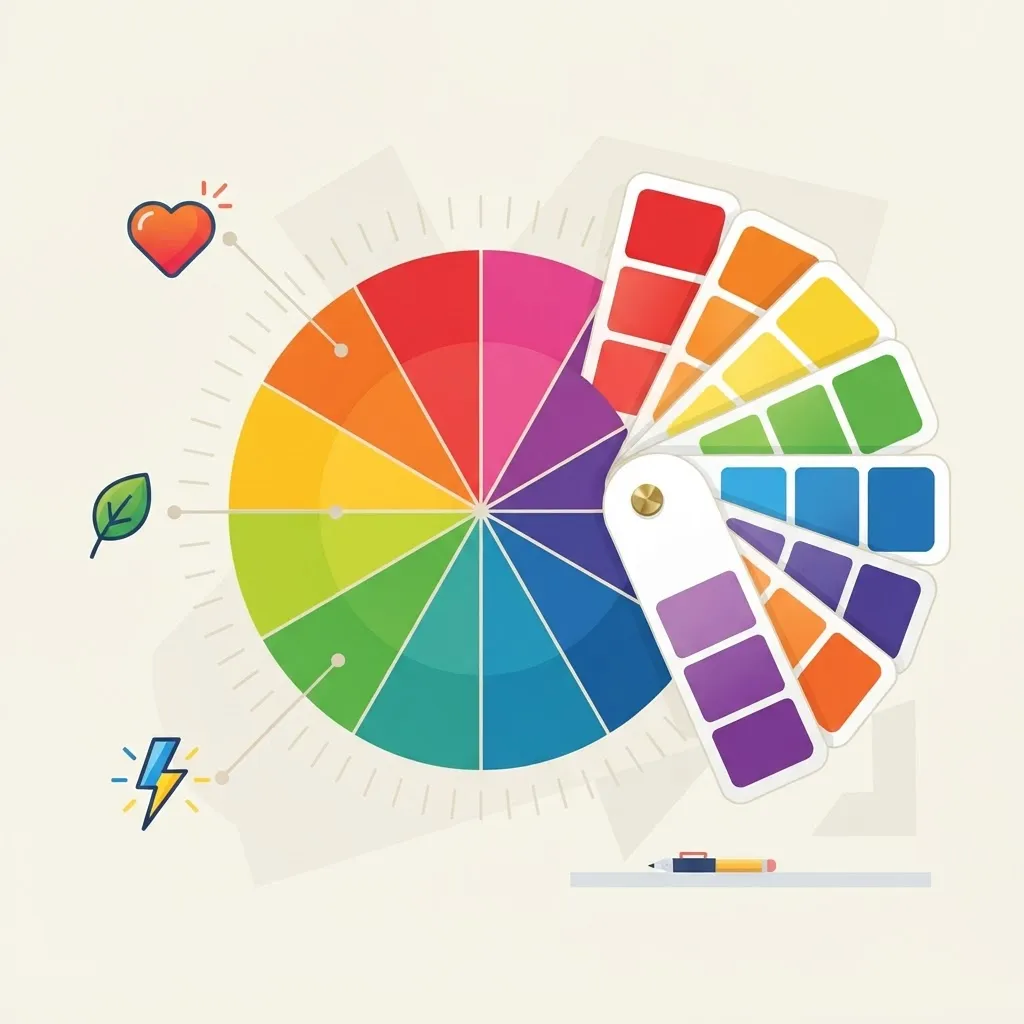
Color is processed faster than shape or text, which makes it the strongest recognition trigger you own. A frequently cited University of Loyola study found that color increases brand recognition by up to 80%. Think of how you identify a Coca-Cola red or a Tiffany blue from across a room. Choosing a distinctive, ownable palette, and then using it with total discipline, is one of the highest-leverage branding decisions a business can make.
Typography: The Voice You See
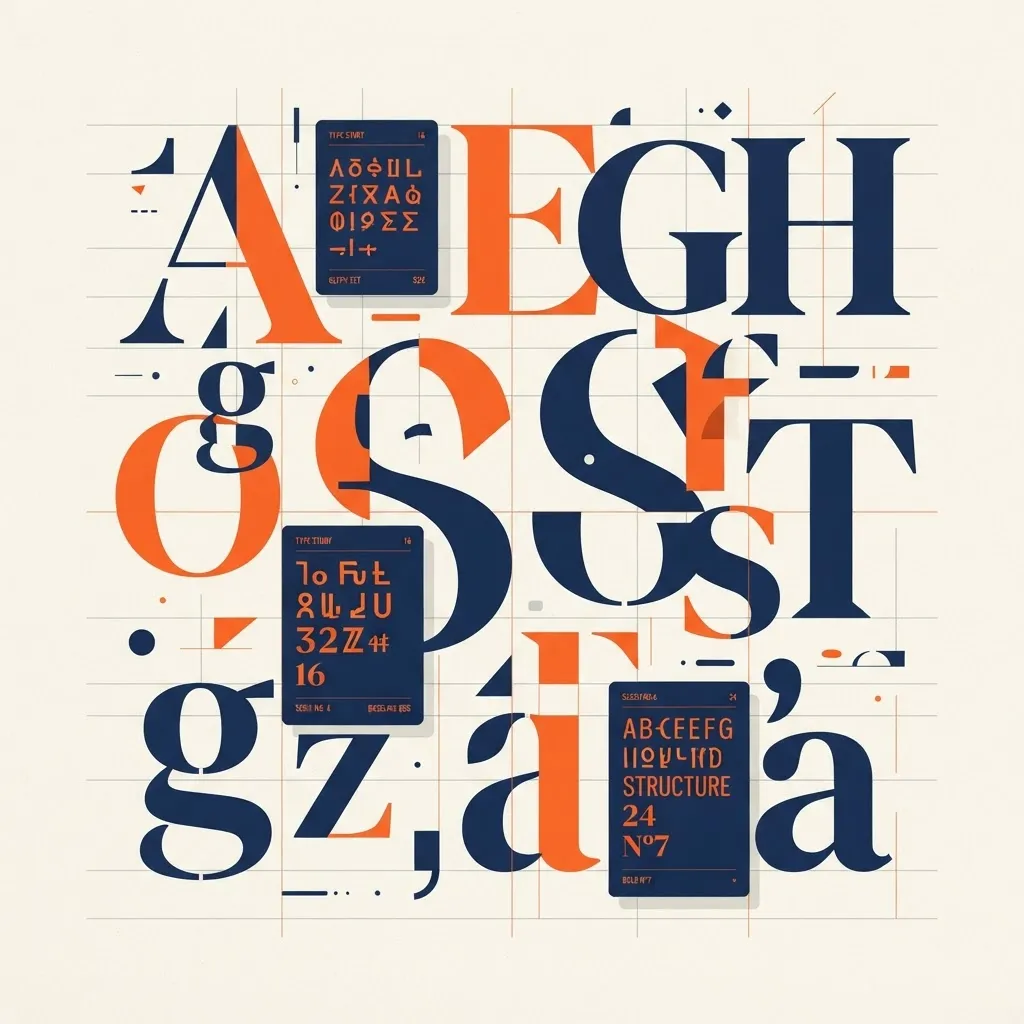
Typography communicates personality before content is read. A geometric sans-serif reads as modern and technical; a high-contrast serif reads as established and editorial. The branding goal here is coherence: your typefaces should say the same thing your logo, colors, and copy say. Mismatched typography is one of the most common reasons a brand feels vaguely untrustworthy even when nothing is obviously wrong.
Imagery and Layout: The Consistency Multipliers
Photography style, illustration style, iconography, and grid systems determine whether your brand looks unified across a website, packaging, social posts, and pitch decks. These elements rarely get noticed individually, which is exactly the point. When they are consistent, the whole system feels intentional, and intentionality reads as professionalism.
Branding vs. Marketing vs. Graphic Design: Clearing the Confusion
These three terms get tangled constantly, and the confusion leads businesses to fund the wrong work. The table below separates them clearly.
| Aspect | Branding | Marketing | Graphic Design |
|---|---|---|---|
| Primary goal | Recognition and trust | Demand and conversion | Visual communication |
| Time horizon | Long-term, cumulative | Campaign-based, short-term | Project-based |
| Core question | Who are we visually? | How do we sell this? | How do we show this? |
| Key output | Identity system and guidelines | Campaigns, ads, funnels | Logos, layouts, assets |
| Success metric | Recall, consistency, sentiment | Leads, sales, ROI | Clarity, craft, fit to brief |
The practical takeaway: graphic design is the craft, branding is the strategy that directs the craft, and marketing is the engine that puts the results in front of people. A brilliant ad campaign built on an inconsistent identity wastes money, because each impression fails to compound into recognition.

Secondary Goals That Support the Primary One
Recognition and trust are the primary goal, but strong branding delivers measurable secondary outcomes worth naming.
Differentiation From Competitors
In crowded markets, visual distinctiveness is often the only difference a buyer perceives in the first five seconds. Effective branding stakes out visual territory, a color, a shape language, a tone, that competitors cannot occupy without looking like imitators. Before starting any identity project, audit the visual landscape of your top five competitors and deliberately design away from their patterns.
Emotional Connection
People do not form relationships with feature lists; they form them with identities. Consistent visual branding gives customers something stable to attach feelings to. This is why rebrands are risky: changing the visuals can sever emotional connections built over years, as Gap discovered in 2010 when customer backlash forced it to abandon a new logo within six days.

Perceived Value and Pricing Power
Polished, coherent branding raises what customers expect to pay. Two identical products, one in professional packaging and one in generic packaging, will not sell at the same price. Design quality functions as a proxy for product quality in the buyer's mind, which means branding directly supports margin, not just awareness.
Internal Alignment
An underrated outcome: clear brand guidelines align teams. When every employee, freelancer, and agency partner works from the same visual rules, output stays coherent as the company scales. Without guidelines, every new hire slowly dilutes the identity.
How to Tell If Your Branding Is Achieving Its Goal
Branding feels subjective, but its primary goal is testable. Use these five checks, drawn from audits we run for clients:
- The blur test: Blur your homepage or packaging. Can people still identify your brand from color and shape alone? If not, your recognition signals are weak.
- The consistency audit: Collect every customer touchpoint, including website, invoices, social profiles, and email signatures. Count the variations in logo usage, colors, and fonts. More than two or three variations means your recognition is leaking.
- The two-second recall test: Show your logo to someone unfamiliar for two seconds, then ask them to describe or sketch it an hour later. Memorable marks survive; complicated ones do not.
- The competitor lineup: Place your visuals in a grid alongside five competitors. If a stranger cannot tell you apart quickly, differentiation is failing.
- Direct traffic and branded search trends: Rising branded search volume and direct traffic are hard evidence that recognition is compounding into recall.
If your brand fails two or more of these checks, the fix is usually systematic rather than cosmetic: codified guidelines, a disciplined rollout, and ruthless consistency. This is precisely the kind of work a professional graphic design service exists to handle, from identity audits to complete visual systems with enforceable guidelines. For teams that also need their identity implemented consistently across web platforms, partners like WebPeak bridge the gap between brand guidelines and digital execution.
Common Mistakes That Undermine the Goal
Three failure patterns appear in the majority of struggling brands we audit:
- Designing for the founder's taste instead of the audience's memory. A logo the CEO loves but no customer can recall has failed at its only job.
- Redesigning too often. Recognition compounds with time. Frequent visual pivots reset the clock and forfeit accumulated equity.
- Treating guidelines as optional. A beautiful identity applied inconsistently performs worse than a plain identity applied perfectly, because inconsistency actively erodes trust.
Avoiding these three mistakes matters more than any single creative decision. Discipline beats brilliance in branding, because the goal is cumulative recognition, not one-time applause.
Key Takeaways
- The primary goal of branding in graphic design is instant recognition that compounds into trust and preference.
- The brain processes images in as little as 13 milliseconds, so visual identity works before conscious thought begins.
- Consistent brand presentation can increase revenue by up to 33%, according to Marq's brand consistency research.
- Color can improve brand recognition by up to 80%, making a disciplined palette the highest-leverage identity element.
- A logo is a mark, an identity is a system, and a brand is a perception; design controls the first two to shape the third.
- Branding is measurable: blur tests, consistency audits, recall tests, competitor lineups, and branded search trends reveal whether it is working.
- Consistency over time beats creativity in isolation, because recognition is cumulative and resets with every redesign.
Frequently Asked Questions (FAQ)
What is the main purpose of branding in graphic design?
The main purpose is to create instant recognition that builds trust. A cohesive visual system of logo, colors, typography, and imagery makes a business identifiable in seconds and reinforces the same impression at every touchpoint, so familiarity accumulates into trust and, eventually, customer preference and loyalty.
Is a logo the same thing as a brand?
No. A logo is a single mark, the visual identity is the complete system of colors, fonts, and imagery rules, and the brand is the perception customers hold in their minds. Graphic design creates the logo and identity, which then shape the brand perception over repeated exposures.
Why is consistency so important in branding?
Recognition only compounds when every exposure reinforces the same visual impression. Research by Marq found consistent presentation can lift revenue by up to 33%. Inconsistent visuals reset familiarity each time customers see you, which prevents trust from forming and makes advertising spend far less efficient.
How does color affect brand recognition?
Color is processed faster than shapes or words, making it your strongest recognition trigger. Studies have found color can increase brand recognition by up to 80%. Choosing a distinctive, ownable palette and applying it with strict discipline lets customers identify you from a distance before reading anything.
How can I measure whether my branding is working?
Run a blur test on your website, audit all touchpoints for visual inconsistencies, test two-second logo recall with strangers, compare your visuals against five competitors in a lineup, and track branded search volume. Passing these checks means recognition is genuinely compounding rather than leaking.
Should a small business invest in professional branding early?
Yes, because recognition is cumulative and starting early means equity builds sooner. Early-stage branding does not require a large budget; it requires a simple, distinctive identity applied with total consistency. Fixing an inconsistent identity later costs more than establishing a disciplined one from day one.