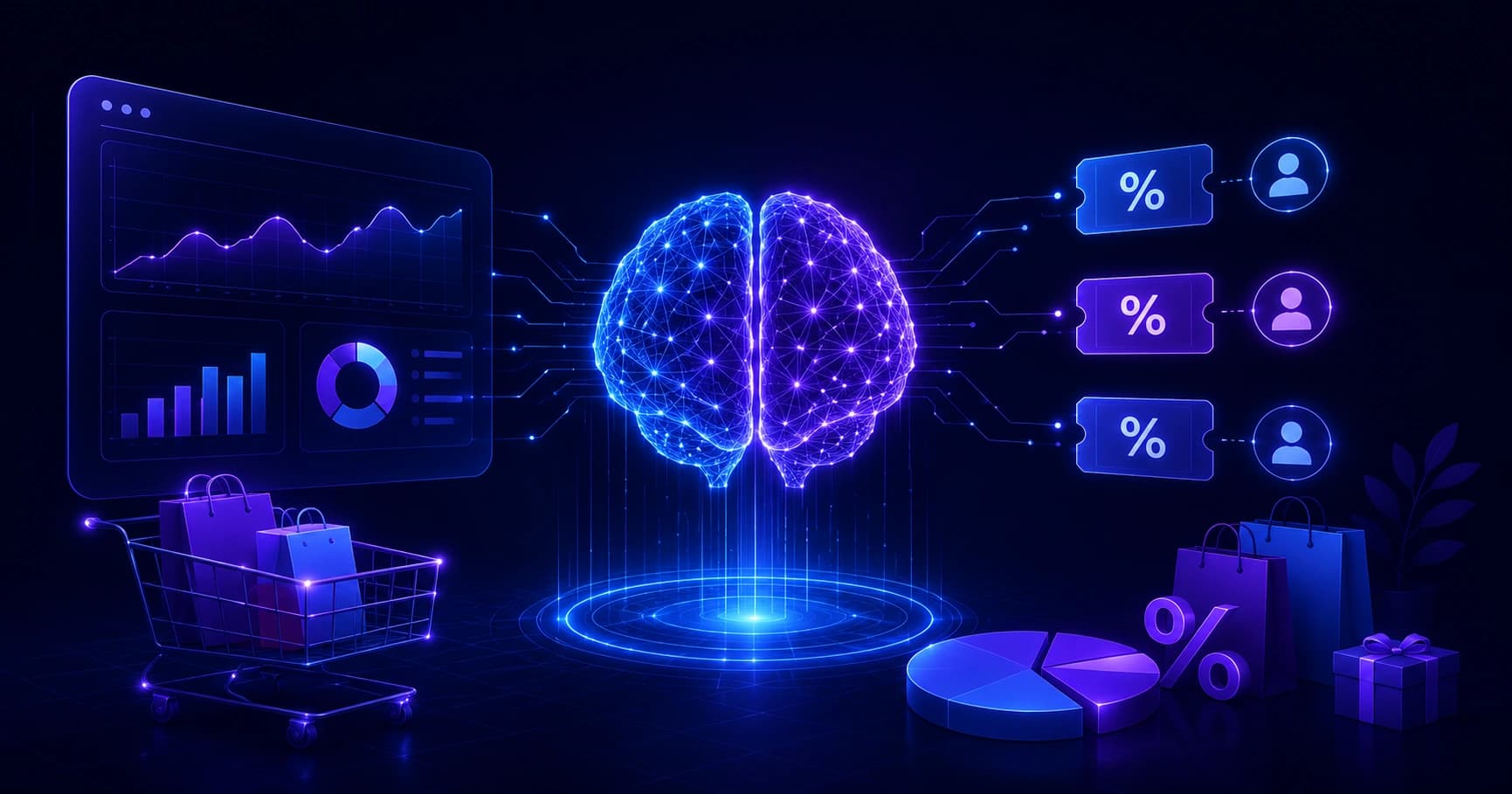
Discover how AI dynamic discount management software automates pricing, protects margins, and boosts conversions with real-time, data-driven discount decisions.
Artificial Intelligence Dynamic Discount Management Software
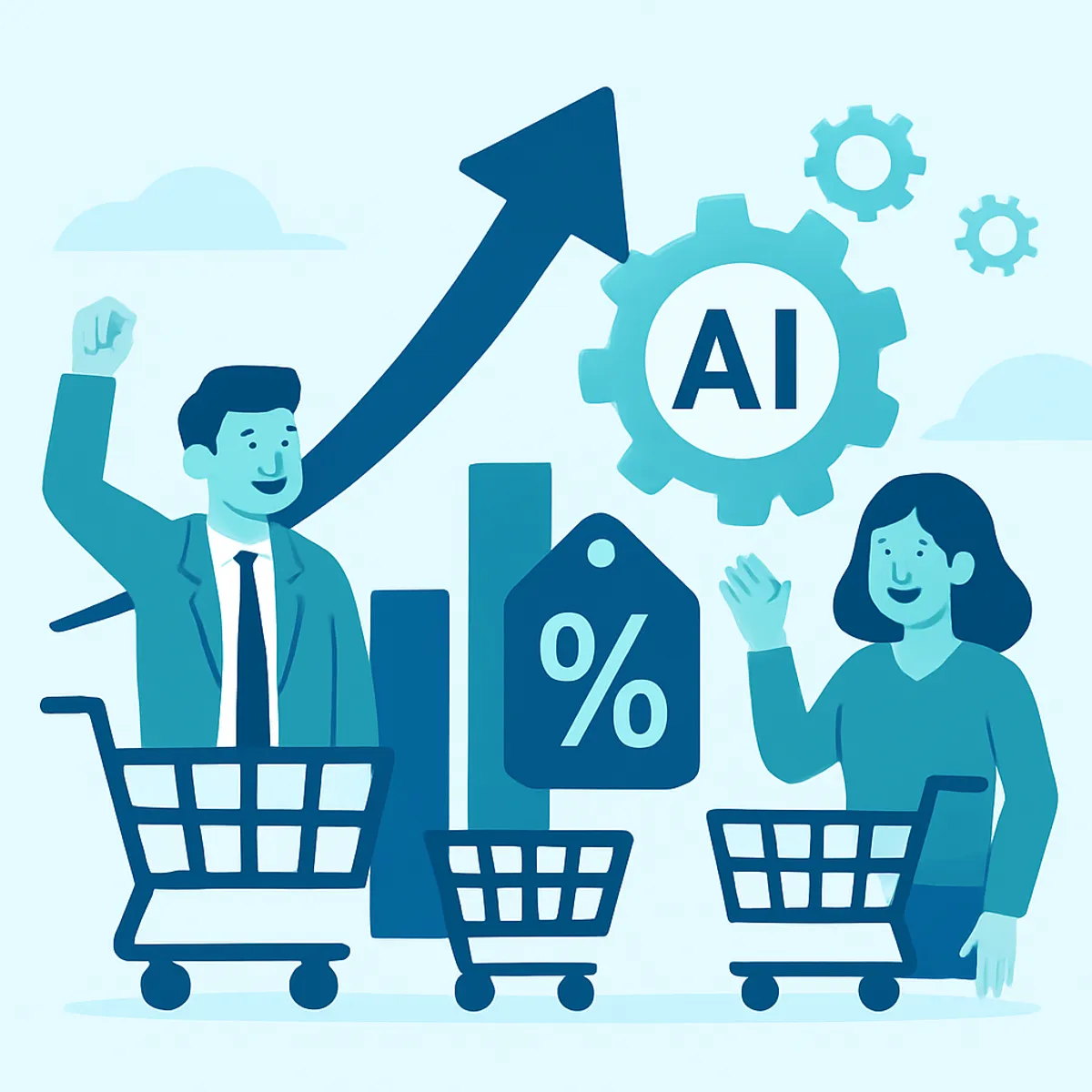
Discounting is one of the most misunderstood levers in modern commerce. Cut prices too aggressively and you erode margins; offer too little and you lose the sale. For decades, teams managed this balance with spreadsheets, gut feeling, and blanket sales events. Artificial intelligence dynamic discount management software replaces that guesswork with continuous, data-driven decisions that adapt to demand, inventory, competitor moves, and individual customer behavior in real time.
After helping retailers and SaaS companies deploy automated pricing systems, I have seen the same pattern repeatedly: the biggest gains rarely come from deeper discounts. They come from smarter ones. This guide explains exactly how this software works, where it delivers measurable value, and how to implement it without damaging brand trust.
Quick Answer: Artificial intelligence dynamic discount management software uses machine learning to set and adjust discounts automatically based on demand, inventory, customer segments, and competitor pricing. It maximizes revenue and protects margins by replacing static, manual discounting with real-time, data-driven price decisions tailored to each situation.
What Is AI Dynamic Discount Management Software?
AI dynamic discount management software is a platform that uses machine learning algorithms to determine the optimal discount for a product, customer, or transaction at a specific moment. Instead of applying fixed percentages across an entire catalog, it calculates the smallest discount needed to convert a sale while preserving profitability.
Key definition: Dynamic discounting is the practice of varying discount amounts automatically in response to changing conditions, rather than using static, predetermined offers. When powered by AI, the system learns from outcomes and improves its recommendations over time.
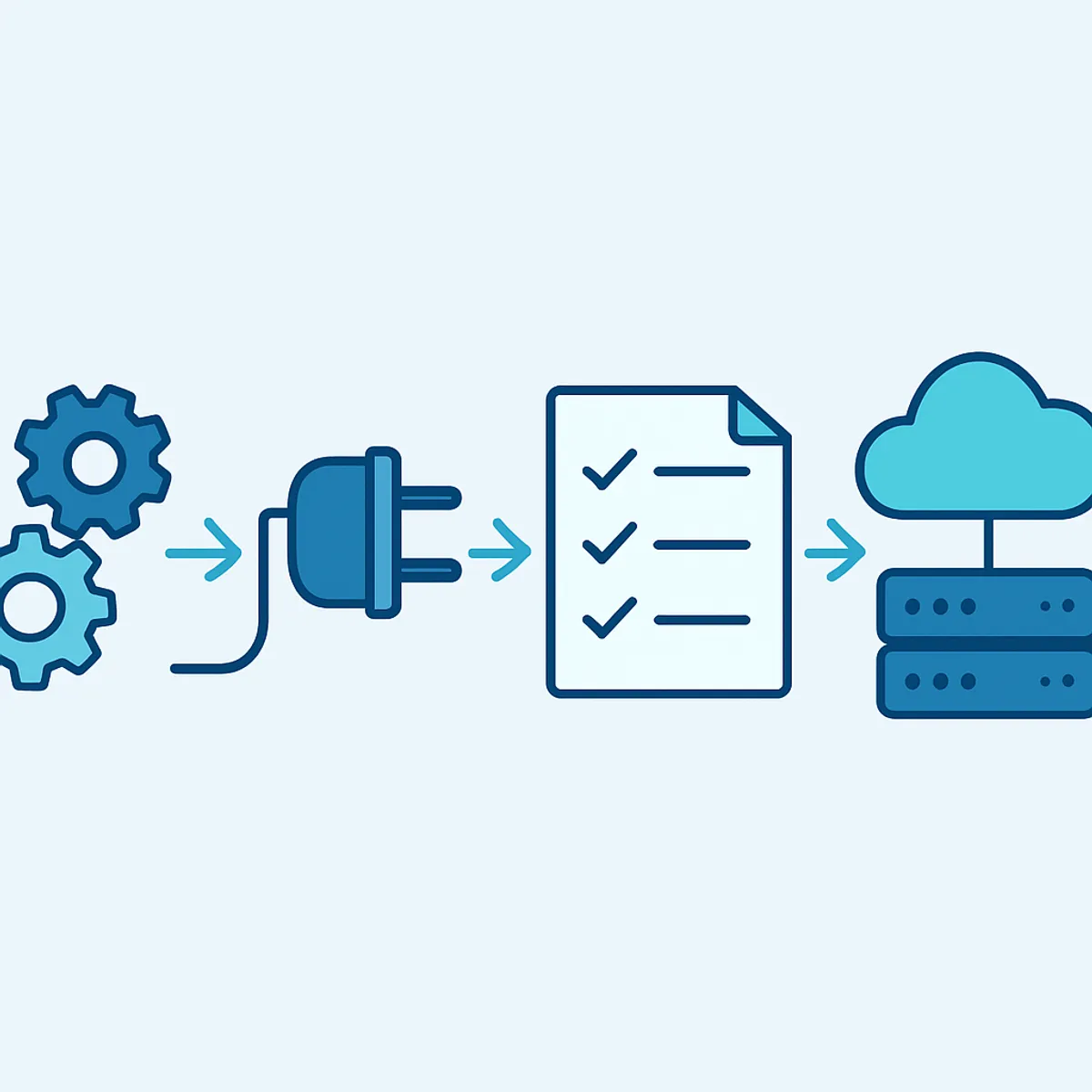
These platforms typically connect to your e-commerce store, ERP, or point-of-sale system, ingest historical and live data, and output discount decisions through an API or rules engine. The result is pricing that behaves less like a fixed sticker and more like a living signal.
How Does AI Decide the Right Discount?
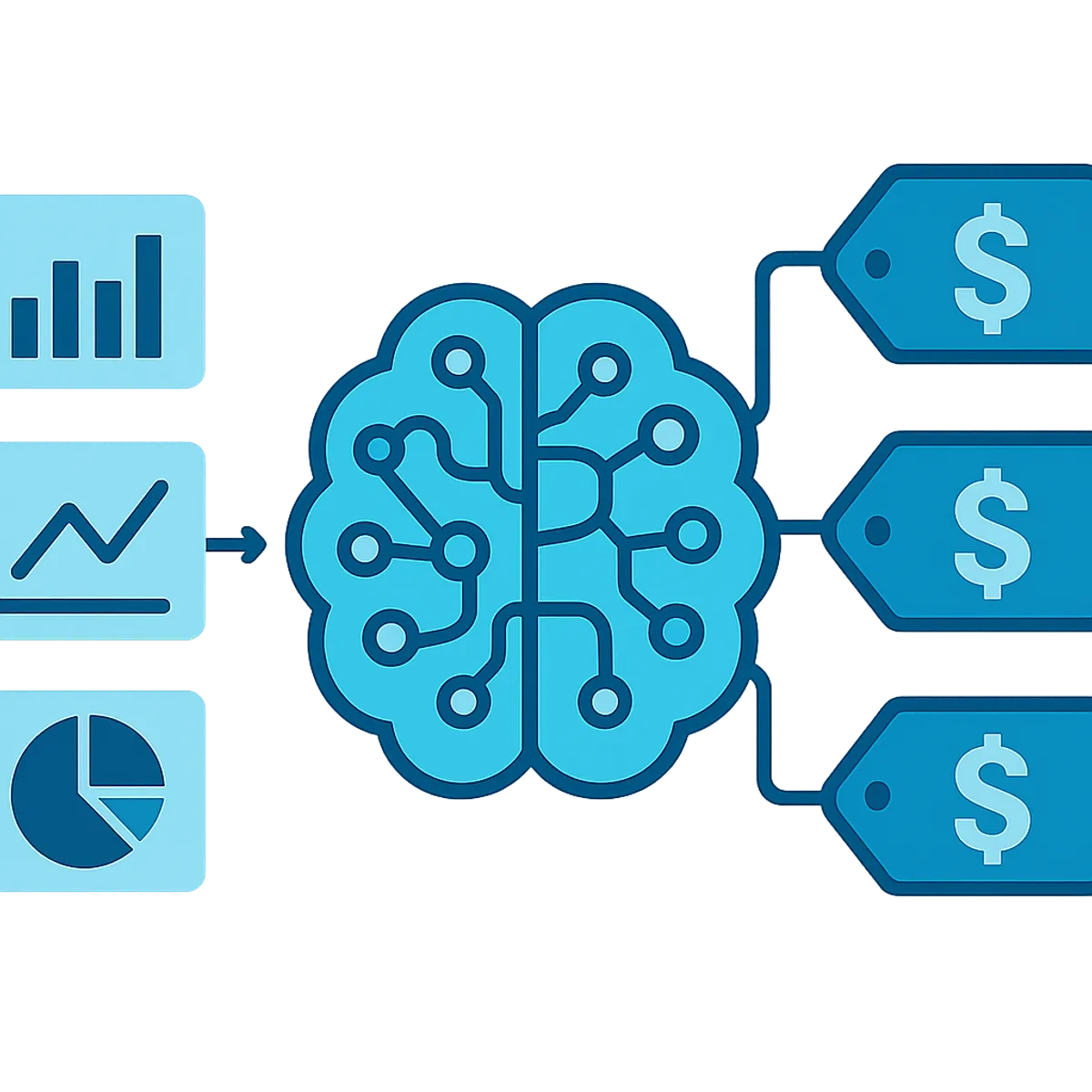
The software analyzes dozens of variables simultaneously, something no human team can do consistently at scale. The core inputs usually include:
- Demand signals: browsing volume, add-to-cart rates, and conversion trends.
- Inventory levels: overstocked items get deeper, faster discounts; scarce items stay protected.
- Customer context: loyalty status, purchase history, and price sensitivity.
- Competitor pricing: scraped or fed market data to stay competitive without a race to the bottom.
- Time factors: seasonality, day-of-week patterns, and product lifecycle stage.
The model weighs these inputs and predicts the probability that a customer will buy at various price points. It then selects the discount that maximizes expected profit, not just the likelihood of a sale. This distinction matters: a 5% discount that converts is far more valuable than a 30% discount that was never needed.
Why Manual Discounting No Longer Works
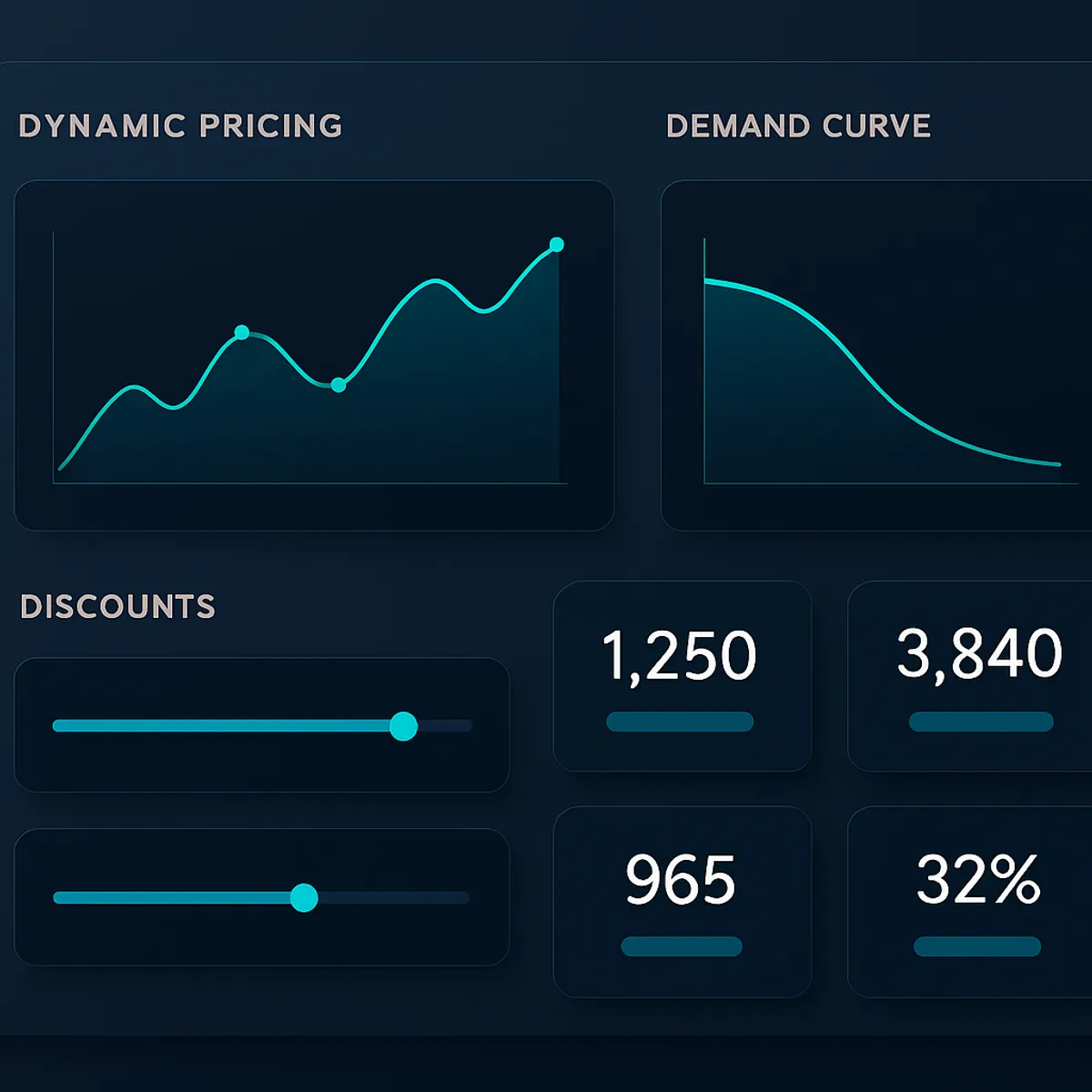
Manual discounting fails because markets move faster than humans can react. A merchandiser who sets a weekend promotion on Thursday cannot account for a competitor's flash sale on Saturday or a sudden spike in demand. According to McKinsey, pricing improvements of just 1% can lift operating profits by roughly 8%, yet most businesses leave that upside untouched because their pricing is static.
The hidden cost of manual discounting is margin leakage: discounts given to customers who would have purchased anyway. Research from Harvard Business Review has long shown that pricing is the most powerful profit lever available to managers, more impactful than cutting fixed costs or boosting volume. AI dynamic discount software directly targets this leakage by reserving discounts for moments when they actually change behavior.
Core Benefits of AI Dynamic Discount Management
Businesses that adopt these systems consistently report gains across several areas:
- Margin protection: discounts are minimized to the level that still converts, preventing unnecessary giveaways.
- Higher conversion rates: personalized offers reach price-sensitive shoppers at the right moment.
- Faster inventory turnover: aging or overstocked SKUs are cleared intelligently rather than dumped.
- Reduced manual workload: teams stop building spreadsheets and start setting strategy and guardrails.
- Consistent pricing logic: every discount follows the same data-driven rules, removing emotional or ad-hoc decisions.
In my experience, the operational benefit is underrated. When a system handles thousands of micro-decisions automatically, your pricing team can finally focus on positioning, partnerships, and long-term strategy instead of firefighting promotions.
Real-Time Optimization in Action
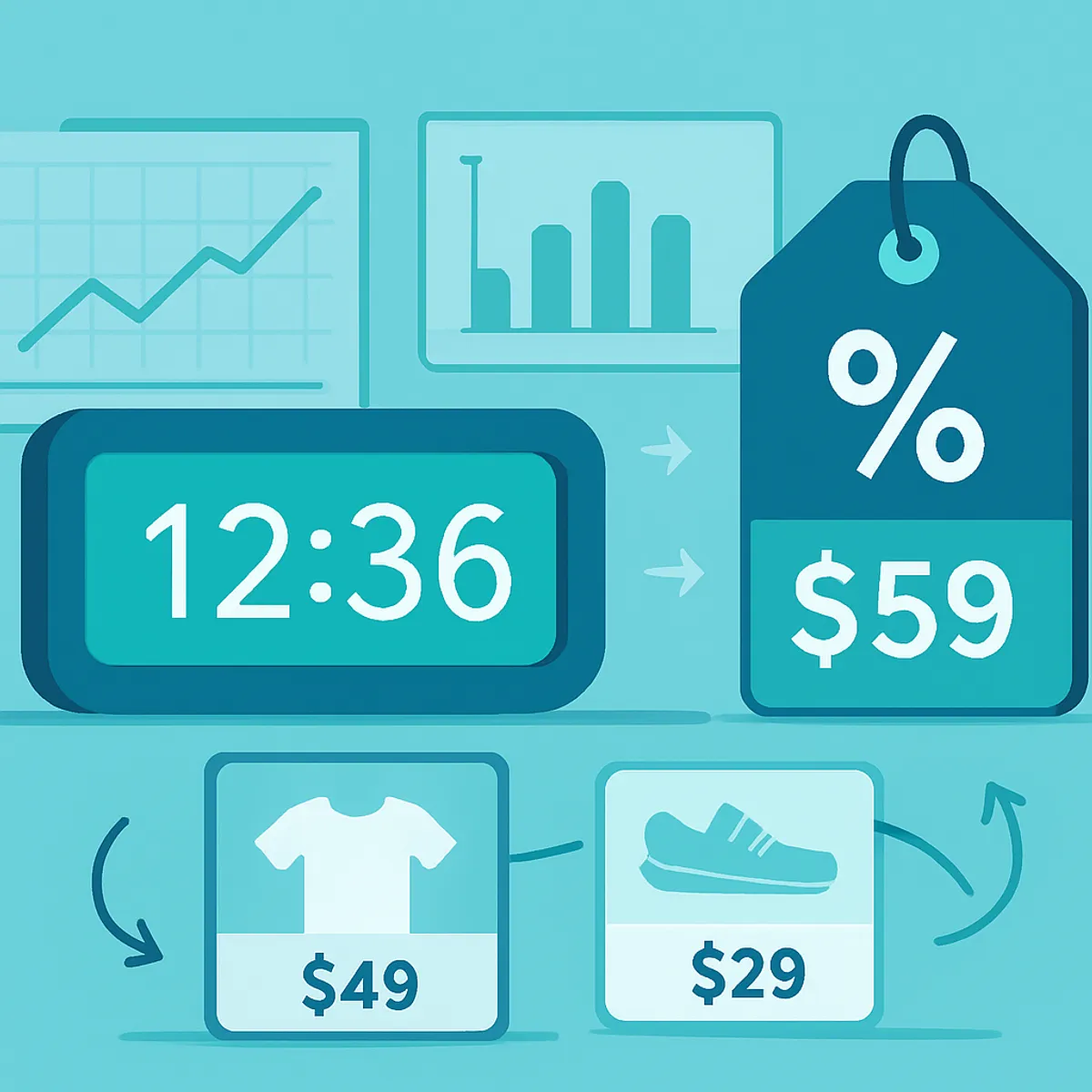
The defining feature of these platforms is real-time responsiveness. Imagine an online store with 50,000 SKUs. A traditional team might reprice a few hundred items per week. An AI system continuously evaluates the entire catalog and adjusts offers within seconds when conditions change.
For example, if a product's conversion rate drops sharply after a competitor lowers their price, the system can introduce a precise counter-discount automatically, then remove it once the threat passes. This protects both sales velocity and long-term margin without anyone touching a spreadsheet.
AI vs. Traditional Discount Management: A Comparison
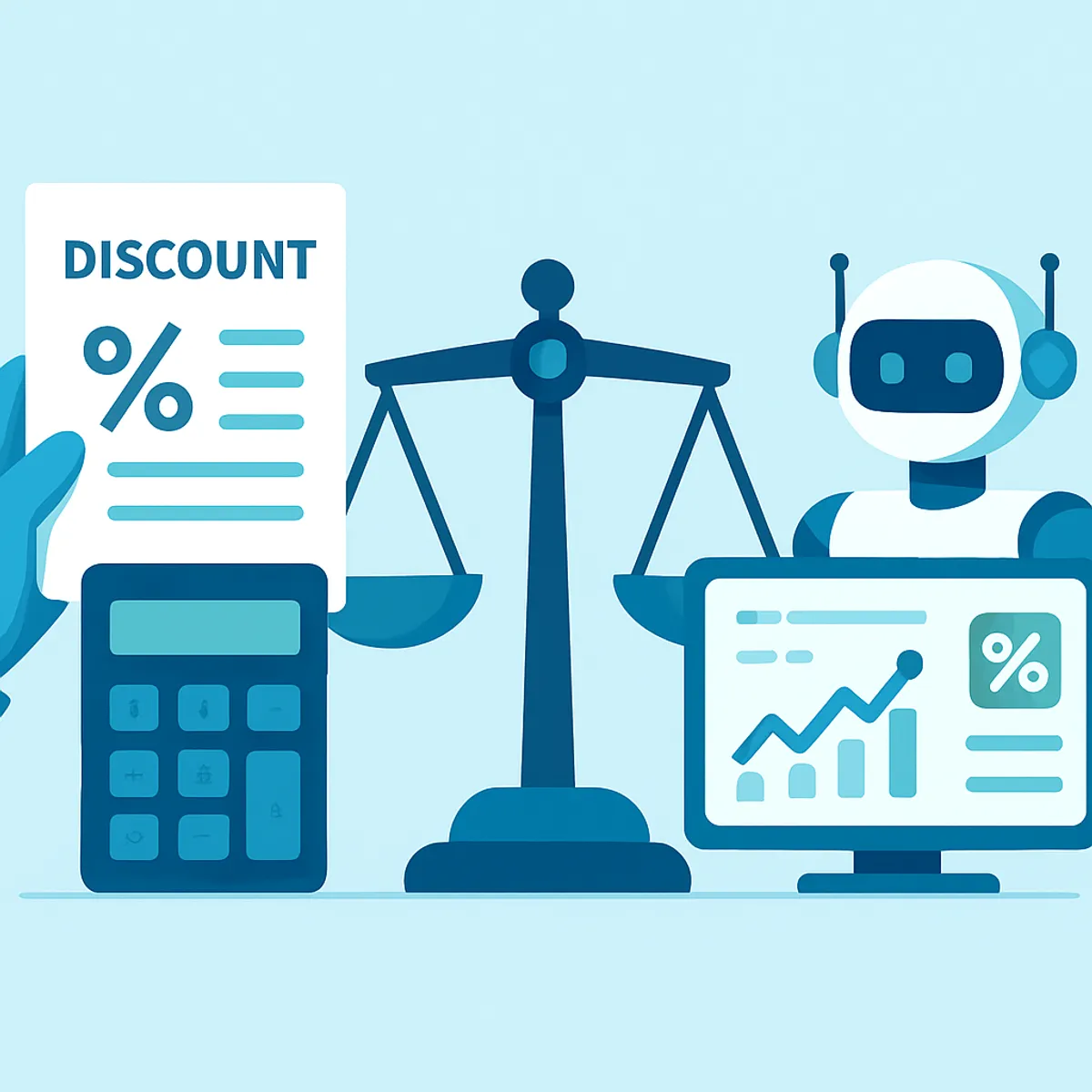
The difference between manual and AI-driven approaches becomes clear when you compare them side by side.
| Factor | Traditional Discounting | AI Dynamic Discounting |
|---|---|---|
| Decision speed | Days or weeks | Seconds |
| Personalization | One-size-fits-all | Per-customer and per-segment |
| Margin control | Often guesswork | Optimized per transaction |
| Competitor response | Reactive and slow | Automatic and continuous |
| Scalability | Limited by team size | Handles full catalog |
| Learning over time | None | Improves with every sale |
How to Implement AI Discount Software Successfully
Adopting this technology is less about the algorithm and more about preparation and governance. Based on real deployments, here is the sequence that works best:
1. Clean and Connect Your Data
AI is only as good as the data it learns from. Consolidate sales history, inventory feeds, and customer records before connecting them to the platform. Inconsistent or incomplete data is the single most common reason early pilots underperform.
2. Set Clear Guardrails
Define minimum margins, maximum discount limits, and protected products the AI must never undercut. These rules keep automation aligned with brand strategy and prevent edge-case decisions that could damage perception.
3. Start With a Pilot
Apply the system to one product category or customer segment first. Measure results against a control group so you can prove impact before scaling across the catalog.
4. Monitor and Refine
Review performance weekly during the early phase. The model improves with feedback, and your guardrails will need tuning as you learn what the data reveals. Building this kind of intelligent automation often benefits from expert support, and partnering with an experienced team for AI development services can accelerate a clean, reliable rollout.
Common Mistakes to Avoid
Even strong platforms can underdeliver when they are used carelessly. Watch for these pitfalls:
- Over-discounting loyal customers: if your most loyal buyers always get the deepest cuts, you train them to wait for sales.
- Ignoring brand positioning: luxury and premium brands should restrict dynamic discounting to protect perceived value.
- Treating it as set-and-forget: AI needs oversight, especially during major market shifts or new product launches.
- Skipping transparency: customers and regulators increasingly expect fair, explainable pricing.
Trust is the currency of pricing. The goal is to feel fair and relevant to customers, not manipulative. Teams that build websites and platforms with this principle in mind, often with guidance from specialists like WebPeak, tend to sustain better long-term loyalty.
The Future of AI Discount Management
The next wave of these platforms will move beyond pricing into full revenue orchestration. Expect tighter integration with marketing automation, where discounts are coordinated with email timing, ad spend, and loyalty rewards. Generative AI is also beginning to explain why a discount was recommended, making the technology more transparent and trustworthy for both teams and customers.
We will also see more privacy-first personalization, where systems optimize offers without relying on invasive tracking. As regulations tighten, the platforms that win will be those that balance performance with fairness and explainability.
Key Takeaways
- AI dynamic discount management software sets the smallest discount needed to convert while protecting margins.
- A 1% improvement in pricing can lift operating profits by roughly 8%, according to McKinsey.
- The biggest gains come from eliminating margin leakage, not from deeper discounts.
- Clean data, clear guardrails, and a controlled pilot are essential for success.
- The future points toward transparent, privacy-first revenue orchestration powered by AI.
Learn more about practical AI and automation solutions at ZoneTechify.
Frequently Asked Questions (FAQ)
What is AI dynamic discount management software?
It is a platform that uses machine learning to automatically set and adjust discounts based on demand, inventory, customer behavior, and competitor pricing. Instead of fixed sale percentages, it calculates the optimal discount for each situation in real time to maximize revenue while protecting profit margins.
Does dynamic discounting hurt profit margins?
No, when implemented correctly it protects margins. The AI applies the smallest discount needed to convert a sale, preventing unnecessary giveaways to customers who would have purchased anyway. With proper guardrails like minimum-margin limits, it consistently improves profitability rather than eroding it.
How quickly does AI adjust discounts?
Most platforms adjust discounts within seconds of detecting a change in demand, inventory, or competitor pricing. This real-time responsiveness lets businesses react to market shifts across thousands of products instantly, something manual teams managing spreadsheets simply cannot match at scale.
Is AI discount software suitable for small businesses?
Yes, many modern platforms are designed for small and mid-sized businesses with affordable, API-based pricing. Even a modest product catalog benefits from automated, data-driven discounting. Smaller teams often gain the most because the software removes hours of manual repricing work each week.
What data does AI discount software need?
It typically needs sales history, current inventory levels, customer records, and competitor or market pricing. The cleaner and more complete this data is, the better the recommendations. Most platforms connect directly to your e-commerce store, ERP, or point-of-sale system through an integration or API.